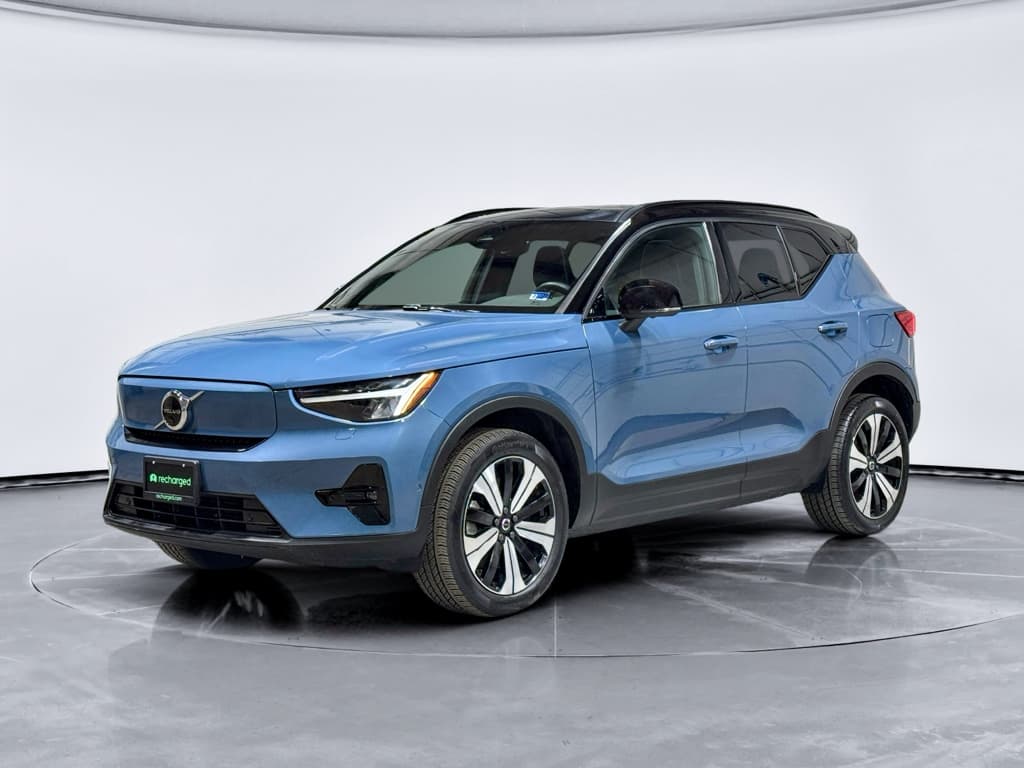
If you’re drawn to the 2024 Volvo C40 Recharge, you’re probably here for the shape: a rakish, glass-roofed coupe-SUV that looks like a concept car let loose on the Whole Foods parking lot. But styling is cheap; reliability isn’t. Before you sign on a dotted line, or make an offer on a used C40, it's worth asking how the 2024 Volvo C40 Recharge actually holds up in the real world.
At-a-glance reliability verdict
Overview: How reliable is the 2024 C40 Recharge?
2024 Volvo C40 Recharge reliability snapshot
On paper, the 2024 C40 Recharge has a lot going for it. Owners give it strong marks for performance, comfort, and styling, and early consumer-review data pegs reliability just above 4 out of 5 with roughly three‑quarters of reviewers saying they would recommend the vehicle. Under the skin, you’re dealing with a fairly simple EV layout, no turbos, no transmissions with 47 clutch packs, no timing belts lurking in the dark.
The asterisks live in the margins: reports of infotainment crashes, occasional charging hiccups, vibration issues on some earlier cars, and, most seriously, a high‑profile brake software recall on closely related Volvo EVs and plug‑in models. For many owners, these are annoyances rather than deal‑breakers. For a few, they’ve been bad enough to trigger buybacks or swearing‑off‑Volvo‑forever levels of frustration.
Who the C40 Recharge suits best
Powertrain & battery longevity
If there’s a strong suit to the 2024 C40 Recharge’s reliability story, it’s the EV hardware: motors, battery pack, and drivetrain. The 2024 refresh introduced a new rear‑drive Single Motor setup and updated dual‑motor arrangement with more efficient components and better range than the 2023 model.
- Single Motor: rear‑mounted motor, 248 hp, EPA range up to about 297 miles in ideal spec.
- Twin Motor (AWD): dual motors, roughly 402 hp, EPA range around the mid‑250‑mile mark.
- Both use a large lithium‑ion pack with DC fast‑charging capability (roughly 10–80% in around half an hour under ideal conditions).
Electric motors themselves are typically near bulletproof, and there hasn’t been a wave of motor‑failure horror stories with the C40. Where long‑term reliability comes into play is **battery health** and **charging behavior**, areas Volvo explicitly addresses in its official guidance. The brand recommends favoring AC charging over frequent DC fast charging, and avoiding leaving the battery at 100% or 0% for prolonged periods, to slow degradation over time.
Battery lifespan expectations
In short: if you’re worried about the big‑ticket bits, the motors and battery, the 2024 C40 Recharge looks like a **low‑drama, high‑confidence setup**, especially versus legacy turbo‑gas SUVs. Your bigger headaches are likely to be on the software and usability side, not under the floor.
Software and infotainment issues
Every EV has a personality, and the C40’s is defined less by its motors than by its Google‑based infotainment system. Across C40 and sibling XC40 Recharge forums, the single most common complaint isn’t battery failure or motors grenading, it’s the center screen acting like a moody tablet.
Most common C40 software complaints
Based on owner forums, reviews, and Volvo EV experience
Random reboots
Owners report occasional screen freezes and mid‑drive reboots, dropping maps and audio until the system restarts. Usually fixed by a manual reboot, but unnerving.
Slow & laggy response
Menu transitions and app launches can feel underpowered compared with modern phones, especially on early software builds.
Audio & CarPlay glitches
Instances of no sound, or Apple CarPlay/Android Auto failing to connect until the system is restarted.
If this all sounds familiar, it’s because many EVs are now rolling computers; Volvo is far from alone here. The difference is that some competitors, Tesla, Hyundai/Kia, even Ford, have iterated their software more quickly. Volvo’s update cadence has improved, but owners still complain about slow, incremental fixes rather than sweeping over‑the‑air (OTA) improvements.
Living with a buggy screen
From a reliability perspective, that means the 2024 C40 Recharge can be a joy to drive and still feel flaky day‑to‑day if you’re sensitive to tech quirks. If your personal hell is rebooting electronics, you’ll want to factor this into your decision.
Ride, build quality, and common complaints
Mechanically, the 2024 C40 Recharge is a compact luxury crossover. But it doesn’t ride like a pillowy Volvo wagon of old. A recurring theme in test drives and owner reviews is a **firm, occasionally busy ride** and cabin compromises dictated by its coupe‑SUV silhouette.
- Ride quality: Multiple owners describe the suspension as firm and occasionally bouncy. You feel sharp bumps and speed humps more than in a traditional Volvo SUV.
- Cabin noise: Overall quiet, but some report electrical buzzing or minor squeaks, especially with interior lighting on in earlier cars.
- Rear visibility: The swoopy roofline and small rear window mean poor rearward visibility; many owners rely heavily on cameras and sensors.
- Cabin space: Back seat entry and headroom can feel tight; wide glass roof is dramatic but vulnerable to stone chips and expensive to replace.
Glass roof caution
None of this makes the C40 unreliable in the mechanical sense, but if you expect classic Volvo plushness, you may find the C40 **sportier and more compromised** than its styling suggests. As a daily urban commuter it works brilliantly; as a family road‑trip mule, less so.
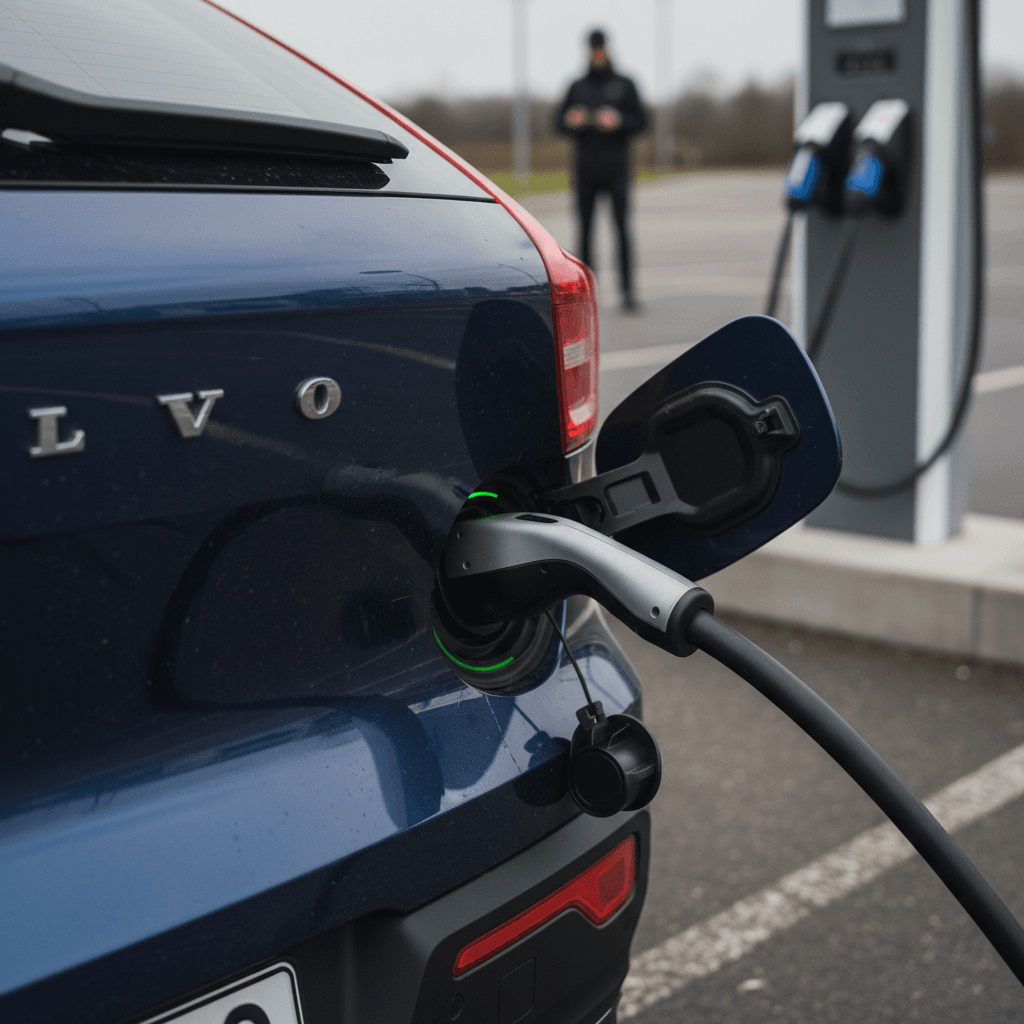
Recalls & safety updates you should know
Volvo has built its brand on safety, which makes any recall news especially sensitive. Several recent campaigns affect the C40/EC40 line and related plug‑in models, and they’re central to any discussion of reliability.
Key Volvo EV recalls relevant to C40/EC40 shoppers
Always check a specific VIN for open recalls, this table is a high‑level guide, not an exhaustive list.
| Issue | Models affected (high level) | Risk | Typical fix |
|---|---|---|---|
| Brake software / regen issue | 2023 C40, 2025 EC40, various Volvo PHEVs | Possible brake failure after extended one‑pedal or B‑mode use | Urgent software update; owners instructed to avoid specific modes until fixed |
| Charging / onboard charger faults | Some 2022–2023 C40s, scattered cases on later cars | Vehicle fails to charge or throws charging errors | ECU or onboard charger replacement, software updates |
| Infotainment bugs | All C40/EC40 model years to date | Frozen screens, reboot loops, audio loss | Over‑the‑air or dealer software updates, hard resets |
Recall coverage and status can change; verify with Volvo or the NHTSA database before you buy.
How to check recall status
For 2024 specifically, most high‑profile hardware issues trace back to earlier model years, but software and brake‑logic updates still matter. A 2024 C40 that has been kept up‑to‑date on software will be safer and more pleasant to live with than one that hasn’t seen a dealer since delivery.
2024 vs. earlier C40 model years
What changed for 2024
- New Single Motor RWD variant with improved efficiency and range.
- Revised dual‑motor setup with better range than 2022–2023 cars.
- Incremental software updates targeting stability and infotainment behavior.
- Refined chassis tuning vs. the very first-year cars.
What issues carried over
- The same Google‑based infotainment platform, with lingering lag and occasional crashes.
- Coupe‑SUV compromises: tight rear space, limited rear visibility.
- Firm ride and expensive 20‑inch wheel/tire packages.
- Owner anxiety about long‑term software support and update pace.
Think of the 2024 C40 Recharge as a **second‑draft powertrain on a first‑draft software stack**. It fixes some early‑range complaints and improves efficiency, but it does not magically transform the user interface into a paragon of reliability.
Battery health, degradation & warranty coverage
Battery anxiety is the EV buyer’s original sin, and Volvo clearly knows it. The C40’s high‑voltage pack is covered by an **8‑year / around 100,000‑mile warranty** in the U.S. (exact mileage can vary by market), typically against excessive capacity loss or outright failure. That’s on par with Hyundai, Kia, and Tesla.
How to keep a C40 battery healthy
Volvo’s guidance, translated into real‑world habits
Favor AC charging
Use Level 2 home or workplace charging for most top‑ups. Save DC fast charging for road trips and genuine time crunches.
Avoid 0% and 100% extremes
Try to live mostly between 20–80% state of charge. Don’t leave the car parked for days at 100% or near empty.
Be kind in heat and cold
Precondition the cabin and battery when possible, and avoid repeated hard fast‑charging in extreme temperatures.
Follow those simple rules and there’s little evidence the 2024 C40 Recharge has a hidden battery‑health time bomb. If anything, its pack appears to age in line with the broader EV herd. For used shoppers, the key is to verify how the previous owner treated the car, and to get a **third‑party battery health check** where possible.
How Recharged helps on battery health
Ready to find your next EV?
Browse VehiclesBuying a used 2024 C40 Recharge: reliability checklist
If you’re eyeing a used 2024 C40 Recharge, especially as prices soften, reliability really comes down to **how that specific car has been treated**. Use this checklist as your pre‑purchase script.
Used 2024 C40 Recharge reliability checklist
1. Run a full recall & software check
Ask the seller for service records and confirm that all <strong>recalls and campaigns</strong> have been completed. At the dealer, request a printout showing current software level and completed updates.
2. Test the infotainment like a stress test
On the test drive, run navigation, Bluetooth, CarPlay/Android Auto, and audio simultaneously. Drive for at least 30 minutes. Note any <strong>reboots, freezes, or audio dropouts</strong> and ask whether they’ve been addressed.
3. Inspect the glass roof religiously
Look for chips or cracks, especially near the edges under trim or tint. Roof glass on modern EVs can be <strong>expensive and slow to source</strong>. Walk away from suspicious repairs unless they’re documented and warrantied.
4. Check ride, vibration and wheels
Drive at highway speeds and feel for <strong>steering vibration around 60–70 mph</strong>. Inspect wheels for bends or cracks, especially on big, low‑profile tire packages.
5. Verify charging behavior
Test both <strong>AC Level 2 and DC fast charging</strong> if possible. The car should initiate charge promptly and sustain expected rates. Any repeated fault codes or failure to charge is a major red flag.
6. Get battery health data
Ask for a recent battery‑health report or range logs. When you buy through <strong>Recharged</strong>, your C40 includes a detailed Recharged Score battery report so you’re not guessing.
Consider trade‑in or consignment
How the C40 Recharge compares to rivals on reliability
In the compact luxury EV arena, the 2024 C40 Recharge lives among a tough crowd: Tesla Model Y, Hyundai Ioniq 5, Kia EV6, Mercedes EQB, and various German contenders. Where does it land on reliability?
Reliability feel vs. key compact EV rivals
A qualitative comparison based on owner feedback, tech maturity, and known issues.
| Model | Mechanicals | Software & UX | Ride & noise | Overall reliability feel |
|---|---|---|---|---|
| Volvo C40 Recharge (2024) | Strong motors & pack; good warranty | Glitch‑prone, occasionally laggy | Firm, sometimes busy | Solid hardware, fussy software |
| Tesla Model Y | Mature EV platform, efficient | Frequent updates, still buggy at times | Firm but composed | Efficient, but quality can be hit‑or‑miss |
| Hyundai Ioniq 5 | Proven E‑GMP platform | Generally stable; occasional bugs | Comfortable, refined | Quietly excellent with few major scares |
| Kia EV6 | Shared hardware with Ioniq 5 | Similar to Hyundai: mostly solid | Sportier, slightly firmer | Sporty and dependable so far |
| Mercedes‑Benz EQB | Conventional platform, less cutting‑edge | Complex MBUX interface | Comfortable but heavy | Conservative tech, traditional Mercedes quirks |
Use this as a directional guide; individual vehicles can vary widely based on care and software version.
The C40’s reliability story sits **squarely in the middle**: not as squeaky as early‑run EV experiments, not as relentlessly updated as Tesla, and not quite as quietly bulletproof as Hyundai/Kia’s best. You’re trading some software polish for Volvo’s design language, safety focus, and a more boutique feel.
FAQ: 2024 Volvo C40 Recharge reliability
Frequently asked questions about C40 Recharge reliability
Bottom line: Is the 2024 C40 Recharge a safe bet?
As an object, the 2024 Volvo C40 Recharge is deeply appealing: quick, quiet, beautifully styled, and refreshingly compact in a world of swollen crossovers. As a reliability proposition, it’s **good but imperfect**, more let down by its software and some costly body hardware than by its motors or battery pack.
If you understand those trade‑offs, keep the car updated on software, and buy one that’s been cared for, the C40 Recharge can be a dependable, characterful EV that stands apart from the usual suspects. If you want set‑and‑forget tech with zero glitches, something like an Ioniq 5 or EV6 may suit you better.
Considering a 2024 C40 Recharge, or its renamed EC40 sibling, on the used market? Shopping through Recharged means every car includes a Recharged Score battery‑health report, transparent pricing, financing options, trade‑in support, and nationwide delivery. That way, when you fall for the C40’s looks, you’ll also know exactly what you’re getting under the skin.