If you’re eyeing a Genesis Electrified G80, you’re probably wondering about one big thing: depreciation rate. This is a gorgeous, low-volume luxury EV sedan that’s already been discontinued in the U.S., which makes its resale story very different from a Tesla Model 3 or Mercedes EQE. The upside: if you buy used, those depreciation curves can work heavily in your favor.
Quick context
Electrified G80 depreciation at a glance
How the Electrified G80 fits into today’s EV depreciation picture
Industry data shows that EVs typically depreciate faster than gas cars, especially in the first three years of ownership, with many electric models losing about 50–60% of their value by year three compared with roughly 40–50% for similar gas vehicles. Luxury EV sedans tend to be hit hardest, because their original MSRPs are high and technology moves quickly.
A quick reality check
How fast does the Genesis Electrified G80 depreciate?
The Electrified G80’s depreciation rate looks a lot like other premium EVs that started life in the $70,000–$80,000 range. Because it was sold in small numbers and then discontinued, public data is thinner than for something like a Model S, but used asking prices give us a clear picture of the curve.
Estimated Genesis Electrified G80 depreciation curve (U.S.)
Approximate retained value compared with original MSRP for typical mileage and good condition. These are directional ranges based on today’s used‑EV market, not guaranteed resale values.
| Age / mileage | Typical price vs. original MSRP | What that looks like in dollars |
|---|---|---|
| 1 year / ~12,000 mi | 70–75% of original price | $53,000–$60,000 |
| 2 years / ~24,000 mi | 55–65% of original price | $41,000–$50,000 |
| 3 years / ~36,000 mi | 45–55% of original price | $34,000–$44,000 |
| 5 years / ~60,000 mi | 30–40% of original price | $24,000–$32,000 |
Assumes original MSRP around $75,000–$80,000 plus options and destination.
In other words, a well‑optioned Electrified G80 that might have stickered near $80,000 when new can realistically show up in the mid‑$40,000s within just two to three years. That’s a steep hit for the first owner, and a sweet spot if you’re shopping used.
Used‑buyer sweet spot
Why does the Electrified G80 depreciate the way it does?
Key forces behind Electrified G80 depreciation
Some are EV‑specific, others are unique to Genesis and this model.
1. EV market reset 2023–2025
2. Niche body style
3. U.S. discontinuation
Other factors that influence your individual car’s value
These are the knobs you can actually control as an owner.
Mileage and use
Condition & history
Charging behavior & battery health
Electrified G80 vs. gas G80 and rival luxury EVs
To really understand the Genesis Electrified G80 depreciation rate, you have to look at it in context. How does it stack up against the gas‑powered G80, and against other midsize luxury EV sedans?
Electrified G80 vs. gas G80
- Gas G80: Mainstream luxury sedan with larger buyer base, broader dealer support, and more conventional ownership expectations. Depreciation is closer to other midsize luxury sedans, think roughly 45–55% over five years in normal conditions.
- Electrified G80: Higher original price, EV‑specific range and charging questions, and far smaller sales volume. Expect noticeably steeper early‑year depreciation than the gas G80, especially from years 1–3.
- On the flip side, the electric’s much lower fueling and maintenance costs can offset part of that paper loss over time.
Electrified G80 vs. other luxury EV sedans
- Tesla Model S: Larger charging network and massive brand recognition help Teslas hold value better than most EVs. The Electrified G80 will usually depreciate faster in percentage terms, though it may start from a lower MSRP.
- Mercedes EQE, BMW i5, Audi e‑tron GT: These European luxury sedans also see aggressive early‑year depreciation. The Genesis tends to sit in the same neighborhood, sometimes lower because of brand awareness, sometimes higher thanks to its long warranty and well‑equipped trims.
- In short, the Electrified G80 is competitive but not class‑leading on resale. It’s not a Tesla, but it’s also not a bottom‑of‑the‑barrel EV on value retention.
Where the Electrified G80 shines used
Battery health, range and warranty: the value drivers
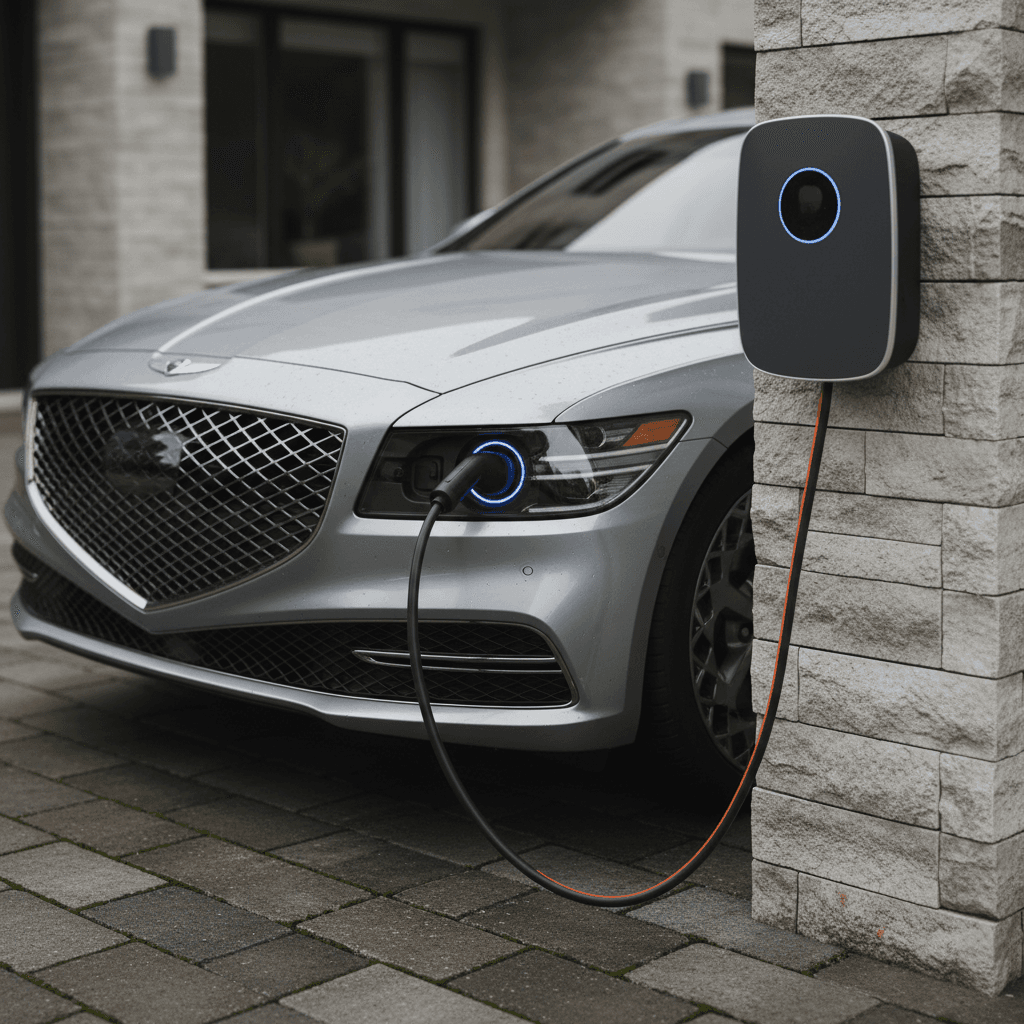
With any EV, depreciation isn’t just about age and miles. Battery health, usable range, and remaining warranty coverage are what separate a bargain from an expensive headache. The Electrified G80 uses an 87‑ish kWh pack, dual‑motor AWD, and delivers roughly 280 miles of range when new, so there’s a lot of value tied up in that big battery.
Battery and range checks that affect resale value
Confirm remaining factory battery warranty
Genesis typically backs its EV batteries for many years and miles. A car with plenty of warranty remaining is worth more and will be easier to resell.
Review DC fast‑charging history if available
Heavy reliance on high‑power DC fast charging can age a pack faster. An Electrified G80 that mostly lived on home or workplace Level 2 charging is the safer bet.
Compare real‑world range to original specs
On a test drive, note consumption and projected range at your normal speeds. A healthy car that still delivers close to its rated range will command stronger money.
Check for software updates and recalls
Up‑to‑date software can improve efficiency, charging behavior, and features. It also signals that previous owners cared enough to keep the car current.
Don’t skip a battery health report
What used Genesis Electrified G80s are actually selling for
Because the Electrified G80 was sold in relatively tiny numbers, prices can swing based on region and availability. But if you look across dealer listings and auction data, some clear price bands emerge:
- Early cars (2023 model year) with average miles often land in the mid‑$40,000s to low‑$50,000s, depending on options and condition.
- Low‑mileage or heavily optioned examples can still stretch into the upper‑$50,000s, especially in markets with strong EV demand.
- High‑mile or rougher examples may slide into the high‑$30,000s, but they’re still rare enough that true “budget” Electrified G80s don’t linger long.
- Certified‑pre‑owned programs and third‑party warranties can nudge asking prices higher while helping stabilize long‑term depreciation.
Why prices look scattered
How to shop a used Electrified G80 without overpaying
Shopping used is where you can turn the Genesis Electrified G80’s depreciation into a real advantage. The goal is simple: find the sweet intersection of lower price, strong battery health, and lots of warranty left.
Smart‑buyer checklist for a used Electrified G80
1. Start with a wide search radius
Because there aren’t many Electrified G80s out there, widen your search beyond your ZIP code. A better‑spec’d car a few hundred miles away may be worth shipping, especially if it’s thousands cheaper.
2. Focus on 2–4‑year‑old cars
This is where the depreciation curve flattens. You avoid the steepest first‑year drop but still get modern tech, current styling, and plenty of remaining battery warranty.
3. Prioritize documented service history
A stack of service receipts, clean Carfax/AutoCheck, and clear title history all support higher resale value down the road and reduce your risk today.
4. Get battery health in writing
Ask for a third‑party battery health report or buy from a seller who provides one. Recharged includes a <strong>Recharged Score battery‑health diagnostic</strong> with every EV we sell, so you’re not guessing about pack condition.
5. Compare total cost, not just price
Factor in sales tax, registration, delivery, and financing. A slightly higher sticker at a fair interest rate can beat a “cheap” car with expensive money.
Let depreciation work for you
If you own an Electrified G80: 7 ways to slow depreciation
Already own an Electrified G80 and want to keep its value up? You can’t control market swings, but you can absolutely control how attractive your particular car looks to the next owner.
Owner playbook: keeping your Electrified G80’s value higher
1. Keep mileage in a reasonable band
If you can, avoid turning your Electrified G80 into a 25,000‑mile‑per‑year commuter. Staying close to average mileage (10,000–12,000 per year) keeps you in friendlier appraisal ranges.
2. Baby the exterior and interior
Fix curb‑rashed wheels, touch up obvious paint chips, repair windshield cracks promptly, and keep the interior clean. Luxury buyers are picky, condition premiums are real.
3. Stay on top of maintenance
Follow Genesis’ maintenance schedule and keep records. Even though EVs need less service than gas cars, documented care adds perceived value and helps you justify a higher asking price.
4. Charge thoughtfully
Favor home or workplace Level 2 charging, avoid frequent 100% charges, and use DC fast charging only when you need it. That helps preserve battery health over time.
5. Keep software updated
Let the car receive over‑the‑air updates and service‑center updates. Improved efficiency, bug fixes, and new features can all help your car feel more current, which supports resale.
6. Avoid heavy aftermarket mods
Tint and clear paint protection are one thing; slammed suspensions and aggressive body kits are another. The more stock and tasteful your Electrified G80 is, the easier it is to sell at a strong price.
7. Time your sale strategically
If you’re thinking about selling, watch interest‑rate trends, local EV incentives, and gas prices. High fuel prices and cheaper financing tend to support stronger EV resale values.
How Recharged can help on either side of the transaction
Ready to find your next EV?
Browse VehiclesGenesis Electrified G80 depreciation: FAQs
Frequently asked questions about Electrified G80 resale value
The Genesis Electrified G80 may not have set sales charts on fire, but as a used luxury EV, its depreciation story is your opportunity. Rapid early value loss, combined with excellent refinement and generous equipment, means you can step into a genuinely high‑end electric sedan for the price of a new mid‑level crossover. Whether you’re comparing it against a gas G80, a Tesla, or a German rival, the key is to buy at the right point in the curve, insist on verified battery health, and think about your exit strategy before you sign. Do that, and the Electrified G80 can deliver a lot of car, and a lot of calm, for the money.