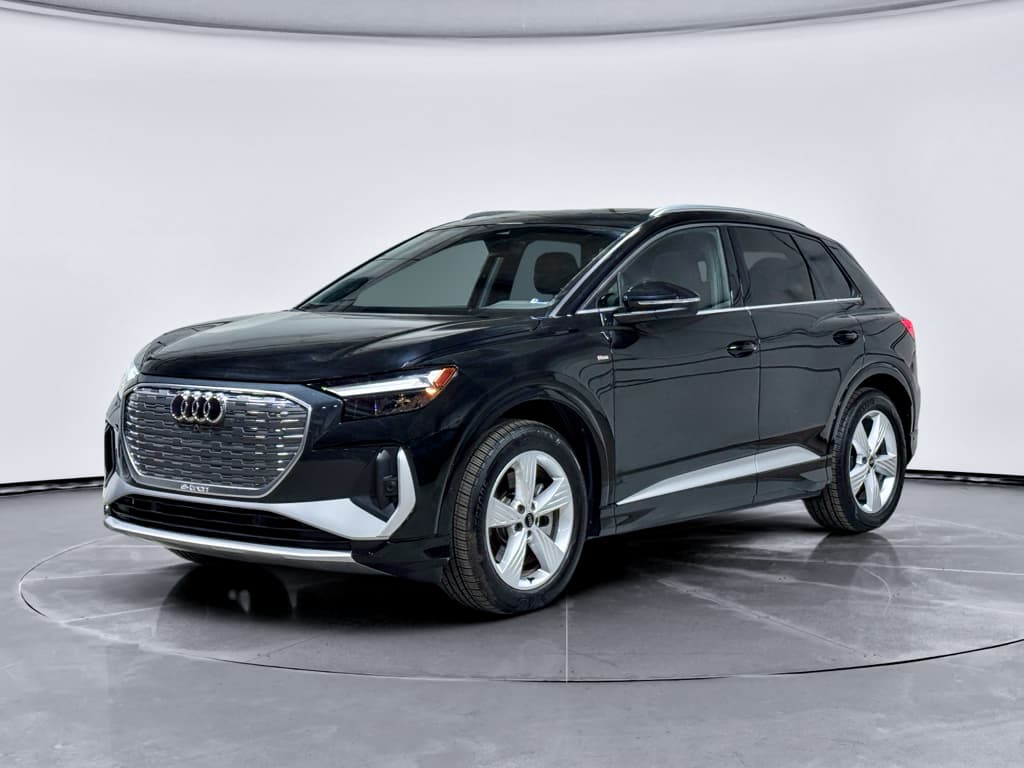
If you’re looking at an Audi e-tron GT or RS e-tron GT, the high‑voltage battery is the single most expensive component in the car. Understanding the exact Audi e-tron GT battery warranty details, what’s covered, for how long, and what can void it, is critical whether you’re buying new, shopping used, or already own one.
Quick battery warranty snapshot
Audi e-tron GT battery warranty overview
Audi aligns the e-tron GT with most modern EVs by offering a separate, longer warranty on the traction battery than on the rest of the car. For 2021–2026 model‑year e-tron GT and RS e-tron GT sold in the U.S., you can expect:
- High‑voltage battery warranty: 8 years / 100,000 miles
- New-vehicle (bumper-to-bumper) warranty: 4 years / 50,000 miles
- Corrosion perforation: 12 years / unlimited miles
- Roadside assistance: 4 years / unlimited miles
- Complimentary maintenance: typically 3 years / 30,000 miles on recent models
Audi e-tron GT battery warranty at a glance
Those headline numbers are reassuring, but they don’t tell the whole story. To really know what you’re getting, you need to understand what Audi considers a defect, how battery degradation is treated, how recalls interact with warranty work, and what happens if you’re buying the car used.
Core warranty terms: years and mileage
Let’s start with the basics. For a U.S.-spec Audi e-tron GT:
Audi e-tron GT core warranty terms (U.S.)
Key time and mileage limits that apply to the e-tron GT and RS e-tron GT.
| Component/system | Years | Miles | Notes | ||||||||||||
|---|---|---|---|---|---|---|---|---|---|---|---|---|---|---|---|
| High‑voltage traction battery | 8 | 100,000 | Defects in materials/workmanship; degradation handled separately by policy | New‑vehicle (basic) warranty | 4 | 50,000 | Most non‑wear components, including motors and electronics | Corrosion perforation | 12 | Unlimited | Covers rust‑through on body panels from the inside out | Roadside assistance | 4 | Unlimited | Towing, jump‑starts, some lockout and flat‑tire services |
| Scheduled maintenance (recent MY) | 3 | 30,000 | Limited scope; refer to maintenance schedule |
Always confirm specifics in your model-year warranty booklet, as terms can change slightly over time.
Clock starts at in‑service date, not model year
What the e-tron GT battery warranty actually covers
Audi’s high‑voltage battery warranty is designed to protect you against defects, not normal wear. In practice, that means Audi will repair or replace battery components if they fail because something was made or assembled incorrectly.
Covered vs. not covered: the big picture
Use this as a quick reference before you head to the dealer.
Typically covered issues
- Defective battery modules or cells that cause error messages, limp‑home mode, or no‑start conditions.
- Internal short circuits or insulation faults originating from manufacturing defects.
- Battery management system (BMS) failures that affect charging, cooling, or safety.
- Repair or replacement of the high‑voltage battery pack when required due to covered defects.
Usually not covered
- Normal capacity loss over time and mileage, within Audi’s internal guidelines.
- Damage from collisions, floods, or improper storage.
- Issues caused by unauthorized modifications, tuning, or opening the pack.
- Use of non‑approved high‑voltage repairs or parts.
If a covered failure occurs during the 8‑year/100,000‑mile period, Audi will typically perform the repair at no cost to you, including parts and labor. For significant defects, this may mean replacing one or more modules inside the battery pack, or in rarer cases, the entire pack.

What’s not covered or can void coverage
EV battery warranties are generous, but they’re not blank checks. Certain kinds of use, damage, or neglect can leave you paying out of pocket even inside the warranty window.
Common ways to risk or reduce battery coverage
Aftermarket high‑voltage modifications
Installing non‑Audi battery modules, opening the pack, or performing DIY high‑voltage repairs can give Audi grounds to deny related claims. High‑voltage repairs should always be done by certified technicians.
Ignoring warning messages or recalls
If you keep driving with persistent high‑voltage fault warnings or ignore recall/TSB instructions (for example, to limit state‑of‑charge), Audi may argue that subsequent damage is avoidable and not covered.
Collision, flood, or impact damage
Damage from accidents, road debris, or flooding is typically handled by insurance, not the battery warranty. If the pack is punctured or submerged, expect an insurance claim, not warranty coverage.
Improper lifting or storage
Lifting the car improperly on a hoist or storing it for months at 0% or 100% state‑of‑charge can harm the battery. The warranty may not apply if Audi can link the damage directly to misuse or neglect.
High‑voltage safety is non‑negotiable
Battery degradation: what Audi does and doesn’t promise
All lithium‑ion packs lose capacity over time. Audi acknowledges this in its literature for e-tron models, noting that battery capacity decreases with age and use, and that warranty repairs may not restore the pack to “as‑new” 100% capacity.
What you can reasonably expect
- Some range loss over the first few years, then a slower decline.
- More noticeable loss in hot or very cold climates, or with heavy DC fast‑charging use.
- A pack that remains usable well past the 8‑year mark in normal use, even if range is reduced.
What Audi does not clearly guarantee
- A specific minimum % state‑of‑health (for example, 70%) in the U.S. warranty booklet for all years.
- Free replacement simply because your range is lower than EPA figures, if diagnostics show the pack is healthy.
- Restoring the battery to like‑new capacity after a covered repair; the target is functional safety and usability.
Use data, not guesswork, on a used e-tron GT
Recalls and battery safety: how the warranty fits in
The e-tron GT shares its underlying platform with the Porsche Taycan, and both cars have seen high‑voltage battery–related recalls in recent years. Issues have included insufficient sealant allowing moisture into the pack and, more recently, concerns about specific LG‑supplied battery modules.
- Notifies owners and instructs them on any temporary limitations (for example, charging only to 80%).
- Inspects affected vehicles, looking for moisture, insulation faults, or suspect modules.
- Repairs or replaces battery modules, or in rare cases full packs, at no cost, regardless of standard warranty status.
Recall vs. warranty: both protect you
New vs. used e-tron GT: how the battery warranty transfers
The good news for second or third owners is that the e-tron GT’s battery warranty is fully transferable. It stays with the car, not the first owner.
How coverage looks for first and later owners
Same battery warranty, different starting points.
Buying new
- You get the full 8 years/100,000 miles from the in‑service date.
- You’ll be the one to set the battery’s early life: charging habits, storage, and climate.
- You can ensure that all campaigns and services are done on schedule from day one.
Buying used
- You inherit the remaining portion of the 8‑year/100,000‑mile term.
- Battery health depends on how the previous owner used and charged the car.
- It’s critical to verify in‑service date, mileage, and recall completion before you buy.
Example: A 2022 Audi e-tron GT put into service on June 1, 2022, will have high‑voltage battery coverage until June 1, 2030, or 100,000 miles. If you buy it used in 2026 at 40,000 miles, you still have about four years and 60,000 miles of potential battery coverage left, assuming no exclusions apply.
How Recharged helps used buyers
Cost of battery repairs with and without warranty
Audi doesn’t publish a menu price for replacement e-tron GT battery packs, but across the industry, large high‑performance EV packs can retail well into the five‑figure range, especially once you add labor and calibration. Even replacing a subset of modules is a serious invoice if you’re paying cash.
With warranty coverage
- Covered defects in the high‑voltage battery are repaired at no charge during the 8‑year/100,000‑mile window.
- Dealers may replace individual modules or the entire pack, depending on the diagnosis.
- You may still pay for related wear items (for example, 12‑V battery) if they’re not covered.
Out of warranty
- You’re responsible for the full cost of parts and labor.
- Shops will often recommend module‑level repair when safe and permitted, to reduce cost.
- Used or remanufactured packs may be an option in the future, but pricing will vary widely.
Don’t assume the whole pack must be replaced
How to protect your coverage and your battery
You can’t control every variable, but smart habits will both preserve your battery’s health and make it easier to get help if something goes wrong inside the warranty window.
Owner checklist: keep your battery, and warranty, in good shape
1. Follow Audi’s charging guidance
Use DC fast charging when you need it, but rely on home or Level 2 AC charging for day‑to‑day use. Avoid habitually charging to 100% or letting the pack sit near 0% for long periods.
2. Keep software and recalls up to date
Accept over‑the‑air updates when offered and respond promptly to recall notices. Dealers sometimes update battery management strategies as part of campaigns.
3. Document maintenance and repairs
Keep clear records for all service visits, including any high‑voltage work. This helps if you ever need to support a warranty claim, or sell the car later.
4. Watch for early warning signs
Pay attention to sudden range drops, repeated charging faults, or unusual noises from the battery cooling system. Getting issues checked early can prevent more serious damage and bolster your case for coverage.
5. Store the car smartly
If you won’t drive the car for weeks, store it around <strong>30–60% state‑of‑charge</strong> in a cool, dry place. This is easier on the cells than sitting full or empty.
6. Use qualified technicians only
Any high‑voltage work should be performed by Audi dealers or qualified EV specialists. That’s safer for you and protects your warranty position.
FAQ: Audi e-tron GT battery warranty
Frequently asked questions
Bottom line for owners and used buyers
The Audi e-tron GT’s 8‑year/100,000‑mile battery warranty is in line with the best in the industry and, when combined with recalls and software updates, offers robust protection against rare but costly battery defects. What it doesn’t do is freeze your battery in time, some loss of range is inevitable, and Audi focuses on safety and functionality rather than guaranteeing a specific capacity number.
If you already own an e-tron GT, your best move is to follow Audi’s charging and maintenance guidance, keep up with software updates and recalls, and address any warning signs early. If you’re shopping used, you’ll want to know not only how much of that warranty is left, but also how healthy the pack is today.
That’s where a data‑driven inspection matters. At Recharged, we combine verified battery diagnostics, a clear Recharged Score report, and expert EV‑specialist support so you can buy a used e-tron GT with confidence, even as the calendar marches closer to that 8‑year mark.