If you’re considering a Genesis Electrified G80, especially on the used market, you’re probably wondering how fast it really charges. Officially, Genesis claims a 10–80% fast charge in about 22–25 minutes on a 350 kW DC charger, thanks to its 800-volt architecture. In this Genesis Electrified G80 charging speed test, we’ll look at real-world data, break down what those numbers actually mean, and translate them into day-to-day ownership and road-trip convenience.
Why charging speed tests matter
Genesis Electrified G80 charging overview
The Genesis Electrified G80 sits in an odd but interesting corner of the EV world. It’s a converted platform rather than a dedicated EV, yet it packs an 800-volt electrical system and a big battery more in line with dedicated luxury flagships. That combination means decent range and competitive fast charging, even if it doesn’t quite top the charts.
Headline Electrified G80 charging stats
U.S. availability note
Battery size and official charging specs
Under the floor, the Genesis Electrified G80 carries a large lithium-ion battery pack. Depending on market and model year, you’ll see slightly different numbers quoted, but the key specs are consistent across regions.
Genesis Electrified G80 battery and charging specs
Core battery and charging numbers you’ll see in brochures and reviews.
| Spec | Value | What it means for you |
|---|---|---|
| Battery capacity (gross) | 87.2–94.5 kWh | Large pack, on par with other full-size luxury EV sedans. |
| Usable capacity | ~82–90 kWh | The portion you actually use for driving and charging tests. |
| Official range | ~282–354 miles | EPA in the U.S. around 282 mi; WLTP figures higher in Europe. |
| Max DC fast charge power | Up to 187 kW | Peak power; the car won’t hold this for the entire session. |
| Typical DC power 10–80% | ~160 kW avg | Rough average output across the main fast-charging window. |
| Max AC (Level 2) | 11 kW | Standard for modern luxury EVs; ideal for overnight home charging. |
| 10–80% DC fast charge time | ~22–25 minutes | Best-case claims that independent tests have largely validated. |
| 10–100% on 11 kW AC | About 7.5–9 hours | A practical overnight full recharge from low state of charge. |
Specs may vary slightly by region and model year, but these figures capture the Electrified G80’s typical configuration.
Don’t obsess over 350 kW
DC fast charging speed test: 10–80% in the real world
Manufacturers love quoting 10–80% charging times because that’s the most flattering part of the charging curve. The important question is whether those claims hold up outside the lab. For the Genesis Electrified G80, multiple independent tests have now run the car on high‑output CCS stations and largely confirmed Genesis’s numbers.
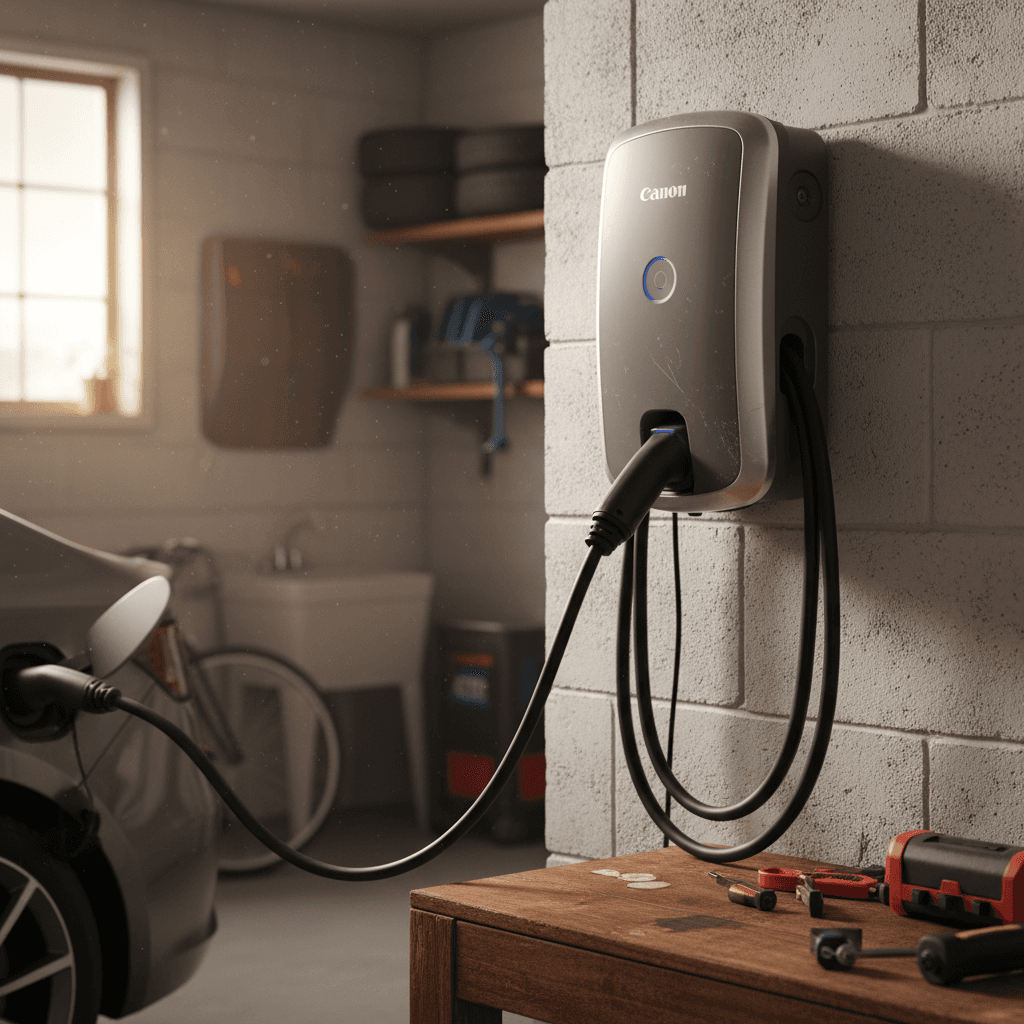
Best‑case DC fast charging session
- Started at ~10% state of charge.
- Connected to a 350 kW CCS charger capable of delivering full power.
- Battery at moderate temperature after some highway driving.
- Reached 80–81% in roughly 21–23 minutes.
- Peak power close to the advertised 180–187 kW before tapering.
That’s comfortably within Genesis’s claimed ~22‑minute window and broadly in line with independent media tests that saw similar times.
Real‑world variability
- On colder days or with a cold-soaked battery, 10–80% can stretch to 30+ minutes.
- Stations limited to 150 kW will slightly lengthen total time, especially below ~40% state of charge.
- High utilization or derated chargers may cap power well below 150 kW.
- Arriving above ~30–40% SOC reduces the time savings of DC fast charging.
In other words, the Electrified G80 can be very quick to charge, but you only see the headline numbers with warm batteries and healthy, high‑output chargers.
Watch out for cold batteries
One widely publicized DC session on a high‑power station replenished roughly 58 kWh in about 21 minutes when charging from a low state of charge to a little over 80%. That works out to an average power of roughly 165 kW for the meaningful part of the session, not class‑leading, but more than respectable for a large luxury sedan.
Home and Level 2 charging: what to expect overnight
For daily life, what matters most isn’t the five times a year you hammer a 350 kW charger, it’s how the Electrified G80 behaves on a home or workplace Level 2 charger. Here, Genesis sticks to the industry‑standard 11 kW onboard charger, which is more than enough to fully recharge the pack overnight.
Home charging scenarios for the Electrified G80
How long it takes depends almost entirely on your circuit and charger size.
Level 1 (120V outlet)
This is your last‑resort option.
- Roughly 3–4 miles of range per hour.
- Well over 30 hours to go from low state of charge to full.
- Fine for occasional top‑ups, not for heavy commuters.
Typical home Level 2 (32–40 A)
The sweet spot for most homeowners.
- Delivers ~7–9 kW depending on circuit.
- 6–10 hours for a full recharge from a low state of charge.
- Plenty for an overnight top‑off after a long day of driving.
High‑power Level 2 (48 A, 11 kW)
Maxing out the Electrified G80’s onboard charger.
- Around 10.5–11 kW into the pack.
- Roughly 7.5–9 hours from near‑empty to 100%.
- Useful if you rack up a lot of highway miles daily.
Set it and forget it
If you don’t yet have home charging, this is where a marketplace like Recharged can help you think holistically about EV ownership costs. A used Electrified G80 with lower purchase price plus a properly sized home charger often pencils out better over five years than a new luxury gas sedan that lives at the pump.
Charging curve, road trips, and planning stops
On road trips, the shape of the Electrified G80’s charging curve matters more than the single peak number. With a usable battery in the low‑80‑kWh range and real‑world highway efficiency in the low‑ to mid‑3‑mi/kWh band, you’re looking at roughly 220–260 miles between fast charges at typical U.S. freeway speeds.
Example road‑trip charging plan
How you might structure a 500‑mile highway drive in a Genesis Electrified G80.
| Leg | Distance | Arrival SOC | Charge window | Estimated time | Notes |
|---|---|---|---|---|---|
| Start → Stop 1 | 210 mi | ~15% | 15 → 70% | ~20–22 min | First bathroom/coffee break; near‑ideal fast‑charging window. |
| Stop 1 → Stop 2 | 190 mi | ~20% | 20 → 75% | ~22–25 min | Second short break; taper more noticeable over 70%. |
| Stop 2 → Destination | 100 mi | ~40% | , | , | Arrive with comfortable buffer; no third charge needed. |
Assumes moderate weather, typical highway speeds, and healthy DC fast‑charging infrastructure.
Stay in the 10–70% band on road trips
The Electrified G80 doesn’t reach the ultra‑high average charging speeds of the newest dedicated EV platforms, but it’s quick enough that charging stops can be folded naturally into meals and rest breaks. That’s ultimately more important than winning a spec‑sheet arms race.
What does it cost to charge the Electrified G80?
Charging cost is where large luxury EVs quietly shine. The Electrified G80 is a hefty sedan, but electricity is still dramatically cheaper than premium gasoline on a per‑mile basis, especially if you have home charging.
Public DC fast charging example
A representative DC fast‑charge session on a high‑power network added just over 70% of battery in about 21 minutes, pulling roughly 58 kWh from the charger.
- Energy delivered: ~58 kWh.
- Session cost: roughly mid‑$20s at ~$0.40–$0.45/kWh.
- Highway range added: about 180–210 miles.
That works out to around $0.12–$0.14 per mile, still comparable to a 25–30‑mpg gas car at today’s fuel prices, even using relatively expensive DC power.
Home charging economics
On a typical U.S. residential rate of $0.14–$0.18/kWh, and assuming 3.0–3.3 mi/kWh on the highway, you’re effectively paying:
- Roughly $9–$15 for 250+ miles of range.
- About $0.04–$0.06 per mile driven.
- Equivalent to driving a 30–40‑mpg car on ~$2/gallon fuel.
For high‑mileage drivers, the home‑charging advantage over a comparable gas G80 or S‑Class‑class sedan adds up quickly.
Free DC sessions on some builds
Battery health, degradation, and the used Electrified G80
Charging speed and long‑term battery health are two sides of the same coin. The Electrified G80’s pack is large and thermally managed, which generally bodes well for longevity, but how the car has been driven and charged still matters, especially once you’re looking at a three‑ or four‑year‑old car leaving its first owner.
Battery and charging health checks for a used Electrified G80
1. Look at real‑world range at 100%
On a healthy pack and OE tires, a full charge should still show a projected range that broadly lines up with period EPA or WLTP figures, adjusted for your climate and driving profile. A dramatic drop can indicate either hard use or a software quirk that needs investigating.
2. Ask about charging habits
An Electrified G80 that lived mostly on home Level 2 charging with only occasional fast‑charge use is ideal. Heavy DC fast charging isn’t inherently fatal, but repeated 0–100% hammering on hot days is harder on the pack than moderate 10–80% sessions.
3. Check DC charging behavior on a test drive
If possible, arrive at a DC fast charger around 15–20% state of charge and watch how quickly power ramps up. A car that struggles to get anywhere near its advertised peak on a healthy station could be dealing with pack temperature, software, or age‑related issues.
4. Get an independent battery health report
At <strong>Recharged</strong>, every used EV comes with a <strong>Recharged Score</strong> battery health report that quantifies pack condition, charging performance, and value. That’s far more useful than a seller’s off‑the‑cuff claim that “it still charges fine.”
5. Inspect charging hardware and port
Look for worn or damaged charge‑port doors, misaligned latches, or abused CCS inlets. These can hint at rough public‑charging experiences and may lead to poor contact or intermittent issues with certain stations.
Big‑pack advantage for longevity
How Electrified G80 charging compares to other luxury EVs
In a vacuum, 10–80% in roughly 22–25 minutes sounds excellent. In today’s luxury EV market, it’s solid rather than spectacular. Dedicated EV platforms are pushing average charging powers and ranges higher every year, but the Electrified G80 still holds its own for most real‑world use cases.
Charging comparison: Electrified G80 vs. key luxury EV rivals
High-level fast-charging context for cross‑shopping shoppers.
| Model | Battery (usable) | Max DC power | 10–80% DC time | Highway range (approx.) |
|---|---|---|---|---|
| Genesis Electrified G80 | ~82–90 kWh | ~187 kW | ~22–25 min | ~230–280 miles |
| Mercedes‑Benz EQE Sedan | ~90 kWh | ~170 kW | ~30–32 min | ~260–300 miles |
| BMW i5 eDrive40 | ~81 kWh | ~205 kW | ~28–30 min | ~240–280 miles |
| Audi e‑tron GT / Taycan (earlier gen) | 80–93 kWh | ~270 kW+ | ~20–22 min | ~220–260 miles |
| Lucid Air Pure | ~88 kWh | 250+ kW | ~22–25 min | ~300+ miles |
Numbers are approximate, based on manufacturer claims and independent tests; actual results vary with conditions.
Charging vs. platform origins
Quick checklist: getting the best charging speed
How to hit the Electrified G80’s best‑case charging numbers
1. Arrive between 5–25% state of charge
Low but not empty is the sweet spot. Arriving at a DC fast charger below ~5% risks reduced power and unnecessary stress; showing up above ~40% means you’ll spend more time in the taper zone.
2. Warm the battery before fast charging
If it’s cold out, do at least 20–30 minutes of highway driving before you plug in. The Electrified G80’s thermal management will bring the pack into a healthier window and help you hit higher charging speeds sooner.
3. Prefer 150–350 kW stations from reputable networks
The car doesn’t need 350 kW capability, but high‑power hardware is more likely to sustain 150+ kW without derating. Reliable networks also tend to be better maintained and deliver more consistent results.
4. Stop charging around 70–80% on road trips
Use the fast part of the charging curve and get back on the road. Pushing to 90–100% can dramatically increase session time for marginal extra range, fine at the hotel, inefficient on a highway run.
5. Use scheduled charging at home
Set overnight charge limits (for example, 80–90% for daily use) and off‑peak windows in the car or your wallbox app. This balances battery health, utility costs, and convenience without any extra work from you.
6. Keep cables, connectors, and port clean
Salt, dust, and debris can interfere with contact quality over time. A quick visual check and occasional gentle cleaning of the port and your home charger connector goes a long way toward consistent, trouble‑free charging.
Genesis Electrified G80 charging FAQ
Frequently asked questions about Electrified G80 charging
Bottom line: is Electrified G80 charging good enough?
The Genesis Electrified G80 isn’t the absolute fastest‑charging luxury EV on sale, nor is it the longest‑range. What it does offer is a well‑rounded combination of a big, comfortable battery, genuinely quick 10–80% DC fast charging in the right conditions, and entirely painless overnight Level 2 charging. For most owners, that translates into a car that’s trivially easy to live with day to day and more than capable of handling long‑distance drives with a bit of planning.
If you’re shopping the Electrified G80 on the used market, focus less on chasing a theoretical peak kW number and more on pack health, realistic range, and how the car has actually been charged and driven. That’s precisely where a Recharged Score report, transparent pricing, and EV‑specialist guidance can de‑risk the process. With the right example, the Electrified G80’s charging performance is not just “good enough”, it’s a strong asset in a refined, under‑the‑radar luxury EV package.