The Genesis Electrified G80 is one of the most refined luxury EV sedans ever sold in the U.S., and also one of the rarest. With strong performance, 280‑ish miles of EPA range and a lavish interior, it’s a compelling used buy if you know what you’re looking at. This Genesis Electrified G80 buying checklist walks you through every step: research, battery health, charging, inspection, pricing and more, so you can decide if this under‑the‑radar EV fits your life.
Important context for U.S. shoppers
Why the Genesis Electrified G80 is a Special (and Tricky) Used EV
What makes the Electrified G80 stand out
- 87.2 kWh battery and EPA range around 282 miles for U.S. models.
- Dual‑motor AWD with about 365 hp and strong 0–60 mph performance in the 4–5 second range.
- Ultra‑quiet, comfortable ride with a genuinely high‑end cabin and tech.
- Standard luxury features: leather, heated/ventilated seats, advanced driver assists, and a full suite of safety tech.
Why it’s a niche, buyer‑beware car
- Low sales volume and discontinuation mean limited parts familiarity and fewer dealership EV experts than mainstream brands.
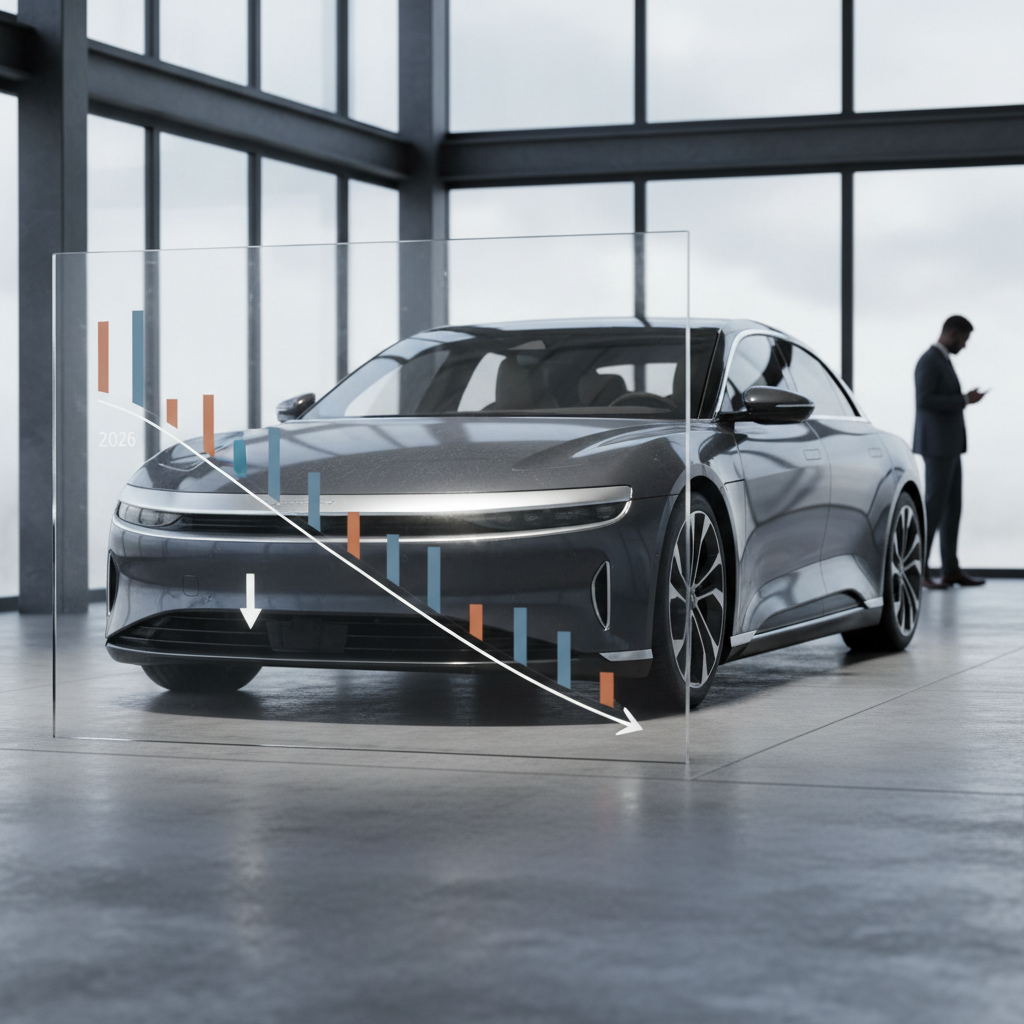
- Depreciation has been steep, so pricing can look like a “steal” but may reflect slower resale demand.
- Public fast‑charging is good but not best‑in‑class versus newer dedicated EV platforms.
- Because it’s rare, there’s less crowd‑sourced reliability data than for Teslas or mainstream EVs.
How Recharged can help
Key Genesis Electrified G80 Specs You Should Know
Genesis Electrified G80: At‑a‑Glance EV Stats
Core Specs: Genesis Electrified G80 (U.S.‑spec, typical)
Use this as a reference while you compare individual cars and window stickers. Exact numbers may vary slightly by market and wheel size.
| Category | Spec | What to look for as a buyer |
|---|---|---|
| Battery | ~87.2 kWh usable pack | Healthy capacity and realistic range estimates based on prior usage |
| Range | EPA ~282 miles | Check trip computer and recent owner use for real‑world range |
| Drivetrain | Dual‑motor AWD, ~365 hp, ~516 lb‑ft torque | Smooth, quiet operation; no shuddering or warning lights |
| Charging | Up to ~187–230 kW DC; 11 kW AC | Fast‑charge speed close to advertised on a warm battery |
| Onboard tech | Large infotainment screen, full ADAS suite | Confirm all driver‑assist features work (cruise, lane centering, etc.) |
| Body style | Midsize/large luxury sedan | Rear‑seat and trunk space meet your daily and road‑trip needs |
Always verify specs against the specific model year and equipment on the car you’re considering.
Step 1: Do Your Electrified G80 Homework
Before you set foot on a lot or send a deposit, spend some time understanding how the Electrified G80 fits your needs and how it stacks up against alternatives like the Tesla Model S, Mercedes EQE or BMW i5. Because this car is rare, lightly used examples can look like bargains, but only if the range, charging and warranty situation actually match your life.
Pre‑Shopping Research Checklist
1. Confirm model and trim
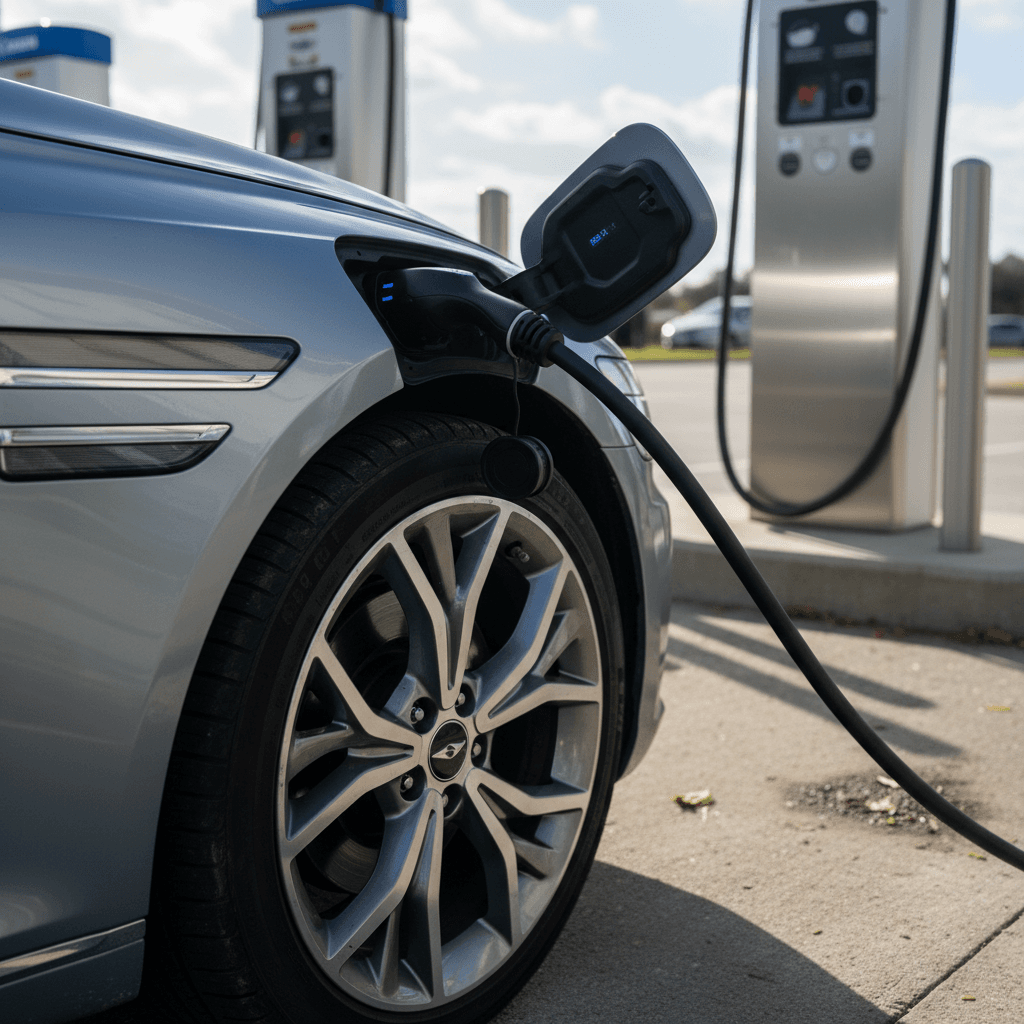
Genesis has gas G80s and the <strong>Electrified G80</strong> EV. Triple‑check that any listing you’re viewing is the electric version. Look for an EV‑specific charge port on the front fender and an 87.2 kWh battery listed in specs.
2. Understand your annual mileage
Estimate how many miles you drive per year and your longest regular trips. The Electrified G80’s ~282‑mile EPA range is great for daily use, but frequent 250‑mile winter highway trips might push its limits without careful charging plans.
3. Map your charging options
Check where you’ll charge most, home, workplace, or public. Use apps like PlugShare or ChargePoint to see DC fast‑charging near your usual routes and compare to the Electrified G80’s DC capability.
4. Compare against rival EVs
Price out similar‑age Tesla Model S, Mercedes EQE, BMW i5 and Genesis GV60/GV70 EVs. A good Electrified G80 deal should reflect its <strong>rarity, luxury and depreciation</strong> relative to those models.
5. Learn current warranty terms
Review Genesis warranty coverage for the original sale year, especially the high‑voltage battery (often around <strong>10 years/100,000 miles</strong> for EVs). If you’re buying used, confirm what transfers to you.
Watch out for mislisted cars
Step 2: Battery Health, Range & Charging Checklist
On any used EV, the battery pack is the single most important (and expensive) component. The Electrified G80’s large pack and modern thermal management mean degradation is usually modest, but previous fast‑charging habits, high‑mileage driving or extreme climates can all reduce usable range. Here’s how to evaluate a specific car.
Battery & Charging: What to Verify
Use this grid as a road‑map when you talk with the seller or inspect the car.
State of charge vs. estimated range
Ask the seller to share pictures of the dash with the battery at 80–100% charge and the estimated remaining miles.
- If the car shows ~260–280 miles near 100% in mild weather, that’s a good sign.
- Closer to ~220–230 miles at 100% might indicate heavier degradation or mostly highway use.
Fast‑charging behavior
When possible, have the seller plug into a DC fast charger during your test drive.
- The Electrified G80 should ramp quickly past 100 kW on a warm battery.
- Extremely slow speeds (e.g., stuck under 50 kW) may hint at battery or charging‑system issues, or a low‑power charger.
Charging history & habits
Ask how the previous owner charged:
- Mostly home Level 2 at 30–80% is ideal.
- Frequent 100% fast‑charges and long storage at full charge are less ideal.
Battery & Charging Checklist for the Electrified G80
1. Get an objective battery‑health report
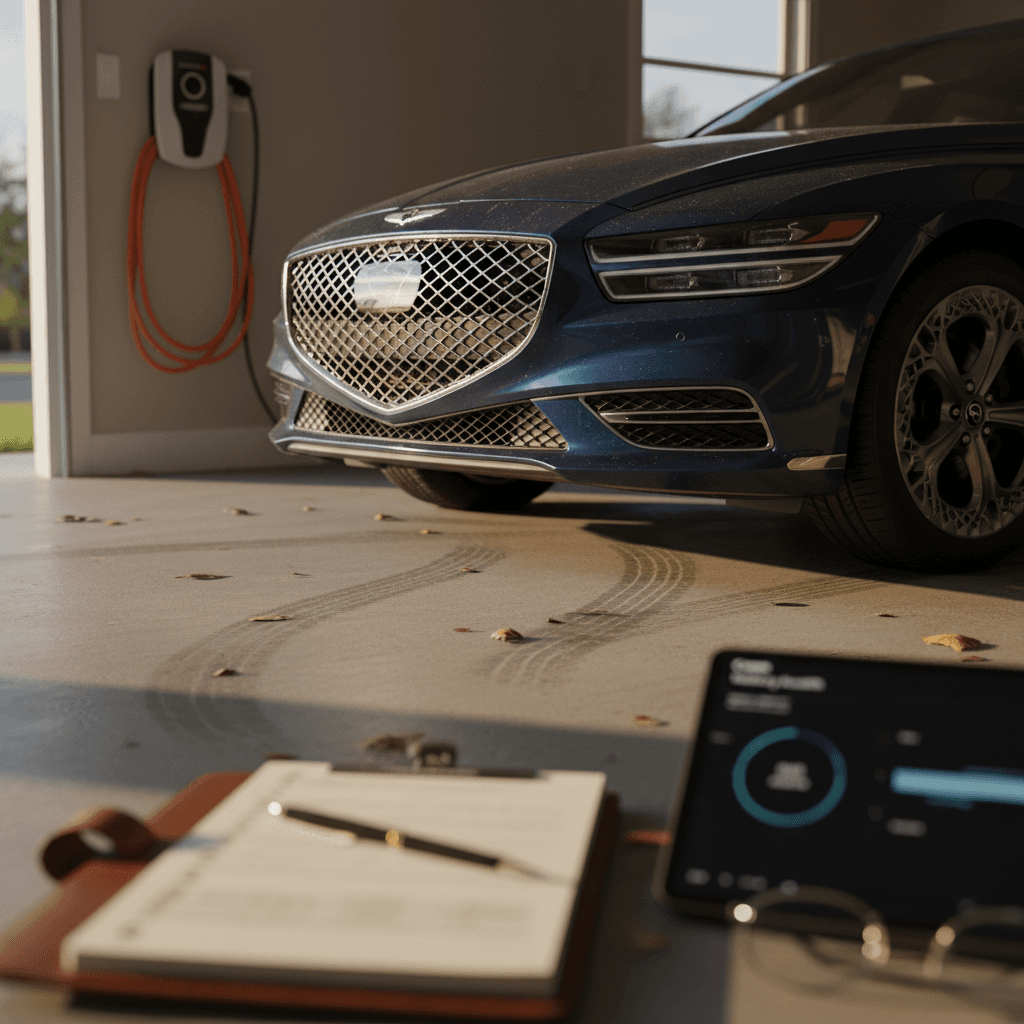
Whenever possible, get a <strong>third‑party battery health scan</strong> or a Recharged Score Report. These tools estimate remaining usable capacity, fast‑charging performance and any error codes the dash may not show.
2. Check for EV‑related warning lights
Turn the car on and look for persistent warnings related to the high‑voltage system, regenerative braking, or charging. Anything amber or red that doesn’t clear needs professional diagnosis before you buy.
3. Review DC fast‑charging receipts
If the seller has records from Electrify America, EVgo, or other networks, you can see typical charge times and energy added, helpful clues about how the pack has aged.
4. Inspect the charge port and cable
Look for broken pins, corrosion, cracked plastic or evidence of impact around the charge port. These are expensive parts and a damaged connector can cause intermittent charging issues.
5. Confirm included charging equipment
The Electrified G80 may come with a portable Level 1/2 EVSE or branded home charger offers. Make sure all cables and adapters are present and functional, or factor buying your own Level 2 charger into the budget.
How Recharged’s battery testing helps
Ready to find your next EV?
Browse VehiclesStep 3: In‑Person Inspection Checklist
Once the Electrified G80 passes your paper screening, it’s time for a detailed in‑person inspection. You’re looking for the usual used‑car issues, accident damage, uneven wear, low‑quality repairs, but also EV‑specific signs like underbody impacts near the battery tray.
Physical Inspection: What to Check
Use this table during your walk‑around and under‑hood inspection.
| Area | What to inspect | Red flags |
|---|---|---|
| Body & paint | Panel gaps, paint consistency, bumper alignment | Obvious overspray, mismatched colors, misaligned hood/trunk indicating prior damage |
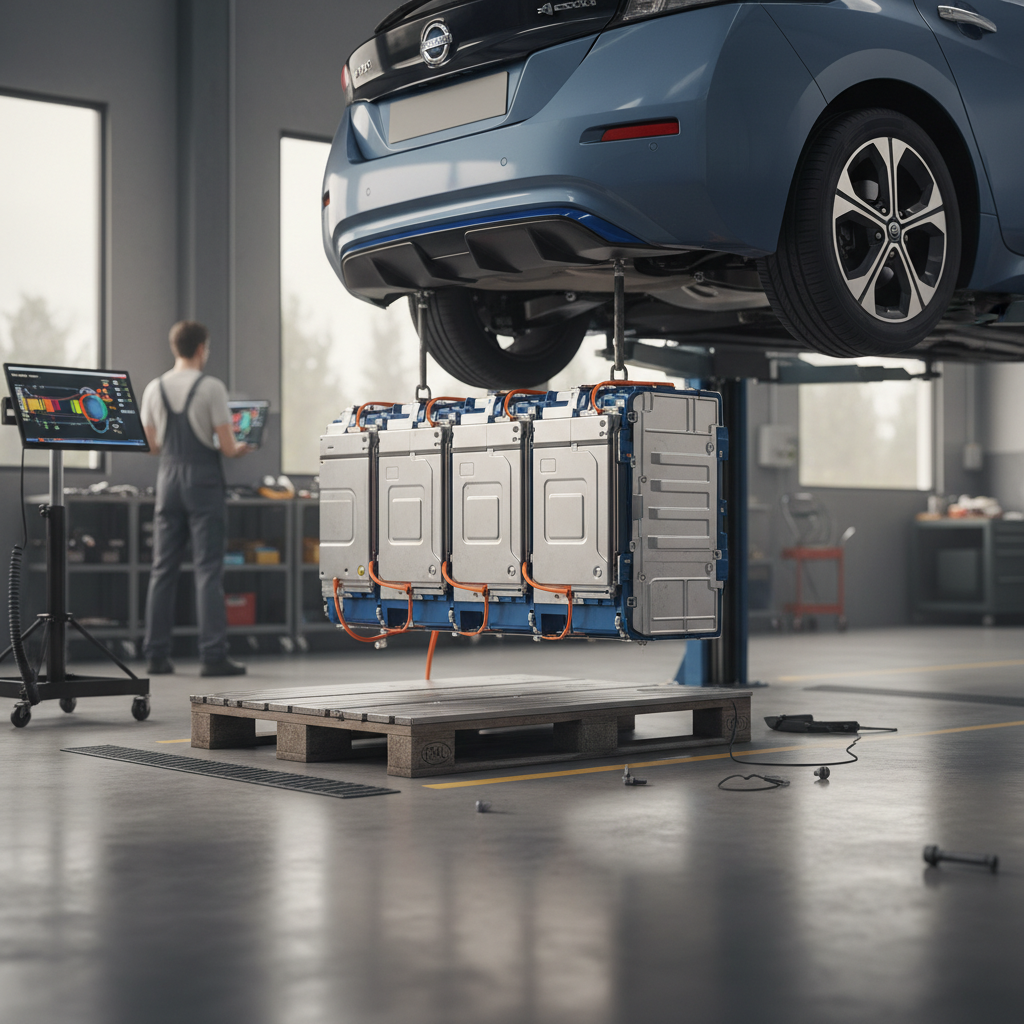
| Underbody & battery tray | Visible underbody, especially near the large central battery area | Dents, scrapes, or repairs near the battery enclosure; missing or broken aero panels |
| Wheels & tires | Even tread wear, date codes, sidewall condition | Cupping, inside‑edge wear (possible alignment/suspension issues), cheap mismatched tires on a luxury EV |
| Interior & controls | Seat wear, screen condition, switchgear, headliner | Burn‑in on displays, non‑functional buttons, unusual rattles in a low‑mile luxury sedan |
| Lights & glass | Headlights, taillights, windshield, sensors | Cracked housings or glass, condensation inside lights, damaged radar/lidar camera areas |
If you’re not comfortable evaluating these items yourself, a pre‑purchase inspection from a shop familiar with EVs is money well spent.
Battery tray damage is a deal‑breaker
Step 4: Test‑Drive Checklist for the Electrified G80
A test drive in an Electrified G80 should feel like a quiet, effortless luxury sedan experience. You’re listening and feeling for anything that breaks that impression: clunks, whines, harshness or inconsistent power delivery. Because there’s no engine noise to mask issues, subtle problems can actually be easier to hear in an EV.
Genesis Electrified G80 Test‑Drive Steps
1. Start with a cold start
Power the car on after it’s sat for a while. Watch for startup warnings, listen for any loud clicks or knocks from the battery contactors or suspension as air systems initialize.
2. Low‑speed neighborhood loop
At 20–35 mph on side streets, listen for suspension clunks over bumps and brake noises. Initial pedal feel should be smooth, with regenerative braking blending seamlessly with friction brakes.
3. Highway acceleration and merging
Accelerate hard up an on‑ramp. Power should be strong and linear with no hesitation. Check that the car tracks straight under acceleration and braking, and that lane‑keep and adaptive cruise engage cleanly.
4. Check regenerative braking modes
Cycle through regen levels and one‑pedal settings if available. The car should slow predictably with no grinding or jerking. Inconsistent behavior can point to software issues or brake component wear.
5. Cabin comfort & noise
On a smooth highway, the cabin should be exceptionally quiet for a luxury sedan. Excess wind noise, buzzing trim or tire roar may signal prior repairs, poor tires, or alignment problems.
6. Verify all tech features
While parked, test cameras, parking sensors, navigation, Bluetooth, heated/cooled seats, heated steering wheel, and all driver‑assist toggles. In a premium EV, non‑functional tech is expensive to fix.
Step 5: Warranty, Service History & Software
Because the Electrified G80 is relatively new and sold in small numbers, warranty and service history should be central to your decision. A clean maintenance record and intact battery warranty can turn a niche EV into a smart buy; spotty records and lapsed coverage can make it a gamble.
Warranty & History: Non‑Negotiables
Don’t skip these paperwork checks before signing anything.
Service records & recalls
- Ask for a complete service history printout from a Genesis retailer.
- Confirm all recalls and service campaigns are completed, especially EV‑related ones.
- Look for regular brake fluid, cabin filter, and software update visits.
Battery & EV‑system warranty
- Most Genesis EVs include a long high‑voltage battery warranty, often around 10 years/100,000 miles from first in‑service date.
- Verify in writing what remains and that the car hasn’t been branded salvage, which can void coverage.
Paper Trail Checklist
1. Title status and accidents
Pull a history report and verify the car isn’t salvage, rebuilt, or lemon buyback. Multiple accident entries or structural damage reports are big red flags, especially near the front (where the charge port and crash structure sit).
2. In‑service date and warranty start
Genesis warranty clocks typically start when the car is first sold or put into service. A 2023 model sold in mid‑2024 may have more coverage left than you’d expect, confirm the exact start date on paper.
3. Software update history
Ask the seller or dealer if major software updates have been installed, especially for battery management, infotainment and driver‑assist systems. Newer calibrations can improve range estimates, charging behavior and safety‑system performance.
4. Open recalls or campaigns
Have a Genesis retailer run the VIN for any open recalls. Get these resolved before or as a condition of sale so you’re not chasing appointments later.
How a Recharged Score simplifies this step
Step 6: Pricing, Incentives & Total Cost of Ownership
The Electrified G80 launched with pricing in line with other mid‑to‑upper luxury sedans, but its used values have dropped faster than some rivals. That’s partly because of low awareness and the usual pressures on used EV pricing. For you, that can mean a lot of luxury per dollar, as long as you buy at the right number.
How to sanity‑check the asking price
- Compare to similar‑year Tesla Model S, Mercedes EQE and BMW i5 with similar mileage.
- Look at nationwide listings for Electrified G80s to understand the real transaction range, not just one dealer’s wish price.
- Factor in remaining battery and bumper‑to‑bumper warranty; cars with more coverage reasonably command a premium.
Because this model sold in small numbers, automated pricing tools may struggle. Human judgment, plus EV‑specific data, matters here.
Don’t forget operating costs
- Electricity vs. gas: A large luxury EV can still cost far less per mile than a gas G80, especially if you charge at home on off‑peak rates.
- Insurance: Quotes may be higher than for a mainstream EV because of parts cost and limited repair network, shop around.
- Maintenance: No oil changes, but budget for tires, brake fluid, and potential out‑of‑warranty electronics repairs down the line.
Where Recharged fits into pricing
Step 7: Make Sure Charging Fits Your Life
Even the best luxury EV is a bad fit if you can’t charge conveniently. The Electrified G80 is happiest when it can sip Level 2 power overnight and occasionally hit high‑power DC fast chargers on road trips. Before you sign, stress‑test how it will work with your home, workplace and travel patterns.
Charging Fit Checklist
Think through these scenarios before you buy.
Home charging
Do you have access to a 240V outlet or can you install one?
- Best case: a dedicated Level 2 charger in your garage or driveway.
- Acceptable: reliable shared charger in your building.
- Risky: relying solely on public DC fast charging long‑term.
Work & daily driving
Look at your commute and weekly routine:
- Regular drives under 60–80 miles round‑trip are easy.
- If you stack long days (150+ miles), plan access to workplace or midday charging.
Road‑trips & travel
Open your favorite charging app and plan a typical road trip.
- Are there reliable high‑power stations every 80–120 miles?
- Comfort with 25–40 minute charging stops is key on this type of EV.
Need help planning charging?
Genesis Electrified G80 Buying FAQ
Frequently Asked Questions About Buying a Used Electrified G80
Bottom Line: Who the Electrified G80 Is Right For
The Genesis Electrified G80 is a quietly excellent used EV: big‑battery range, dual‑motor punch, and a cabin that feels every bit like a modern flagship sedan. Its discontinuation and low sales volume can actually work in your favor, delivering serious luxury and performance for less than many rivals, provided you buy with your eyes open.
Work methodically through this Genesis Electrified G80 buying checklist: confirm you’re looking at the true EV model, verify battery health and warranty, inspect the body and underbody carefully, and stress‑test how its range and charging will fit your real life. If the car clears those hurdles and the price reflects its niche status, you’ll have a distinctive, capable electric sedan that stands apart from the usual suspects.
If you’d rather not navigate that process alone, consider shopping through Recharged. Every vehicle comes with a Recharged Score Report, EV‑savvy financing options, nationwide delivery and support from specialists who live and breathe used electric vehicles, including under‑the‑radar models like the Genesis Electrified G80.