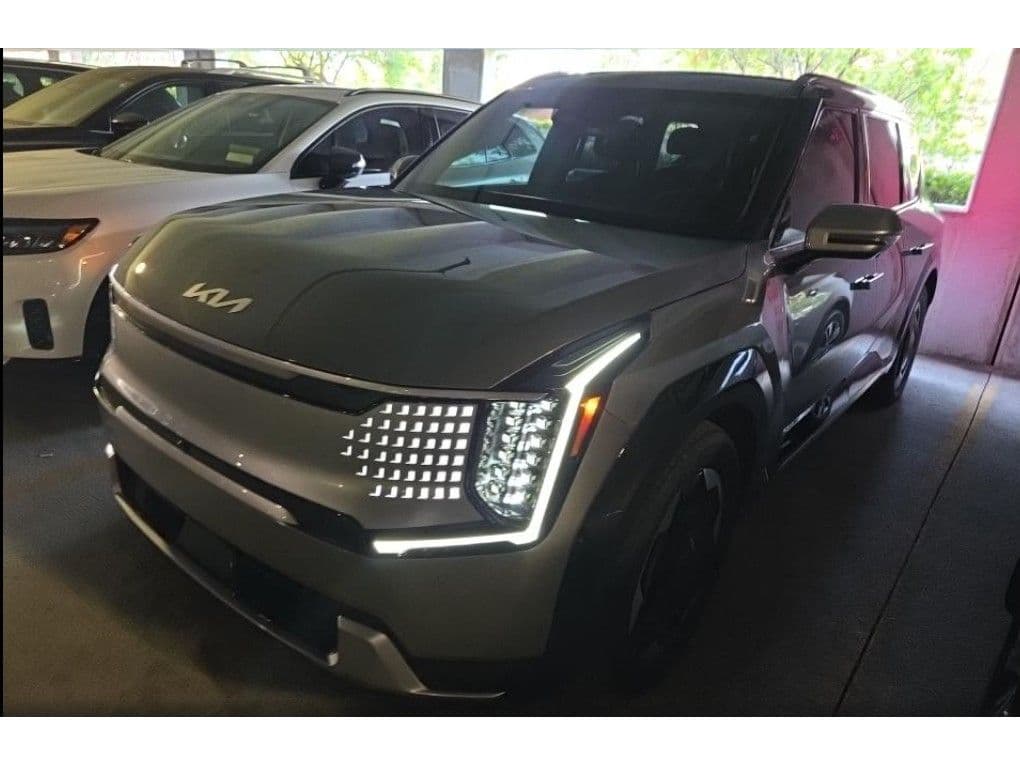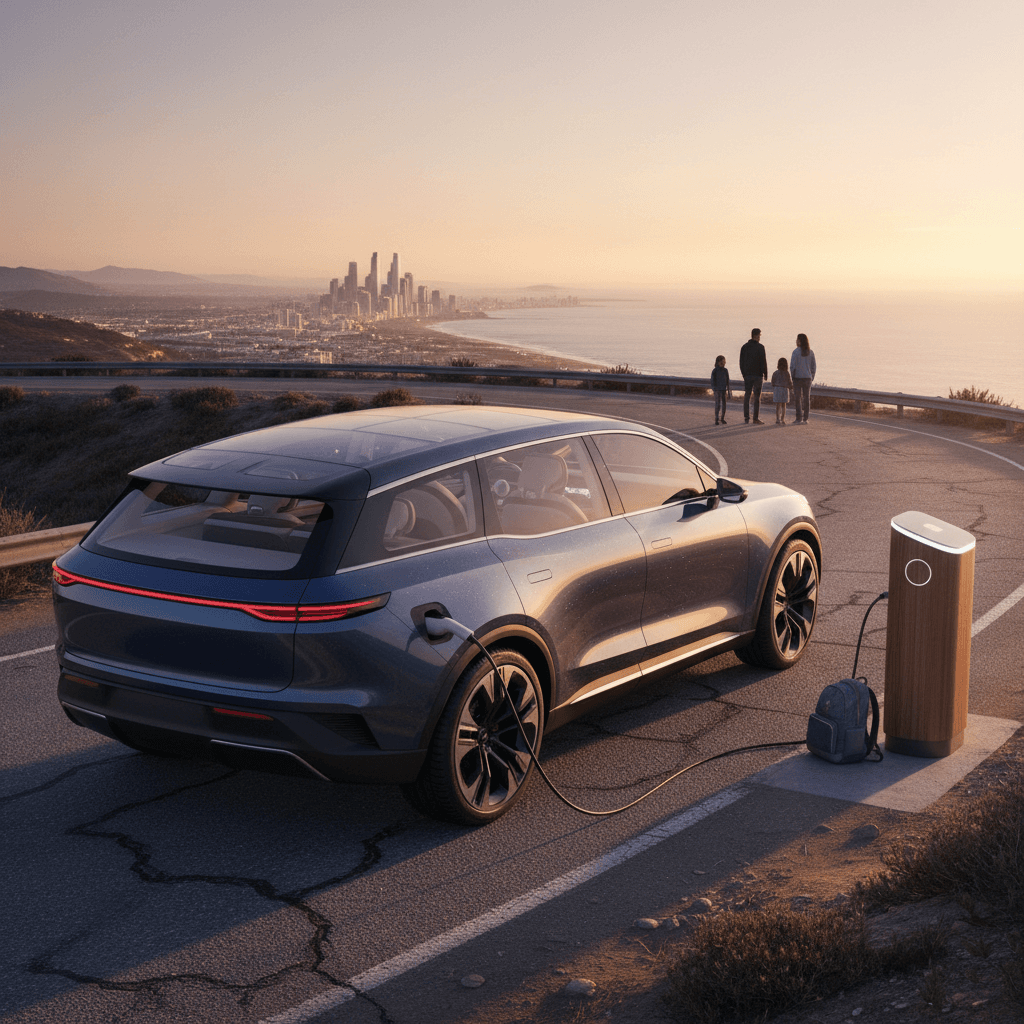
If you’re shopping for a Kia EV9, you’re not just buying a new SUV, you’re buying one of the first mainstream three‑row electric family haulers on the market. That’s exciting, but it also means you need a clear, EV‑specific Kia EV9 buying checklist so you don’t overlook range, charging, or battery health while you’re comparing colors and captains’ chairs.
Big picture: what makes the EV9 special
Why the Kia EV9 deserves a specific buying checklist
Traditional SUV checklists focus on cargo space, seat comfort, and towing. Those all matter with the EV9, but you’re also juggling battery size vs. price, real‑world range, home and public charging options, and how long you plan to keep the vehicle. On top of that, the EV9 launched with multiple trims, two battery sizes, and rapidly changing incentives and charging options, including access to Tesla’s Supercharger network via a NACS adapter.
Kia EV9 at a glance
How to use this checklist
Step 1: Define how you’ll use your Kia EV9
Daily family duty
If most of your driving is school runs, commuting, and errands under 60–80 miles a day, every EV9 trim can handle that with overnight Level 2 charging at home.
- Prioritize comfort features and driver‑assist tech.
- Range is important, but max range may not be critical.
Road‑trip and towing duty
If you regularly drive 200+ miles in a day or plan to tow, you’ll want the larger battery and the most efficient trim you can afford.
- Map your typical routes and charging stops in advance.
- Look for trims with highway‑friendly driver‑assistance packages.
Step 1 checklist: answer these before you shop
1. How many miles do you drive on a typical day?
Estimate your normal weekday mileage and your longest regular round‑trip. This will tell you whether you truly need the long‑range battery or can step down a trim and save money.
2. How often will you carry all three rows of passengers?
If third‑row use is rare, you can prioritize cargo with the third row folded. If it’s frequent, pay extra attention to third‑row comfort and access during your test drive.
3. Will you tow with your EV9?
The EV9 can tow up to around 5,000 lbs when properly equipped. If you plan to tow regularly, you’ll want all‑wheel drive and the larger battery for both power and range headroom.
4. Where will you charge most of the time?
If you can install a 240‑volt Level 2 charger at home, daily life with an EV9 is easy. If you rely on public charging or shared parking, plan around local charging options and costs.
Step 2: Choose the right Kia EV9 trim and battery
The EV9 launched with a straightforward but important choice: smaller battery, lower price vs. larger battery, more range and performance. Most trims pair the larger pack with either rear‑wheel drive or dual‑motor all‑wheel drive.
Kia EV9 trims: simplified comparison
Exact pricing and equipment change over time. Use this table as a directional guide and confirm details for the specific model year you’re shopping.
| Trim | Drive | Battery | Approx. EPA range | Typical buyer fit |
|---|---|---|---|---|
| Light | RWD | 76.1 kWh | ~230 mi | Best price; suited to shorter commutes and strong home charging access. |
| Light Long Range | RWD | 99.8 kWh | Up to ~300–304 mi | Max range with simpler RWD; great for long‑distance drivers. |
| Wind | AWD | 99.8 kWh | ~280 mi | All‑weather traction and strong range; good family all‑rounder. |
| Land | AWD | 99.8 kWh | ~280 mi | More luxury features and tech for families who want an upscale feel. |
| GT‑Line | AWD | 99.8 kWh | ~270 mi | Quickest and most feature‑rich; sacrifices a bit of range for performance and equipment. |
Range figures are approximate EPA estimates; options and wheels can change them slightly.
Don’t buy more EV than you need
- Confirm which trims and battery sizes are available for the model year you’re considering, lineups and names can evolve.
- If you’re browsing used EV9s, compare original MSRP vs. current used pricing to understand depreciation and value.
- Remember that bigger wheels and extra options can slightly reduce real‑world range compared with the EPA label.
Step 3: Range and charging checklist
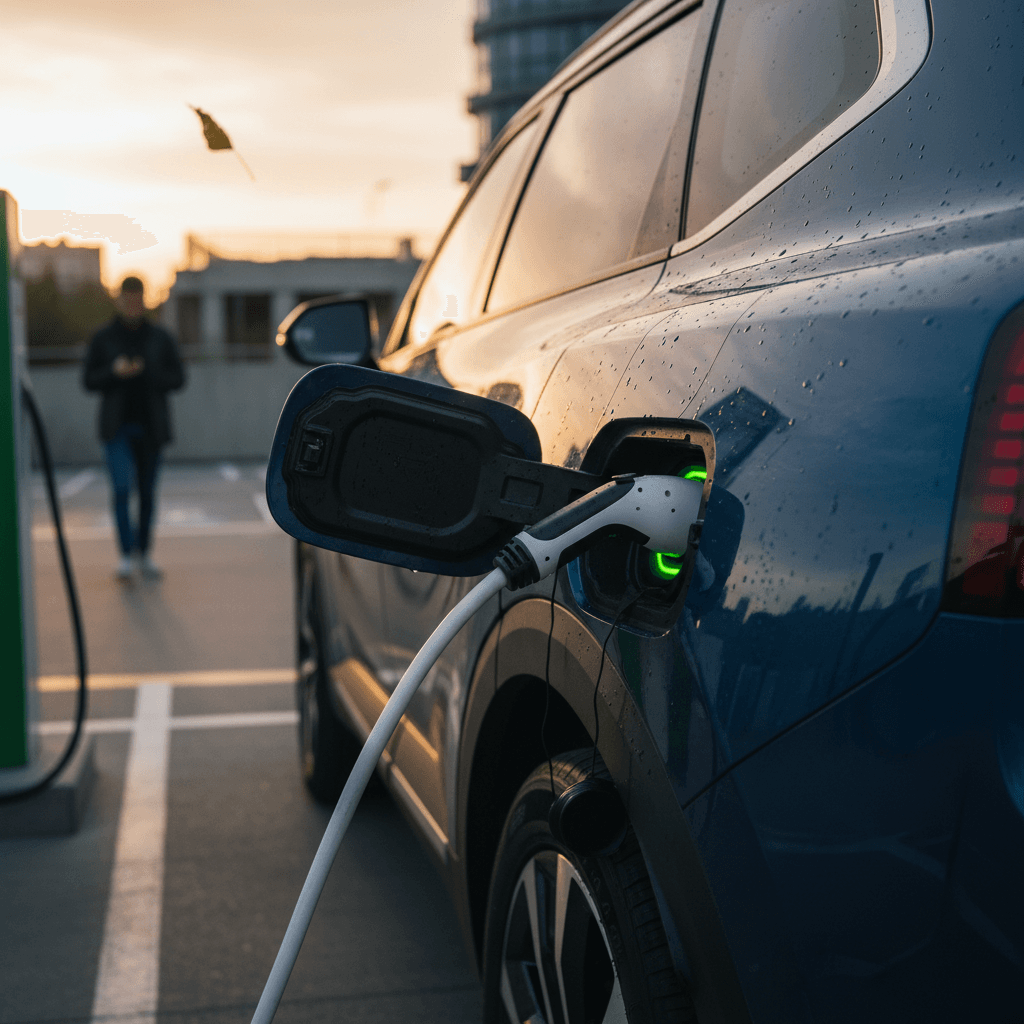
Range and charging are where EV9 ownership either feels effortless or frustrating. The good news: the EV9 rides on Kia’s 800‑volt E‑GMP platform, which supports very fast DC charging and solid AC home charging. The key is matching its capabilities to your daily life.
Range & charging: what to verify
Use these points as a mini‑checklist when you’re comparing EV9s or test‑driving.
Real‑world range fit
Compare the trim’s EPA range to:
- Your longest regular day.
- Cold‑weather driving if you live in a harsh climate.
- Extra load from passengers, cargo, or towing.
Home charging plan
Ideally you’ll have a 240V Level 2 charger:
- Target at least 40A circuit if possible.
- Confirm where the EV9’s charge port sits (rear right) and plan cable routing.
Public charging & Superchargers
Map nearby CCS fast chargers and, if you have the proper adapter, Tesla Superchargers.
Check pricing, idle fees, and whether stations along your regular routes are reliable.
Step 3 checklist: questions to ask
1. How fast can this EV9 charge at home?
Ask what onboard AC charging rate the specific EV9 supports (around 11 kW on most models) and whether the previous owner used Level 1 (120V) or Level 2 (240V). Frequent DC fast charging and almost no home Level 2 use can mean harder battery life.
2. What DC fast‑charging speeds can I expect?
Kia quotes roughly 10–80% in about 20–25 minutes on a high‑power DC charger. In the real world, station quality, temperature, and state of charge all matter, don’t expect peak speeds every session.
3. Does this EV9 include a portable charger or adapters?
New EV9s often ship with a portable Level 1/2 EVSE and, in some cases, promotions like public‑charging credits. On a used EV9, verify that the portable charger and any adapters are present and in good condition.
4. What’s my plan for cold‑weather range?
Range drops noticeably in winter. Look for EV9s equipped with a heat pump and heated seats/steering wheel, and plan more conservative range assumptions in very low temperatures.
Cold‑weather shortcut
Step 4: Space, comfort, and family features
A big reason to buy an EV9 instead of a smaller EV is its three‑row interior. But three rows on paper don’t always translate to real‑world comfort. This is where a focused checklist pays off, especially if you’re cross‑shopping with a Kia Telluride or other gas SUVs.
Cabin & cargo: must‑check items
Bring the whole family to your test drive if you can.
Seating and access
- Climb into the third row yourself, check knee room, headroom, and thigh support.
- Test how easily second‑row seats slide and fold to let passengers into the third row.
- Verify child‑seat fit: LATCH anchor locations, rear‑facing clearance, and door opening size.
Cargo and practicality
- Open and close the tailgate several times; check height for your garage.
- Fold the third row and see if strollers, sports gear, or luggage fit the way you expect.
- Look for under‑floor storage and any included cargo covers or mats.
Family‑friendly features worth paying for
Step 5: Safety tech and driver assistance
Modern EVs like the EV9 bundle a lot of safety and driver‑assist tech, from basic automatic emergency braking to sophisticated highway assist systems. Not all trims include the same hardware or software, and some features may have been added later via over‑the‑air updates.
- Confirm that basic driver aids (automatic emergency braking, blind‑spot monitoring, lane‑keeping assist) are working properly on your test drive.
- If the EV9 has highway driving assist or lane‑centering, try it on a familiar highway and make sure its behavior feels natural to you.
- Check for 360° cameras, parking sensors, and rear cross‑traffic alert, especially helpful in a large three‑row SUV.
- Ask whether the vehicle has received all recommended software updates; these can improve safety performance and add features over time.
Warning on windshield and sensor repairs
Step 6: Warranty, battery health, and used EV9s
Battery health is the heart of any EV purchase. Kia typically backs the EV9’s high‑voltage battery with a long warranty period, but you still want to understand how the specific vehicle was used and how much capacity remains.
What to verify on a new EV9
- Exact high‑voltage battery warranty terms (years and mileage) for your model year.
- Coverage details for drive units, onboard charger, and high‑voltage components.
- Roadside assistance coverage and any included charging credits.
What to verify on a used EV9
- Remaining factory battery and bumper‑to‑bumper warranty based on in‑service date and miles.
- Charging history if available: heavy DC fast‑charging use, ride‑share/commercial duty, or frequent 100% charges can age a pack faster.
- Any warning lights or error messages related to battery or charging.
How Recharged helps with EV9 battery health
Step 6 checklist: battery & warranty
1. Confirm in‑service date and warranty end date
Ask for documentation showing when the EV9 was first put into service. This determines how much of the original battery and comprehensive warranty you have left.
2. Get an objective battery health reading
If you’re buying used, don’t rely solely on the dashboard range estimate. Ask for a third‑party battery health report, like the Recharged Score, or have an EV specialist evaluate the pack.
3. Review charging behavior with the seller
Ask the prior owner or dealer how the EV9 was typically charged. Frequent fast charging from very low states of charge to 100% is harder on the battery than moderate home charging with an 80–90% cap.
4. Check for open recalls or software campaigns
Have a Kia dealer or qualified shop run the VIN for recalls or software updates related to the battery, charging system, or safety features, and confirm that any required work has been completed.
Step 7: Pricing, incentives, and total cost of ownership
Because the EV9 is a relatively new model, pricing has moved quickly as incentives change and the broader EV market shifts. New‑car MSRPs, used values, and financing terms can all look very different from one quarter to the next, especially as federal tax credits and state programs evolve.
Cost factors to weigh
Step 7 checklist: financial questions
1. What’s the out‑the‑door price or monthly payment?
Compare total cost including destination, dealer fees, taxes, and any add‑ons. If you’re financing, compare APRs and term lengths, not just monthly payment.
2. Are there current rebates or EV‑specific programs?
Even with changing federal policy, some states, utilities, and local programs offer rebates or discounted rates for EV buyers or home‑charger installation. Ask your dealer and utility, and check reputable online resources.
3. How does this compare to a used EV9?
Cross‑shop a similarly equipped used EV9 with verified battery health. A lightly used model can offer much lower depreciation hit with nearly the same experience.
4. Have I budgeted for home charging?
Get quotes for a 240‑volt circuit and Level 2 charger installation if you don’t already have one. Factor that into your total EV budget.
5. Should I pre‑qualify for financing?
Pre‑qualification with no impact on credit can clarify your budget and give you leverage with sellers. Recharged offers EV‑friendly financing options tailored to used electric vehicles.
Step 8: Test drive and inspection checklist
The test drive is where you confirm that the specific EV9 you’re considering matches your expectations on paper. With EVs, focus not just on acceleration but also on refinement, software behavior, and how naturally the regenerative braking feels.
On‑the‑lot & test‑drive checklist
1. Exterior and wheels
Walk around the EV9 and look for mismatched paint, uneven panel gaps, or wheel damage. Check tires for even wear and adequate tread; large, low‑profile wheels are more prone to curb rash and can impact ride comfort.
2. Start‑up and screens
Power up the EV9 and look for warning lights. Test the central touchscreen and digital gauge cluster. Make sure navigation, Bluetooth, and EV‑specific screens (range estimates, charging controls, drive modes) behave normally.
3. Drive modes and regen
Try multiple drive modes (Eco, Normal, Sport) and adjust regenerative braking if available. The EV9 should feel smooth coming to a stop, without abrupt or unpredictable braking behavior.
4. Highway manners
Take the EV9 on a highway if possible. Listen for wind and road noise, test lane‑keeping and adaptive cruise if equipped, and make lane changes to confirm confidence and stability at speed.
5. Charging test (if possible)
If the seller allows, plug into a Level 2 or DC fast charger briefly to ensure the vehicle connects, negotiates charging, and shows reasonable charging speeds with no error messages.
6. Professional inspection for used EV9s
For a used EV9, consider an independent EV‑specialist inspection that includes battery health, high‑voltage system checks, and software status. Vehicles sold through Recharged are already evaluated with a Recharged Score Report so you can see this data upfront.
Kia EV9 buying checklist: FAQ
Frequently asked questions about buying a Kia EV9
The Kia EV9 is one of the most compelling three‑row electric SUVs available, but that doesn’t mean every EV9 on the market is the right one for you. By working through this Kia EV9 buying checklist, use case, trim and battery, range and charging, family features, safety tech, battery health, pricing, and a thorough test drive, you dramatically increase your odds of ending up with an SUV that fits your life for years to come.
If you’re leaning toward a used EV9 or another pre‑owned electric SUV, consider shopping with a specialist. Recharged combines verified battery health reports, fair market pricing, EV‑savvy financing, and nationwide delivery to make used EV buying more transparent and less stressful. However you choose to shop, bring this checklist with you, you’ll be a more confident, better‑informed EV buyer because of it.