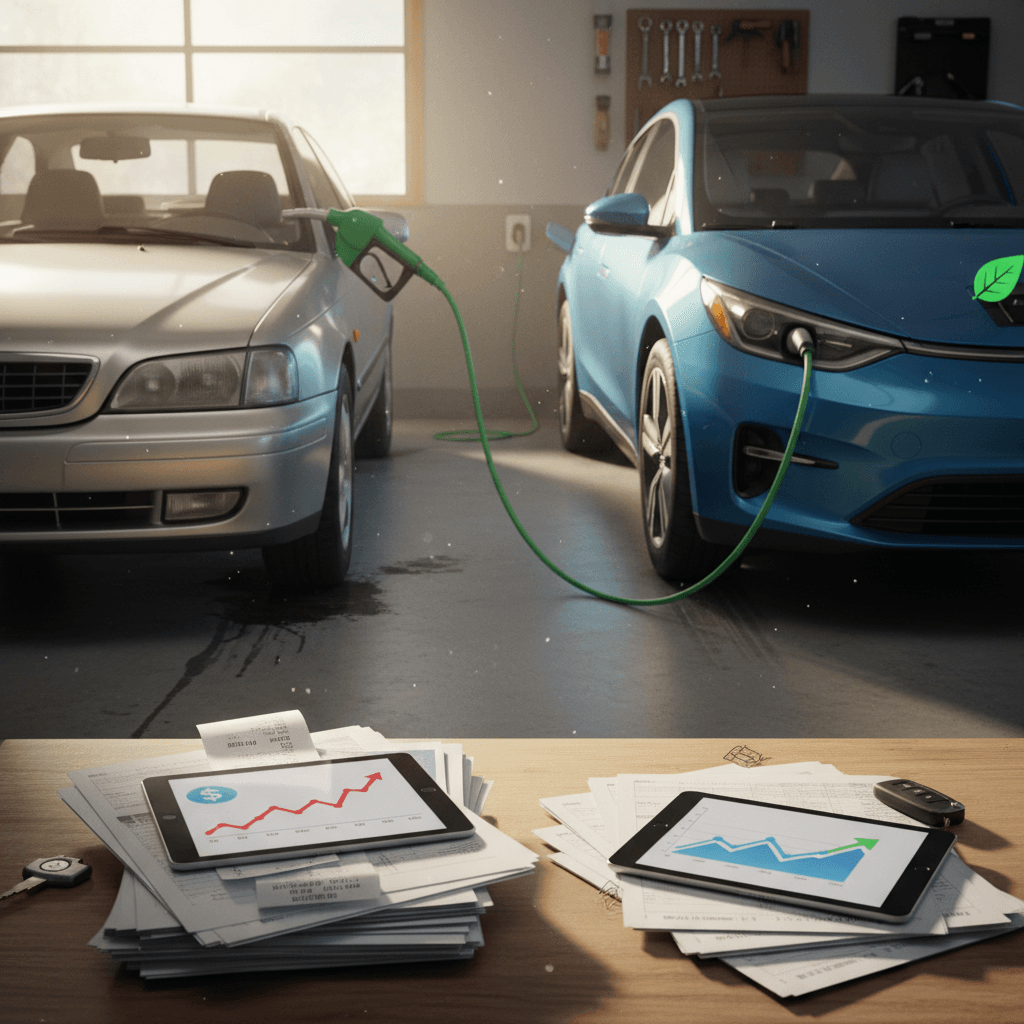
Trying to decide between a gas car and an electric car is tough until you put real numbers on the table. This 5‑year cost comparison of a gas car vs an electric car walks you line by line through purchase price, fuel, maintenance, insurance, and resale value so you can see what owning each actually costs, not just what the sticker says.
Why 5 years matters
How to read this 5‑year cost comparison
You’ll see two main things in this guide: a **simple 5‑year cost summary** of a typical compact gas car versus a comparable electric car, and then a deeper dive into what drives those numbers. We’ll focus on **total cost of ownership (TCO)**, what actually leaves your bank account while you own the car.
- First, we show an at‑a‑glance 5‑year cost comparison for a new gas car vs a new EV.
- Next, we explain each cost bucket: purchase price, fuel/electricity, maintenance, insurance, and depreciation.
- Then we show how the picture changes with a **used EV** and how battery health fits in.
- Finally, you’ll get a quick checklist to decide if an EV makes financial sense for your situation.
Quick orientation
5‑year cost summary: EV vs gas at a glance
Sample 5‑year total cost of ownership (U.S. averages)
Those aren’t hard promises, they’re **directional, realistic examples**. In some states with cheap electricity and expensive gasoline, the EV can save far more. In others with very low gas prices or high electricity rates, the gap narrows. What matters is how each cost category behaves.

Assumptions behind the numbers
To make a fair gas car vs electric car 5‑year cost comparison, we need to hold some basics constant. Adjust these assumptions in your head as you go to better match your own situation.
Baseline assumptions for 5‑year cost comparison
Use this as a reference while you look at the example numbers. Changing any of these, especially annual miles and your local energy prices, will move the results.
| Factor | Value used in examples | Why it matters |
|---|---|---|
| Ownership period | 5 years | Captures most of the depreciation and big-ticket maintenance. |
| Annual mileage | 12,000 miles | Close to the U.S. average; more miles amplify EV savings. |
| Gas price | $3.50/gal | You may pay more or less; adjust fuel math accordingly. |
| Electricity price | $0.15/kWh home average | If you pay more than this, home charging savings shrink. |
| Vehicle class | Compact/crossover | Think Corolla/Civic vs Kona/Leaf/Bolt sized vehicles. |
| Purchase type | Mostly new; one used EV scenario | New cars show incentives clearly; used EV shows battery health impact. |
You don’t have to match these assumptions exactly, but know where you differ so you can mentally tweak the outcome.
Your local math may differ
Purchase price and incentives (Year 0)
The biggest objection to EVs is almost always **sticker price**. On paper, a comparable new electric car frequently costs more than a gas version. Incentives, however, can erase a large part of that difference on Day 1.
Typical new compact gas car
- MSRP: Around $26,000–$28,000.
- Out‑the‑door price: Roughly $29,000 after taxes and fees.
- Financing: Many buyers put 10% down and finance the rest.
Gas models often have more incentives from dealers, but fewer government rebates.
Typical new compact electric car
- MSRP: Around $32,000–$36,000 before incentives.
- Potential federal tax credit: Up to several thousand dollars on eligible models and buyers.
- State/local incentives: Additional rebates or tax credits in some states.
Once you stack incentives, the effective purchase price gap can shrink dramatically, and for some models, nearly disappear.
Don’t forget used EV pricing
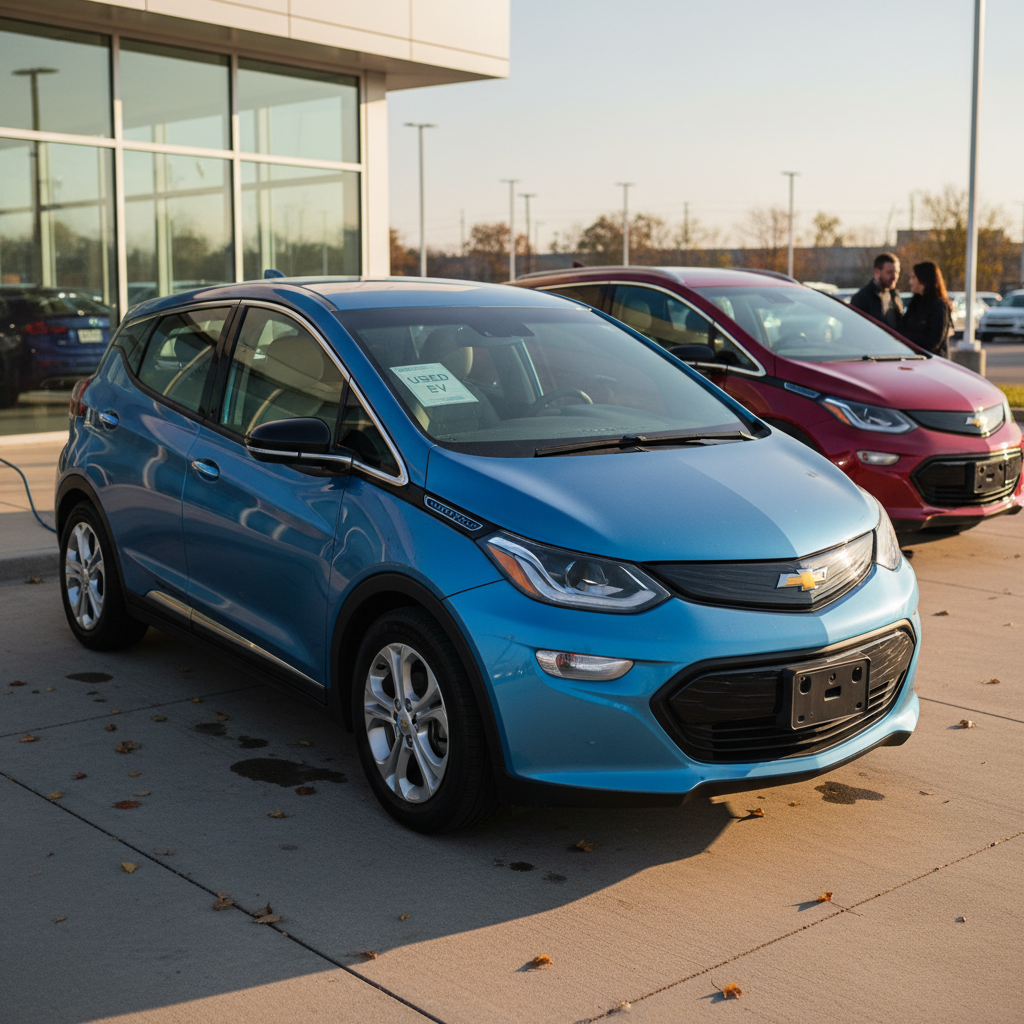
If you’re shopping used, this is where a tool like the **Recharged Score** becomes critical. It combines **battery health diagnostics**, pricing data, and condition information so you can see whether the discount you’re getting aligns with the true remaining life of that EV.
Fuel vs electricity costs over 5 years
Fuel is where EVs usually earn their keep. To keep things concrete, imagine you drive 12,000 miles per year for 5 years, 60,000 miles total.
Example 5‑year fuel vs electricity costs
Illustrative comparison for a reasonably efficient compact gas car and a comparable EV, using the baseline assumptions above.
| Vehicle type | Efficiency assumption | Energy price | Annual energy cost | 5‑year total |
|---|---|---|---|---|
| Gas car | 32 mpg combined | $3.50/gal | ~$1,315 | ~$6,575 |
| Electric car | 28 kWh/100 mi | $0.15/kWh home charging | ~$504 | ~$2,520 |
Even with conservative assumptions, the EV’s “fuel” bill typically lands thousands of dollars lower over a 5‑year span.
What about public fast charging?
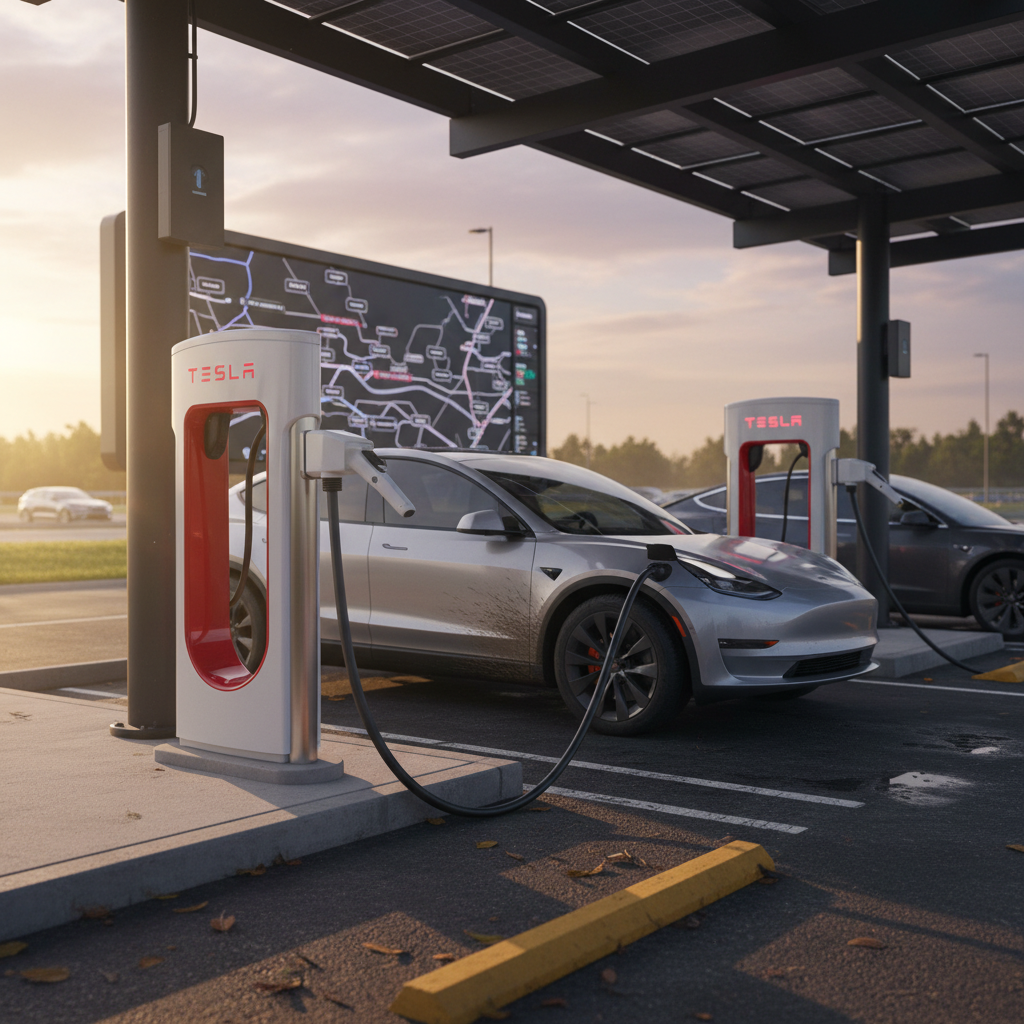
For many suburban drivers with a garage or driveway, **80–90% of charging happens at home**. If that’s you, the EV’s fuel savings are both predictable and substantial. If you rely on public charging, think of the EV’s fuel advantage as more of a cushion than a guarantee.
Maintenance and repairs: where EVs shine
Internal‑combustion engines are marvels of engineering, and a small army of moving parts and fluids. Electric cars strip much of that away. Over 5 years, it shows up in the maintenance column.
Key maintenance differences over 5 years
Same 60,000 miles driven; very different service calendars.
Oil & fluids
Gas car: Oil changes 2–3 times per year, transmission fluid service, coolant flushes.
EV: No engine oil, far fewer fluid services.
Wear items
Gas car: Belts, spark plugs, exhaust components can need attention as the miles add up.
EV: No exhaust, no spark plugs, regenerative braking usually stretches brake life.
Typical 5‑year spend
Real‑world data often shows **hundreds to a couple thousand dollars less** in maintenance costs for EVs over 5 years, especially as gas cars age into higher‑mileage services.
EV maintenance sweet spot
The major caveat, of course, is the **high cost of an out‑of‑warranty battery pack**. The good news: within a 5‑year window, especially if you’re buying a relatively recent model with a strong battery, catastrophic battery failures are uncommon. That’s also where knowing the verified battery health on a used EV (via a Recharged Score report) takes a lot of anxiety off the table.
Insurance, taxes, and fees
Insurance is one of the quieter lines in the 5‑year cost calculation, but it adds up. EVs sometimes cost a bit more to insure than comparable gas cars because of higher repair costs for certain components and more expensive hardware. On the other hand, many EVs come loaded with advanced safety tech, which can help offset those premiums.
Insurance costs
- Gas car: Typically a baseline premium for your vehicle class.
- Electric car: May run modestly higher in some markets, though the gap is shrinking as more EVs hit the road.
For many drivers, the **difference is measured in tens of dollars per month**, not hundreds, often overshadowed by fuel savings.
Taxes and registration
- Some states add EV registration fees to make up for lost gas tax revenue.
- Other regions offer **reduced registration fees** or tax breaks for EVs.
Over 5 years, these policy quirks usually move your total cost by a few hundred dollars one way or the other, not thousands.
Check your state’s EV fees
Depreciation and 5‑year resale value
Depreciation, the value your car loses as it ages, is usually **the single biggest cost of owning any vehicle**, gas or electric. For EVs, depreciation has been a moving target as technology and incentives evolve, but some patterns are clear.
How gas vs EV depreciation hits your wallet
Same 5‑year window, different shapes to the curve.
Gas car depreciation
New gas car: Often loses 40–50% of its value in the first 5 years.
Used buyer’s view: You’re protected from the sharpest drop if you buy at 3–5 years old.
EV depreciation
New EV: Early EVs saw steep drops due to tech improvements and incentives.
Today: As EVs mature and more buyers understand them, resale values have been stabilizing, especially for models with good range and strong battery records.
For a 5‑year owner buying new, EVs and gas cars can both lose a similar **percentage** of their value. The twist is that EVs can start higher but then **hold more value** if they have a larger battery, good real‑world range, and documented battery health. On the used side, a clean, verified‑battery EV can be a bargain that still has plenty of useful life left.
Use battery health to protect resale
Scenario comparison: new vs used EV vs gas
Let’s pull the threads together with three simple scenarios, all over 5 years and 60,000 miles. These aren’t exact quotes, but realistic ballparks to help you think about directionally what to expect.
Illustrative 5‑year cost scenarios
Numbers rounded for clarity; your exact totals will depend on specific model, incentives, and local energy prices.
| Scenario | Upfront cost | 5‑year fuel/energy | 5‑year maintenance | Estimated 5‑year depreciation | Approx. 5‑year total |
|---|---|---|---|---|---|
| New compact gas car | $$$ (baseline) | $$$$ | $$$ | $$$$ | Highest |
| New compact EV (with incentives) | $$$$ (a bit higher net) | $$ | $$ | $$$$ | Slightly lower than new gas |
| 3‑ to 4‑year‑old used EV | $$ (discounted) | $$ | $$ | $$$ | Often the lowest of the three |
Used EVs often hit the sweet spot: low running costs plus a big discount off new‑car prices, especially when battery health is verified.
Why the used EV often wins
How battery health changes the math
Battery health is the wildcard in any **gas car vs electric car 5‑year cost comparison**, especially for used EVs. A healthy pack means predictable range and no looming five‑figure repair. A tired pack can turn a cheap EV into a bad deal.
- Most modern EVs lose some range in the first few years, then degrade more slowly.
- A car that has fast‑charged heavily or lived in extreme heat may show more battery wear.
- Replacing a high‑voltage battery outside warranty can cost as much as a decent used car.
Never buy a used EV blind
With verified battery data in hand, you can treat the EV’s pack more like any other long‑life component: you know how much life is likely left, you know the range you’re really buying, and you can price the car accordingly.
Checklist: can an EV save you money?
If you don’t want to build a full spreadsheet, walk through this checklist. The more boxes you tick, the more likely an EV is to beat a comparable gas car over 5 years.
5‑year EV savings self‑check
You drive at least 10,000 miles per year
The more you drive, the more chances your lower‑cost electricity has to undercut gasoline. High‑mileage commuters almost always see the strongest EV advantage.
You can charge at home most nights
A garage or driveway with access to a regular outlet, or, better, a Level 2 charger, lets you tap cheaper home electricity instead of relying on pricier public fast charging.
Your local electricity rate is reasonable
If your home rate is somewhere near the national average, your cost per mile in an EV is likely to be meaningfully lower than in a comparable gas car.
You plan to keep the car 5+ years
The up‑front premium (if any) gets spread over time, while fuel and maintenance savings stack every month you own the car.
You’re open to a used EV with verified battery health
A used EV with a strong battery report can undercut a similar gas car on price while still offering low running costs, often the best TCO combination.
You take advantage of available incentives
If you qualify for federal or state EV incentives, they effectively reduce your upfront cost and can tip the 5‑year math strongly in favor of an EV.
Frequently asked questions: gas vs EV costs
Common questions about 5‑year EV vs gas costs
Bottom line: should you switch to an EV?
When you zoom out to a 5‑year window, the story is clear: **fuel and maintenance savings, plus modern incentives, usually tip the total cost of ownership in favor of electric cars**, not gas. A gas car can still make sense if you drive very little, can’t reliably charge at home, or find an unusually good deal on a specific model. But for many everyday U.S. drivers putting real miles on their cars, the EV quietly wins the math problem.
If you’re ready to put actual numbers to the options on your short list, start by looking at **used EVs with verified battery health and transparent pricing**. That’s exactly what you’ll find on Recharged: every vehicle includes a detailed Recharged Score report, expert EV guidance, and flexible tools like financing, trade‑in, and nationwide delivery to make the switch as straightforward as it looks on paper.