If you drive an electric car, the idea of free public EV chargers is incredibly appealing. With public charging infrastructure in the U.S. growing to more than 200,000 non‑home charging ports by the end of 2024, it’s easier than ever to charge your electric car away from home, and sometimes pay nothing at all. But knowing where those $0 chargers are, how reliable they are, and when they’re actually worth using is critical if you want to save money without wasting time.
Quick takeaway
Why free public EV chargers matter in 2025
Public charging is growing fast, free options are the fringe benefit
From a cost‑of‑ownership perspective, free public charging does two big things for you. First, it can shrink or even eliminate your “fuel” bill if you stack workplace, hotel, and retail charging smartly. Second, it provides a buffer if you can’t install a home Level 2 charger right away, common for renters and condo owners.
Don’t build your life around free charging
Where to find free public EV chargers
Most common places to find free EV charging
Look for these patterns before you’re down to 5% battery
Workplaces
Many employers provide free Level 2 charging as a benefit to staff. Access is often limited to employees and sometimes requires a company charging account or RFID card.
Ask HR or facilities whether chargers are free, time‑limited, or moving to a paid model.
Hotels & resorts
Mid‑tier and upscale hotels increasingly advertise EV charging as an amenity. In many cases, overnight Level 2 charging is free for guests or bundled into the room rate.
Check the hotel listing and call front desk, sometimes the chargers are first‑come, first‑served.
Retailers & shopping centers
Big box stores, supermarkets, and malls sometimes host complimentary Level 2 chargers to keep you onsite longer. A few offer limited free DC fast sessions or time‑based discounts.
Think grocery runs, warehouse clubs, and lifestyle centers.
Libraries, parks & civic buildings
Municipalities often install free public EV chargers at libraries, city halls, community centers, and parks, funded by grants and local climate programs.
These can be gems for daytime top‑ups while you run errands or take kids to activities.
Hospitals & campuses
Hospitals, medical centers, and universities sometimes offer complimentary or low‑cost charging in visitor or public lots.
Be sure you’re in a public or visitor spot, campus permits are still a thing.
Dealerships & automakers
Some dealers allow owners of their brand to use on‑site chargers for free, especially for service customers, or offer complimentary charging credits when you buy an EV.
Fine print can limit access by brand, model year, or app enrollment.
Pro move: stack your errands
Best apps to locate free EV charging
The easiest way to actually find free public EV chargers is to use apps that aggregate thousands of charging locations and crowd‑sourced data. Most don’t have a perfect “free only” filter, but user reviews and pricing fields make it fairly obvious when a charger is free or sponsored.
Popular apps for finding free and low‑cost chargers
Use more than one app, data quality and pricing info vary by area.
| App | Platform | Key strengths for free charging | Watch‑outs |
|---|---|---|---|
| PlugShare | iOS, Android, web | Huge community map; user comments often call out free chargers at hotels, workplaces, and municipalities. | Not all data is verified; always cross‑check recent check‑ins. |
| ChargePoint | iOS, Android, in‑car | Shows pricing clearly; many workplace chargers on ChargePoint are configured as free for employees. | Some free workplace stations are access‑controlled with an RFID card. |
| EVgo / Electrify America / other network apps | iOS, Android | Occasional free‑charging promos or loyalty offers; good for watching discounts and idle‑fee policies. | Most stations are pay‑to‑use DC fast chargers. |
| "EV Charging Stations Near me" & similar apps | iOS, Android | Simple search interface, easy maps, often list chargers at malls, cafes and parking garages. | Data sources vary; treat anything that sounds too generous as unconfirmed until you arrive. |
Apps with strong community input tend to surface free chargers faster than network‑specific tools.
Look for the price field
How to use free public EV chargers like a pro
Step‑by‑step: using a free public charger
1. Confirm that the charger is actually free
In your app, check the pricing field and read a few recent reviews. When you arrive, verify with on‑site signage or the payment screen. If you have to tap a card “just in case,” do it, but watch the session summary for unexpected fees.
2. Check connector type and power level
Make sure the plug (J1772, CCS, NACS/Tesla) matches your car or adapter, and note whether it’s Level 2 AC or DC fast. Free chargers are usually Level 2, adding 20–40 miles of range per hour depending on your EV.
3. Mind posted time limits and etiquette
Many free chargers have 2–4 hour limits or “EV charging only while charging” rules. Move your car once you’ve added the range you need so others can benefit, and so you don’t risk a ticket or tow.
4. Start session via app, RFID, or plug‑and‑go
Some workplace and municipal chargers are plug‑and‑go and simply start when you connect. Others need you to tap a card or start the session in the app. Follow on‑screen instructions carefully, especially when the price is $0; a mis‑tap can switch you into a paid tariff.
5. Use the time productively
Plan to do something that makes the stop worthwhile: shop, work out, answer emails, eat. You’re trading time for free energy, so the stop should add value beyond the kWh.
6. Log the location in your personal map
If you find a truly useful free charger, favorite it in your apps and note hours, rules, and typical crowding. Over time you’ll build your own mental map of dependable free spots.
Good charging habits pay off
Free vs. paid charging: what actually makes sense?
When it’s smart to chase free charging
- You’re already there. You’re at work all day, staying at a hotel, or grocery shopping anyway.
- Your schedule is flexible. You can work from a laptop, take calls, or run errands while the car charges.
- You’re building a buffer. Free Level 2 charging during the day lets you keep your battery between 30–80% without effort.
- Electricity is expensive where you live. In high‑rate utility territories, every free kWh meaningfully cuts your fuel bill.
When paying for fast charging is worth it
- Road trips. DC fast charging along highways is about time, not pennies. You’re buying speed.
- You’re close to empty. If you’re at 5% and need to be somewhere, don’t gamble on an unknown free charger.
- The free charger is unreliable. If recent reviews mention broken hardware or long queues, skip it.
- Your time is valuable. If an extra hour at a slow charger effectively “costs” you more than the paid kWh, use a reliable fast charger instead.
Don’t let “free” be your most expensive option
Planning trips around free EV chargers
For everyday driving, you usually don’t need to obsess over free chargers. But for regional trips or if you’re trying to drive on as close to $0 fuel as possible, a little planning goes a long way.
Use a layered planning strategy
Think of free chargers as bonuses you stack onto a solid plan, not the foundation.
Start with a route planner
Use tools like A Better Routeplanner (ABRP), Google Maps, or your car’s built‑in planner to map the primary route and reliable fast‑charging stops. This ensures you’ll make the trip even if “bonus” chargers don’t work out.
Overlay free Level 2 stops
Layer in free Level 2 chargers at lunch spots, attractions, or hotels along the route using PlugShare or ChargePoint filters. If they’re available, great, you’ll arrive at your fast‑charge stop with more range.
Reserve charging where possible
Some hotels and workplace campuses require reservations or have only one or two EV spots. Call ahead, especially if a free overnight charge is critical to your plan for the next day.
Aim for “free where you sleep”
What free charging means if you’re buying a used EV
If you’re shopping for a used electric car, the availability of free public EV chargers can meaningfully change your total ownership cost, but only if you understand how the car’s range, charging speed, and battery health fit with the charging you actually have access to.
- Short‑range EVs (like early Nissan LEAFs or BMW i3s) benefit the most from workplace or municipal Level 2 charging, because topping up during the day covers a large share of their usable range.
- Long‑range EVs make it easier to treat free charging as opportunistic. You don’t need every free charger to work, just enough to trim your monthly “fuel” bill.
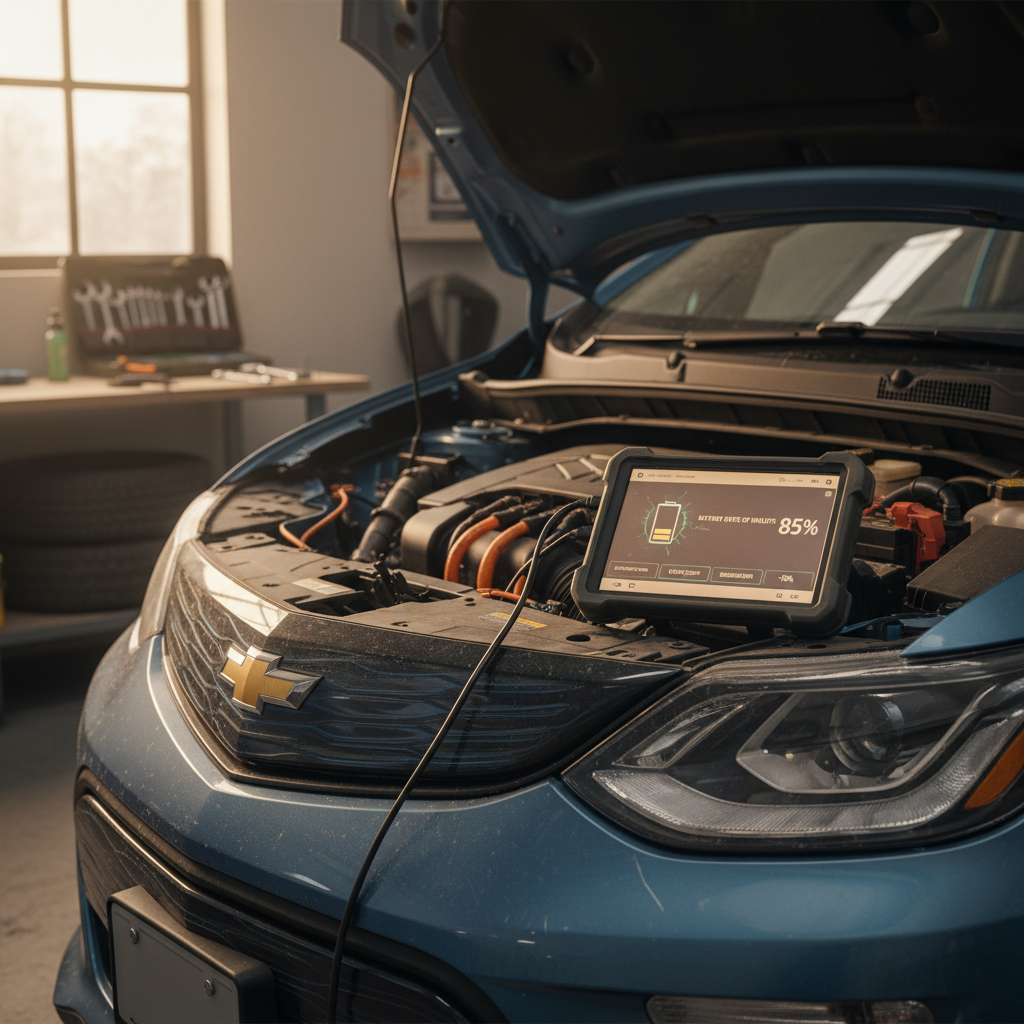
- High‑mileage or older EVs with degraded batteries may depend more heavily on frequent top‑ups, so the reliability of public infrastructure around you matters more than whether it’s free or paid.
How Recharged can help
If you’re comparing two used EVs, don’t just look at sticker price. Factor in whether one model comes with remaining free‑charging perks from the original manufacturer, whether it charges faster on DC, and how easily it will fit into a routine built around workplace or municipal chargers.
Common mistakes to avoid with free chargers
Avoid these free‑charging pitfalls
Relying on a single free charger
If your whole week depends on one free station at a library or office, you’re one hardware failure away from a stressful scramble. Always have a backup charger, free or paid, within comfortable range.
Arriving nearly empty
It’s tempting to stretch your battery to hit a free charger, but that increases your risk if it’s offline or blocked. Try to arrive with at least 10–15% state of charge so you can divert to another station if needed.
Ignoring parking rules
Free chargers are often in premium spots. Overstaying time limits, parking when you’re not charging, or blocking access will generate friction (and tickets) and may push property owners to convert chargers to paid or remove them.
Assuming “free forever”
Retailers and cities often launch chargers as free and introduce pricing later. Keep an eye on signage and app updates, if you suddenly see session fees or idle fees, adapt your routine.
Forgetting about your own time
Two hours at a slow but free charger across town might feel smart, but if it wrecks your schedule, that “free” kWh isn’t really free. Balance money saved against time and stress.
FAQ: Free public EV chargers & charging your electric car
Frequently asked questions
Free public EV chargers won’t eliminate the need for a solid charging strategy, but they can meaningfully reduce your cost to charge an electric car if you use them intelligently. Treat them as high‑value bonuses layered onto dependable home or paid public charging rather than as your only lifeline. And if you’re considering a used EV, think of free charging as one more lever, alongside battery health, range, and charging speed, that determines how affordable and convenient your next car will be. A marketplace like Recharged, with transparent battery diagnostics and expert EV guidance, makes it easier to align the car you buy with the charging reality you actually live with.