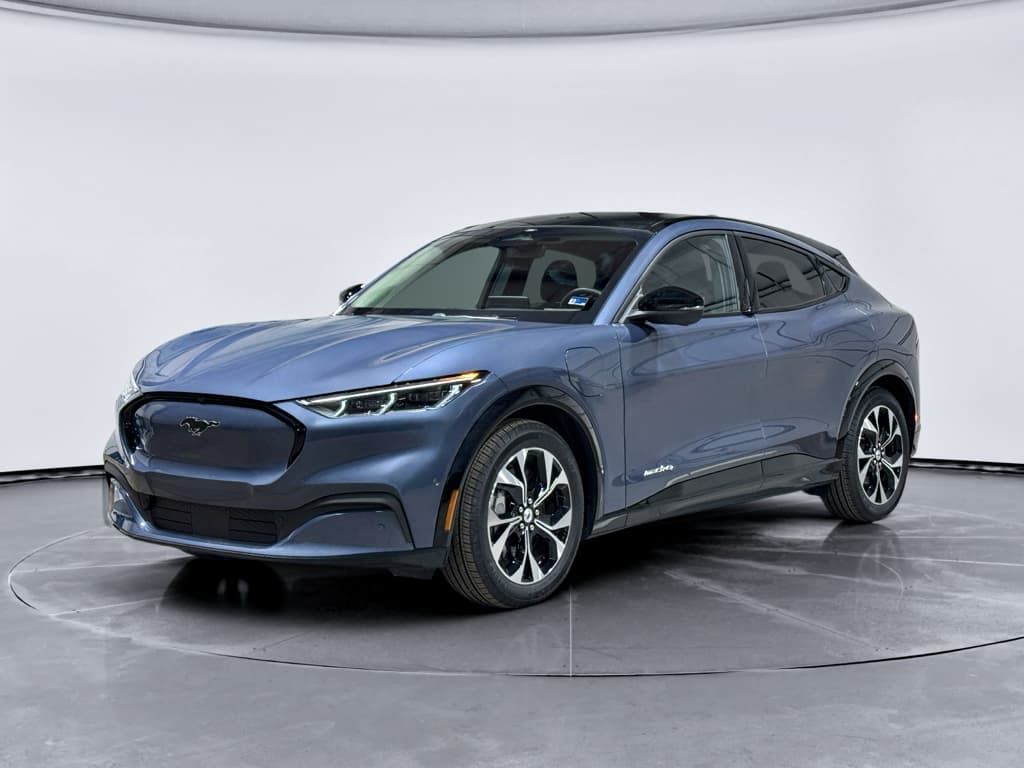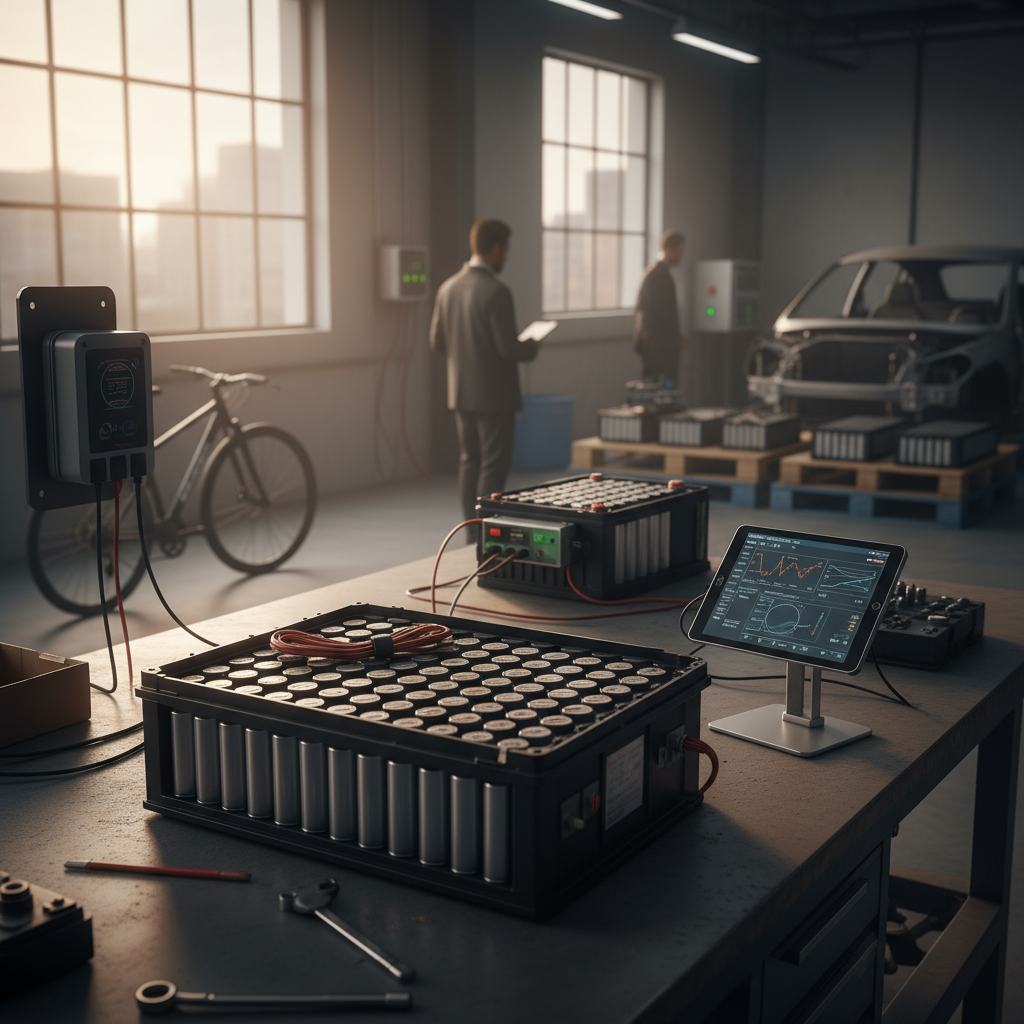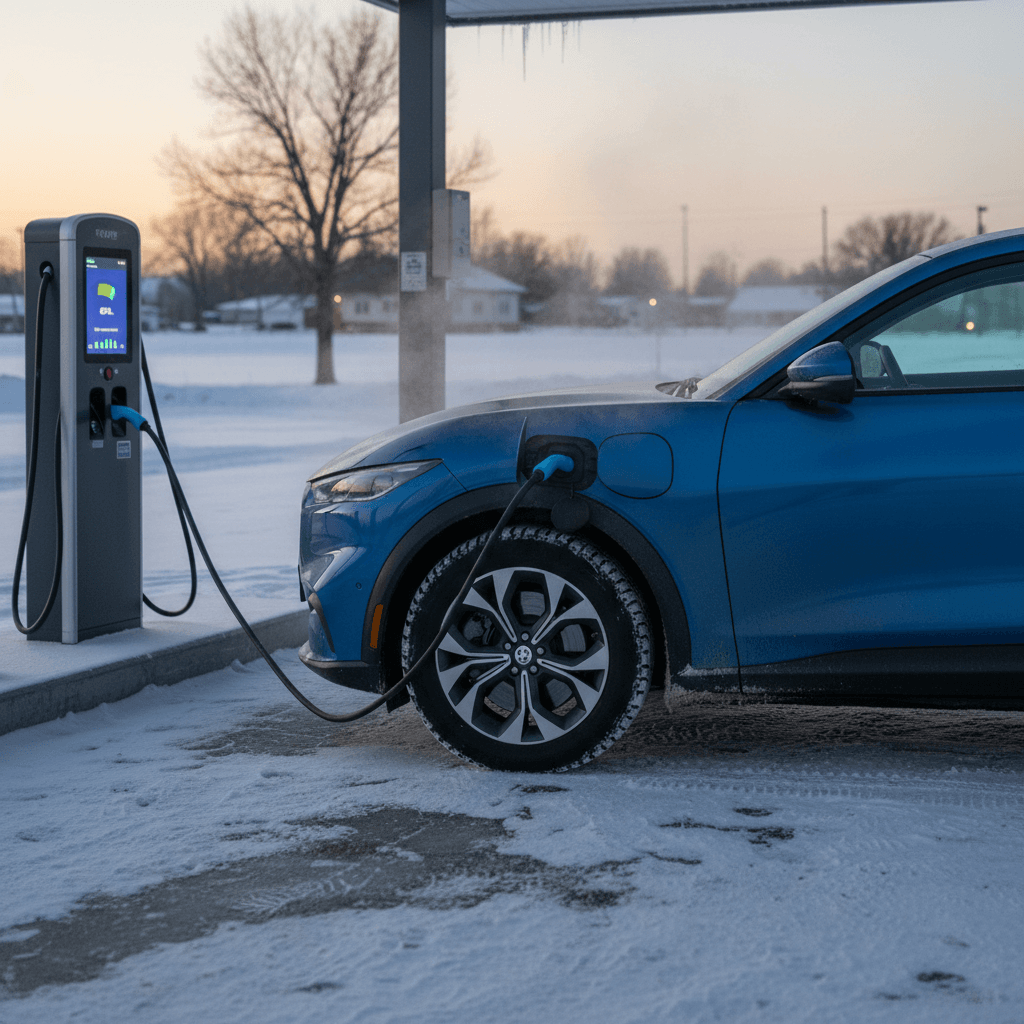
If you’re noticing your Ford Mustang Mach‑E’s range fall off a cliff once the first hard freeze hits, you’re not imagining things. In real‑world testing, the Ford Mustang Mach‑E winter range loss percentage typically lands in the 25–40% range in sustained cold, with outliers above and below that depending on how and where you drive.
The short answer
Ford Mustang Mach‑E winter range loss at a glance
Average Mustang Mach‑E winter range loss
Those numbers put the Mach‑E right in line with many other mainstream EVs, but early model years in particular have been flagged in winter testing as losing more than average before Ford’s more recent heat‑pump and software tweaks.
How much range the Mustang Mach‑E loses in winter, by the numbers
Let’s get specific. Different tests use different routes and temperatures, but when you zoom out, the picture is surprisingly consistent. Here’s how Ford Mustang Mach‑E winter range loss percentage looks across credible sources:
Ford Mustang Mach‑E winter range loss: key studies & datasets
Representative results from controlled winter tests and large‑sample owner data. These are directional, not guarantees for your exact commute.
| Source / scenario | Model & conditions | Observed winter range | Approx. loss vs. mild weather |
|---|---|---|---|
| Fleet & owner data (northern US, mixed driving) | Typical Mach‑E AWD, sub‑freezing, normal heat use | ≈ 198 mi vs ≈ 270‑mi EPA | ≈ 26–30% loss |
| Independent winter range comparison | 2021 Mach‑E Premium AWD ER, around freezing, highway‑heavy | ≈ 180–190 mi vs ≈ 270‑mi rating | ≈ 30–35% loss |
| Cold‑weather deep‑freeze reports | Mach‑E ER AWD at ‑10 to ‑15°F, short trips, full heat | Often 150–180 mi from a "300‑mi" car | ≈ 40–50% loss |
| Mild cold lab tests | Mach‑E GT around 8–10°C (high 40s °F) | Retains ~80% of rated range | ≈ 20% loss |
Use these percentages as a planning baseline, then layer in your own driving style and climate.
Don’t chase one “magic” percentage
Why cold weather hits Mach‑E range so hard
Every EV takes a hit in the cold, but the Mach‑E combines several range‑sapping factors that are worth understanding. Once you see where the energy is going, you have real leverage to claw some of it back.
- Battery chemistry slows down: At low temperatures, lithium‑ion cells can’t move ions as freely, which raises internal resistance and cuts efficiency. The same watt‑hours just don’t move the car as far.
- Cabin heating is energy‑hungry: Unlike a gasoline engine, an EV has no waste heat to recycle. When you ask for 72°F in a frozen cabin, the Mach‑E has to generate that heat from the battery, often consuming more power than it takes to keep the car rolling at city speeds.
- Pack warms up slowly on short trips: On a 10‑minute commute, the battery and drivetrain never get truly warm, so you pay the "cold tax" on every outing. That’s why short winter errands produce the ugliest numbers.
- Highway speed amplifies losses: Aerodynamic drag climbs with the square of speed. Add a dense, cold airmass on top, and your 75‑mph winter run becomes a range‑vaporizing exercise, especially into a headwind.
- Snow, slush, and winter tires add drag: Rolling resistance climbs on soft surfaces and aggressive tread patterns. Good for grip, not for miles per kWh.
Think “energy budget,” not just miles
Model years, batteries, and heat pumps: does your Mach‑E lose more or less?
Not every Mach‑E behaves the same in the cold. Early cars were dinged for big winter losses; later model years quietly fight back with hardware and software updates, especially the move to a standard heat pump on newer builds.
How different Mach‑E configurations behave in winter
Big picture: newer cars with heat pumps and larger batteries tend to lose a <em>smaller percentage</em> of their range, and feel less stressful to live with.
2021–2023 SR RWD / AWD
Standard Range (SR) Mach‑Es, especially early builds, are the most sensitive to winter:
- Smaller buffer, so a 25–35% hit feels bigger day to day.
- Owners commonly report winter highway ranges in the 130–180‑mile band.
- Without a heat pump, more energy goes into cabin heat.
2021–2023 ER RWD / AWD
Extended Range (ER) models start with more battery, so you notice winter losses less:
- EPA ratings around 270–310 miles.
- Real‑world winter range often lands near 180–230 miles.
- Highway‑heavy trips in deep cold can still push losses toward 40%.
2025+ with standard heat pump
Ford has added a standard heat pump on newer Mach‑Es, aimed squarely at reducing winter losses:
- More efficient cabin heating, especially at moderate cold temps.
- Better range retention in stop‑and‑go and suburban driving.
- You still see a winter hit, but more like mid‑20s percent in typical use when driven thoughtfully.
Shopping used? Pay attention to build year
Ready to find your next EV?
Browse VehiclesReal-world Mach‑E winter range examples
Numbers on a spec sheet are one thing. What matters is what you can actually expect on a Tuesday in February, somewhere between the office and hockey practice. Here are ballpark scenarios for different Mach‑E trims in genuine winter use.
Illustrative Mach‑E winter range scenarios
Approximate ranges assume a healthy battery, no roof box, and normal driving; your exact numbers will vary.
| Configuration & setting | EPA rating (mi) | Mild weather highway (70 mph) | Typical winter highway (sub‑freezing) | Approx. loss % |
|---|---|---|---|---|
| Standard Range RWD – mixed city/suburb, 20–30°F | ~250 | ~230 mi | ~165–185 mi | ≈ 25–30% |
| Standard Range AWD – highway‑leaning commute, 20–30°F | ~230 | ~210–220 mi | ~150–170 mi | ≈ 25–35% |
| Extended Range RWD – mixed driving, 20–30°F | ~300–310 | ~280–300 mi | ~200–230 mi | ≈ 25–30% |
| Extended Range AWD – 70‑mph road trip, around freezing | ~270–290 | ~260–290 mi | ~180–210 mi | ≈ 30–35% |
| Any trim – deep cold (0°F and below), short trips, full heat | Varies | n/a | Often 40–50% below sticker | ≈ 40–50% |
Use these as conservative planning numbers, not as promises.
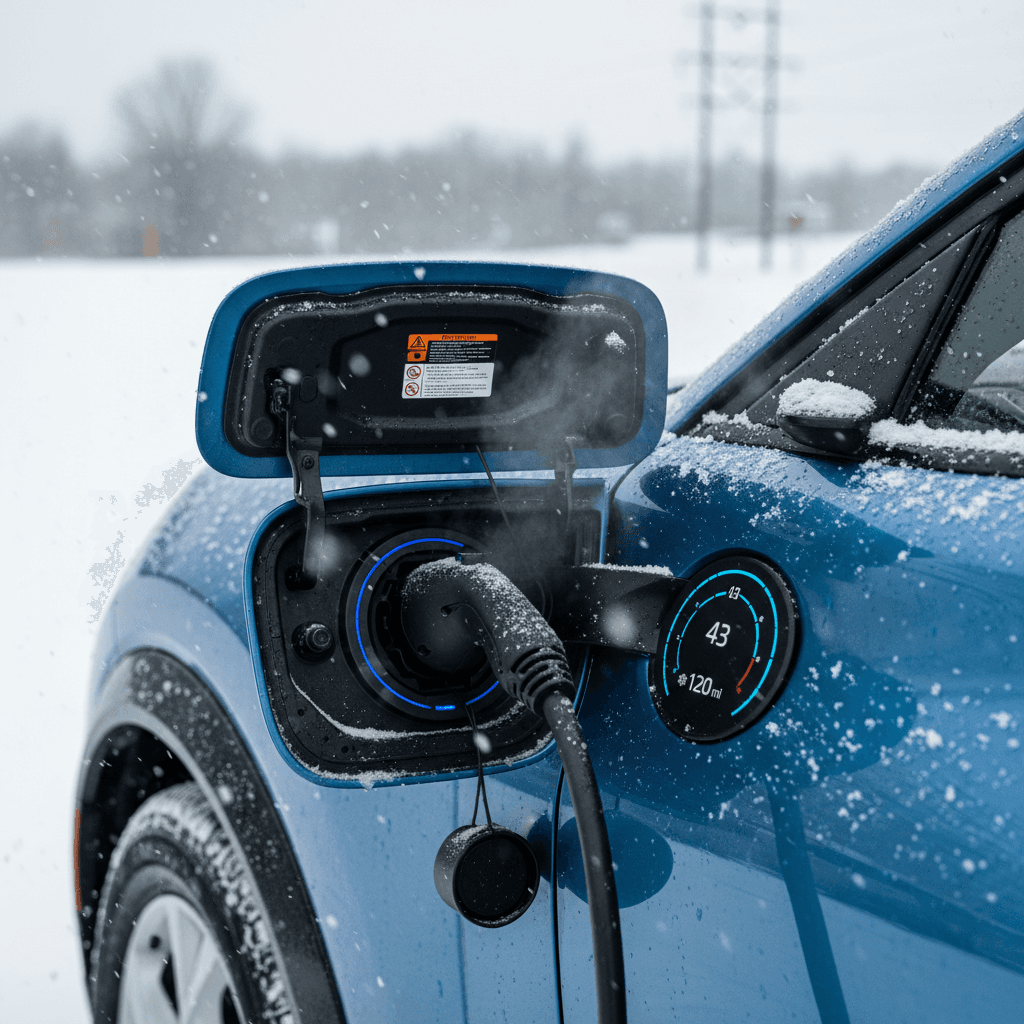
Highway is your worst‑case scenario
How to cut Mach‑E winter range loss in half
You can’t repeal physics, but you can stop handing your electrons to the weather. Many Mach‑E owners go from 35–40% winter losses down into the teens simply by changing how they preheat, route, and drive in the cold.
Cold‑weather range playbook for Mustang Mach‑E owners
1. Always precondition while plugged in
Use the FordPass app or in‑car scheduling to warm the cabin (and, when supported, the battery) before you leave, <strong>while the car is still charging</strong>. That way, grid power does the heavy lifting instead of your battery.
2. Heat the humans, not the whole cabin
Dial the cabin temperature back a few degrees and lean on <strong>heated seats and steering wheel</strong>, which use far less energy than blasting hot air. Many owners see a 5–10 percentage‑point improvement in winter range from climate tweaks alone.
3. Pick a realistic winter range number
Look at your EPA rating, then <strong>subtract 30%</strong> as a starting point for sustained winter use. If your ER AWD is rated at 280 miles, plan your life around ~190–200 miles in the cold. Anything above that is a pleasant surprise.
4. Watch your speed on open highway
Above about 65 mph, every extra 5 mph is like poking a hole in your battery. In winter’s dense air, backing off from 78 to 68 mph can easily give you <strong>20–40 extra miles</strong> on a charge.
5. Minimize short, cold starts
Batch errands into one longer trip rather than three separate cold starts. Each time you climb into a frozen car and ask for 72°F, you pay the heat penalty again, shrinking your effective range.
6. Use Eco or “one‑pedal” style driving
Gentle acceleration, earlier lift‑off, and letting regen braking work all help. In slick conditions, it’s also the calmer, safer way to drive.
Cold battery + fast charging = patience required
Winter road trip planning in a Mustang Mach‑E
Where winter really exposes weak assumptions is on longer drives, those 250‑mile EPA numbers shrink drastically once you’re running 70–75 mph in 20°F air with the heat on. The trick is to be conservative and systematic.
Step 1: Base your plan on winter range, not EPA
Take your Mach‑E’s EPA highway or combined rating and knock off roughly 30–35% for a cold‑weather road‑trip baseline. Then add another bit of margin if you drive fast or expect strong headwinds.
Example: ER AWD rated at ~280 miles. Winter highway planning number: about 180–190 miles between fast charges, not 250+.
Step 2: Shorter, more frequent DC fast charges
Most EVs, the Mach‑E included, charge fastest between about 10–60% state of charge. In winter, it’s often smarter (and quicker) to stop more often but for shorter sessions, rather than nursing the pack to 90–100% each time.
Plan legs that end around 10–20% and charge back to 60–70%, especially in deep cold, where the top of the pack fills more slowly.
- Use apps and the car’s native nav to favor reliable, well‑reviewed DC fast chargers with amenities, winter waits feel longer.
- If possible, arrive with the pack warm from sustained driving rather than tip‑toeing a cold battery from 80% down a short distance.
- Keep an eye on consumption (mi/kWh) for the first 30–40 miles; if it’s worse than expected, shorten your planned legs on the fly.
Treat winter like towing season
Is the Mustang Mach‑E a good winter EV overall?
On paper, the Mach‑E has a mixed winter reputation. Early tests called out big percentage losses, and it’s true that some 2021–2023 cars without heat pumps can look thirsty in January. But that’s only half the story.
Mach‑E as a winter car: strengths and trade‑offs
Think beyond just range, traction, comfort, and predictability all matter.
Where the Mach‑E shines in winter
- Excellent traction in AWD trims with proper winter tires.
- Fast, quiet cabin warm‑up, no waiting for an engine to heat up.
- Strong regen with good modulation, especially in snow when driven sensibly.
- Heat‑pump‑equipped models do a much better job of keeping range loss in check.
Where you need to be realistic
- Standard Range packs can feel range‑starved on long, cold highway days.
- Early Mach‑Es can lose 30%+ in routine winter use; deep cold can push it higher.
- DC fast charging slows significantly with a cold pack.
- High speeds and roof boxes can turn a borderline route into a white‑knuckle run.
If you size the battery correctly for your climate and driving, and if you treat winter range loss as a feature to plan around rather than a betrayal, the Mach‑E is a thoroughly competent winter EV. If you routinely drive long, sparsely charged interstates in January, you’ll simply want the largest battery you can get and a charging network you trust.
How Recharged helps winter‑proof your Mach‑E purchase
FAQ: Ford Mustang Mach‑E winter range loss percentage
Common questions about Mach‑E winter range
Winter doesn’t ruin the Ford Mustang Mach‑E; it just changes the math. Expect roughly 25–35% winter range loss in ordinary cold and plan your life, and your road trips, around that reality, with deeper cuts only in the harshest conditions. If you size the battery right, drive with a light touch, and let the car warm itself smartly, the Mach‑E is fully capable of being your year‑round daily driver. And if you’re shopping used, leaning on tools like Recharged’s battery health and real‑world range reports will make sure the Mach‑E you bring home is ready for your kind of winter.