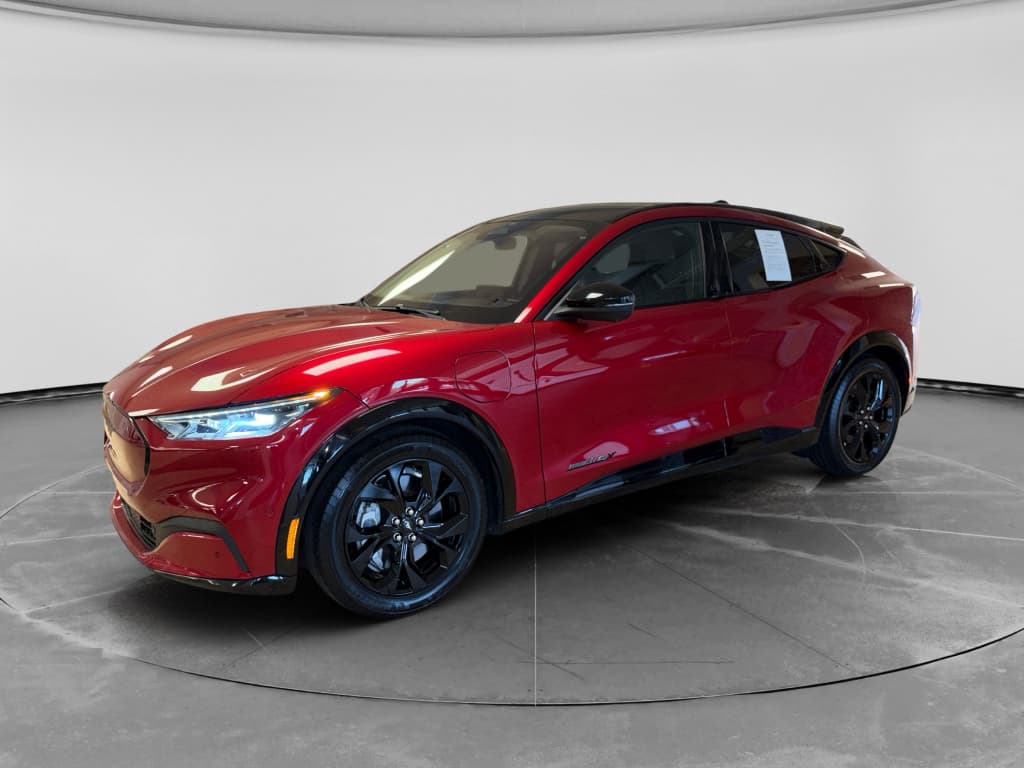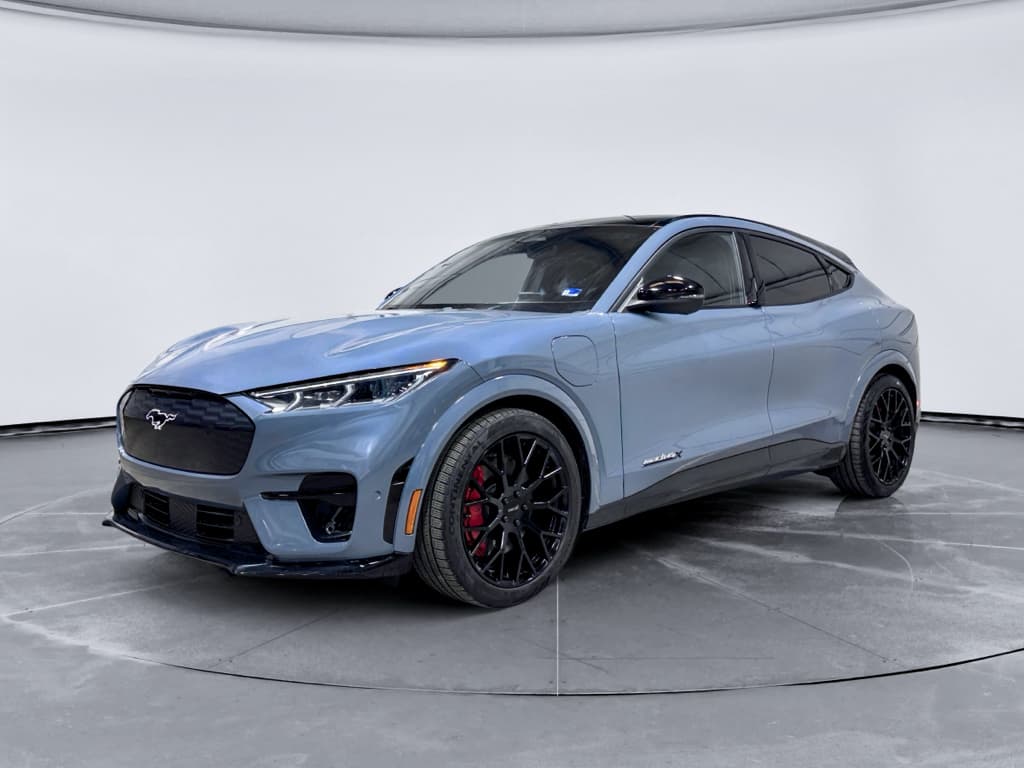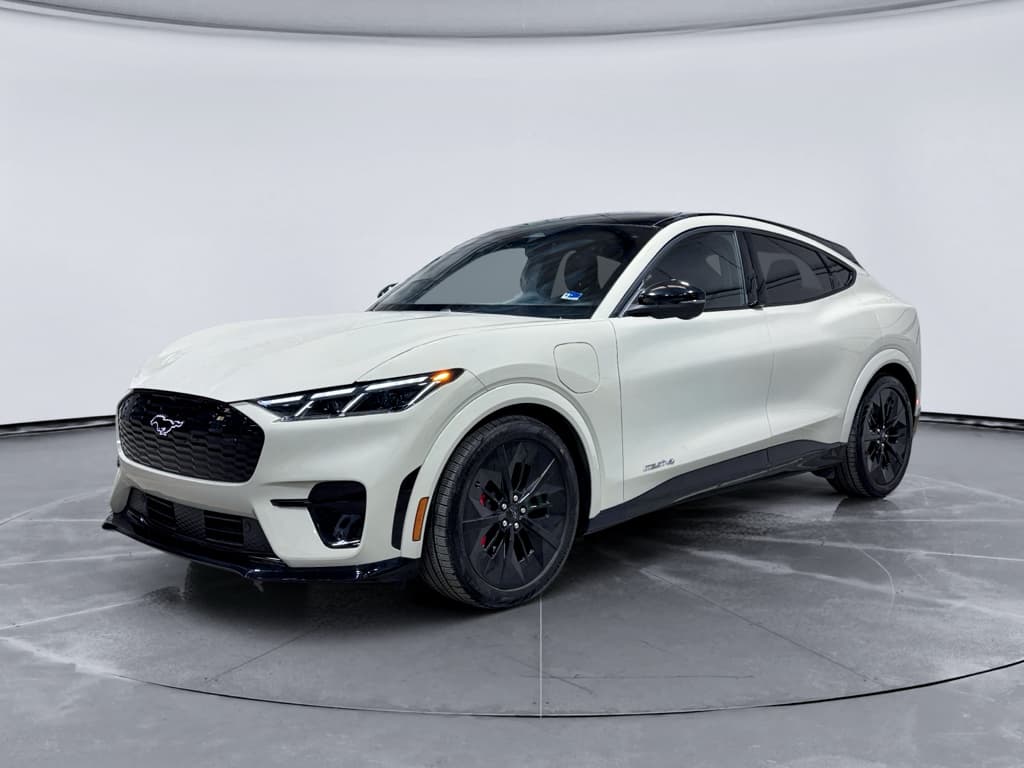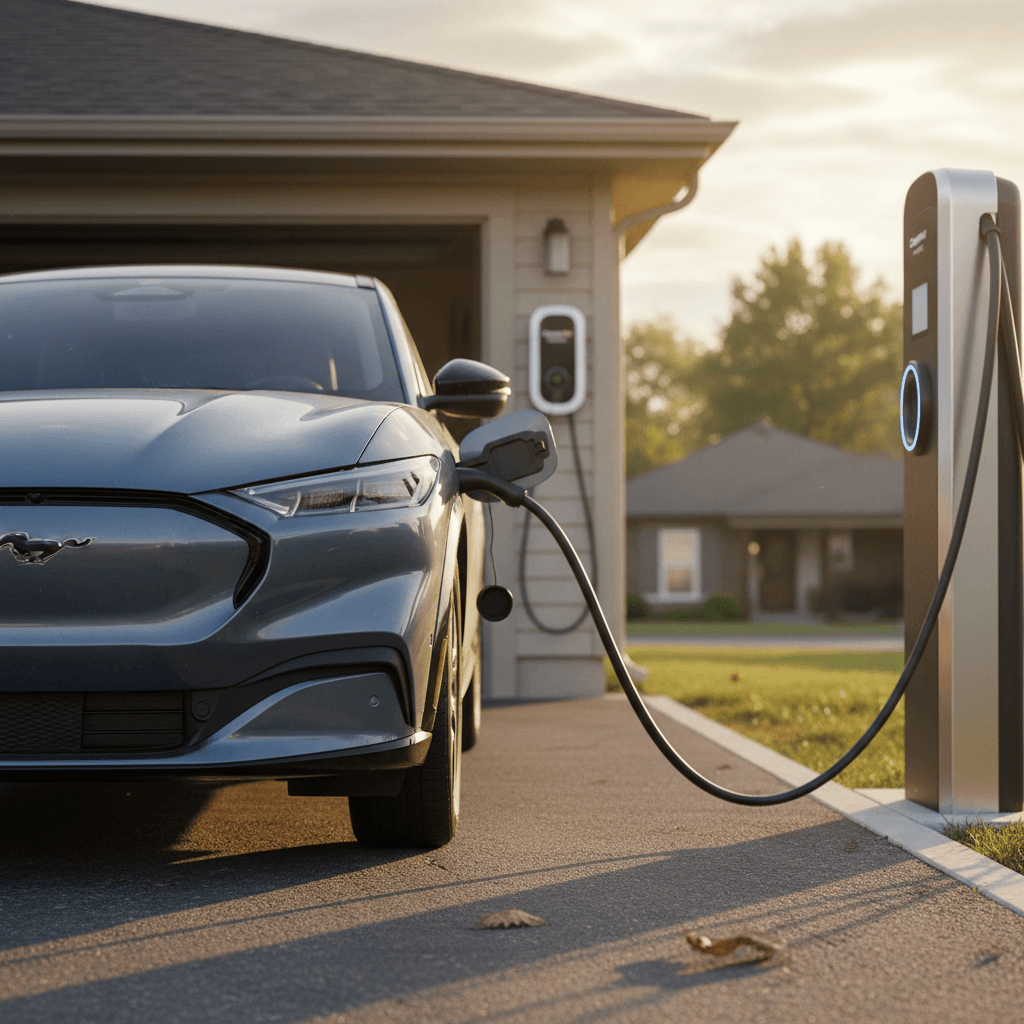
If you’re driving, or shopping for, a Ford Mustang Mach-E, charging speed is one of the biggest factors in how easy the car is to live with. This Ford Mustang Mach-E charging speed guide breaks down what you can realistically expect at home and on DC fast chargers, how battery size and trim change the numbers, and what you can do to make your Mach-E charge as quickly and consistently as possible.
Quick takeaway
Ford Mustang Mach-E charging speed overview
Mustang Mach-E headline charging numbers
Every Mustang Mach-E sold in North America uses CCS1 DC fast charging and a standard J1772 connector for AC charging. That makes it compatible with most public Level 2 and DC fast networks today. Ford has also begun enabling access to Tesla’s Supercharger network via an adapter, which doesn’t change the car’s maximum charging power but does give you more fast‑charge locations to work with.
Mach-E batteries, chargers, and what they mean for speed
Battery sizes: Standard vs. Extended Range
The Mach-E has been offered with two main battery sizes over the years, often called Standard Range (SR) and Extended Range (ER). Usable capacities vary slightly by model year, but you can think of them roughly as:
- Standard Range: roughly high‑60s to low‑70s kWh usable
- Extended Range: roughly high‑80s to low‑90s kWh usable
A larger pack takes longer to fill at the same power, but it also lets the car hold higher charging power for longer, which is why you’ll see similar 10–80% times between SR and ER in many real‑world tests.
Onboard AC charger: Why 11 kW matters
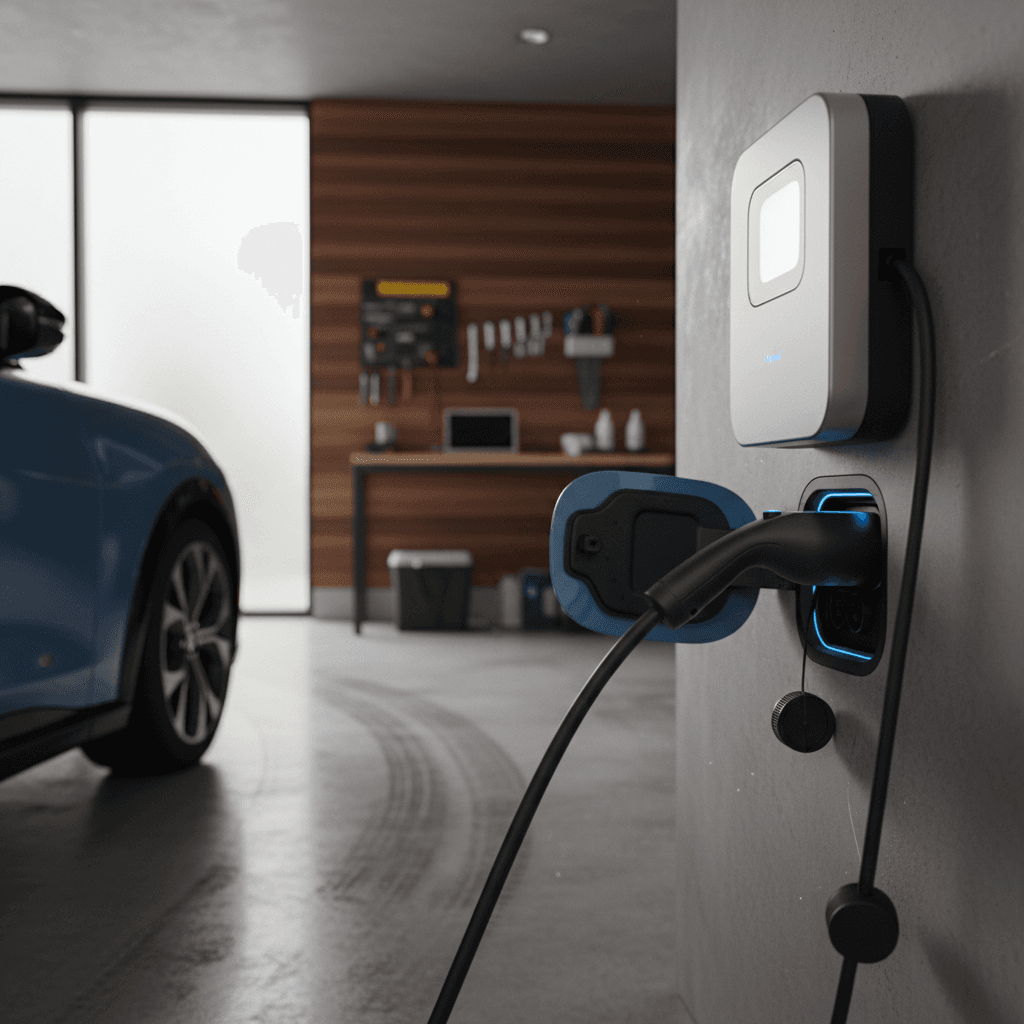
All current Mustang Mach-E trims include an onboard AC charger around 11–11.5 kW. That’s the hardware inside the car that converts AC power from a wallbox into DC for the battery.
Even if you plug into a 19 kW or 22 kW commercial Level 2 station, the Mach-E will still top out around 11 kW. For home, that means:
- A 48 A, 240 V wallbox can deliver the full ~11 kW
- Lower‑amp chargers (32–40 A) will still be plenty for overnight charging, just a bit slower
Check your breaker and wiring
Home charging speeds: Level 1 vs. Level 2 for the Mach-E
When you’re evaluating Ford Mustang Mach-E charging speed, start with home charging. That’s where most EV miles begin, and it’s where the difference between Level 1 and Level 2 is the most dramatic.
Typical Mustang Mach-E home charging speeds
Approximate charging speeds assume a healthy battery, moderate temperatures, and typical U.S. household voltage. Real‑world results vary by circuit, temperature, and how full the battery is when you plug in.
| Home charging option | Electrical setup | Approx. power | Typical Mach-E rate | Best for |
|---|---|---|---|---|
| Level 1 (Included Ford Mobile Charger, 120 V) | 15 A, 120 V household outlet | ~1.3 kW | ~3 miles of range per hour | Very light daily driving, backup option |
| Level 2, Ford Mobile Charger (240 V) | NEMA 14‑50 or similar, 32 A | ~7 kW | ~18–22 miles of range per hour | Most commuters if you plug in nightly |
| Level 2, 40 A wallbox | 240 V on 50 A circuit | ~9.6 kW | ~22–26 miles of range per hour | Heavier drivers or frequent same‑day errands |
| Level 2, 48 A wallbox (max AC) | 240 V on 60 A circuit | ~11–11.5 kW | ~26–30 miles of range per hour | Long‑range ER trims, high‑mileage drivers |
You don’t have to hit the Mach-E’s 11 kW ceiling at home, anything in the 7–11 kW range is usually enough to fully recharge overnight.
Don’t ignore 120 V safety
Choosing the right home charging speed for your Mach-E
1. Start from your daily mileage
If you typically drive under 40–50 miles per day, a 32 A Level 2 solution (or even 120 V in a pinch) can cover you. Pushing well over 70–80 miles on back‑to‑back days? Aim for 40–48 A Level 2.
2. Look at your electrical panel
A 48 A charger usually needs a 60 A breaker and spare capacity in your panel. If your panel is tight, a 32 A charger on a 40 A breaker is often an easier, cheaper fit.
3. Factor in future EVs
If there’s a good chance you’ll add a second EV later, installing wiring and a breaker that can support 40–48 A now can save you from doing the job twice.
4. Use scheduled charging
The FordPass app lets you schedule charging so most of your energy is drawn during off‑peak hours, which can be cheaper and easier on your local grid.
DC fast charging speeds: 10–80% in the real world
On the road, DC fast charging is what determines how relaxing, or frustrating, your longer trips feel. Ford has steadily improved the Mustang Mach-E’s DC charging curve with software and hardware tweaks, trimming advertised 10–80% times into the mid‑30‑minute range on newer extended‑range models.
Key things to know about Mach-E DC fast charging
Understanding the limits helps you plan better road trips.
Peak isn’t everything
Ford quotes around 150 kW peak for extended‑range packs and lower peaks for standard‑range. But you’ll only see that power for a slice of the session, usually with the battery between roughly 10–40% and at ideal temperature.
Charging slows as you fill
Like most EVs, the Mach-E tapers charging power as the battery gets above ~60–70%. Don’t chase 100% on road trips, plan your stops around 10–80% windows for the best balance between time and range.
Temperature matters a lot
Cold batteries charge slowly. If your Mach-E sat outside in freezing weather, the car may pull well under its peak rate until it warms the pack. Preconditioning and driving a bit before your first fast charge help a lot.
Typical DC fast charging times for Mustang Mach-E
Approximate 10–80% times on a healthy charger delivering close to the car’s capability, assuming mild weather. Older model years or poor‑quality chargers can be slower.
| Battery & drivetrain | Estimated usable battery | Peak DC power (approx.) | Typical 10–80% time | Highway range added (10–80%) |
|---|---|---|---|---|
| Standard Range RWD/AWD | ~68–73 kWh | ~115–130 kW | ~30–35 minutes | ~150–190 miles |
| Extended Range RWD | ~88–92 kWh | Up to ~150 kW | ~32–38 minutes | ~190–230 miles |
| Extended Range eAWD / GT / Rally | ~88–92 kWh | Up to ~150 kW | ~32–40 minutes | ~180–220 miles |
Think in terms of 10–80% windows, not 0–100%, that’s how most road trip routing apps and experienced owners plan Mach-E charging stops.
Watch the fine print on charger power
Charging speed by Mach-E battery size and trim
While all Mustang Mach-E variants share the same basic charging hardware, real‑world speeds differ a bit between battery sizes and trims. The main differences aren’t in absolute peak numbers so much as how long each model can hold higher power and how much range you gain per minute on the plug.
Standard Range vs. Extended Range
- Standard Range: Smaller usable capacity means a little less time on the plug for the same 10–80% window, and you’ll see slightly slower peak power in many tests. Because the pack is smaller, though, each percentage point of charge represents fewer miles than on ER.
- Extended Range: Larger pack can hold high power for a bit longer, and each percent is worth more miles. That’s why ER trims often feel more relaxed on road trips even if their 10–80% times look similar on paper.
Performance trims (GT, Rally)
Performance‑focused Mach-E trims share the same basic charging story as other extended‑range models. They typically:
- Use the larger pack with similar DC fast‑charge behavior
- Consume more energy at highway speeds because of stickier tires and tuning
- Still land in the same rough 30–40 minute 10–80% window if everything is working correctly
On a road trip, the bigger factor is usually aerodynamic and tire efficiency, not charging hardware differences.
Efficiency vs. charging time: How it affects your day
Six factors that slow your Mach-E charging speed
If your Ford Mustang Mach-E isn’t charging as fast as you expected, it’s usually not just one thing. Here are the most common culprits owners run into, at home and at public stations.
- Battery temperature: A cold or very hot pack will limit charging power to protect itself. You’ll see this a lot in winter if you DC fast charge right after the car has sat outside.
- High state of charge (SoC): The closer you get to 100%, the more the car tapers charging power. Above ~80%, even a strong DC fast charger may feel like a slow Level 2 session.
- Weak or shared DC hardware: Some “150 kW” stations share power cabinets or have site‑level limits. If another car is pulling hard, your Mach‑E may only see 40–60 kW.
- AC circuit limits at home: If your electrician or charger app set a lower amp limit than your car can handle, you might be capped at 24–32 A even though the Mach‑E can accept 48 A on Level 2.
- Time‑of‑use and charge schedules: Smart charging features can intentionally slow or pause charging outside your chosen off‑peak window. That’s great for your bill, but confusing if you forget you enabled it.
- Battery health and age: As with any EV, heavily fast‑charged or high‑mileage packs may charge a bit more conservatively than brand‑new ones. The effect is usually modest but worth factoring into used‑EV shopping.
FordPass is your diagnostic friend
How to get faster, more consistent charging speeds
You can’t change physics, or the Mach-E’s hardware, but you can stack the deck in your favor. Think of charging speed as something you can manage with a few simple habits rather than something that just “happens to you.”
Practical ways to speed up Mach-E charging
Small tweaks to how and where you charge can save 10–20 minutes per stop.
Plan SoC windows
On trips, plan your stops so you arrive around 10–20% and leave around 70–80%. That keeps you in the sweet spot of the charging curve and avoids wasting time crawling from 80–100%.
Precondition in cold weather
Use navigation to a DC fast charger or start your trip with the cabin preheated while plugged in. The Mach-E will warm the battery, which can dramatically cut how long the car spends at reduced power.
Favor reliable stations
Apps like PlugShare, FordPass, and network apps (Electrify America, ChargePoint, etc.) show user ratings. High‑rated stations are more likely to deliver their advertised power and minimize surprises.
A simple routine for quicker DC fast charges
1. Start navigation to the charger
Many newer Mach-E software builds use navigation to anticipate a fast charge and condition the battery. Even if preconditioning is modest, it helps the car hit higher power sooner.
2. Arrive under 30% when possible
If you pull in at 55–60%, your car is already past the steep part of the curve. Aiming to arrive closer to 10–25% makes the most of the first 10–15 minutes on the plug.
3. Check the charger rating and sharing
Choose the highest‑power unit you can and avoid stalls that obviously share hardware (often labeled or paired). If your first unit starts very slowly with no obvious reason, don’t be afraid to try another stall.
4. Stop the session around 80%
Beyond ~80%, you’re buying a lot of time for a handful of miles. It’s usually faster overall to unplug, get back on the road, and plan a shorter top‑up later if needed.
Charging-speed tips if you’re shopping for a used Mach-E
If you’re looking at a used Ford Mustang Mach-E, understanding how it charges is just as important as knowing its range. Charging behavior can vary by model year, software version, and how the previous owner used the car.
How Recharged helps here
Ready to find your next EV?
Browse VehiclesUsed Mustang Mach-E charging questions to ask
These questions help you understand real‑world charging behavior on the specific car you’re considering, not just what’s on a spec sheet.
| Topic | What to ask or check | Why it matters |
|---|---|---|
| Software & recalls | Is the car up to date on Ford software updates and charging‑related recalls or service campaigns? | Some updates specifically improve DC fast‑charge curves and reliability. |
| Fast‑charge history | Has the car been primarily home‑charged on Level 2, or DC fast‑charged multiple times per week? | Heavy DC usage isn’t automatically bad, but may correlate with slightly more conservative future charging behavior. |
| Battery health report | Can the seller provide a recent battery‑health or range report, or a third‑party diagnostic? | Healthy packs are more likely to hit expected charging speeds and range targets. |
| Included charging gear | Is the Ford Mobile Charger included? Any home wallbox or adapters staying with the sale? | Replacing missing cables and chargers can add hundreds of dollars right after purchase. |
| Home charging setup | If the car comes with a home charger, what amperage and breaker is it wired for? | A 48 A‑capable wallbox on a proper circuit makes it easy to use the Mach-E’s full 11 kW AC capability. |
Charging speed is partly about hardware, and partly about how the previous owner used and cared for the vehicle.
If you’d rather skip the guesswork, Recharged can help you shop used Mustang Mach-E listings with transparent battery and charging data, plus optional financing, trade‑in support, and nationwide delivery.
Ford Mustang Mach-E charging speed FAQ
Frequently asked questions about Mach-E charging speeds
Bottom line: What to expect from Mach-E charging speeds
Day to day, a Ford Mustang Mach-E that’s paired with a solid 240 V Level 2 setup at home is an easy car to live with. You’ll usually wake up with a full, or at least sufficiently topped‑off, battery, and when you do hit the highway, planning around 10–80% DC fast‑charge windows in the 30–40‑minute range will keep your trip stress low. The key is understanding where the car’s 11 kW AC limit and roughly 150 kW DC ceiling actually show up in practice, and then building habits, like charging overnight, arriving low, and avoiding the slow 80–100% tail, that work with the hardware instead of against it.
If you’re comparing used Mach-E options, it’s worth paying attention to not just range, but also how the previous owner charged and cared for the car. That’s where a transparent Recharged Score Report, verified battery health, and EV‑specialist guidance can help you quickly separate strong candidates from problem cars. However you buy, once you understand its charging personality, the Mustang Mach-E becomes a straightforward, fast‑enough EV for both daily duty and long‑distance travel.