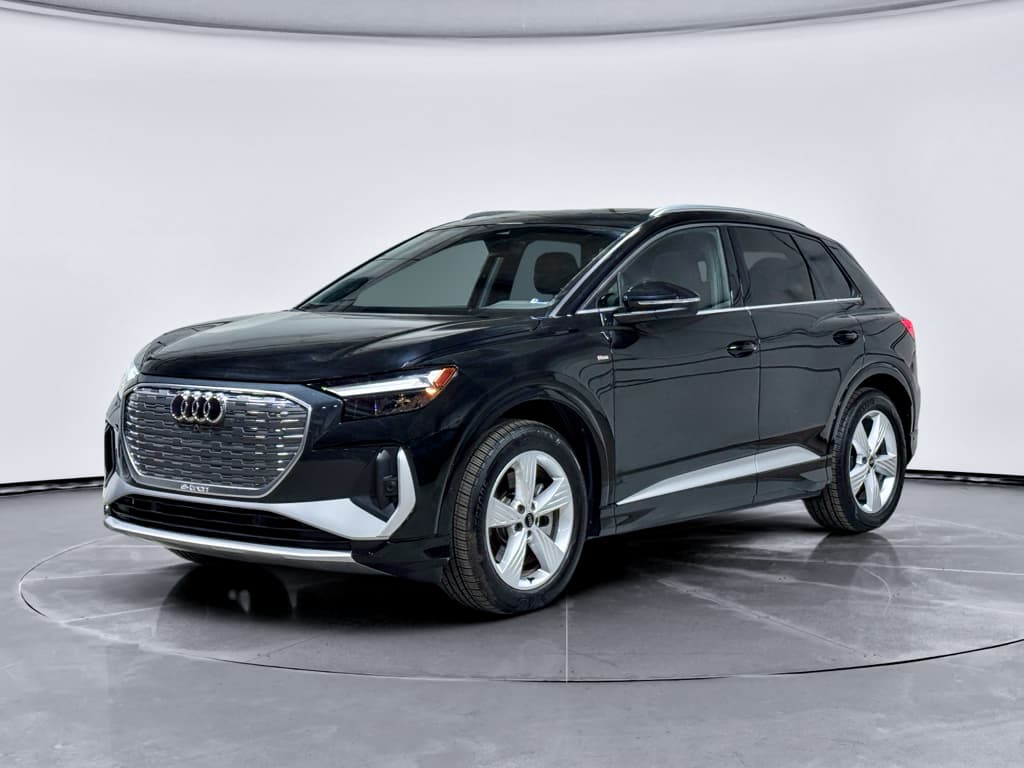
The Audi e-tron GT is not a rational car. It’s a four-door concept sketch brought to life, a 5,000‑pound battery sled that thinks it’s a supercar. But if you’re the one signing the checks, the thrill has to square with reality. Understanding Audi e-tron GT long term ownership cost, not just the payment, but five years of depreciation, electricity, maintenance, and insurance, is the only way to know if this thing belongs in your driveway or just on your wallpaper.
At a glance
Overview: The long-term cost picture
5-year cost snapshot (new e-tron GT, U.S.)
Those numbers assume you buy new and keep the car for five years. If you buy used, say, a 2‑ or 3‑year‑old e-tron GT, your fuel and maintenance picture barely changes, but your depreciation curve does, and that’s where the real savings live. We’ll walk through each cost bucket, then look at what happens when you buy used through a transparent marketplace like Recharged instead of taking the new‑car hit.
5-year cost to own an Audi e-tron GT
Example 5-year ownership costs: New 2024 Audi e-tron GT
Approximate 5‑year costs for a 2024 e-tron GT Premium Plus in the U.S., based on third‑party cost‑to‑own data and typical usage. Your actual numbers will vary with mileage, location, and financing.
| Category | 5-year estimated cost | What it includes |
|---|---|---|
| Depreciation | $80,000–$85,000 | Difference between purchase price and estimated resale value after five years. |
| Financing | ≈$17,000 | Interest paid on a typical 60‑month loan with average credit. |
| Electricity (fuel) | ≈$4,800 | Charging costs for ~12,000 miles per year over five years. |
| Insurance | ≈$6,500–$7,000 | Full‑coverage premiums for a high‑value performance EV. |
| Maintenance | ≈$8,000 | Scheduled services, wear items, inspections over five years. |
| Repairs | ≈$2,000–$2,500 | Out‑of‑warranty work, minor issues not covered by Audi. |
| Taxes & fees | ≈$300–$800 | Registration, title, and dealer fees over the period. |
| Total 5‑year cost | ≈$120,000–$125,000 | All of the above, excluding parking, tolls, and tickets. |
Depreciation dominates total cost of ownership for a new e-tron GT.
Don’t confuse low fuel cost with low ownership cost
Depreciation: The silent budget killer
If you want to understand Audi e-tron GT long‑term ownership cost, start with the brutal part: this car falls in value hard. Data from multiple valuation sites shows the e-tron GT losing roughly 70–72% of its value in the first five years, worse than the average luxury EV and far worse than a mainstream sedan. One analysis pegs the 5‑year resale value at under $30,000 from a six‑figure MSRP.
How quickly does an e-tron GT lose value?
Illustrative numbers based on U.S. market depreciation studies for a new e-tron GT.
Year 1
Loss: ≈$40,000+
The first year does the most damage as the car falls from new MSRP into the real used‑market price.
Year 3
Loss: ≈60%
After three years, an e-tron GT typically retains around 40% of its original value, putting it among the heavier‑depreciating luxury EVs.
Year 5
Loss: ≈70–72%
At five years, you’re looking at value in the high‑20s to low‑30s (thousands of dollars) for a car that likely stickered north of $100,000.
Why buying used changes the math
Electricity vs gas: Running costs
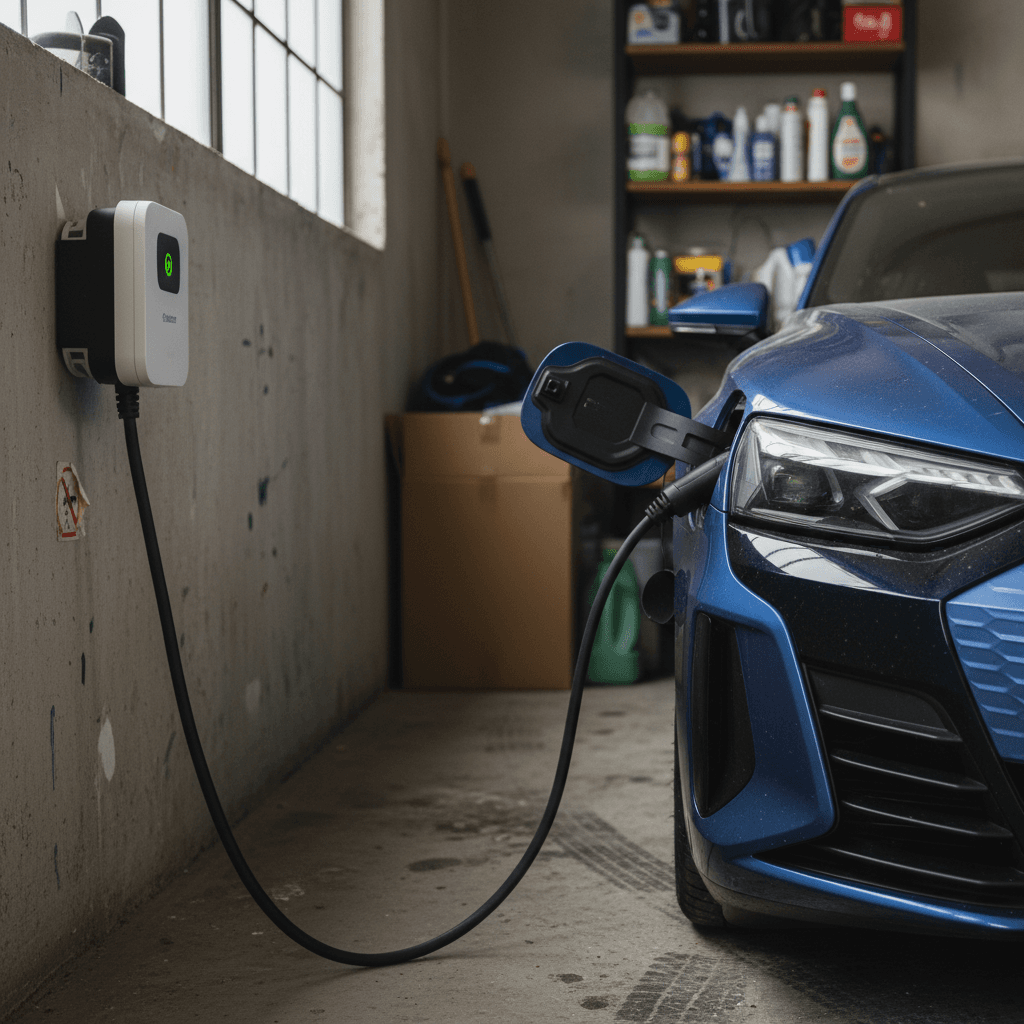
Here’s the good news: once you own it, the e-tron GT is relatively cheap to feed compared with a gas performance sedan. EPA efficiency ratings vary slightly by model year and wheel size, but you’re roughly looking at about 2.0–2.4 miles per kWh in mixed driving. With a usable battery in the 80‑kWh neighborhood, that’s plenty of range for a commute and weekend fun.
Typical electricity cost
- Average residential U.S. electricity: around $0.15 per kWh (your utility may be more or less).
- At ~2.2 miles/kWh, that’s about $0.07 per mile when charging at home.
- 12,000 miles/year comes out around $800–$1,000 per year if you do most of your charging at home.
Add in some pricier DC fast charging on road trips and you can reasonably land near the ~$900–$1,000 per year range.
Comparable gas car
- Think of an Audi RS7 or AMG GT 4‑Door doing 19–21 mpg combined.
- At $4.00 per gallon, that’s roughly $0.19–$0.21 per mile.
- 12,000 miles/year means $2,300–$2,500 per year in fuel.
Over five years, you might save $6,000–$7,000 on fuel with the e-tron GT compared with a similar gas car.
One important caveat
Maintenance and repairs on an e-tron GT
EV evangelists love to say “no oil changes!” and they’re right, but that doesn’t make a six‑figure German electric grand tourer cheap to maintain. The powertrain is simpler than a twin‑turbo V8, but everything around it is still Audi Sport: adaptive air suspension, rear‑axle steering, massive brakes, and intricate bodywork.
Where the money goes on maintenance
What to expect over 5–8 years of e-tron GT ownership.
Routine service
Cabin filters, brake fluid changes, high‑voltage system checks, coolant for the battery and power electronics. Third‑party 5‑year estimates put scheduled maintenance near $8,000 for a new e-tron GT.
Wear items
Suspension bushings, control arms, and alignment work can add up on heavy EVs. You’re moving a lot of mass very quickly; don’t be surprised by a four‑figure suspension visit later in life.
Repairs
Most early‑life issues will be under warranty, but beyond that, expect $2,000+ in repairs over five years for things like sensors, electronics, and air‑suspension components.
Why you don’t skip dealer visits on a high‑voltage car
Insurance, tires, and other quiet expenses
You don’t buy a wide‑stance, low‑roof Audi spaceship and then act surprised that it costs more than a Camry to insure. Insurers see the e-tron GT as a high‑value, high‑performance vehicle with expensive aluminum body panels and complex electronics. That shows up in your premiums.
Insurance
- Third‑party 5‑year cost‑to‑own models land around $6,500–$7,000 in insurance costs over five years for a new e-tron GT.
- That’s roughly $1,300–$1,500 per year, varying widely with age, driving record, and ZIP code.
- Shopping around matters: some carriers now rate EVs more favorably as claim data improves.
Tires & brakes
- Expect to replace the factory performance tires around every 20,000–25,000 miles, sooner if you drive it the way Audi intended.
- Premium 20–21" EV‑rated tires can run $1,200–$1,800 per set installed.
- Brake pads last longer than on gas performance cars thanks to regen, but track days or aggressive canyon running can change that quickly.
One upside: brakes and fluids
Battery health, warranty, and resale value
Under the floor sits the most expensive single component you own: the high‑voltage battery pack. Audi backs it with an 8‑year/100,000‑mile warranty against defects and excessive capacity loss (typically defined as dropping below around 70% of original usable capacity). That warranty underpins the whole resale story: buyers of 4‑ or 5‑year‑old e-tron GTs want to know how much of that safety net is left.
- Real‑world reports show some owners seeing modest degradation (single‑digit percent) in the first 3–4 years with mostly AC charging and conservative charge limits.
- Heavy use of DC fast charging and frequent 100% charges can accelerate capacity loss, which in turn dings resale value.
- A car with documented battery health and sane charging habits will command a premium versus a similar‑mileage car with no history.
How Recharged de‑risks used EV batteries
New vs used Audi e-tron GT: Cost comparison
For long‑term ownership cost, the question isn’t “Can I afford the payment?” It’s “Who is paying for the magic trick where a $110,000 car becomes a $40,000 car in a few years?” If you’re the first owner, the answer is: you. If you’re the second, not so much.
Illustrative 5‑year cost: new vs used e-tron GT
Simplified, ballpark comparison for someone keeping the car five years, assuming similar annual mileage. Numbers rounded for clarity.
| Scenario | Purchase price | Value after 5 yrs | Depreciation paid by you | Other 5‑yr costs* | Total 5‑yr outlay |
|---|---|---|---|---|---|
| Buy new, keep 5 yrs | $110,000 | $30,000 | $80,000 | ≈$40,000 | ≈$120,000 |
| Buy 3‑yr‑old, keep to age 8 | $55,000 | $25,000 | $30,000 | ≈$40,000 | ≈$70,000 |
Buying after the steepest depreciation can cut your effective annual cost by tens of thousands of dollars.
What this means in plain English
How Recharged helps lower your ownership costs
If you’re shopping an Audi e-tron GT, you’re already in rarefied air. The trick is to enjoy that air without suffocating under ownership costs. That’s where Recharged comes in: a used‑EV marketplace built specifically to make this math less terrifying and more transparent.
Ways Recharged can tilt the numbers in your favor
Particularly relevant if you’re targeting a 2–6‑year‑old e-tron GT.
Recharged Score battery report
Every Audi e-tron GT listed on Recharged comes with a Recharged Score Report that quantifies battery health, charging history indicators, and fair‑market pricing. You’re not guessing whether that 5‑year‑old pack is tired, you see the data.
Financing built for EVs
Recharged offers EV‑friendly financing with a fully digital process, plus tools to estimate your total cost of ownership, not just the monthly payment. You can even pre‑qualify with no impact to your credit.
Trade‑in & nationwide delivery
Already in a gas car that’s draining you at the pump? Recharged can provide an instant offer or consignment for your current vehicle and arrange nationwide delivery of your e-tron GT from our marketplace or Experience Center in Richmond, VA.
Ready to find your next EV?
Browse VehiclesChecklist for shopping a used Audi e-tron GT
1. Focus on 2–5‑year‑old cars
This is where the depreciation curve flattens, but you still have meaningful battery warranty remaining. A 3‑year‑old car with 30,000–45,000 miles can be a sweet spot.
2. Ask for objective battery data
Don’t accept vibes. Look for a third‑party health report or a Recharged Score Report that shows state‑of‑health, charging patterns, and any warning signs.
3. Review charging history and use case
Light commuter? Highway road‑tripper? City car with frequent DC fast charging? Ask how the previous owner used and charged the car, this context matters for long‑term degradation.
4. Inspect wheels, tires, and brakes
Curb damage, mismatched tires, and lipped rotors can all hint at a hard life. Budget for at least one full set of performance tires during your ownership.
5. Verify software and recall history
Make sure the car has had all Audi software campaigns and recalls addressed. These can affect charging speed, range estimates, and driver‑assist systems.
6. Compare total cost, not just price
When you’re deciding between two cars, or between new and used, look at payment, expected depreciation, insurance, and charging costs together. Recharged’s EV specialists can help you run that math.
FAQ: Audi e-tron GT long-term costs
Frequently Asked Questions
Bottom line: Is an e-tron GT worth it long-term?
The Audi e-tron GT was never meant to be a sensible choice. It’s a rolling thesis on what a luxury EV grand tourer can be: devastatingly quick, uncannily quiet, and impossibly dramatic. Long‑term, the ownership story is a tale of two line items. On one side, you have low running costs, electricity, modest maintenance, long‑lived brakes. On the other, you have heavy early depreciation, premium insurance, and pricey tires.
If you buy new and flip the car in a few years, you’re paying handsomely for the privilege of being first. If you let the first owner take that hit and you buy a carefully vetted used car, ideally with objective battery data and fair‑market pricing, you can have the same design, the same acceleration, and nearly the same tech for dramatically less real money.
That’s where a platform like Recharged earns its keep: by turning the murky, high‑stakes world of used EVs into something closer to a spreadsheet. If the e-tron GT is your kind of madness, the smart move is to buy it after someone else has already paid for the crazy, and to know exactly what you’re getting before you plug it into your life.