If you’re used to traditional trucks, the Ford F‑150 Lightning maintenance schedule can feel almost too simple. No oil changes, no spark plugs, no exhaust work, yet you still want to know what to service, when to do it, and what it will cost over time. Let’s walk through the real maintenance needs of Ford’s electric pickup so you can plan ownership with confidence.
Quick Take
Why the F‑150 Lightning Maintenance Schedule Looks Different
All‑electric Fords, including the F‑150 Lightning, need far less scheduled maintenance than comparable gas trucks. Ford’s EV care guidance focuses on tire rotation every 10,000 miles or 12 months, brake inspections, fluid checks, and periodic coolant and drive‑unit fluid changes rather than the frequent oil changes and tune‑ups that internal‑combustion F‑150s require.
Fewer Moving Parts
The Lightning’s dual electric drive units have far fewer moving parts than a V6 or V8 engine and traditional transmission. There are no spark plugs, fuel injectors, or exhaust components to service, which eliminates many classic truck maintenance items.
New Priorities: Tires & Thermal Management
Because of the battery’s weight and instant torque, tires and alignment take center stage. And while you don’t service an engine, you do have coolant for the battery and power electronics that needs attention at long intervals to keep the thermal‑management system healthy.
F‑150 Lightning Maintenance at a Glance
Core Ford F‑150 Lightning Maintenance Intervals
Ford publishes official maintenance charts in the Lightning’s owner’s manual, but when you distill those down, a clear pattern appears. Below are the core intervals most owners actually use, closely aligned with Ford’s broader EV care recommendations.
Core F‑150 Lightning Maintenance Intervals
Key service intervals you’ll see throughout the Lightning maintenance schedule. Always confirm specifics in your owner’s manual by model year.
| Mileage / Time | Key Maintenance Items | Notes |
|---|---|---|
| Every 10,000 miles or 12 months | Tire rotation; brake inspection; multi‑point inspection; fluid checks | Baseline EV service visit many owners start with. |
| Every 20,000 miles | Cabin air filter inspection or replacement | Ford EV guidance often calls for cabin filter service around this mark. |
| Every 30,000 miles / 2–3 years | Brake fluid check and service as needed; alignment check; deeper suspension/steering inspection | Some dealers recommend brake fluid around the 3‑year mark. |
| Every 50,000–60,000 miles | More thorough suspension, steering, and driveline inspections; alignment; tire replacement as needed | Heavy use, towing, and rough roads may pull this forward. |
| Around 100,000–150,000 miles | Drive‑unit gear oil service; high‑voltage battery coolant service (per manual) | These long‑interval services keep the battery and drive units happy long‑term. |
Intervals shown are typical for Ford EVs and dealer Lightning schedules; timing can vary slightly by year and usage.
Model‑Year Differences Matter
Detailed F‑150 Lightning Maintenance Schedule by Mileage
Let’s break those core intervals into a more practical, mile‑by‑mile guide. Think of this as a translation of Ford’s maintenance guidance into plain English, with real‑world context from Lightning owners.
0–10,000 Miles: New Truck Baseline
Initial inspection and tire rotation
At around 10,000 miles or 12 months, plan your first service. The visit typically includes a tire rotation, visual brake inspection, and a multi‑point vehicle check. Some owners choose to rotate tires at a tire shop instead if it’s more convenient.
Check alignment early
Because the Lightning is heavy, a slight misalignment can chew tires quickly. Many dealers suggest an alignment around this first visit, especially if you notice any pull, uneven wear, or if you’ve hit a big pothole.
Software updates and inspections
Over‑the‑air updates will install themselves, but a dealer visit is a good time for technicians to confirm control modules, the 12‑volt battery, and charging hardware are in good shape.
10,000–30,000 Miles: Establishing a Rhythm
Every 10,000 miles: repeat rotation & inspection
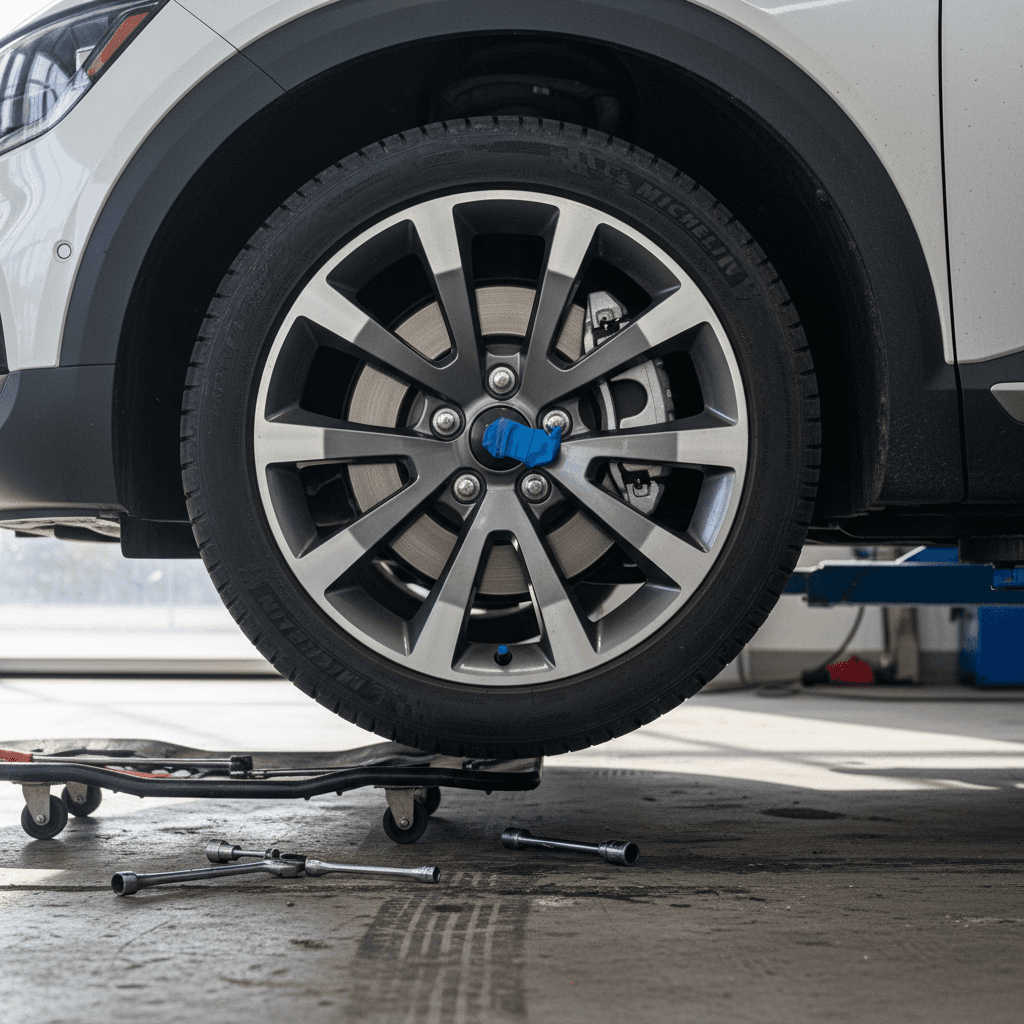
Plan on tire rotation, brake inspection, and a multi‑point inspection roughly every 10,000 miles. With an EV’s instant torque, staying on top of rotations helps prevent cupping and inside‑edge wear.
At ~20,000 miles: cabin air filter
Ford EV schedules commonly call for cabin air filter service around 20,000 miles. That filter clears pollen, dust, and road grime from the air you breathe. Many owners DIY this in a few minutes behind the glovebox.
Around 2–3 years: brake fluid check
By the 2–3 year mark (often 20,000–30,000 miles for typical drivers), it’s smart to check and replace brake fluid if it has absorbed moisture. Clean fluid protects ABS and stability‑control hardware.
30,000–60,000 Miles: Tires, Brakes, and Suspension
Tire replacement window
Depending on driving style and towing, many Lightning owners will see their first set of tires wear out between 30,000 and 50,000 miles. An all‑electric truck is hard on rubber; budget accordingly.
Alignment every 15,000–30,000 miles
Ford dealers often recommend a wheel alignment about every 15,000 miles, or anytime you mount new tires or feel wandering, pulling, or steering‑wheel vibration.
Brake fluid service if you skipped earlier
If you didn’t change brake fluid around 30,000 miles, have it serviced by 60,000 miles. Even though regenerative braking reduces pad and rotor wear, the fluid itself ages regardless of how often you brake.
Detailed suspension and steering check
By this mileage, ask your shop to look closely at control‑arm bushings, tie‑rod ends, wheel bearings, and shocks. Heavy trucks plus rough roads can accelerate wear in these areas.
60,000–120,000 Miles: Long‑Term Reliability
Ongoing 10,000‑mile checkups
Continue your 10,000‑mile rotation and inspection pattern. At this age, those visits also help catch early signs of 12‑volt battery fatigue, charging‑port wear, or coolant seepage.
Second set of tires and possibly pads
Expect another complete set of tires in this window. Thanks to regenerative braking, many Lightning owners get excellent brake life, but this is also the era where front pads and rotors may finally need attention if you drive aggressively or tow.
Drive‑unit and coolant service horizon
Ford’s EV guidelines typically push drive‑unit fluid and high‑voltage coolant changes into the 100,000–150,000‑mile zone. When you cross 8–10 years or 100,000+ miles, it’s time to talk with a Ford EV‑certified dealer about these services.
Use the Truck to Track It For You
How F‑150 Lightning Maintenance Compares to a Gas F‑150
If you’ve owned a gas F‑150, you’re probably used to the drumbeat of oil changes every 7,500–10,000 miles, periodic spark‑plug and transmission‑fluid services, and exhaust, fuel‑system, and emissions‑system work. The Lightning throws much of that playbook out.
F‑150 Lightning vs Gas F‑150 Maintenance
Where your EV truck saves you time and money, and where it doesn’t.
Items You No Longer Do
- Engine oil and filter changes
- Spark plugs, ignition coils, and fuel‑system service
- Exhaust system repairs and emissions‑system service
- Traditional automatic‑transmission services
Items That Still Matter
- Tires, alignment, and suspension
- Brake fluid and friction brakes
- Cabin air filter and wiper blades
- Coolant for the battery and drive units
- 12‑volt battery health
Bottom Line for Truck Owners
Common Wear Items on the F‑150 Lightning
Electric trucks are hard workers, and the F‑150 Lightning is no exception. Even with fewer traditional service items, you should keep an eye on a handful of wear components that tend to feel the brunt of the truck’s weight and torque.
- Tires: Heavy curb weight plus instant torque means tires can wear faster than you’re used to, especially if you tow, run aggressive all‑terrain rubber, or skip rotations.
- Suspension bushings and ball joints: Over time, the extra weight can accelerate wear on bushings, tie‑rod ends, and control‑arm joints, especially on rough roads.
- 12‑volt battery: The low‑voltage battery handles locking, alarms, telematics, and some control modules. Like in any modern vehicle, it can age out around the 4–6‑year mark.
- Wipers and washer system: Simple items, but you’ll appreciate fresh blades and fluid in bad weather, especially with a large windshield.
- Charging hardware: Periodically inspect your charge port door, contacts, and home charging cable for debris, damage, or corrosion.
Don’t Ignore Tire Pressure
Dealer Visits vs DIY: What You Can Handle Yourself
One of the big upsides of EV trucks is that more of the routine maintenance is genuinely DIY‑friendly, if you’re comfortable turning a wrench. That said, some items are still best left to a Ford EV‑certified shop.
DIY‑Friendly Tasks
- Tire rotations (if you have a jack, stands, and torque wrench)
- Cabin air filter replacement behind the glovebox
- Wiper blades and washer fluid top‑offs
- Visual inspection of tires, lights, and charge port
- Cleaning and lubricating door hinges and latches
If you’re comfortable with basic maintenance on a gas truck, these tasks will feel familiar on the Lightning.
Best Left to the Dealer
- Brake fluid flushes (EVs use specialized equipment and bleeding procedures)
- High‑voltage coolant service for the battery and electronics
- Drive‑unit fluid changes and any work near orange‑cabled components
- Warranty or recall work, software campaigns, and diagnostic issues
- Four‑wheel alignment on a modern rack
Anything involving the high‑voltage system or advanced driver‑assist tech should be handled by trained technicians.
High‑Voltage Safety
Maintenance Costs and How to Budget for Them
Routine F‑150 Lightning maintenance is usually modest compared with a similarly powerful gas truck, but some items, like tires, can still sting if they catch you off guard. Building a simple budget will keep surprises to a minimum.
Typical Lightning Maintenance Cost Ranges
Actual prices vary by region, dealer, and tire choice, but these ballparks will get you close.
10,000‑mile service
What it includes:
- Tire rotation
- Multi‑point inspection
- Fluid and brake checks
Many owners report paying a relatively small amount for this basic visit, especially if using coupons or rewards points.
Brake fluid service
Interval: ~3 years or 30,000–60,000 miles
Pricing is usually similar to brake‑fluid service on a gas F‑150. You’ll see shop‑rate variation, but it’s not an every‑year hit.
Tires & alignment
Interval: Often 30,000–50,000 miles for a set of tires
A full set of truck tires plus a four‑wheel alignment can run into four figures, depending on brand and size, easily the biggest routine maintenance cost for many owners.
Smoothing Out the Costs
Maintenance History and Buying a Used F‑150 Lightning
If you’re shopping the used market, a clean maintenance history on an F‑150 Lightning is just as important as it is on a gas truck, it just looks a little different. You’re less worried about oil‑change receipts and more interested in evidence of regular tire care, brake fluid changes, and software and recall updates.
- Ask for documentation of 10,000‑mile tire rotations and inspections. Even a simple printed history from the dealer system is helpful.
- Look for at least one documented brake‑fluid service by the 60,000‑mile mark, especially in humid climates.
- Verify that any Ford field service actions, recalls, and major software updates have been completed. A Ford dealer can print this from the VIN.
- Inspect the tire condition yourself. Uneven wear can indicate skipped rotations or alignment issues.
- Take a careful test drive to listen for suspension clunks, humming wheel bearings, or brake noise that might signal deferred maintenance.
How Recharged Helps With Used Lightning Maintenance
Ford F‑150 Lightning Maintenance FAQ
Frequently Asked Questions About F‑150 Lightning Maintenance
The F‑150 Lightning rewrites the familiar truck maintenance story. Instead of budgeting for constant oil changes and tune‑ups, you’ll be thinking in terms of tire care, periodic brake‑fluid and coolant service, and long‑term battery health. Follow the 10,000‑mile rhythm for rotations and inspections, stay ahead of alignment and brake‑fluid needs, and this electric pickup should be a straightforward, predictable truck to live with. And if you’re weighing a used Lightning, Recharged’s battery‑health diagnostics and transparent maintenance insights can help you choose the right truck, and know exactly what service is coming next.