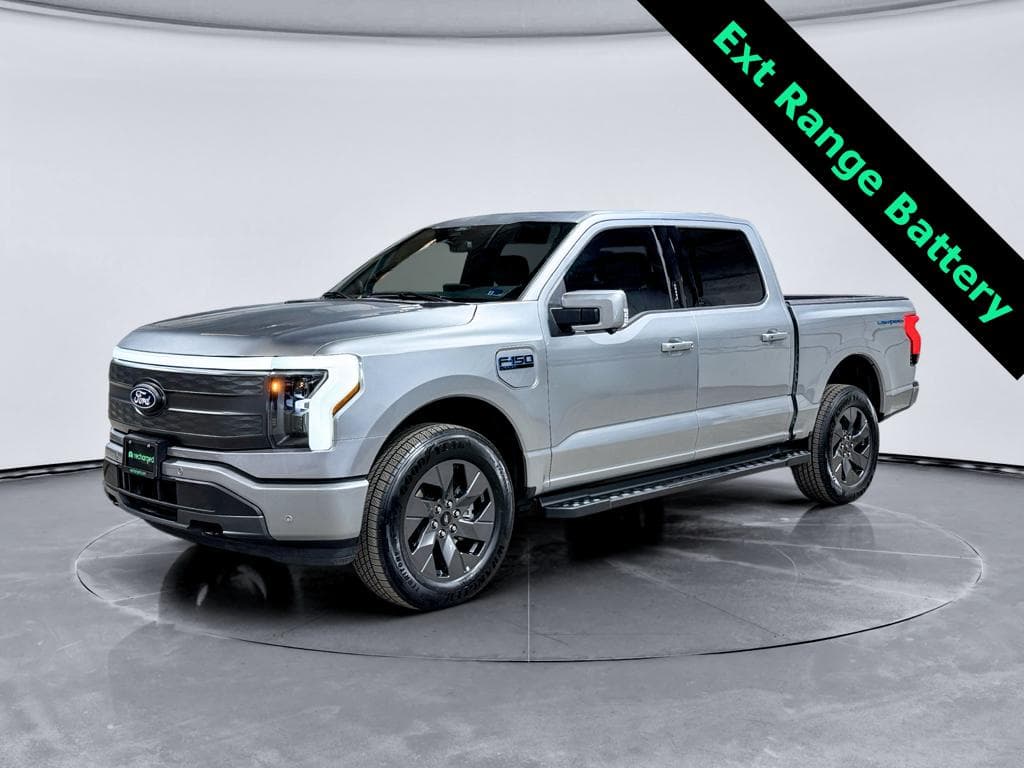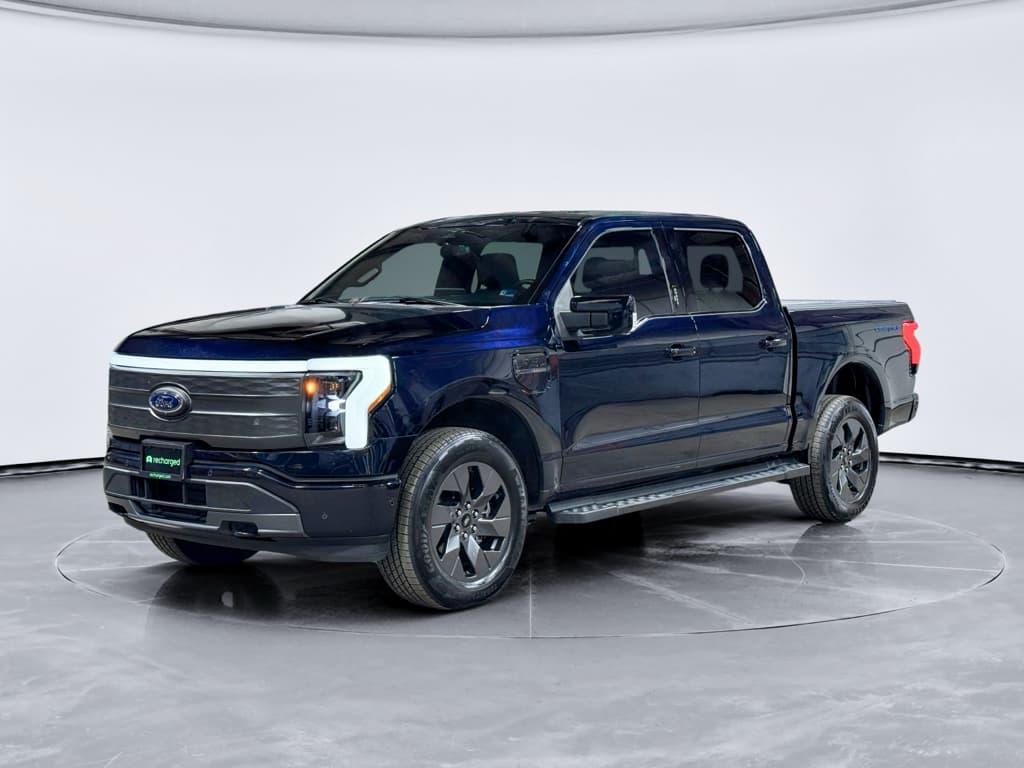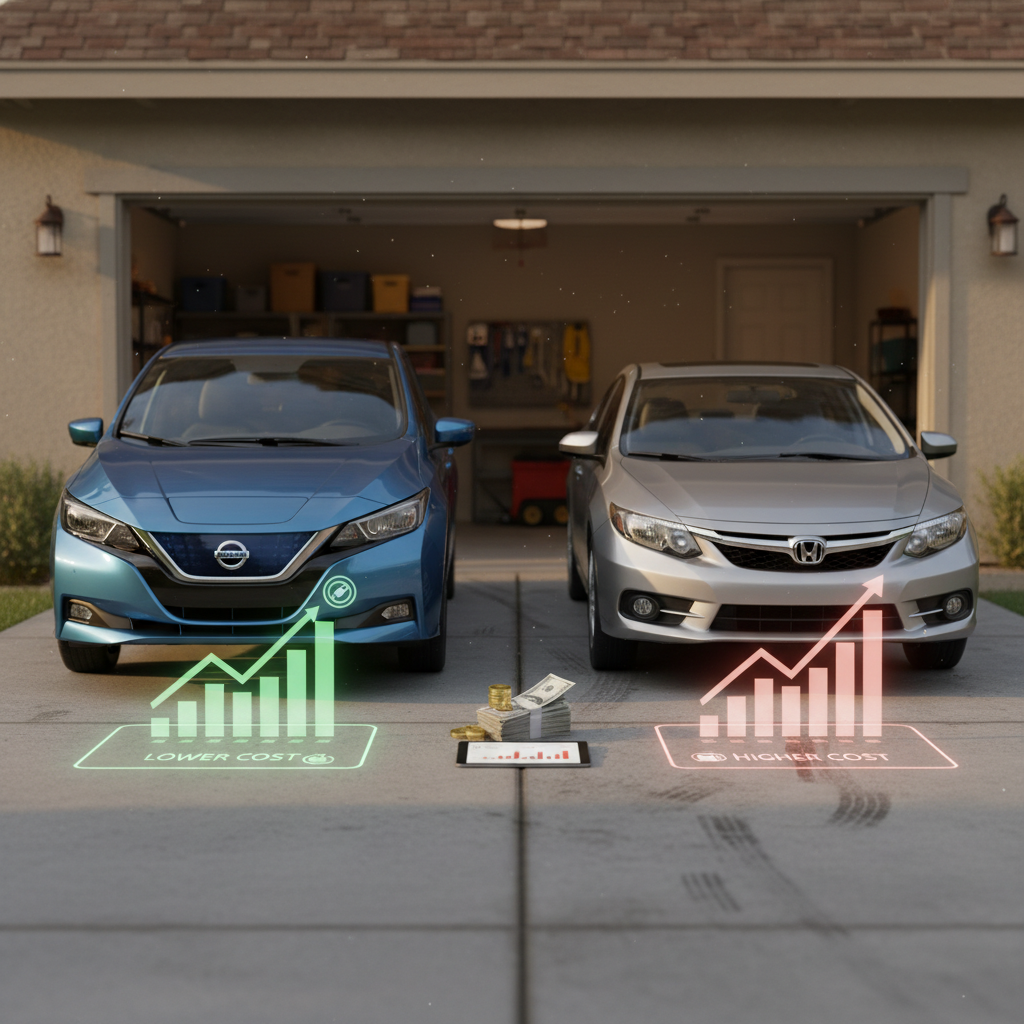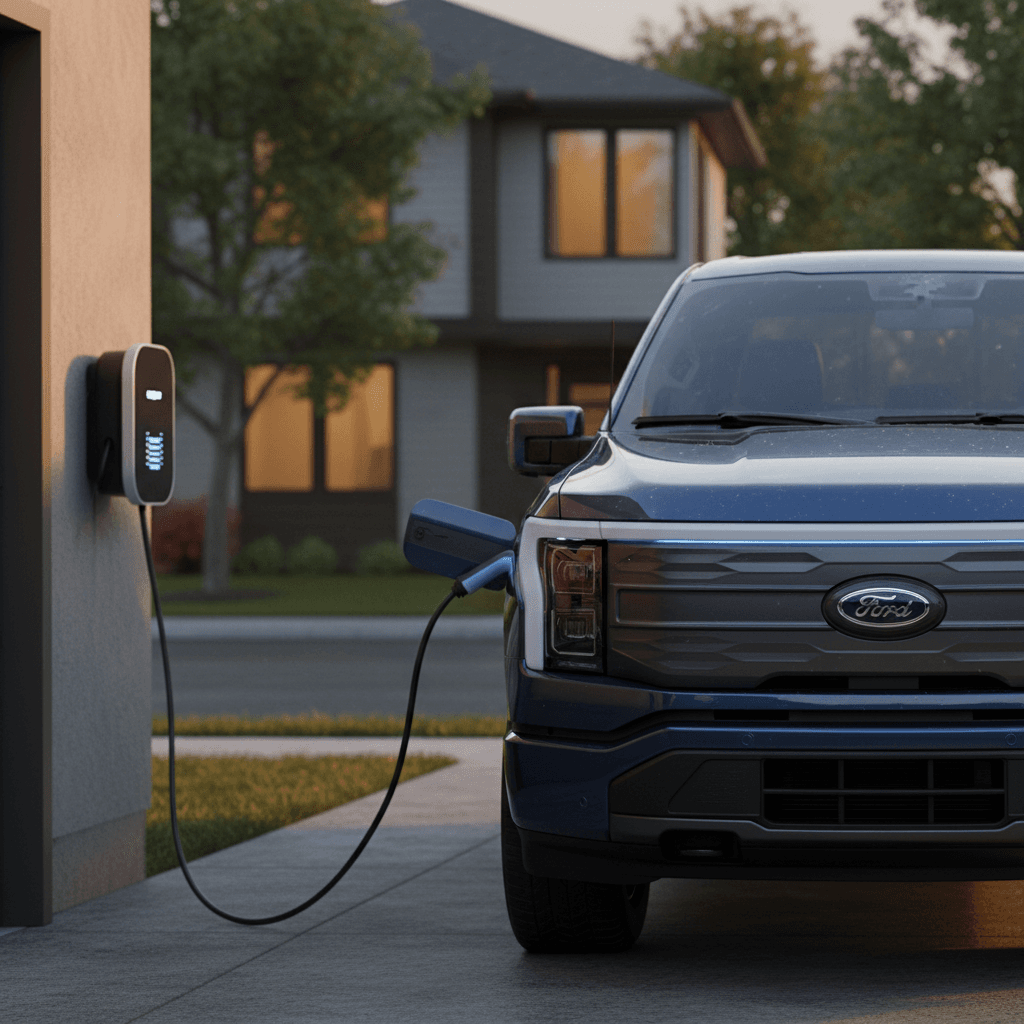
If you’re considering a Ford F-150 Lightning, or already own one, the big question isn’t just how far it goes on a charge. It’s what your **Ford F-150 Lightning charging cost per mile** will look like compared with gas. The good news: with the right electricity plan and charging habits, a Lightning can be one of the cheapest full‑size trucks to run on a cost‑per‑mile basis.
Key takeaway in one line
Why Ford F-150 Lightning charging cost per mile matters
Electric trucks like the F-150 Lightning flip the traditional cost equation. The sticker price can feel high, but **electricity is far cheaper and more predictable** than gasoline in most parts of the U.S. Cost per mile is the cleanest way to compare what you’d spend running a Lightning versus a gas F-150 or another truck you’re cross‑shopping.
What cost per mile tells you
Three reasons Lightning owners should track it
Budgeting ownership
Comparing to gas trucks
Spotting problems early
F-150 Lightning efficiency basics: kWh per 100 miles
To get to cost per mile, you first need a handle on how much energy the F-150 Lightning actually uses. Unlike gas trucks rated in miles per gallon, EVs are typically discussed in **kilowatt-hours (kWh) per 100 miles**.
Typical Ford F-150 Lightning efficiency range
In normal mixed driving with little or no towing, many Lightning owners see **around 50–55 kWh per 100 miles**, or roughly **1.8–2.0 miles per kWh**. That’s the efficiency number we’ll use in the examples below, and you can adjust it based on your own data.
Easy way to find your real efficiency
How to calculate your own Lightning charging cost per mile
The math itself is simple. Once you know your truck’s efficiency and your electricity price, you can calculate cost per mile in one line:
Step 1: Gather your numbers
- Efficiency: Your Lightning’s kWh/100 mi (for example, 50).
- Electric price: Your cost per kWh from your utility bill (for example, $0.15/kWh).
Step 2: Use the formula
Cost per mile = (kWh per 100 mi ÷ 100) × electricity price
Example: (50 ÷ 100) × $0.15 = 0.5 × $0.15 = $0.075 per mile.
Shortcut formula using miles per kWh
Home charging: typical Ford F-150 Lightning cost per mile
For most owners, **home Level 2 charging** (240V) is where the big savings show up. Residential electricity in the U.S. often lands around **$0.13–$0.20 per kWh**, though some utilities are higher or lower and many offer cheaper off‑peak EV rates at night.
Sample Ford F-150 Lightning home charging cost per mile
Assumes 50 kWh/100 mi (2.0 mi/kWh). Adjust with your own numbers as needed.
| Electricity price | Energy per 100 miles | Math | Approx. cost per mile |
|---|---|---|---|
| $0.12/kWh (cheap off‑peak) | 50 kWh | (50 ÷ 100) × $0.12 | $0.06/mi |
| $0.16/kWh (common U.S. rate) | 50 kWh | (50 ÷ 100) × $0.16 | $0.08/mi |
| $0.20/kWh (higher‑cost market) | 50 kWh | (50 ÷ 100) × $0.20 | $0.10/mi |
| $0.25/kWh (very high rate) | 50 kWh | (50 ÷ 100) × $0.25 | $0.13/mi |
These examples use round numbers. Your actual cost will vary with climate, speed, and payload.
Rule of thumb for home charging
Public fast charging cost per mile (road-trip math)
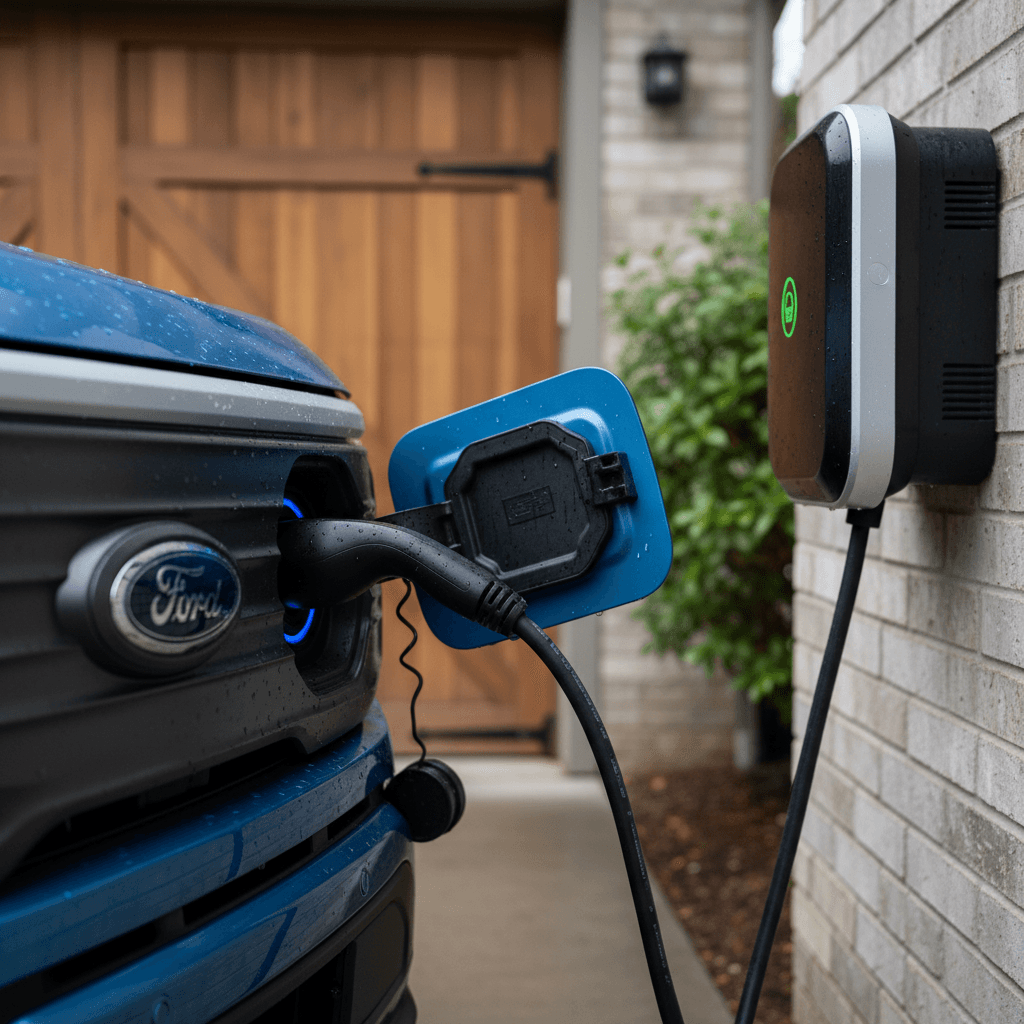
If you rely on **DC fast charging** or high‑power public Level 3 stations, especially along highways, your cost per mile will be higher. Those networks have to cover equipment, maintenance, and demand charges, so pricing can feel closer to gasoline on long trips.
Sample Lightning cost per mile on DC fast charging
Assumes 55 kWh/100 mi (heavier, faster highway driving) and typical public network rates.
| DC fast charger rate | Energy per 100 miles | Math | Approx. cost per mile |
|---|---|---|---|
| $0.30/kWh (aggressive off‑peak) | 55 kWh | (55 ÷ 100) × $0.30 | $0.17/mi |
| $0.40/kWh (common highway rate) | 55 kWh | (55 ÷ 100) × $0.40 | $0.22/mi |
| $0.45/kWh (busy corridor peak) | 55 kWh | (55 ÷ 100) × $0.45 | $0.25/mi |
These examples use simplified pricing, always check the app for current kWh or per‑minute rates.
Watch idle and session fees
Ford F-150 Lightning vs gas F-150 cost per mile
To understand the value of an electric truck, it helps to compare your **Lightning’s cost per mile** with a conventional F-150. Let’s use some conservative, easy‑to‑swap assumptions you can customize.
Example: F-150 Lightning on home charging
- Efficiency: 50 kWh/100 mi.
- Electricity price: $0.16/kWh.
- Cost per mile: (50 ÷ 100) × $0.16 = $0.08/mi.
At 12,000 miles per year, that’s about $960/year in “fuel.”
Example: Gas F-150
- Fuel economy: 18 mpg combined (typical for a full‑size 4×4 truck).
- Gas price: $3.50/gal (swap in your local number).
- Cost per mile: $3.50 ÷ 18 ≈ $0.19/mi.
At 12,000 miles per year, that’s about $2,280/year in gas.
Rough annual savings vs gas
Real-world Lightning ownership scenarios
Of course, no two owners use their trucks exactly the same way. Here are a few realistic scenarios that show how **Ford F-150 Lightning charging cost per mile** can change with your routine.
Sample cost-per-mile scenarios for Lightning owners
1. Suburban commuter with home Level 2
You commute 40 miles a day, rarely tow, and charge overnight on a standard residential rate of $0.15/kWh. At about 50 kWh/100 mi, you’re around <strong>$0.075/mi</strong>, or roughly $900 per 12,000 miles.
2. Contractor mixing home and DC fast charging
You drive 20,000 miles a year, charge at home on weeknights at about $0.14/kWh, and rely on DC fast chargers at $0.40/kWh during busy days. Your blended cost might land around <strong>$0.10–$0.13/mi</strong>, still typically below a similar gas truck.
3. Apartment dweller on public Level 2
Without home charging, you use workplace and public Level 2 at roughly $0.25/kWh. At 55 kWh/100 mi (lots of city driving and climate control), that’s about <strong>$0.14/mi</strong>. It’s higher than home charging but still competitive with gas in many markets.
4. Frequent tower or payload hauler
Towing trailers or hauling heavy loads can push efficiency to 70–90 kWh/100 mi or more, especially at highway speeds. On $0.16/kWh power, that’s **$0.11–$0.14/mi**, closer to a thirsty gas truck, but still often cheaper on a pure energy basis.
Towing changes everything
7 ways to lower your Lightning charging cost per mile
You can’t control electricity prices, but you do have levers to pull on **how much energy the truck uses** and when you buy that energy. A few small changes can shave real money off your annual ownership costs.
Practical ways to cut Lightning cost per mile
Focus on efficiency, charging strategy, and tires
Use off‑peak EV rates
Dial back highway speed
Precondition while plugged in
- Keep tires properly inflated and consider low‑rolling‑resistance options when you replace them.
- Avoid unnecessary roof racks or heavy accessories that increase drag and weight.
- Plan DC fast‑charging stops strategically so you’re not overpaying for short, frequent top‑offs.
- Use ECO or normal drive modes when you don’t need maximum performance, especially in stop‑and‑go traffic.
Use your data, not just estimates
Buying a used F-150 Lightning? How cost per mile fits in
If you’re looking at a **used Ford F-150 Lightning**, cost per mile is one of the best ways to frame total ownership. A lower purchase price plus low energy cost can make a used Lightning especially attractive, provided the battery is healthy and you understand your charging options.
What to verify on a used Lightning
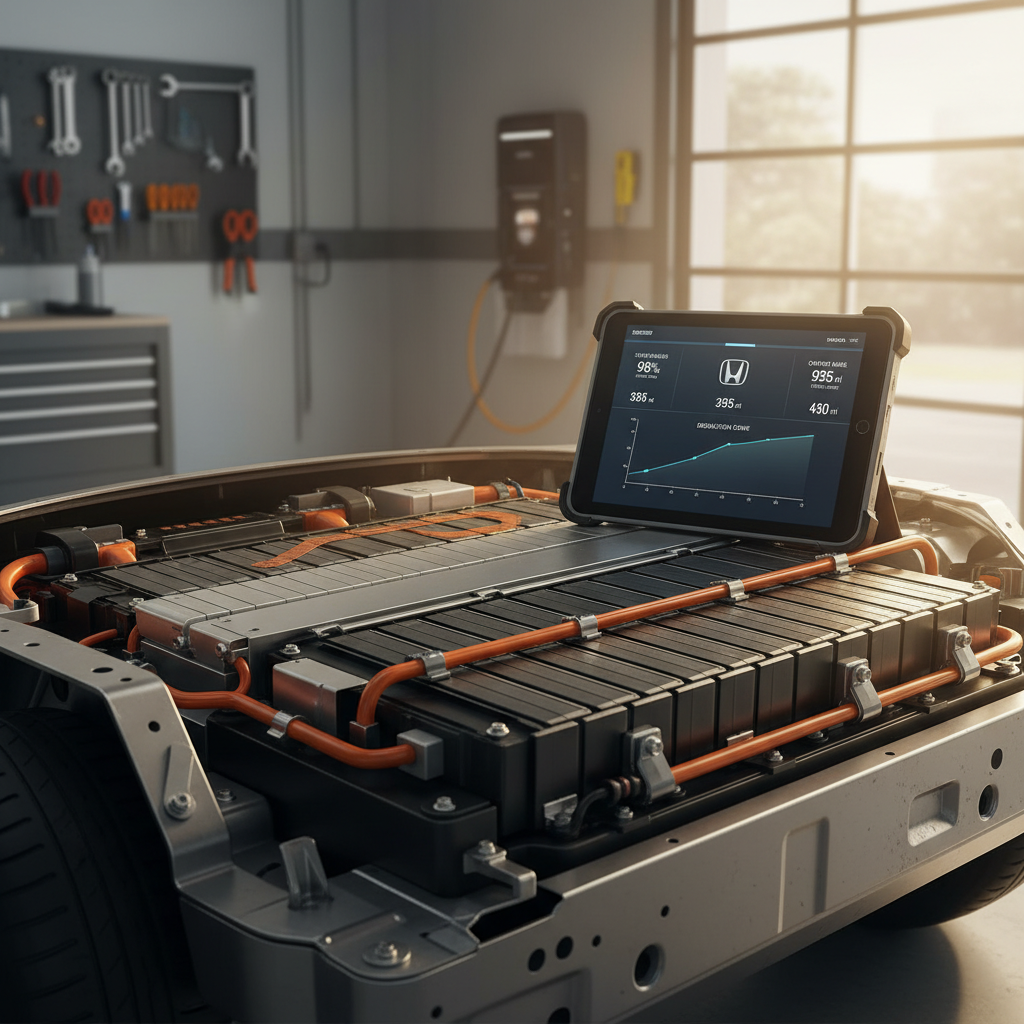
- Battery health: Ask for a recent battery health report or range snapshot at a known state‑of‑charge.
- Charging history: Light DC fast‑charge use is normal; heavy fast‑charge use every day may impact long‑term degradation.
- Onboard charger: Make sure the truck accepts full Level 2 charging power and there are no fault codes.
How Recharged can help
Every used EV sold through Recharged comes with a Recharged Score Report that includes verified battery health, pricing analysis, and other diagnostics. That makes it easier to estimate your Ford F-150 Lightning charging cost per mile with confidence, before you ever sign paperwork.
We also offer financing, trade‑in options, and nationwide delivery, plus EV‑specialist support if you’re transitioning from gas for the first time.
Using cost per mile in your shopping math
FAQ: Ford F-150 Lightning charging cost per mile
Common questions about Lightning charging costs
Bottom line: what you should budget per mile
If you have consistent access to home charging, it’s reasonable to budget **around $0.07–$0.10 per mile** to charge a Ford F-150 Lightning in typical U.S. conditions, with occasional DC fast‑charging trips bumping your blended average higher. For drivers leaning heavily on public fast chargers, planning on **$0.15–$0.20 per mile** is safer.
That still stacks up well against most gas full‑size pickups, and when you’re buying used, a healthy battery plus low cost per mile can make a Lightning one of the most cost‑effective work or family trucks you can put in your driveway. If you’re ready to run the numbers on a specific truck, browsing used EVs on Recharged gives you transparent battery health data, fair market pricing, and expert guidance so you know exactly what your next mile will cost before you take the keys.