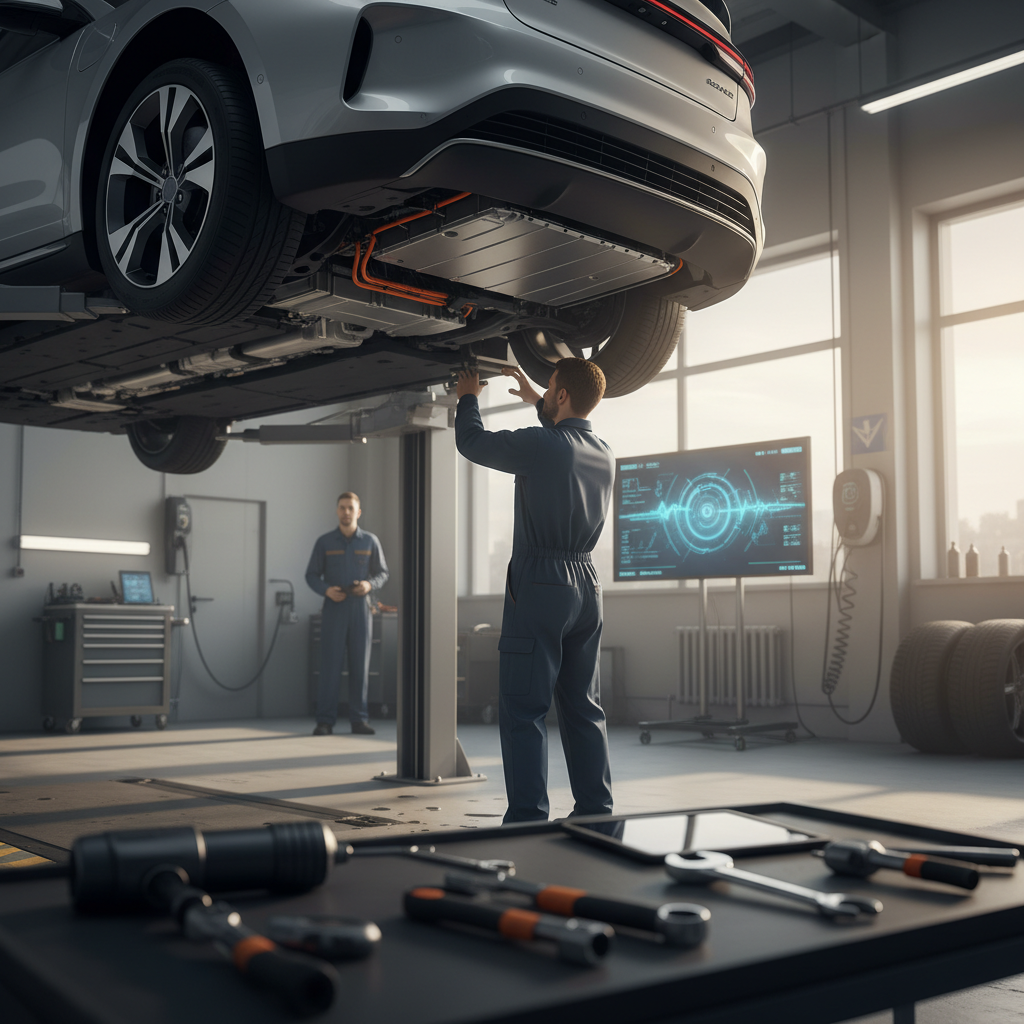
If you’ve just bought a Honda Prologue, or you’re eyeing a used one, you’re probably wondering how to keep its big battery happy for the long haul. The good news: by learning how to maximize Honda Prologue battery life now, you can hang onto your range, protect resale value, and make every charge go further.
Good news for Prologue owners
Why battery care matters for your Honda Prologue
In an electric SUV like the Honda Prologue, the battery pack is both the fuel tank and the engine. It’s the single most expensive component in the vehicle, and it dictates how far you can drive on a charge. A few years of careless habits, constantly fast-charging, parking in heat, living at 100% all the time, can shave noticeable range off your Prologue long before the rest of the vehicle feels old.
Battery health: why habits matter
Honda has built the Prologue on GM’s Ultium battery platform, which includes sophisticated thermal management and a conservative buffer to help protect the pack. That’s a great foundation. Your job is to stack good habits on top of that engineering so your Prologue feels fresh at 100,000 miles and beyond.
How EV batteries like the Prologue’s degrade over time
What’s inside your Prologue pack
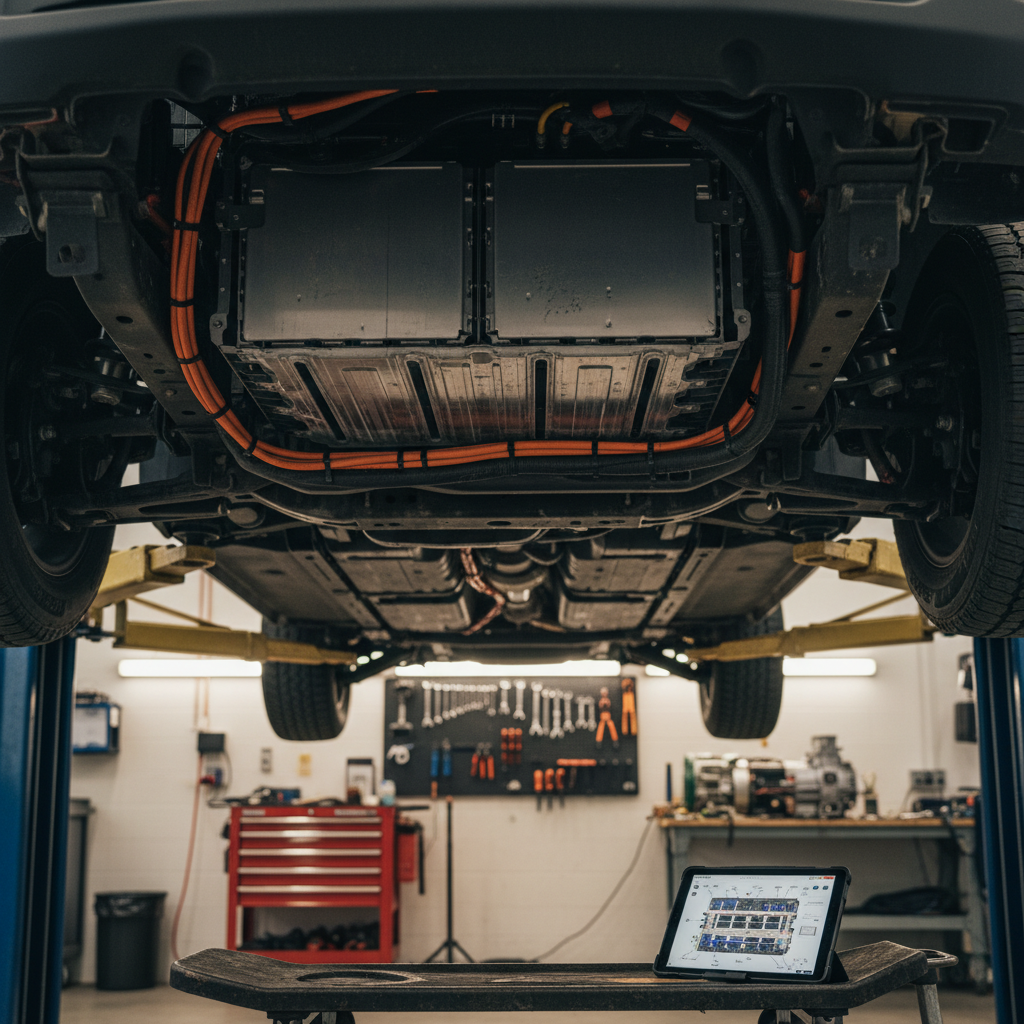
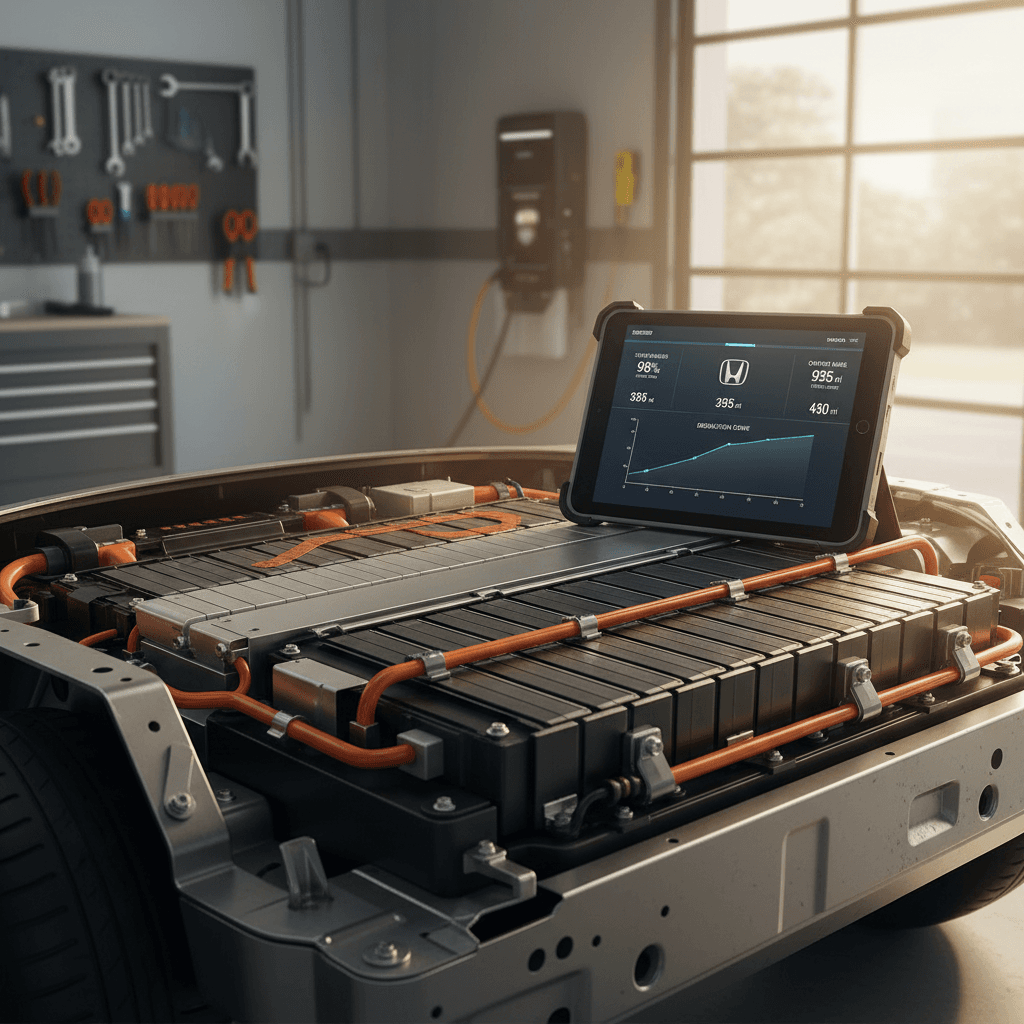
Your Honda Prologue uses a large lithium-ion battery pack made of hundreds of cells grouped into modules. The car’s battery management system (BMS) oversees charging and discharging, balancing cells so they age evenly and stay within safe temperature and voltage limits.
The pack is designed with a "buffer" at the top and bottom of its state-of-charge (SoC) range, meaning when you see 0% or 100% on the dash, the cells themselves are actually operating inside a safer window.
How degradation actually happens
Over time, chemical changes inside the cells permanently reduce the amount of energy they can hold. You can’t see it, but you’ll feel it as a gradual reduction in range and slightly slower charging at high states of charge.
- High SoC (sitting at or near 100% often) stresses the chemistry.
- High heat accelerates aging, especially when combined with high SoC.
- Frequent DC fast charging adds extra stress by pushing lots of current quickly.
You can’t stop degradation, but you can slow it down dramatically with a few simple routines.
Think in terms of “stress”
Smart charging habits to maximize Honda Prologue battery life
How you charge your Honda Prologue is the single biggest lever you control. Daily charging habits can be either a gentle jog or a daily sprint for your battery. Here’s how to keep it in marathon shape.
Daily charging rules for a healthy Prologue battery
1. Use Level 2 home charging for most charging
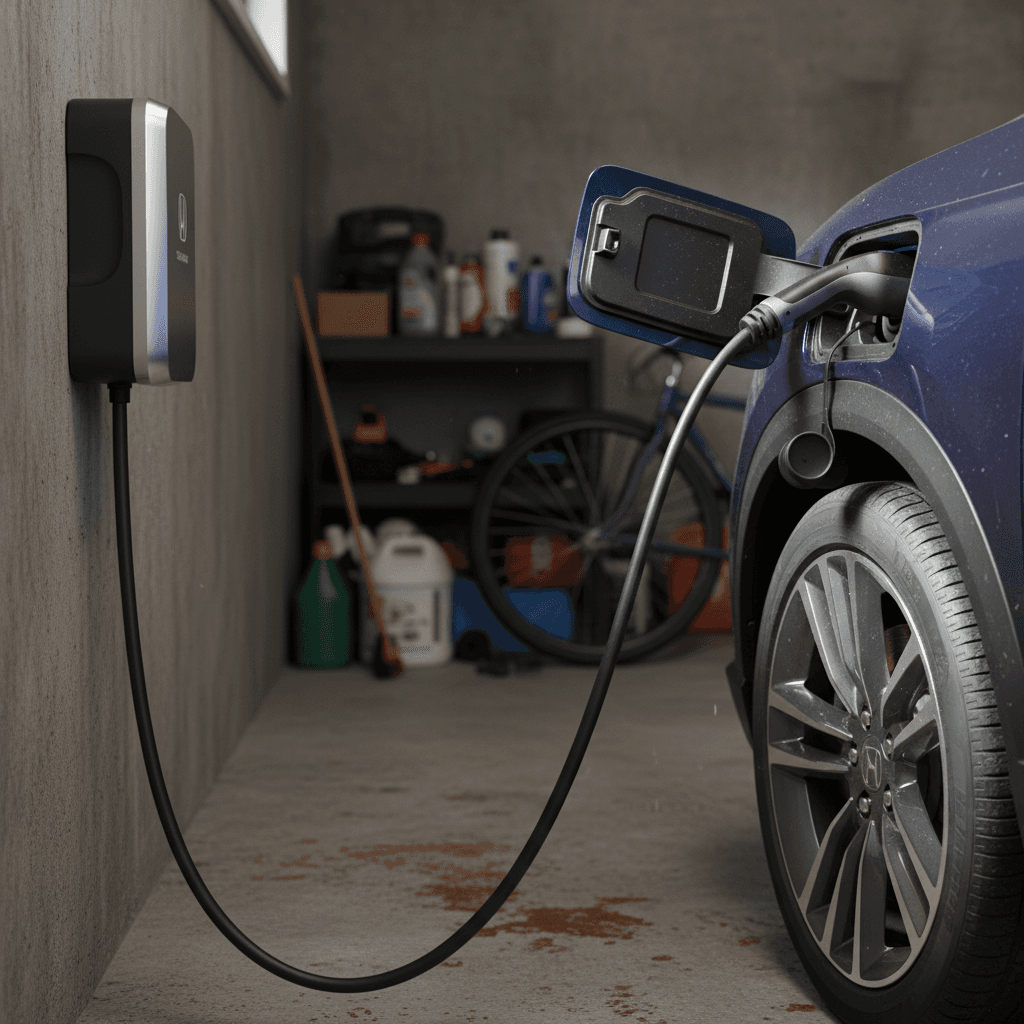
Whenever possible, rely on a <strong>Level 2 charger at home</strong> or work instead of DC fast charging. Level 2 fills the battery at a moderate pace, which is much easier on the cells than pushing big power numbers on a fast charger.
2. Set a daily charge limit around 70–80%
For day-to-day driving, set your Prologue’s charge target below 100%. Many EV owners use 70–80% as their default. That keeps you comfortably within the battery’s sweet spot while still giving plenty of range for commuting and errands.
3. Save 100% charges for trips
Charging to 100% is fine when you need maximum range, just don’t live there. For road trips, plan to hit 100% <strong>just before</strong> you leave, then get the car moving so it doesn’t sit full and hot in the driveway or at a charger.
4. Use scheduled charging to finish before departure
If your garage or parking spot has predictable departure times, use the Prologue’s scheduled charging to finish a charge right before you leave. That way the pack spends more time around mid-level SoC and less time full.
5. Avoid topping off constantly
Plugging in five times a day to go from 70% to 90% because you "might" need it just keeps your battery at high SoC more often. Instead, plan your driving so you can let it drift down toward 30–40% and then charge in one reasonable session.
6. Don’t obsess over 0–100% cycles
You may have heard of "battery memory" from old cell phones. Modern EV packs don’t work that way. You don’t need to run your Prologue from 100% to 0% on purpose, and you don’t need to fear partial charges. The BMS handles calibration in the background.
Beware of free but fast
Everyday driving habits that protect your battery
The way you drive your Honda Prologue also plays a role in long-term battery health. Think of it as all the tiny decisions you make behind the wheel that either nudge the pack toward gentle, predictable use, or toward constant stress.
Driving habits that help your Honda Prologue battery last
Smooth, predictable use is easier on both the battery and on you.
Smooth acceleration
Hard launches once in a while won’t kill your Prologue, but repeated full-throttle acceleration heats up the battery and drivetrain. Rolling into the power instead of stabbing at it reduces current spikes and keeps temperatures more stable.
Steady highway speeds
High speed itself doesn’t damage the pack, but sustained very high power demand does mean more heat. Cruising at a steady speed instead of constant heavy passing, and sticking closer to the flow of traffic, makes life easier on the battery and extends range.
Maximize regen, not friction brakes
Use your Prologue’s regenerative braking modes to capture energy instead of wasting it as heat in the brake pads. That doesn’t change degradation directly, but it means shallower discharge cycles for the same trip, which is friendlier to the pack.
- Avoid repeated full-throttle runs on a low battery; the pack is working hardest when it’s low and you’re asking for maximum power.
- Don’t ignore warnings about power limits in extreme heat or cold, the car is protecting itself.
- Keep tires properly inflated so the battery isn’t fighting extra rolling resistance every mile.
Temperature, weather, and your Prologue battery
Every EV owner eventually learns the truth: temperature is just as important as state of charge. Cold can make your Honda Prologue feel temporarily sluggish and reduce available range; heat quietly accelerates chemical aging. You can’t control the weather, but you can control how you park, charge, and precondition.
Temperature tips for Honda Prologue battery health
Park in shade or indoors when possible
In hot climates, a <strong>garage or carport</strong> is gold. Even a simple shade tree or covered parking at work can keep cabin and pack temperatures lower, especially after a fast charge.
Use preconditioning while plugged in
On very hot or very cold days, use climate preconditioning while the Prologue is still plugged in. That lets the battery and cabin come up to temperature using grid power instead of taking a big bite out of your usable charge.
Don’t leave it full in the heat
A Prologue that’s been fast-charged to 100% and left baking in direct sun is living the worst day of its life, chemically speaking. If you must charge to full, aim to drive soon afterward, or park in shade so the pack can cool off.
Expect temporary range loss in winter
Cold makes the battery less efficient and slows down charging, but most of that loss is temporary. Once things warm up, range generally rebounds, assuming your underlying habits are solid.
Red flag scenario
Fast charging your Honda Prologue: Do it right
DC fast charging is one of the Prologue’s best tricks: grab a coffee, add a big chunk of range. Used thoughtfully, it won’t ruin the battery. Used as your primary fuel source, several times a week, it can speed up degradation.
Healthy vs. harmful fast-charging patterns
Use DC fast charging as a convenience, not a lifestyle.
| Scenario | Impact on battery | How to adjust |
|---|---|---|
| Road trip: charge from ~15% to ~70–80%, then hit the road | Low–moderate stress, generally fine even when repeated on long trips | Unplug once you reach your next-leg range target instead of waiting for a slow crawl to 100% |
| Weekly fast-charge from 20% to 100% just because it’s nearby | Higher stress, especially if the pack gets hot and then sits full | Limit to 80% for routine use; save 100% charges for longer drives right afterward |
| Multiple short fast-charges in one day (20–40%, 40–60%, etc.) | Unnecessary stress and heat cycles for little real-world benefit | Plan routes to combine errands or legs so you can charge less often but more efficiently |
| Fast-charging immediately after aggressive driving on a hot day | Battery is already hot; fast charge stacks more heat and stress | Let the car cool a bit or drive more gently before plugging into a DC fast charger in extreme heat |
Aim for "healthy habits" most of the time; save the "harmful" patterns for true emergencies only.
Think in legs, not in percentages
Long-term storage and infrequent driving
If your Honda Prologue is going to sit, maybe you have another car, maybe it’s a seasonal home, treat the battery like a houseplant, not a rock. It doesn’t want to be bone-dry or drowning all the time; it wants that comfortable middle.
How to store a Honda Prologue to protect the battery
Aim for 40–60% before parking long-term
For storage measured in weeks or months, leaving the battery around <strong>half full</strong> is ideal. It gives the BMS room to do its work without the cells sitting at a stressful high or low SoC.
If possible, leave it plugged in with a limit set
Some owners prefer to leave the car plugged in with a charge limit set (for example, 60%). That way, the Prologue can use a bit of grid power to run thermal management and top itself up as needed without creeping toward 100%.
Avoid parking for months at 0–5%
Letting an EV sit essentially empty for long periods is just as bad as leaving it full. Deep discharges are harder on the chemistry, and the pack can drift so low that the car needs special service to wake up.
Check in periodically
If you’re away for many months, have someone check the car occasionally or use connected app tools if available. A quick look at the state of charge lets you catch any issues before they become bigger problems.
Battery health when buying or selling a Prologue
If you’re shopping for a used Honda Prologue, or planning to sell yours, battery health isn’t just a technical curiosity. It’s money. Two identical Prologues on the lot, one with strong, verified battery health and one with a tired pack, will not command the same price.
What to look for as a buyer
- Realistic range at typical SoC: A healthy Prologue should still feel close to its original range on a 70–80% daily charge, adjusted for weather.
- Charging behavior: Extremely slow fast-charging at modest SoC levels can hint at a battery that’s protecting itself.
- Ownership story: Ask how the previous owner charged, mostly at home on Level 2, or living on DC fast chargers?
Because eyeballing health from a quick test drive is tough, independent verification is becoming the gold standard for buying used EVs.
How Recharged makes battery health transparent
At Recharged, every used EV, including the Honda Prologue when they start entering the used market, comes with a Recharged Score Report. That includes verified battery health diagnostics, so you’re not guessing how the previous owner treated the pack.
If you’re selling, a clean report and healthy battery habits can help your Prologue stand out and support a higher, more confident asking price.
And if you’re buying, you get expert guidance, fair market pricing, and the peace of mind that comes with transparent data rather than vague assurances.
Turn good habits into real value
Common mistakes that shorten battery life
Most Honda Prologue owners will never destroy their battery, modern packs are robust. But it’s surprisingly easy to shave years of happy, high-range life off the pack with a few repeat offenses. Here are the big ones to avoid.
- Using DC fast charging several times a week for local errands instead of as an occasional convenience.
- Leaving the Prologue at or near 100% charge for days at a time, especially in summer heat.
- Regularly parking for long periods with the battery nearly empty.
- Ignoring software updates that may refine charging behavior or thermal management.
- Driving aggressively on a low battery right up to the last few miles, routine after routine.
Don’t chase myths, chase good patterns
FAQ: Honda Prologue battery life and care
Frequently asked questions about Honda Prologue battery life
Key takeaways for maximizing Honda Prologue battery life
Your Honda Prologue’s battery is tough, but it’s not invincible. Treat it with a little respect, keep daily charges in the middle, reserve 100% and fast charging for when you actually need them, protect it from extreme heat when you can, and it will quietly reward you with stable range and strong performance for years.
If you’re stepping into the used market, either as a buyer or a seller, remember that battery health is the new odometer. At Recharged, every EV comes with a Recharged Score Report so you can see exactly what you’re getting, from verified battery diagnostics to fair market pricing. Pair that transparency with the habits you’ve learned here, and your Honda Prologue’s battery should be the last thing you worry about, no matter how many miles are on the clock.