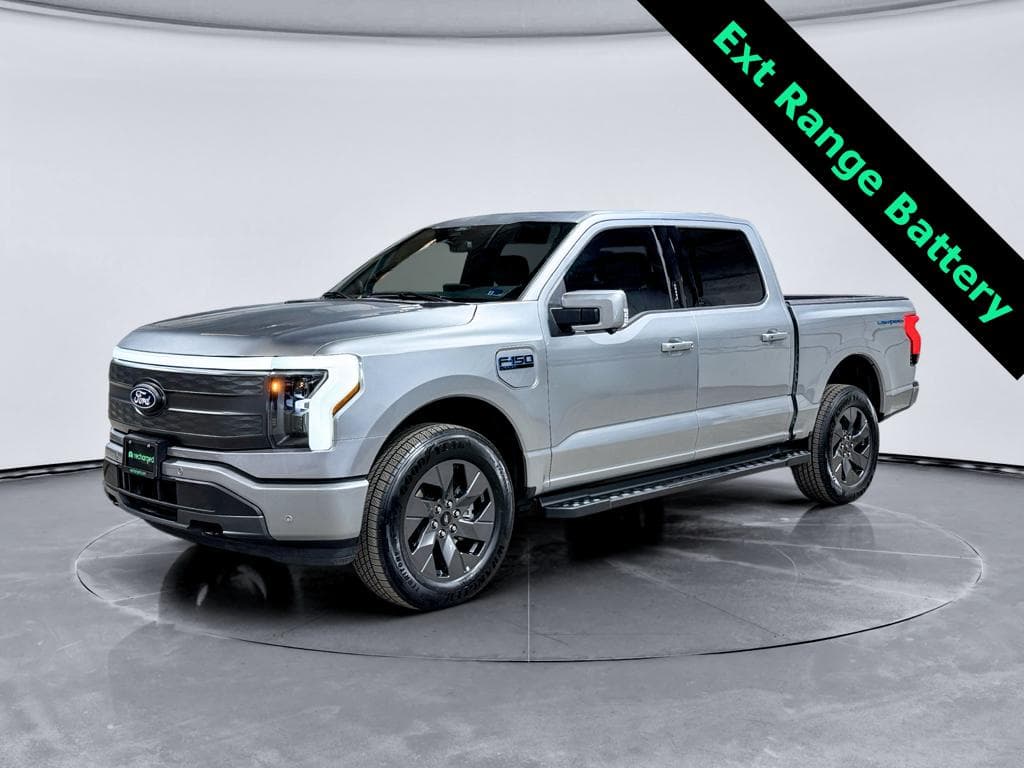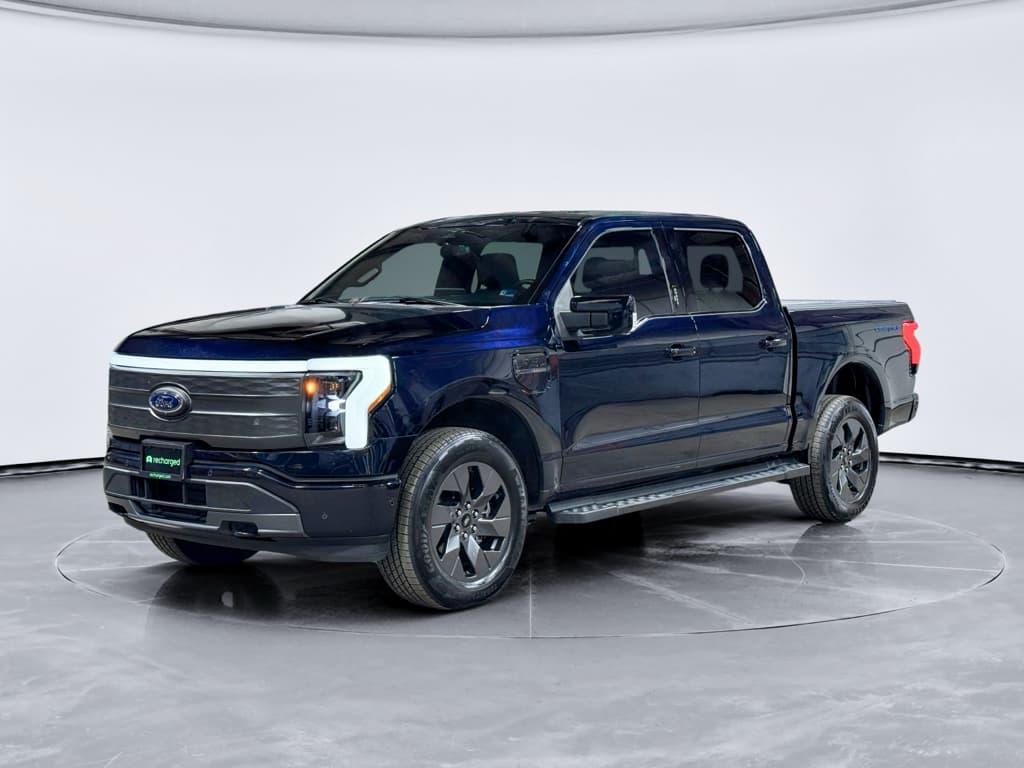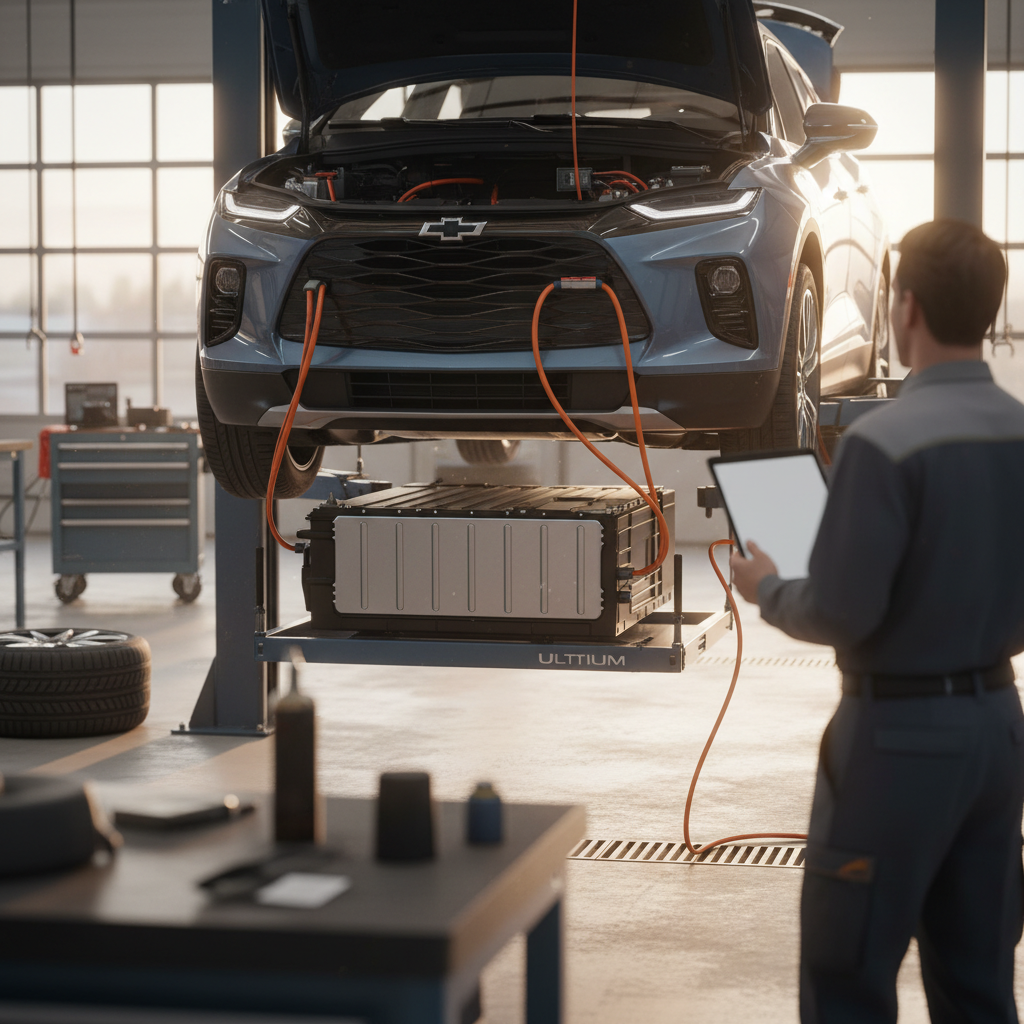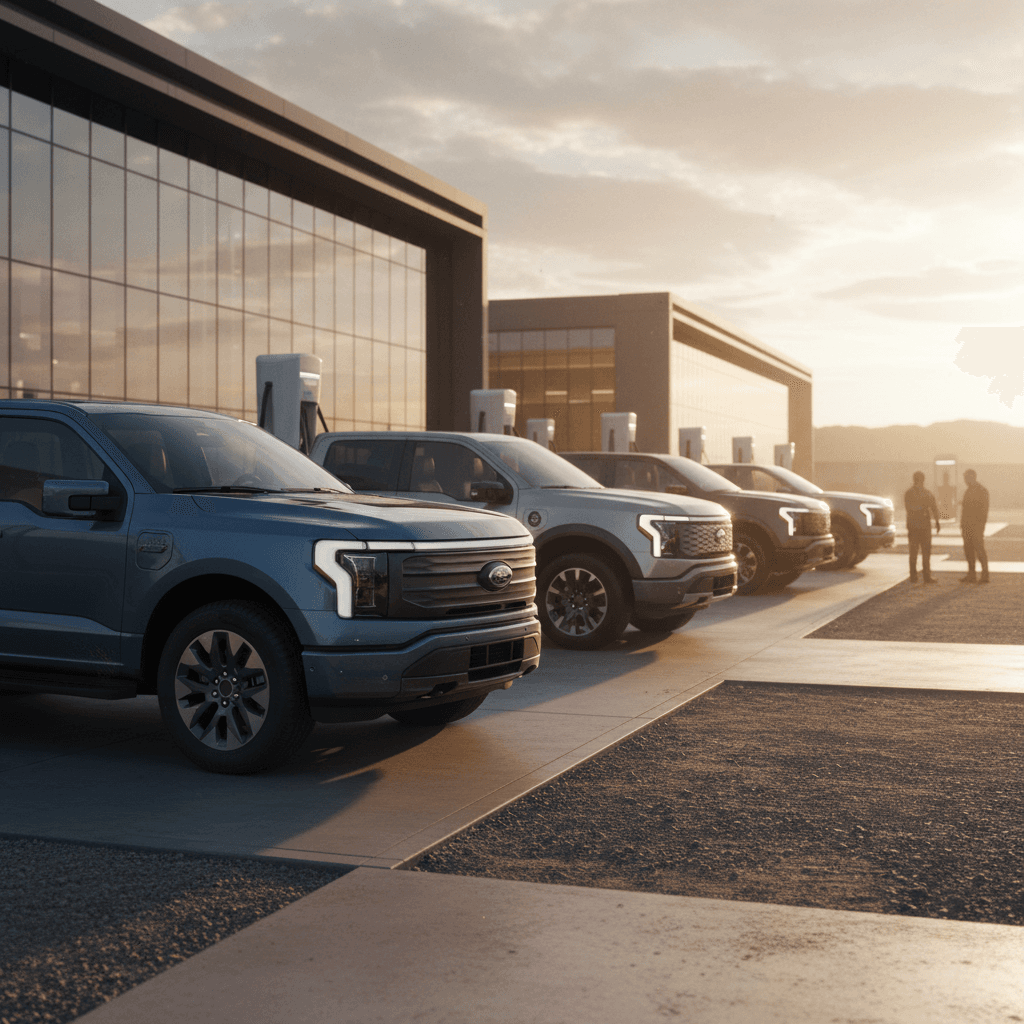
You’re not just choosing an electric truck, you’re choosing how you’ll work, play, and road trip for the next several years. The Ford F-150 Lightning vs Rivian R1T matchup is the core battle in today’s EV pickup world: one truck rooted in America’s best‑selling nameplate, the other a tech-forward adventure rig built from a clean sheet. The right answer depends far less on 0–60 times and far more on how you actually plan to use your truck.
Two very different takes on an electric truck
Overview: Ford F-150 Lightning vs Rivian R1T
The Ford F-150 Lightning leans into practicality: a conventional full‑size truck body, a quiet and comfortable ride, straightforward controls, and the backing of Ford’s nationwide dealer network. It’s the better fit if you’re coming out of a traditional half‑ton pickup and want your first EV to feel familiar, just quicker and quieter.
The Rivian R1T plays a different game. It’s shorter overall but still roomy, with standard all‑wheel drive, clever outdoor‑oriented storage (like the Gear Tunnel), and serious off‑road hardware. It typically offers more range and more performance than comparable Lightning trims, but at higher prices and with a more premium, SUV‑like feel inside.
Quick take
Key Specs: Ford F-150 Lightning vs Rivian R1T
Core Specs at a Glance
Approximate specs for popular 2024–2025 configurations of the Ford F-150 Lightning and Rivian R1T. Exact numbers vary by trim, battery, and wheels.
| Spec | Ford F-150 Lightning | Rivian R1T |
|---|---|---|
| Starting MSRP (new, approx.) | Mid-$50,000s–$90,000+ | High-$60,000s–$110,000+ |
| Typical used pricing (early builds) | Often high-$40,000s–$60,000s | Commonly $60,000+ |
| Max EPA range | Up to ~320 miles (extended battery) | Roughly 270–410 miles depending on battery and motors |
| Max towing capacity | Up to 10,000 lbs (extended battery) | Up to 11,000 lbs |
| Max payload | Around 2,200+ lbs (varies by trim) | Around 1,700+ lbs |
| Drive layout | Dual‑motor AWD on most trims | Dual- or quad‑motor AWD |
| 0–60 mph (quickest trims) | Around mid‑4 second range | As quick as ~3.0 seconds (earlier quad) and quicker on new quad models |
| Frunk volume | Roughly 14 cu ft | About 11 cu ft |
| Off-road focus | Light to moderate, optional packages | Heavy emphasis; adjustable air suspension, multiple off‑road modes |
Always confirm the exact specs for the specific truck you’re considering, especially on the used market.
Electric Pickup Highlights
Price, Trims, and Value
Both trucks started out expensive, but incentives, competition, and the growing used EV truck market have changed the picture. Today, the Ford F‑150 Lightning generally undercuts the Rivian R1T on price, especially on the used side, though specific deals vary heavily by region and equipment.
How They Stack Up on Price and Value
New and used pricing trends, plus what you actually get for your money.
Ford F-150 Lightning pricing & value
New: Recent Lightnings typically span from the mid-$50,000s for lower trims to $90,000+ for fully loaded models with the extended‑range battery and luxury packages.
- Often the lower entry price among EV pickups.
- Fleet and work‑focused trims show up sooner on the used market.
- Strong appeal if you value familiar F‑150 capability with low running costs.
Rivian R1T pricing & value
New: Many configurations land from the high‑$60,000s into six figures, especially with Max battery or quad‑motor performance.
- Higher price, but more range and performance than comparable Lightnings.
- Interior and materials feel more like a premium SUV than a work truck.
- Used prices still reflect strong demand from adventure‑minded buyers.
Watch the options sheet
If you’re budget‑sensitive and mainly need a comfortable daily truck with occasional towing, the Lightning’s lower purchase prices and more traditional options structure give it an edge. Shoppers drawn to the R1T are often willing to pay more upfront for range, performance, and its premium cabin.
Range, Battery Options, and Charging
Range is where the Rivian R1T typically opens up some daylight. While exact figures depend on battery, motors, and wheels, the R1T can be configured for well over 350 miles of EPA‑rated range, with some dual‑motor Max battery trucks stretching to around 400 miles. The F‑150 Lightning tops out around the low‑300‑mile mark in its best‑case extended‑battery configurations.
Ford F-150 Lightning batteries
- Standard battery: Roughly 230 miles of EPA range on many trims.
- Extended battery: Up to about 320 miles in favorable configs; real‑world varies with towing, payload, and weather.
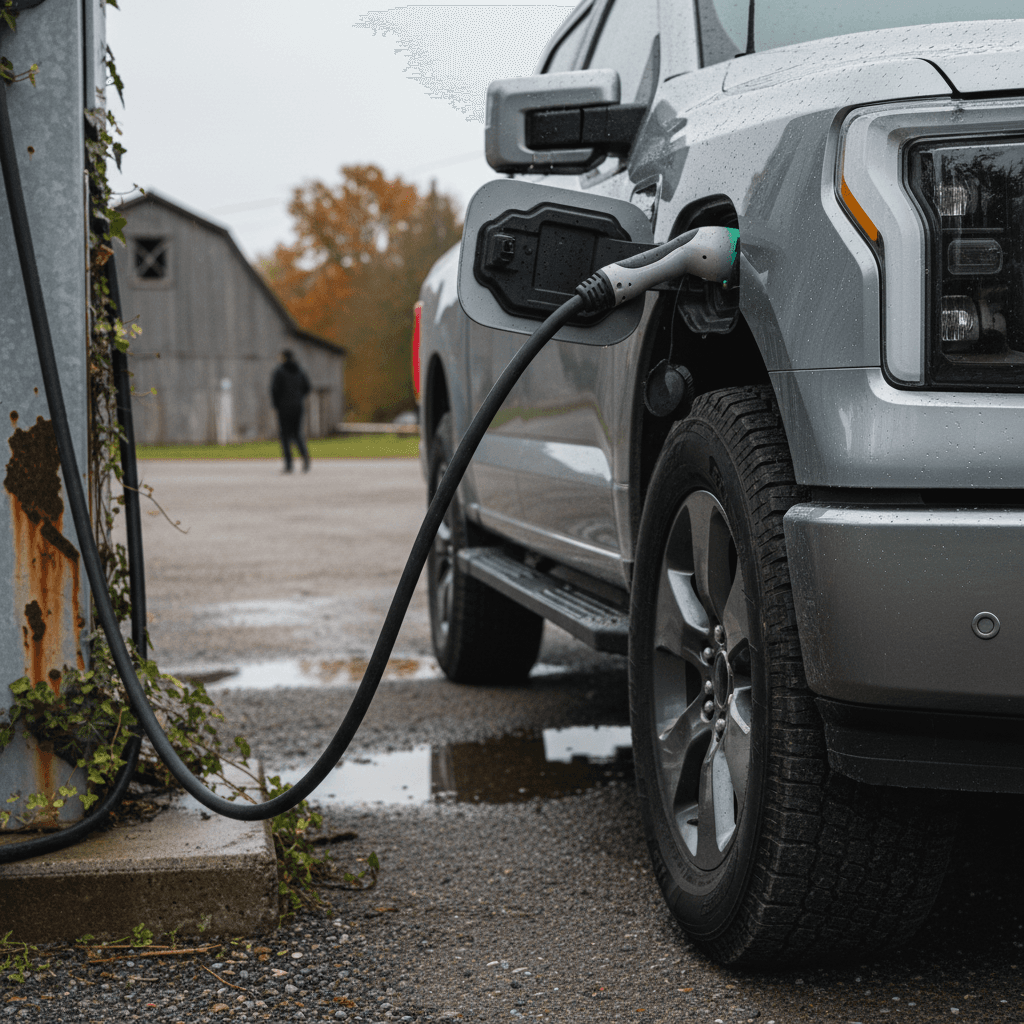
- Charging: DC fast‑charging can take the Lightning from about 15% to 80% in under an hour at a properly sized charger.
- Home charging: 48‑amp or higher Level 2 setup can comfortably recharge overnight.
Ford also offers vehicle‑to‑home power hardware on certain trims, turning the truck into an emergency backup generator.
Rivian R1T batteries
- Standard & Large packs: Roughly 270–350 miles depending on motors and wheels.
- Max battery: Configurations can reach around 380–410 miles of EPA‑rated range.
- Charging: DC fast‑charging peaks north of 200 kW on many trims, delivering strong road‑trip speeds.
- Home charging: 11.5‑kW onboard charger supports typical 240‑V home setups.
With more range on tap, the R1T is often the better fit if your adventures take you far from dense charging corridors.
Real‑world range vs spec sheet
Towing, Hauling, and Real-World Utility
When you hook up a trailer, both of these trucks stop looking like long‑range EVs. That’s not a flaw, it’s physics. Heavy loads and big frontal areas eat energy, whether the truck burns gasoline or electrons. Still, there are meaningful differences between the F‑150 Lightning and the Rivian R1T in how they handle work.
Towing and Payload Comparison
Key numbers for capability‑minded truck shoppers.
| Capability | Ford F-150 Lightning | Rivian R1T |
|---|---|---|
| Max towing | Up to 10,000 lbs (extended battery) | Up to 11,000 lbs |
| Max payload | Around 2,000–2,200+ lbs, trim‑dependent | Around 1,700+ lbs |
| Bed length | 5.5 ft (typical full‑size short bed) | ~4.5 ft |
| Frunk volume | Roughly 14 cu ft | About 11 cu ft |
| On‑board power | Pro Power Onboard outlets available | Multiple 120‑V and 12‑V outlets, no full house‑backup system |
Towing figures assume properly equipped trucks; always check the specific VIN for exact ratings.
Work truck vs adventure truck
If your idea of “towing” is a pair of jet skis to the lake a few weekends a year, either truck will do fine with some range planning. If you routinely haul heavy travel trailers or equipment, the R1T’s higher tow rating is appealing, but the Lightning’s full‑size bed and more traditional truck proportions can be easier to live with day‑to‑day.
Questions to Ask Yourself About Towing and Hauling
1. How often will you tow near the limit?
If you’re regularly close to 8,000–11,000 lbs, <strong>tow ratings and payload</strong> matter more, and you’ll want to over‑spec both truck and charging plan.
2. Is bed length or enclosed storage more important?
The Lightning’s longer bed favors building materials, quads, and yard work. The R1T’s shorter bed is offset by a large frunk, Gear Tunnel, and under‑bed storage that’s perfect for camping gear.
3. Can you charge at or near your destination?
If your favorite campground or jobsite has power, range anxiety while towing drops dramatically. If not, you’ll want to be conservative on trailer weight and distance.
Performance and Driving Experience
No matter which way you go, your first hard launch in an electric truck will recalibrate your expectations. Instant torque makes these big vehicles feel surprisingly quick off the line, and the silence only makes it more surreal. But again, the F‑150 Lightning and Rivian R1T take different tacks.
On‑Road Personality: Lightning vs R1T
Both are fast; they just express it differently.
Ford F-150 Lightning driving feel
- Quick, but familiar: Even the lower trims feel brisk; extended‑battery and higher‑trim models pull hard from a stop.
- Comfort‑first tuning: The ride is tuned more like a modern half‑ton pickup, comfortable and composed, not particularly sporty.
- Quiet cabin: Very little powertrain noise; wind and tire noise are well‑managed.
- Best for: Drivers who want an easy transition from a gas F‑150 or other full‑size pickups.
Rivian R1T driving feel
- Sports‑car acceleration (in some trims): Earlier quad‑motor trucks could crack ~3.0 seconds 0–60, with newer high‑output versions even quicker.
- Confident handling: Shorter overall length and sophisticated suspension tuning make it feel more like a big performance SUV than a work truck.
- Adjustable drive modes: Multiple settings for ride height, steering, and power delivery let you choose comfort or aggression.
- Best for: Drivers who care as much about driving fun as they do about utility.
Good news: no "slow" choice here
Off-Road Capability and Adventure Gear
Here, the Rivian R1T clearly shows what it was built to do. High ground clearance with an air suspension, multiple off‑road drive modes, strong approach/departure angles, and precise low‑speed control make it feel tailor‑made for overlanding and back‑country trips. It’s one of the most capable off‑road EVs you can buy.
Ford F-150 Lightning off‑road capability
- Available all‑terrain tires and off‑road‑oriented trims help, but underpinnings are essentially a full‑size road‑biased truck.
- Ample ground clearance for dirt and mild trails, yet size and weight make tight trails challenging.
- Great for gravel roads, job sites, and snowy commutes, less ideal as a rock‑crawler.
If you occasionally hit fire roads or campsites, the Lightning will be fine; just be mindful of range when traction is low or speeds are high.
Rivian R1T off‑road capability
- Adjustable air suspension that can raise for serious ground clearance, approaching 15 inches in some modes.
- Dedicated off‑road drive modes for snow, sand, rocks, and more.
- Shorter overall length and advanced traction control tuned specifically for rough terrain.
- Adventure‑oriented details like the Gear Tunnel, optional camp kitchen accessories on some model years, and numerous tie‑downs.
If off‑pavement exploring is central to your lifestyle, the R1T is one of the best purpose‑built electric adventure trucks on the market.
Off‑road EV reality check
Interior, Tech, and Comfort
Climb inside and the difference in philosophy is clear. The Lightning’s cabin feels like a modern F‑150, big physical controls, chunky steering wheel, and a broad center stack. It’s comfortable, functional, and easy to understand if you’ve driven a truck in the last decade. Screen sizes vary by trim, but all versions give you a large central display and digital gauge cluster.
The Rivian R1T takes a cleaner, more minimalist approach. A single large central touchscreen handles most functions, flanked by a wide digital gauge display. Materials feel more like a premium crossover than a work truck, with careful use of color and texture. The rear seat area isn’t as cavernous as a full‑size crew‑cab Ford, but it’s still comfortable for adults.
Technology and Comfort Highlights
Two very different takes on a modern EV cabin.
Ford F-150 Lightning tech & comfort
- Infotainment: Large central touchscreen with familiar Ford interface, wireless smartphone integration, and available premium audio.
- Controls: Plenty of physical buttons and knobs, helpful if you work in gloves.
- Seating: Spacious front row, generous rear legroom like other full‑size pickups.
- Practical touches: Fold‑flat work surface options, under‑seat storage, and numerous power outlets.
Rivian R1T tech & comfort
- Infotainment: Clean, tablet‑like interface with rich graphics and frequent over‑the‑air updates.
- Minimalist controls: Most functions are on‑screen; physical controls are intentionally limited.
- Cabin feel: More like a premium adventure SUV than a traditional truck.
- Unique features: Optional gear‑storage accessories, creative interior lighting, and thoughtful design touches.
Which interior will you actually prefer?
Ownership Costs and Used EV Considerations
Electric trucks are still new territory for many buyers, and that makes the used EV market both an opportunity and a risk. Depreciation can be steep on the first owner, but you’ll want to be sure the battery and pricing truly make sense before you jump on a “deal.”
Ford F-150 Lightning ownership picture
- Dealer network: Thousands of Ford dealers across the country can handle basic service and warranty work.
- Parts and body work: Easier to source body panels and interior bits compared with a low‑volume startup.
- Used market: Growing supply of former demo, fleet, and early retail trucks makes it easier to find a configuration that fits your budget.
For many first‑time EV owners, the combination of familiar badge and broad dealer coverage is a big comfort factor.
Rivian R1T ownership picture
- Direct‑to‑consumer model: Sales and service are handled through Rivian service centers and mobile units.
- Software‑heavy vehicle: Over‑the‑air updates routinely improve features, add drive modes, and refine the driving experience.
- Used market: Smaller pool than Ford’s, with pricing that remains relatively strong for well‑equipped adventure builds.
If you’re comfortable with app‑based service scheduling and a more modern, software‑centric ownership experience, the R1T can be a rewarding long‑term partner.
Don’t skip a battery health check
This is exactly where a platform like Recharged is designed to help. Every EV listed includes a Recharged Score Report with verified battery diagnostics, pricing analysis versus the broader market, and expert guidance on what those numbers mean for your ownership costs. That’s especially important on heavy, powerful trucks where battery replacement would be a major expense.
Checklist for Shopping a Used F-150 Lightning or Rivian R1T
Verify real battery health
Ask for a third‑party battery report, like the Recharged Score, so you understand remaining capacity and any signs of unusual degradation.
Match range to your real usage
Don’t pay a premium for the highest‑range configuration if your daily driving is under 60 miles and you rarely road‑trip.
Confirm charging options at home
Make sure your home can support a 240‑V Level 2 charger and that you understand the installation costs before you buy the truck.
Check towing and payload labels
Look at the specific truck’s door‑jamb stickers for precise ratings; options and wheels can change payload and tow limits.
Review software and feature history
On Rivians especially, software updates can add or change features. Ask what version the truck is on and whether all recalls and campaigns are current.
Which Electric Truck Is Right for You?
Choose Your Best-Fit Truck
Match your use case to the truck that serves it best.
The practical daily‑driver & work truck
Best fit: Ford F-150 Lightning
- You want a full‑size bed and higher payload for materials, tools, or home projects.
- You prefer a familiar F‑150 driving position and control layout.
- Having a large dealer network and more traditional ownership experience matters to you.
The adventure and overlanding rig
Best fit: Rivian R1T
- You care more about range, off‑road prowess, and clever storage than about bed length.
- Most of your towing is recreational, boats, campers, toys, not daily heavy equipment.
- You like the idea of a premium, minimalist interior and frequent software updates.
The value‑driven EV convert
Best fit: Closest match often Lightning, but either can work used.
- You’re focused on total cost of ownership and are open to a well‑priced pre‑owned truck.
- You want data on battery health and pricing before you commit.
- You’re likely to benefit from a curated marketplace like Recharged, where you can compare trucks, financing, and battery reports in one place.
At the end of the day, the Ford F‑150 Lightning and Rivian R1T aren’t really trying to be the same truck, and that’s good news for you as a buyer. One is a familiar, highly capable full‑size pickup that just happens to be electric. The other is a purpose‑built adventure machine that happens to have a bed. Decide whether your life looks more like a jobsite and hardware‑store run, or more like a trailhead and campsite. Then find a truck with the range, towing, and ownership profile to support that vision, and use objective tools like the Recharged Score Report to make sure the used EV you pick is as strong under the skin as it looks in the photos.