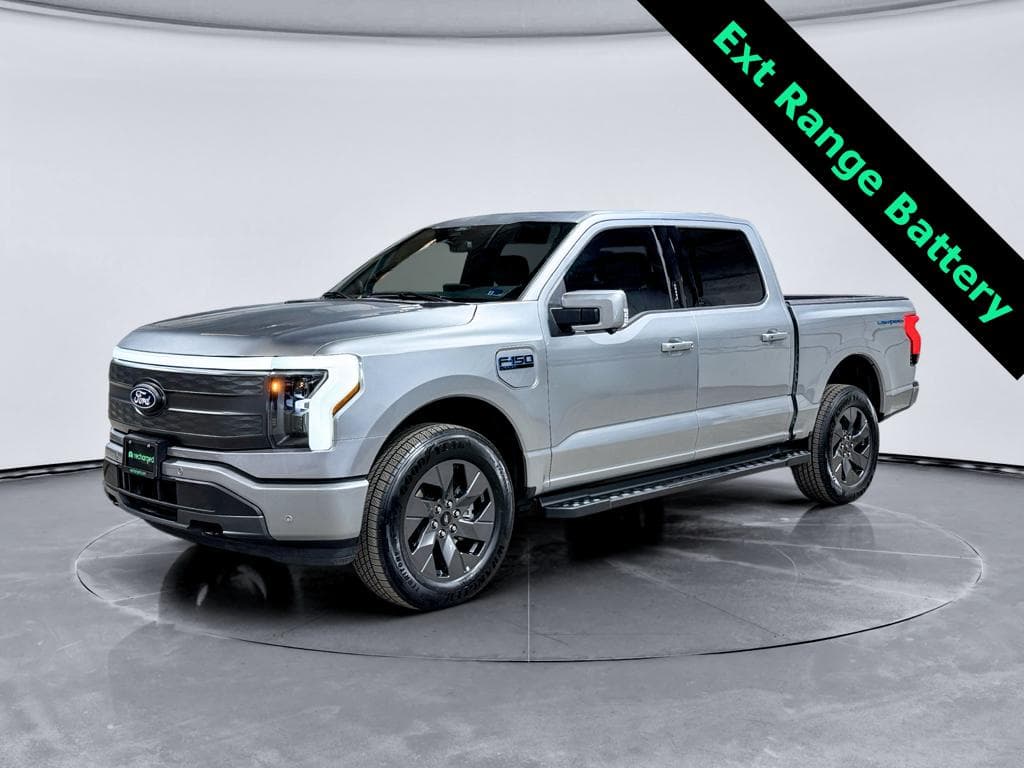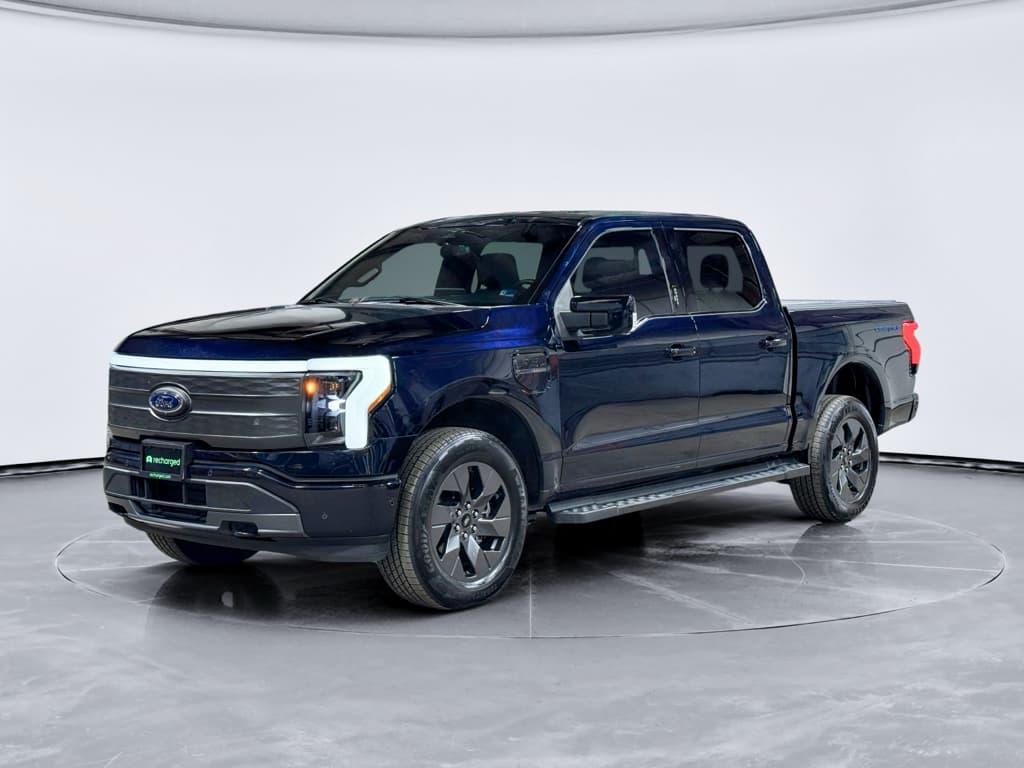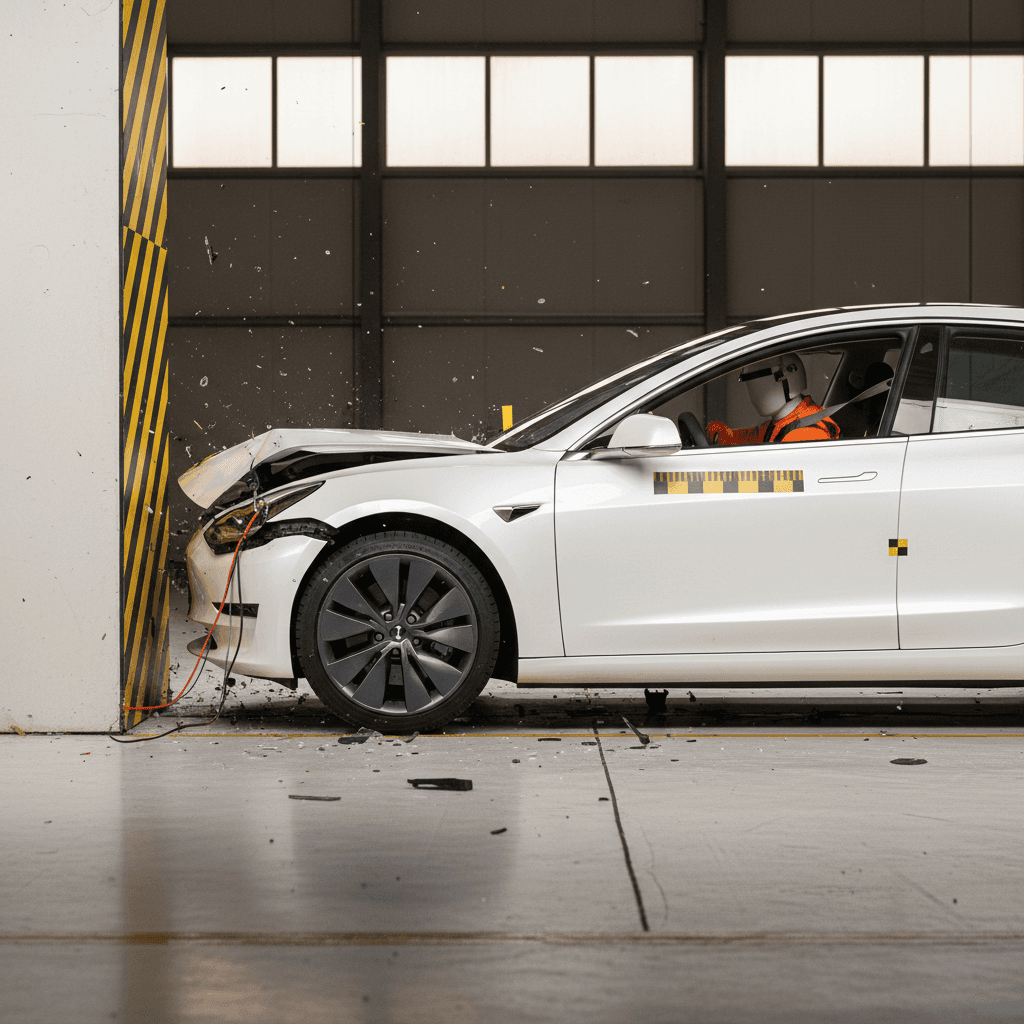
If you’re cross-shopping electric trucks, you’ve probably seen headlines about the Ford F-150 Lightning safety rating and crash test results. On one hand, it’s a modern EV with advanced driver assistance tech. On the other, recent IIHS testing raised flags about rear-seat protection. This guide breaks down what the ratings actually mean so you can decide if the Lightning fits your safety expectations, especially if you’re considering a used truck.
Quick safety snapshot
Overview: How safe is the Ford F-150 Lightning?
The good news
- Excellent overall crash performance in U.S. government (NHTSA) testing, including a 5-star overall rating for recent model years.
- Strong side-impact protection and rollover performance for a large pickup.
- Standard automatic emergency braking with pedestrian detection, plus available Ford BlueCruise hands-free highway assist on most trims.
The tradeoffs
- In IIHS testing, the updated moderate overlap front crash test exposes poor chest protection and belt performance for rear passengers in the Lightning.
- Like most big trucks, the Lightning’s height and mass can be punishing to people in smaller vehicles in a collision.
- Software-driven systems such as BlueCruise and parking modules can be subject to recalls and over-the-air updates, so staying current matters.
So the short version: if you sit in the front seats, the F-150 Lightning is broadly in line with the safest pickups on the market. If you regularly put adults or older kids in the back, you’ll want to look very closely at how Ford and IIHS describe that specific test result and what model year you’re considering.
NHTSA crash test ratings for the F-150 Lightning
Recent NHTSA scores for the F-150 Lightning
The National Highway Traffic Safety Administration (NHTSA) tests vehicles in three main ways: frontal crash, side crash, and rollover resistance. Recent Ford F-150 Lightning models score 5 stars overall, with 5-star side-impact scores and 4-star ratings in both frontal and rollover categories. That puts the Lightning squarely in line with the safest full-size trucks on the federal scorecard.
Where NHTSA is especially helpful is in comparing trucks to other trucks. A 4-star frontal rating in a large pickup like the Lightning doesn’t directly compare to a 4-star compact hatchback, because mass and structure are so different. But if you’re deciding between full-size electric and gas F-150s, the Lightning’s NHTSA report shows that Ford has translated its long crash-safety experience into the EV platform reasonably well.
Use NHTSA and IIHS together
IIHS crash test results: the good and the bad
The Insurance Institute for Highway Safety (IIHS) takes a more granular approach, running several crash tests and rating each from Good to Poor. The F-150 Lightning is closely related to the gas F-150 structurally, so its results mirror Ford’s broader truck lineup, with one big caveat in the latest test.
Key IIHS ratings for the Ford F-150 Lightning
Crashworthiness and crash-avoidance in a snapshot
Crashworthiness (front seats)
- Small overlap front: generally Good for F-150 series trucks.
- Original moderate overlap: Good structure and low injury risk.
- Side test: Good, reflecting a strong cab structure.
Updated moderate overlap (rear seat)
- Newer Lightning models earn a Poor overall rating in this updated test.
- Issues center on rear-seat belt performance and chest injury metrics, not front seats.
- Side curtain airbag timing and belt positioning are part of the concern.
Crash avoidance & tech
- Standard pedestrian automatic emergency braking rates Good in IIHS testing.
- Headlight performance ranges from Acceptable to Good depending on trim.
- Available driver-assist suite (BlueCruise and Co-Pilot360) helps avoid many crash scenarios altogether.
In IIHS’s updated moderate overlap front test for the 2025 F-150 Lightning, the truck earns an overall rating of Poor primarily because the rear dummy’s chest and belt performance fall short, even though the front occupant shows Good protection and the cab structure itself performs well. That’s a very different story from “the Lightning is unsafe” headlines, but it’s an important nuance if you routinely carry people in the back seat.
Rear-seat safety is the weak link
Why the updated moderate overlap test matters
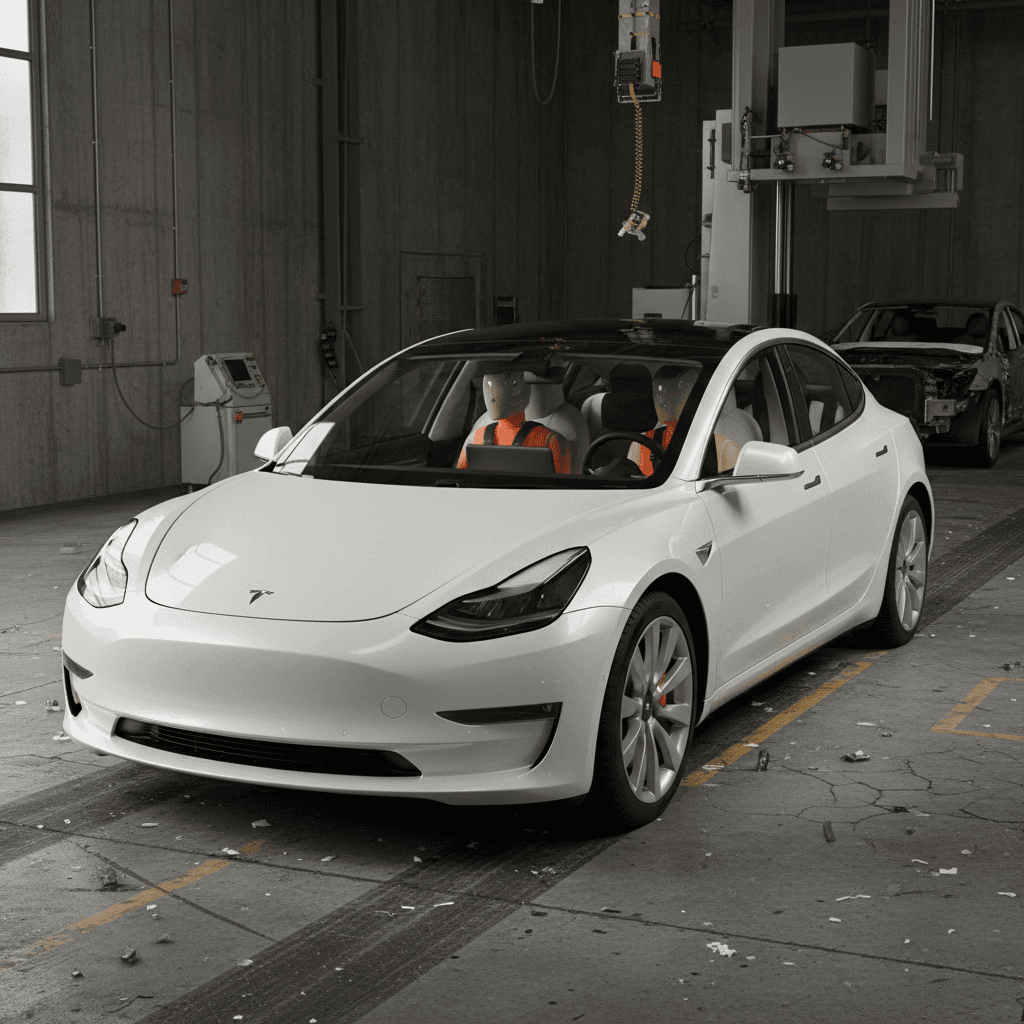
If you follow crash testing, you’ve seen a pattern: vehicles ace the original tests, regulators and IIHS raise the bar, and suddenly ratings look worse before engineering catches up. The updated moderate overlap front test is that new bar. It focuses heavily on rear-occupant protection, an area automakers historically treated as secondary once they’d nailed the driver’s seat.
- The test uses a belted rear passenger dummy behind the driver, simulating a common real-world seating position.
- IIHS looks carefully at belt positioning, chest loads, and head/neck injury measures in back.
- A Good rating requires well-controlled belt motion, effective airbags or pretensioners, and low chest and head injury metrics for both front and rear dummies.
In the Lightning, the rear dummy’s lap belt can slide up onto the abdomen and the shoulder belt can move toward the neck. Combined with chest injury measures that are too high, that’s enough to drag the overall rating for this specific test down to Poor, even though the truck’s structure and front-seat protection still perform well.
How this compares to the gas F-150
Active safety tech & BlueCruise: what helps you avoid crashes
Crash ratings describe how well a truck protects you once metal is already bending. Just as important is how well it avoids crashes in the first place. Here the F-150 Lightning leans heavily on its standard Ford Co-Pilot360 suite and available BlueCruise hands-free highway system.
Key Ford F-150 Lightning safety and driver-assist features
Most are standard or widely available across trims
Automatic emergency braking
- Forward collision warning with automatic emergency braking.
- Pedestrian detection, including at night and in crossing scenarios.
- Intersection assist on newer models to help prevent turn-across-traffic crashes.
BlueCruise hands-free driving
- Hands-free steering on mapped divided highways, with driver monitoring.
- Recent updates improve lane centering and smoothness through curves.
- In-lane repositioning can give more space next to large trucks.
Blind-spot & trailer tech
- Blind-spot monitoring that can include trailer coverage.
- Rear cross-traffic alert and rear automatic braking on many trims.
- Pro Trailer Backup Assist and surround-view cameras help prevent low-speed crashes in driveways or job sites.
Remember: BlueCruise is still driver assist
For many Lightning shoppers, these technologies are a big safety draw, particularly if you commute long distances on highways or frequently tow. Just keep in mind that advanced driver-assist systems are software-heavy. Over-the-air updates can improve them, but they can also be tied to recalls, so keeping your truck’s software and recall status current is a real part of staying safe.
Recent recall example: staying in Park
Real‑world safety: what EV truck owners should think about
On paper, the F-150 Lightning’s combination of strong overall crash scores and advanced driver assistance makes it one of the safer ways to move a lot of mass quickly. But real-world safety is about more than checkboxes on a spec sheet, especially with electric pickups.
Four safety realities of driving an electric F-150
1. Mass is a double-edged sword
The Lightning is heavy even by truck standards. That helps protect you in many multi-vehicle crashes, but it can mean more severe outcomes for occupants of smaller cars. Defensive driving and effective braking systems matter that much more.
2. Battery placement improves some crash dynamics
A low, centrally mounted battery pack helps keep the Lightning’s center of gravity down compared to a tall gas truck, which is reflected in its solid rollover scores. It also stiffens the floor, improving cabin integrity in many crashes.
3. Pedestrian and cyclist safety matters
Big, tall front ends can be unforgiving to pedestrians and cyclists. The Lightning’s Good IIHS pedestrian AEB rating is a real asset here, but it’s not a magic shield, urban and suburban drivers should think of the truck as a blunt instrument and drive accordingly.
4. Range vs. safety tradeoffs
Carrying extra payload or towing heavily reduces range, which can tempt some drivers to push speed or braking to “make it” to a charger. Building more buffer into your trip planning is a subtle but important safety habit in any EV truck.
Buying a used F-150 Lightning: safety checks that matter
If you’re looking at a used Ford F-150 Lightning, you don’t just inherit its safety ratings, you inherit how the previous owner treated it, how up to date the software is, and whether any crash damage was properly repaired. This is where a structured buying process (and the right partner) really pays off.
Used F-150 Lightning safety checklist
What to verify before you sign anything
| Safety item | What to look for | Why it matters |
|---|---|---|
| Crash history | A clean, well-documented history report; if there was a crash, look for OEM-quality repairs and airbag replacement records. | Improper structural or airbag repairs can undermine the excellent crash performance engineered into the cab. |
| Recall & software status | Proof that all safety recalls (including parking system and ADAS-related campaigns) have been completed; check for the latest BlueCruise/ADAS software updates. | Modern trucks rely heavily on software for core safety functions, staying current means staying safe. |
| Restraint systems | Confirm that airbags and seatbelts deploy and retract properly; check for aftermarket seat modifications or removed airbags after a repair. | IIHS’s rear-seat concerns make intact, OEM restraints especially important in the Lightning. |
| ADAS sensors & cameras | Inspect radars, cameras, and bumper covers for damage or cheap repairs; confirm that driver-assist features work consistently on a test drive. | Misaligned sensors can quietly degrade crash-avoidance performance long before you see warning lights. |
| Tires & brakes | Make sure tires match load and speed rating, are not mismatched brands with uneven wear, and that brake feel is consistent and strong. | Heavy EV trucks put serious demands on tires and brakes, corner cutting here directly erodes safety. |
You can do much of this homework yourself, but a specialist EV retailer will typically front-load a lot of this work for you.
How Recharged approaches used Lightning safety
Ready to find your next EV?
Browse VehiclesIf you’re trading in a Lightning or another EV, Recharged can also give you an instant offer or consign the truck for you, which makes it easier to move into a newer model year with improved safety features or updated software.
Ford F-150 Lightning safety FAQ
Common questions about F-150 Lightning crash tests and safety
Bottom line: Is the F-150 Lightning a safe choice?
Taken as a whole, the Ford F-150 Lightning is a fundamentally safe electric truck with solid crash structure, excellent government crash scores, and a deep bench of active safety and driver-assistance tech. The main asterisk is IIHS’s updated moderate overlap front test, which highlights rear-seat belt and chest-injury concerns that shoppers with frequent rear passengers should weigh carefully.
If you primarily carry front-seat occupants and value crash-avoidance tech like automatic emergency braking and BlueCruise, the Lightning sits near the top of the truck safety heap. If your priority is maximizing rear-seat protection under the very latest IIHS protocols, it’s worth watching for Ford’s ongoing updates and considering build dates and trim details as you shop, especially in the used market. Either way, pairing good hardware with thoughtful ownership choices, from software updates to high-quality tires, is what ultimately turns those crash-test charts into real-world peace of mind.