Buy an EV

  • EVs for sale
  • Learn about EVs
  • Articles
  • Charging

Sell or trade

  • How it works

Financing

  • Get pre-qualified
  • Credit application

Contact us

  • Book a consultation
  • Call us at (804) 390-5910
  • Email us at hello@recharged.com
  • Visit our Experience Centers
    • Richmond, VA
    • Fairfax, VA
    • Charlotte, NC

© 2025 Recharged. All Rights Reserved.

7-Day Return Policy·Privacy Policy·SMS Opt-In·Do Not Sell or Share My Information·
TikTokYouTubeInstagramLinkedInFacebook
    Ford F-150 Lightning Insurance Cost: 2025 Pricing Guide & Savings Tips
    Ownership & Costs·9 min read·By Recharged Editorial Team

    Ford F-150 Lightning Insurance Cost: 2025 Pricing Guide & Savings Tips

    ford-f-150-lightningev-insuranceownership-costselectric-pickupused-ev-buyingtotal-cost-of-ownershipbattery-healthrecharged-score

    Table of Contents

    • Ford F-150 Lightning insurance cost overview
    • How much does Ford F-150 Lightning insurance cost?
    • Why electric trucks like the F-150 Lightning often cost more to insure
    • 11 key factors that shape your F-150 Lightning insurance premium
    • How trim, battery size, and coverage choices change your rate
    • Practical ways to lower your F-150 Lightning insurance cost
    • Insuring a used Ford F-150 Lightning
    • Where insurance fits into total cost of ownership
    • Pre‑quote checklist for F-150 Lightning shoppers
    • Ford F-150 Lightning insurance FAQs
    • Bottom line: budgeting for F-150 Lightning insurance

    If you’re considering a Ford F-150 Lightning, new or used, insurance cost is a big part of the ownership math. Electric trucks are packed with tech, heavy battery packs, and pricey bodywork, and that all shows up in your premium. The good news: once you understand what drives F-150 Lightning insurance cost, there are clear ways to control it.

    Quick take

    Most F-150 Lightning owners should expect to pay more for insurance than for a comparable gas F-150, but EV fuel and maintenance savings can help offset the difference over time.

    Ford F-150 Lightning insurance cost overview

    Insurers still treat electric trucks as relatively new territory. That means pricing can vary more than you might expect from one company to the next. As a rule of thumb, expect your Lightning premium to land above a gas F-150 and in line with or slightly higher than other high-value EVs like a Tesla Model Y or Rivian R1T.

    F-150 Lightning insurance at a glance (typical US driver)

    $1,800–$2,400
    Annual premium
    Common range for full coverage on a new Lightning for a clean-driving 35–45-year-old in a suburban ZIP code.
    10–25%
    Above gas F-150
    Typical increase in insurance cost versus a similarly equipped gasoline F-150, largely due to repair and parts costs.
    $55–$95
    Monthly impact
    Approximate monthly difference in premium between a gas F-150 and a Lightning for many drivers.
    $1,000+
    Annual fuel savings
    Potential fuel savings from going electric, which can offset higher insurance depending on your mileage and local electricity rates.

    Your rate may look nothing like the averages

    Insurance pricing is highly individualized. Two Lightning owners on the same street can see very different quotes based on credit, driving history, annual mileage, and how each truck is used for work or towing.

    How much does Ford F-150 Lightning insurance cost?

    Exact numbers will depend on your profile, but for a full-coverage policy (liability, collision, and comprehensive) in the U.S., many drivers will see Ford F-150 Lightning insurance costs between roughly $150 and $220 per month. High-cost metro areas, younger drivers, or commercial use can easily push that higher.

    Example F-150 Lightning insurance scenarios

    Illustrative annual premiums for a full-coverage policy (not quotes, your rates will vary).

    Driver profile & usageLocation typeExample annual premiumNotes
    35-year-old, clean record, personal use, Lariat ERSuburban$2,050Typical mid-range premium with good credit and average commute.
    28-year-old, 1 at-fault accident, Pro SR work truckUrban$2,600Claims history and city driving risk add up quickly.
    50-year-old, clean record, Platinum, low mileageSuburban$1,850Safe driver with low miles and multiple-policy discounts.
    40-year-old, clean record, used 2022 XLTRural$1,650Lower vehicle value plus lower-risk roads can mean a lower premium.

    These scenarios show how age, location, and usage can change what you pay to insure a Ford F-150 Lightning.

    Get at least three quotes

    Lightning rates vary more by carrier than a typical gas pickup. Always compare at least three insurers (including ones known to like EV risk) before you assume the truck is “too expensive” to insure.

    Why electric trucks like the F-150 Lightning often cost more to insure

    If you’ve insured a gas F-150 for years, Lightning quotes can be a surprise. The difference doesn’t come from how safe the truck is, modern EVs tend to do well in crash tests. It’s what happens after the crash that drives premiums up.

    Key reasons Lightning insurance can run higher than a gas F-150

    Think of it as a mix of parts prices, repair complexity, and claim severity.

    Expensive parts

    The Lightning’s battery pack, electric motors, and aluminum body panels cost more to replace than traditional truck components.

    Specialized repairs

    Not every body shop is EV-certified, so insurers may route repairs to higher-cost facilities with long wait times.

    Higher claim severity

    When total losses do happen, they can be expensive because of the truck’s original MSRP and technology content.

    Advanced tech on board

    BlueCruise hardware, sensors, and large infotainment screens add to repair bills even in minor collisions.

    Battery evaluation

    After a crash, insurers may require detailed battery health checks, adding cost even if the pack isn’t replaced.

    Evolving data

    Lightning is still a relatively new model, so not all insurers have long-term loss data, some price more cautiously as a result.

    11 key factors that shape your F-150 Lightning insurance premium

    Beyond the truck itself, insurers look hard at you, where you live, and how you use the vehicle. Here are the big levers that move F-150 Lightning insurance cost up or down.

    What insurers look at when pricing your Lightning

    1. Location and garaging address

    Urban ZIP codes with more traffic and theft usually see higher rates than suburban or rural areas. Off-street or garage parking can help.

    2. Driving record

    Recent accidents, speeding tickets, or DUI convictions can add hundreds of dollars a year to your Lightning policy compared with a clean record.

    3. Annual mileage and commute pattern

    The more you drive, the higher your crash exposure. If your Lightning is a weekend truck or very low-mileage commuter, tell your insurer.

    4. Personal vs. business use

    Using your Lightning for contracting, deliveries, or other business may require a commercial policy, which is typically more expensive.

    5. Credit-based insurance score (where allowed)

    In many states, your credit profile factors into rates. Strong credit can meaningfully lower your premium.

    6. Age and household drivers

    Young or inexperienced drivers listed on the policy will raise costs. Mature drivers with long clean histories usually pay less.

    7. Coverage limits and deductibles

    Higher liability limits and low deductibles cost more. Raising your comprehensive and collision deductibles is one of the fastest ways to shrink your bill, within reason.

    8. Safety and driver-assist features

    Features like automatic emergency braking, lane-keeping, and adaptive cruise can earn discounts with some insurers, especially when properly documented.

    9. Claims and lapse history

    Frequent small claims or a recent lapse in coverage makes you look riskier. Staying continuously insured and self-paying minor damage can help.

    10. Aftermarket accessories and upfits

    Lift kits, oversized wheels, or custom lighting may need to be declared. They can increase repair costs and premiums if not handled correctly.

    11. EV-friendly underwriting

    Some carriers are more comfortable with EVs and may offer better pricing or specific EV discounts. Others still see them as niche risk and price accordingly.

    Disclose towing and heavy hauling

    If you regularly tow near the Lightning’s limits, your risk profile is different from a light-duty commuter truck. Hiding that usage may lead to denied claims later.

    How trim, battery size, and coverage choices change your rate

    Not every Lightning is insured the same way. A work-spec Pro and a fully loaded Platinum have very different replacement costs, and insurers price to that reality.

    Trim level & options

    • Pro / XLT: Lower MSRPs and fewer luxury features usually mean slightly lower comprehensive and collision premiums.
    • Lariat / Platinum: Larger wheels, more tech, and premium interiors can raise repair costs after a crash.
    • Packages & accessories: Ford accessories like bed storage systems, tonneau covers, and onboard power options may need to be listed if you want them covered.

    Battery size & coverage decisions

    • Standard vs. Extended Range: A higher original sticker price can bump physical damage coverage costs, though the risk profile is similar.
    • Deductibles: Moving from a $500 to a $1,000 deductible often cuts collision and comprehensive premiums, but make sure you can afford the out-of-pocket hit.
    • Liability limits: Increasing liability limits protects your assets but adds cost. For a high-value EV truck, many owners choose higher-than-minimum limits.
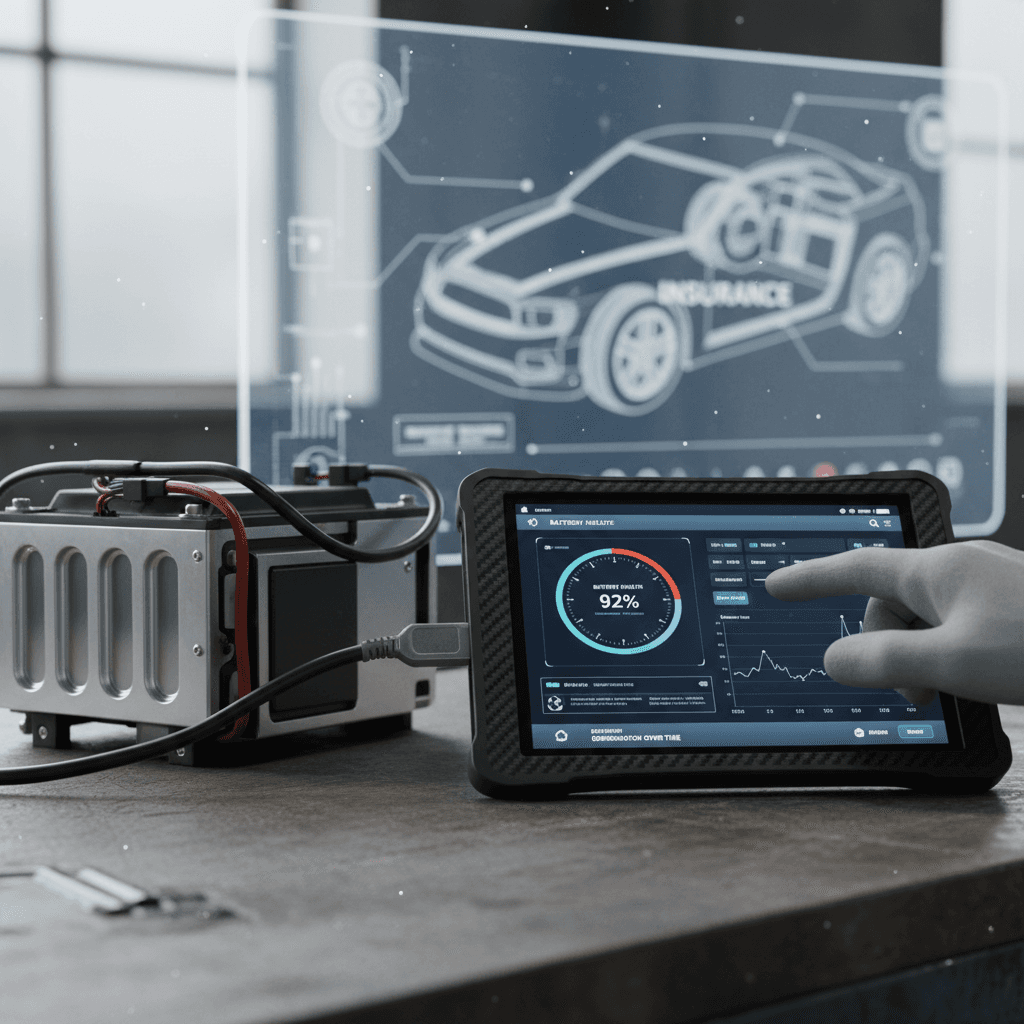
    Insurance agent reviewing Ford F-150 Lightning insurance coverage options with a driver in a parking lot
    Trim level, battery size, and how you use your Ford F-150 Lightning all factor into the insurance quote you’ll see.

    Consider OEM parts coverage

    Ask whether your policy allows or guarantees new OEM Ford parts on repairs. It can cost a bit more but helps preserve safety systems and resale value on a tech-heavy truck like the Lightning.

    Practical ways to lower your F-150 Lightning insurance cost

    You can’t control everything about how insurers see your risk, but you have more levers than you might think. Start with these proven moves before you sign a policy.

    Six strategies to trim your Lightning premium

    Small decisions on coverage, behavior, and shopping can add up to real dollars.

    Enroll in telematics

    Usage-based programs that track driving habits can reward smooth, low-mileage EV drivers with sizable discounts over time.

    Right-size coverage

    Avoid state-minimum liability on a high-value truck. Instead, tighten costs by raising deductibles a step or two where you can afford it.

    Bundle home & auto

    Bundling your Lightning with home or renters insurance can shave a noticeable percentage off both policies in many states.

    Shop EV-friendly carriers

    Look for insurers that highlight EVs in their marketing or offer dedicated EV discounts. They’re often more competitive on pricing.

    Avoid small claims

    If you can comfortably self-pay a minor repair, avoiding a claim can help protect your long-term rate trajectory.

    Take advantage of driver programs

    Defensive driving courses, good student discounts, and safe-driver programs can all chip away at your annual premium.

    Leverage your EV’s tech for discounts

    If your insurer offers discounts for advanced safety or anti-theft features, provide documentation that your Lightning has them enabled, especially driver-assist suites and vehicle tracking.

    Insuring a used Ford F-150 Lightning

    A growing number of F-150 Lightnings are entering the used market, often after their first or second owner. That can be good news for insurance costs: as the truck’s insured value drops, collision and comprehensive pricing typically follow, assuming your driving profile is solid.

    Why used can be cheaper to insure

    Insurers care about what it would cost to repair or replace your truck today, not what it cost new. A used Lightning with a lower market value can mean smaller checks when totaled, and lower premiums for you.

    If you’re shopping used, pay attention not only to the price on the windshield but also to what’s under the skin, especially battery health and prior damage. That’s where Recharged comes in.

    Battery health and prior damage

    • Battery condition: A healthy pack means the truck is more likely to retain value and avoid range-related issues that could influence future claims.
    • Accident history: Prior structural repairs or repeated bodywork can affect how the truck performs in another crash, and how insurers perceive it.
    • Title status: Salvage or rebuilt titles are much harder (and sometimes impossible) to insure with full coverage.

    How Recharged helps used buyers

    • Every vehicle listed with Recharged includes a Recharged Score Report with verified battery health and pricing transparency.
    • Our EV-focused team can help you understand how a Lightning’s condition and history may affect long-term insurance and ownership costs.
    • If you’re trading in or selling an existing EV, Recharged can provide an instant offer or consignment option to simplify the switch.

    Where insurance fits into total cost of ownership

    It’s easy to fixate on the monthly payment and ignore the rest. But with an F-150 Lightning, total cost of ownership, purchase price, financing, electricity, maintenance, and insurance, tells the real story.

    Costs that can rise with a Lightning

    • Insurance: Often higher than a gas F-150 due to repair complexity and technology content.
    • Financing: If you buy a higher-trim EV truck, the financed amount may be larger, especially when new.
    • Registration & taxes: Some states tie fees to vehicle value or weight, which can affect EV trucks.

    Costs that typically fall

    • Fuel: Many owners cut annual energy costs substantially versus gasoline, especially with home charging.
    • Maintenance: No oil changes and fewer wear items can lower long-term maintenance spend.
    • Incentives: Depending on timing, used EV tax credits or local incentives may soften the purchase price.

    Look at the full monthly picture

    When comparing a Lightning to a gas truck, add up your loan or lease payment, expected electricity cost, and insurance. A slightly higher premium can still pencil out once you factor in lower fuel and maintenance.

    Pre‑quote checklist for F-150 Lightning shoppers

    Before you sign on a truck, or on a policy, take a few minutes to line up what insurers will ask you anyway. It’ll make your quotes more accurate and the process less painful.

    Seven steps before you request Lightning insurance quotes

    1. Decide how you’ll use the truck

    Personal commuting, weekend trips, or job-site hauling? Be honest with yourself and your agent, usage drives coverage type and cost.

    2. Gather driver and vehicle details

    Have driver’s license numbers for all household drivers, the truck’s VIN, estimated annual mileage, and any prior incidents handy.

    3. Set your coverage targets

    Choose liability limits, deductibles, and whether you want extras like gap coverage or OEM parts coverage before you start shopping.

    4. Check your credit and payment history

    Strong credit often earns better pricing. If your credit has improved since your last policy, that’s a good time to shop rates.

    5. Document safety and anti-theft features

    Know which driver-assist features your Lightning has and whether it’s garage-kept. Those details can unlock discounts.

    6. Decide which other policies to bundle

    Home, renters, or additional vehicles can be bundled with your Lightning for multi-policy savings.

    7. Compare quotes side by side

    Collect quotes from at least three insurers on the same coverage levels. Focus on total value, service reputation and claims handling, not just the lowest dollar number.

    Ford F-150 Lightning insurance FAQs

    Common questions about insuring a Ford F-150 Lightning

    Bottom line: budgeting for F-150 Lightning insurance

    Insuring a Ford F-150 Lightning will usually cost more than insuring a gas F-150, but that doesn’t make the truck a bad financial move. When you zoom out and include lower fuel and maintenance costs, the math often balances out, especially if you’re thoughtful about coverage, deductibles, and which insurer you choose.

    If you’re comparing new versus used, a used F-150 Lightning with solid battery health can hit a sweet spot: lower purchase price, potentially lower insurance, and the same electric capability. At Recharged, every used EV comes with a Recharged Score Report so you can see battery health, fair market pricing, and other factors that influence not just what you pay today, but your cost of ownership for years down the road.


    Ford on Recharged

    See all →
    2023 Ford Mustang Mach-E

    2023 Ford Mustang Mach-E

    GT•24K mi•257 mi range
    4.8/5Recharged Score
    $36,597
    2025 Ford Mustang Mach-E

    2025 Ford Mustang Mach-E

    Premium•8K mi•300 mi range
    Pending Recharged Score
    $39,997
    2025 Ford Mustang Mach-E

    2025 Ford Mustang Mach-E

    Premium•7K mi•300 mi range
    Pending Recharged Score
    $39,998

    Related Articles

    How Many Miles Is Too Many for a Used Electric Car in 2026?
    Used EVs·10 min

    How Many Miles Is Too Many for a Used Electric Car in 2026?

    Learn how many miles is too many for a used electric car, how battery health really works, and what to check before you buy a high‑mileage EV.

    used-ev-buyingev-mileagebattery-health
    2022 Chevy Bolt EV Range Test: Real-World Results & How to Match Them
    Battery & Range·10 min

    2022 Chevy Bolt EV Range Test: Real-World Results & How to Match Them

    See how the 2022 Chevy Bolt EV performs in real-world range tests vs its 259‑mile EPA rating, plus highway, city, and winter range tips for used buyers.

    chevy-bolt-ev2022-model-yearbattery-range
    Is Tesla Maintenance Expensive? Real Costs of Owning a Tesla in 2025
    Ownership & Costs·9 min

    Is Tesla Maintenance Expensive? Real Costs of Owning a Tesla in 2025

    Is Tesla maintenance expensive compared with gas cars? See real-world Tesla service, repair, and battery costs in 2025 and how to keep expenses low.

    teslatesla-model-3tesla-model-y