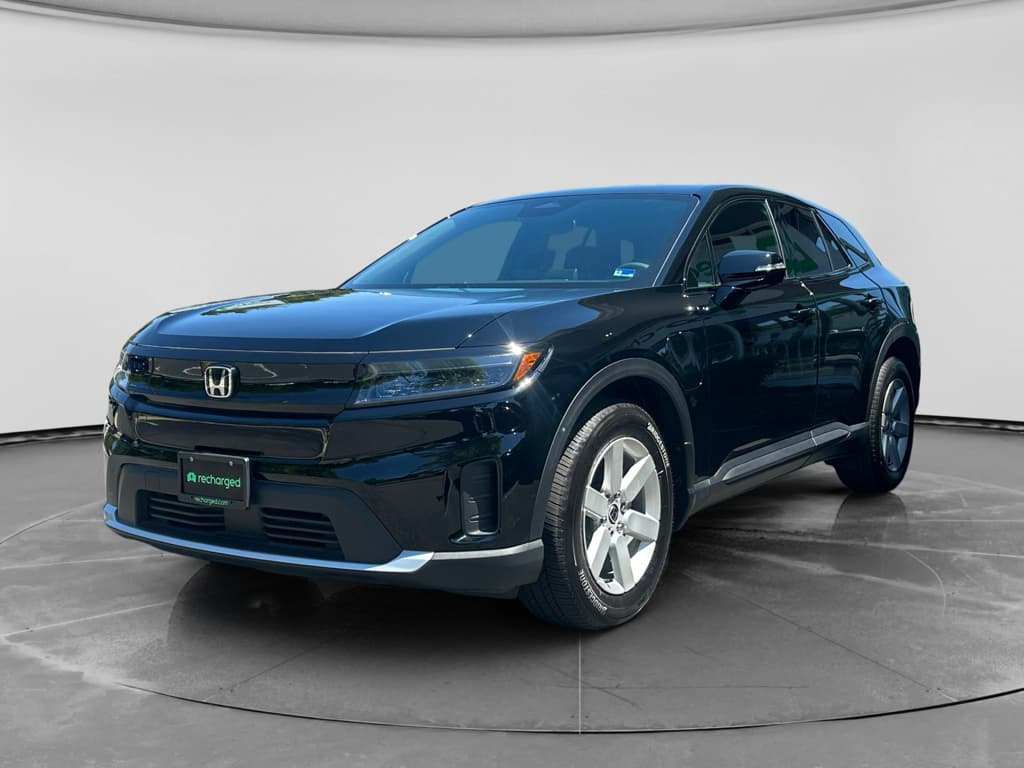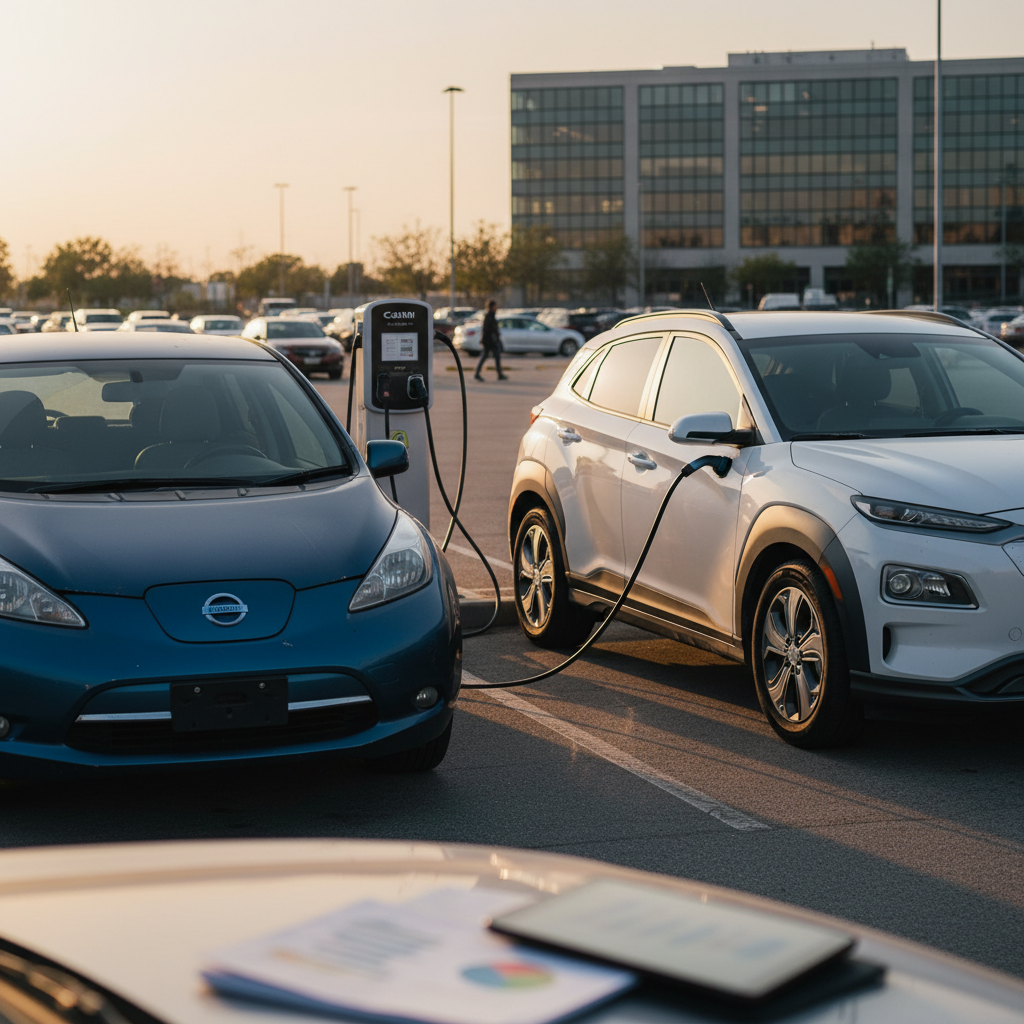
When people search for “every electric car”, they’re usually not looking for a giant spreadsheet of model names. What you really want to know is: what kinds of electric cars exist, how they differ, what they cost, and which one actually fits your life. This 2025 guide walks through the major types of EVs on the U.S. market, typical range and prices, and how to evaluate used electric cars with confidence.
Quick snapshot for 2025
Why “every electric car” isn’t the same
Same idea, very different missions
Every electric car starts with the same core recipe: a battery pack, one or more electric motors, and the ability to plug in. But the way automakers package those pieces leads to wildly different vehicles, from city runabouts to three‑row family haulers and luxury flagships.
- City EVs focus on size and efficiency.
- Family SUVs trade some efficiency for space and comfort.
- Performance EVs pour battery and motor budget into speed.
Key dimensions that actually matter
Instead of thinking about every model by name, it’s more useful to compare EVs on a few practical dimensions:
- Body style & space: hatchback, sedan, SUV, or pickup.
- Range: how far it goes on a charge (and at what speeds).
- Charging speed: how quickly you can add miles when you’re in a hurry.
- Battery health: especially important if you’re buying used.
A smarter way to shop
How many electric cars are on the road now?
Electric cars by the numbers
For shoppers, the takeaway is simple: choice has exploded. The U.S. added around two dozen new electric models in 2024 alone, bringing the total to well over 100. That variety is good news, but it also makes the market harder to understand at a glance. The rest of this guide groups “every electric car” into logical buckets so you can make sense of it quickly.
Electric car types by body style
Major electric car types in 2025
Most EVs you’ll see on U.S. roads fit into one of these buckets.
Compact hatchbacks & city EVs
Examples: Chevy Bolt EUV (used), Nissan Leaf, Mini Electric, some smaller Kia/Hyundai hatches.
- Best for dense cities and short commutes.
- Easiest to park, usually most efficient.
- Many of the best deals in the used EV market.
Sedans & liftbacks
Examples: Tesla Model 3, Hyundai Ioniq 6, Polestar 2, BMW i4, upcoming Kia EV4.
- Balanced mix of efficiency and comfort.
- Great choice if you’re coming from a gas sedan.
- Often offer the longest range per dollar.
Crossovers & 2-row SUVs
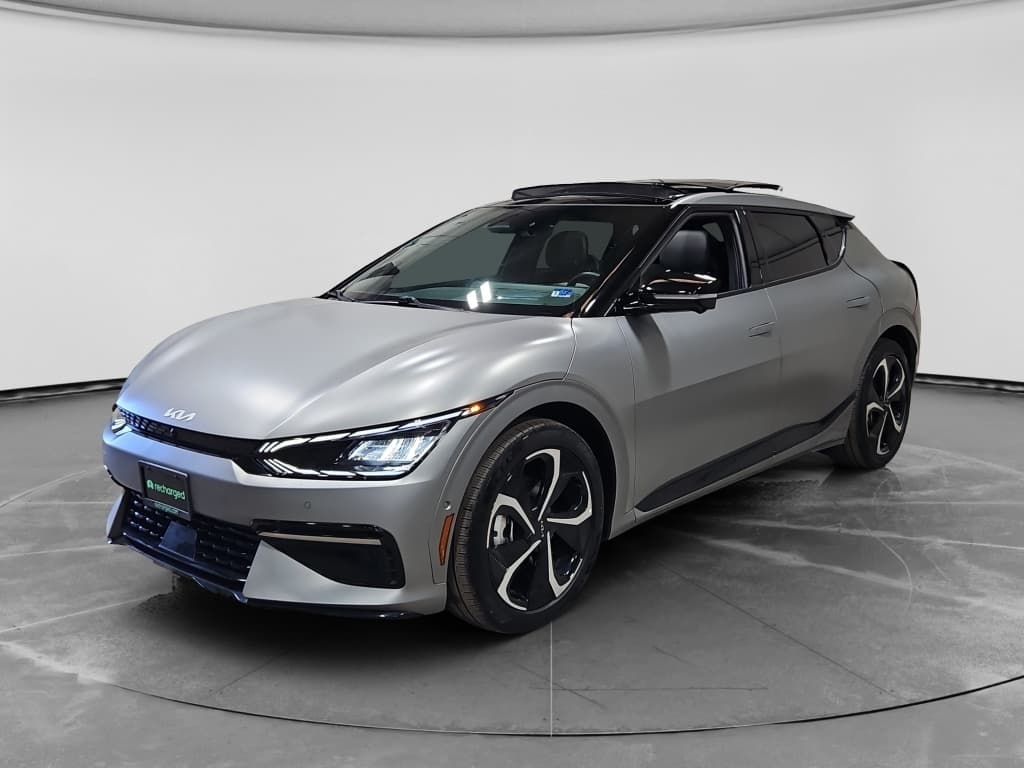
Examples: Tesla Model Y, Hyundai Ioniq 5, Kia EV6, Ford Mustang Mach‑E, VW ID.4.
- The heart of today’s EV market.
- Higher seating, hatchback practicality.
- Sweet spot for many families.
Larger and specialized electric vehicles
If you haul people, cargo, or gear, these are the categories to know.
3-row SUVs & minivans
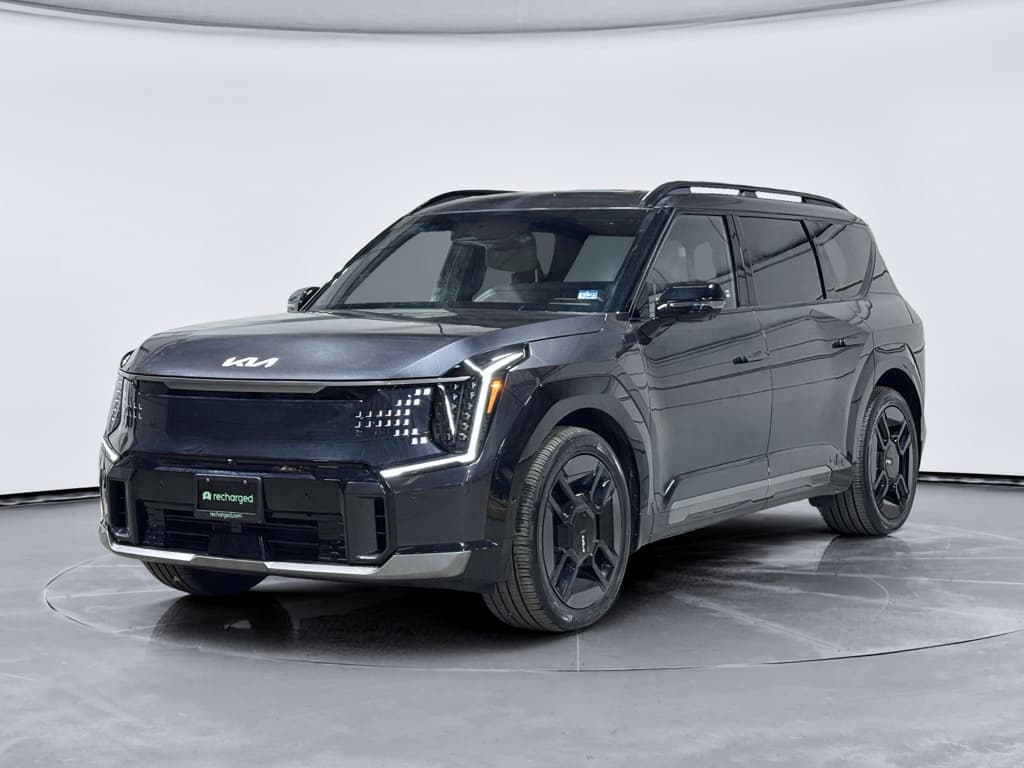
Examples: Kia EV9, Mercedes‑Benz EQB, some 3‑row variants of mainstream SUVs.
- Designed for families and carpools.
- More weight = somewhat lower efficiency.
- Shop carefully for range if you road‑trip.
Electric pickups
Examples: Ford F‑150 Lightning, Rivian R1T, Chevy Silverado EV, GMC Sierra EV.
- Huge torque, smooth towing.
- Range can drop quickly with trailers.
- Often pricier, especially new.
Performance & luxury EVs
Examples: Tesla Model S/Model X, Porsche Taycan, Lucid Air, high‑trim BMW/Mercedes EVs.
- 0–60 mph times that embarrass supercars.
- Leading‑edge tech and driver assistance.
- Best approached on the used market if you value value over bragging rights.
Don’t get blinded by body style
EV range: how far every electric car really goes
Typical real-world range by EV type (2025)
These are ballpark figures for many current EVs; individual models can be higher or lower.
| EV type | Typical usable battery (kWh) | Approx. real-world range (mi) | Best use case |
|---|---|---|---|
| City hatchback | 40–60 | 140–220 | Short commutes, second car, urban driving |
| Mainstream sedan | 60–80 | 220–310 | Daily driver plus occasional road trips |
| 2-row crossover/SUV | 70–90 | 210–290 | One‑car household, kids, gear |
| 3-row SUV | 90–110 | 220–280 | Larger families, carpools, road trips with planning |
| Electric pickup (unloaded) | 115–130 | 260–340 | Work and leisure trucks without heavy towing |
| Performance/luxury sedan | 85–110 | 230–320 | High‑speed touring, long‑range commuting |
Real‑world range is often 10–20% lower than official ratings, especially at highway speeds or in very cold weather.
Range rule of thumb
Remember that every electric car’s range is a moving target. Highway speeds, winter temperatures, big wheels, roof boxes, and towing can all shave meaningful miles off the sticker number. If you road‑trip regularly, prioritize vehicles with both solid range and fast DC charging, not just the biggest battery.
Pricing: what electric cars cost new vs. used
Used EVs are one of the fastest‑growing segments
New EV price bands (typical)
- Entry level ($30k–$40k before incentives)
Smaller hatchbacks and sedans, some compact crossovers. Great if you qualify for tax credits. - Mainstream family EVs ($40k–$60k)
Most 2‑row crossovers and better‑equipped sedans live here. - Premium & performance ($60k+)
Larger SUVs, trucks, and luxury/performance models.
Note: Federal and state incentives can trim thousands off those figures if the vehicle and your tax situation qualify.
Used EV price bands (typical)
- Sub‑$20k
Older Leafs and Sparks, earlier Bolts, lower‑range cars. Great commute cars if the battery checks out. - $20k–$30k
Prior‑generation crossovers and sedans, this is often the value sweet spot. - $30k–$45k
Late‑model crossovers, 3‑row SUVs, and some trucks, especially off‑lease.
Used pricing moves quickly with incentives, fuel prices, and new‑model launches, so always compare several vehicles with similar mileage and equipment.
Where Recharged fits in
Ready to find your next EV?
Browse VehiclesCharging: what every electric car needs

Three charging levels you’ll see with every EV
Know these and you’ll understand 90% of real‑world charging talk.
Level 1 (120V)
Standard household outlet. Adds roughly 3–5 miles per hour of charging.
- Fine for short daily commutes.
- Slow to recover large batteries from empty.
Level 2 (240V)
Typical home or workplace charger. Adds about 20–40 miles per hour, depending on the car.
- Ideal for overnight charging.
- Usually the best long‑term solution for owners.
DC Fast Charging
High‑power public stations you’ll use on road trips.
- 0–80% in as little as 20–30 minutes on some models.
- Charging speed varies a lot between EVs.
Connector alphabet soup
From a practical standpoint, every electric car needs some combination of reliable home or workplace Level 2 charging plus access to DC fast charging for longer trips. If you live in an apartment or can’t install home charging, focus on EVs with strong fast‑charging performance and make sure there are reliable, conveniently located public chargers on the routes you actually drive.
Battery health: the hidden spec on every EV
Battery size in kWh and estimated range make the brochure, but battery health rarely does, and it can make or break a used EV purchase. Over time, every lithium‑ion battery loses some capacity. The rate depends on chemistry, climate, how often it was fast‑charged, and whether it was routinely run to 0% or 100%.
How to evaluate battery health on a used EV
1. Look at the range estimate with a critical eye
Compare the car’s displayed full‑charge range to its original EPA rating. A lightly used EV should still be in the same neighborhood; a big gap is a red flag that deserves explanation.
2. Ask for a battery health report
Some brands offer built‑in battery reports. Recharged goes further with a <strong>Recharged Score</strong> that uses diagnostics to gauge battery condition and expected remaining life.
3. Check remaining battery warranty
Most EVs carry 8‑year battery warranties with mileage caps. Knowing how much warranty coverage is left can materially affect ownership costs.
4. Consider climate and usage history
Hot climates, constant DC fast charging, and heavy towing or ride‑share duty can all accelerate degradation. Ask how the car was used.
5. Test drive and charge
If possible, start a fast‑charge session during your test drive. Very slow or inconsistent charging may hint at battery or thermal‑management issues.
The cost of getting battery health wrong
Which electric car fits your life?
Match your life to the right type of electric car
Urban commuter or second car
Daily driving under ~50 miles, easy access to home or workplace charging.
A compact hatchback or older sedan can be the best value, often under $20k used.
Prioritize efficiency and parking ease over maximum range.
Young family, one main vehicle
Two adults, one or two kids, mix of city and highway driving.
A 2‑row electric crossover with ~250+ miles of real‑world range is the sweet spot.
Look for easy‑to‑clean interiors and plenty of cargo space for strollers or sports gear.
Frequent road‑tripper
Regular drives over 200 miles, sometimes in quick succession.
Prioritize fast‑charging performance and the strength of the charging network you’ll rely on.
A longer‑range sedan or crossover can reduce stops and add flexibility in bad weather.
Towing, hauling, or work use
Need to tow trailers or carry heavy loads regularly.
Consider an electric pickup or larger SUV with clear towing ratings and a realistic understanding of how range drops under load.
Map out charging along your towing routes before committing.
Plan a week, not a day
How to shop smart, especially for used EVs
- Start with your must‑haves: seating, cargo, and minimum acceptable range.
- Decide your total budget with charging included (home installation if needed).
- Shortlist 3–5 EV types (e.g., compact hatchback vs. small SUV) rather than dozens of models.
- Drive at least one new‑ish EV, even if you’re buying used, to benchmark noise, acceleration, and charging behavior.
- Compare used EVs not just on miles and price, but on battery health reports and remaining warranty.
- Factor in incentives on used EVs where available; some buyers can still qualify for point‑of‑sale credits.
How Recharged simplifies the process
FAQ: every electric car questions answered
Frequently asked questions about every electric car
Bottom line: choosing your electric car
When you zoom out, “every electric car” on today’s market is really a mix of a few clear ideas: compact city EVs, practical sedans and crossovers, big family haulers, work‑ready trucks, and halo‑level performance machines. The key is not memorizing every model name, it’s understanding which type fits your life, what range and charging you actually need, and how to verify battery health if you’re shopping used.
If you start with your real‑world driving, then match it to the right category of EV, you’ll quickly narrow the field from “every electric car” to a short, manageable list. From there, tools like Recharged’s Score Report, expert EV guidance, and flexible financing and trade‑in options can help you move from research to confident ownership. The EV market is maturing fast; with the right information, you can take advantage of that progress instead of feeling overwhelmed by it.