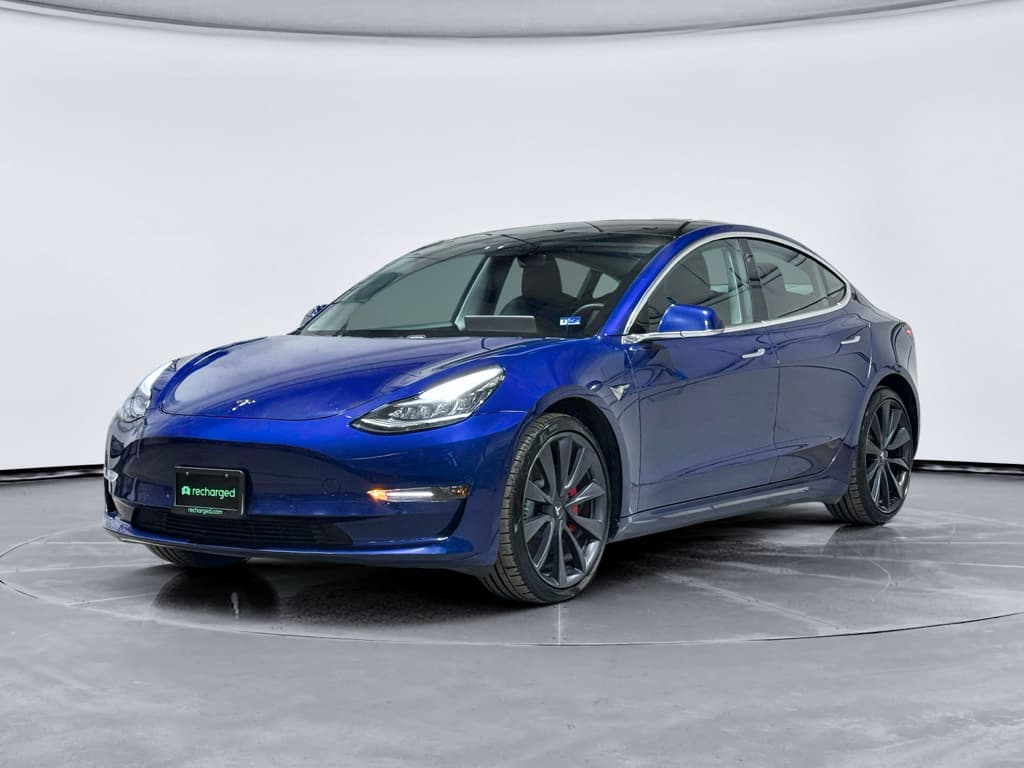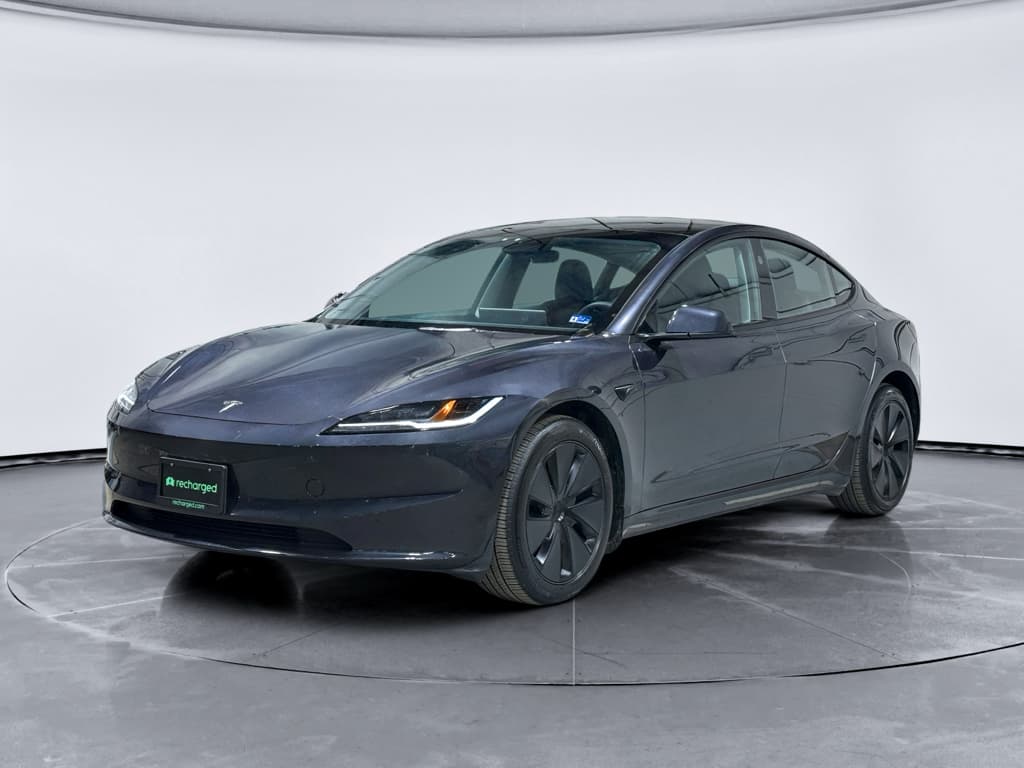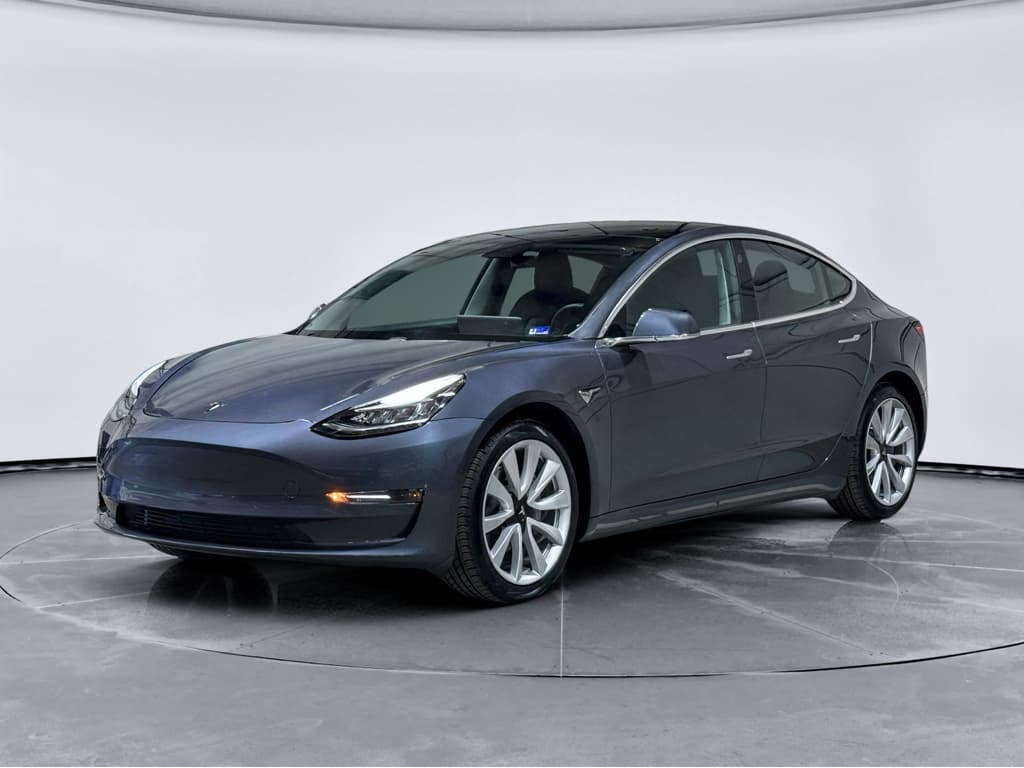
If you’re shopping for a 2025 Tesla Model 3, you’re probably hearing two very different stories: fans calling it the most advanced, dependable EV they’ve ever owned, and critics pointing to recalls and inspection failures overseas. Sorting out 2025 Tesla Model 3 reliability means separating hype from hard data, especially if you’re considering a used Model 3 where long-term durability and battery health matter even more.
Bottom line up front
Overview: How Reliable Is the 2025 Tesla Model 3?
Key 2025 Tesla Model 3 Reliability Signals
On paper, the 2025 Model 3 looks like a mixed but improving story. **Owners report high satisfaction**, with strong scores for performance, comfort and day‑to‑day reliability. At the same time, **Consumer Reports calls the 2025 Model 3 "less reliable than the average new car,"** with trouble spots clustered in **body hardware and the EV battery system**, and three separate NHTSA recalls affecting this model year.
What “less reliable than average” really means
Owner Reviews vs. Expert Reliability Scores
To understand 2025 Tesla Model 3 reliability, you need to look at both **owner sentiment** and **independent testing**. They tell slightly different stories, and both matter if you care about long‑term costs, downtime, and resale value.
Two Views of 2025 Model 3 Reliability
Owners are enthusiastic; testers are more cautious
What owners are saying
Owner reviews for the 2025 Model 3 skew very positive:
- Average reliability scores around 4.5–4.7 out of 5.
- Roughly 9 in 10 owners say they’d recommend the car.
- Most praise the power, range, low maintenance and constant software updates.
When problems do show up, owners most often mention trim, rattles, sensor glitches or isolated battery‑pack failures that are typically covered under warranty.
What Consumer Reports finds
Consumer Reports rates the **2025 Model 3’s overall reliability below the average 2025 car**, flagging:
- Issues in body hardware (windows, doors, latches).
- Some concerns in the EV battery system and cooling.
- Reliability drag from multiple recalls.
At the brand level, though, Tesla has improved enough to break into CR’s top 10 most reliable brands for the first time, reflecting better consistency across recent model years.
How to read conflicting signals
Recalls and Known Issues on the 2025 Model 3
By early 2026, the 2025 Tesla Model 3 has **three major recalls on record** in the U.S. That’s not unheard of for a modern, software‑heavy vehicle, but it does matter for your reliability picture, particularly if you’re buying used and don’t know what’s been fixed.
Key 2024–2025 Recalls Affecting the Model 3
Always run a VIN check through NHTSA or Tesla before you buy.
| Issue | Model years affected | What can happen | How it’s fixed | What to check on a used car |
|---|---|---|---|---|
| Battery pack contactor failure | 2025 Model 3, 2026 Model Y | Loss of drive power while driving, requiring a safe pull‑over. | Tesla replaces faulty battery pack contactors at no cost. | Confirm recall service is marked complete in the car’s service history and via Tesla / NHTSA look‑up. |
| Rear‑view camera loss | 2024–2025 Model 3 & S, 2023–2025 Model X & Y | Camera image can disappear, reducing rear visibility and violating federal safety rules. | Over‑the‑air (OTA) software update and, in some cases, replacement of the affected computer board. | Check that the car is on a current software version and that the reverse camera works reliably, even after long drives. |
| TPMS warning light behavior | 2017–2025 Model 3, 2020–2025 Model Y, 2024 Cybertruck | Tire‑pressure warning light may clear between drive cycles even if low pressure persists. | OTA software update from Tesla to correct the tire‑pressure monitoring logic. | Verify TPMS warning works with a pressure test; ensure the OTA fix has been applied. |
Recall status is updated over time; verify completion on the specific vehicle you’re considering.
Don’t shrug off the contactor recall
- Run a VIN recall check on NHTSA and with Tesla directly.
- Ask for documentation that recall work has been completed.
- On a test drive, watch for warning messages or power‑loss events, there shouldn’t be any.
Battery Life, Degradation and Warranty Coverage
Reliability on an EV isn’t just about whether it starts every morning, it’s also about **how much range you lose over time** and what happens if the pack fails. Here the Model 3 generally performs well, and that’s one reason it remains popular in the used market.
2025 Model 3 Battery Reliability at a Glance
What matters most for long‑term ownership
Degradation trends
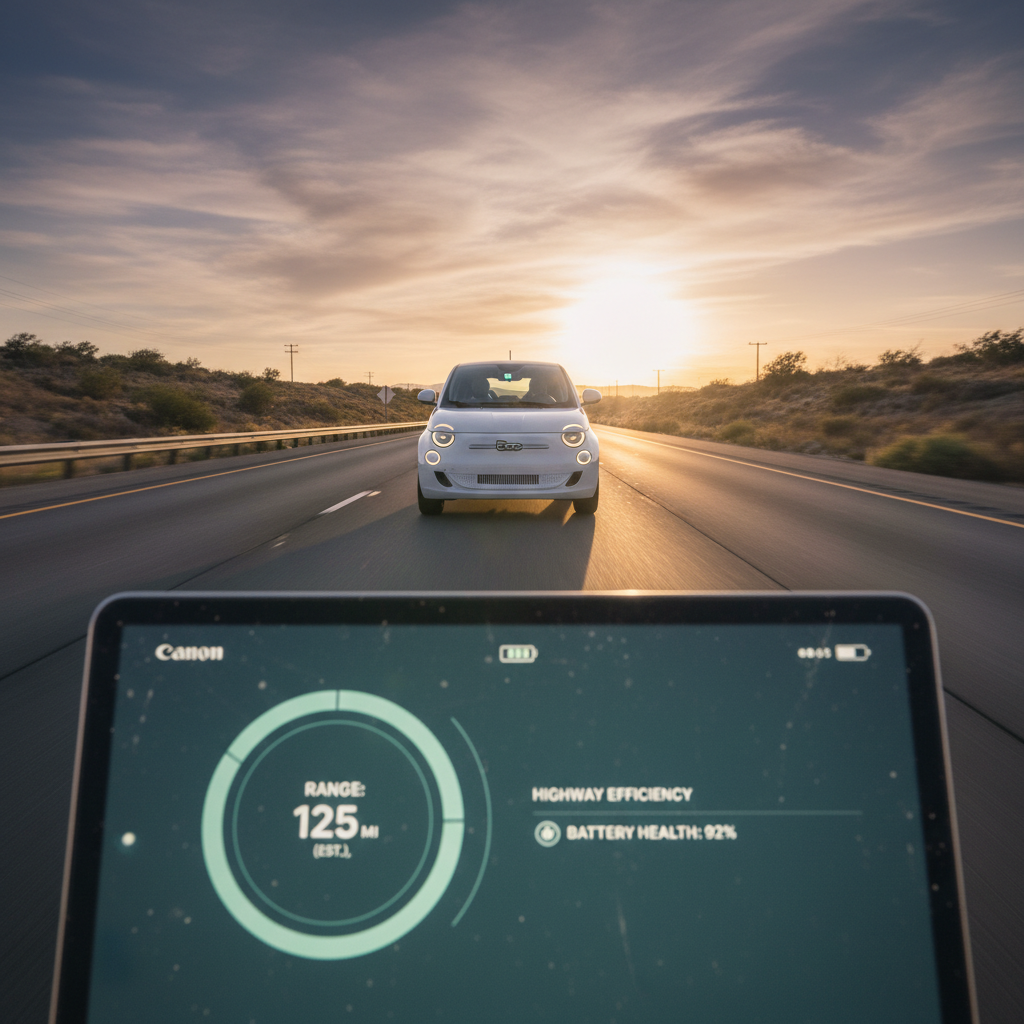
Large studies of Model 3 vehicles show **roughly 8% capacity loss after about 4–5 years** of use, often including regular DC fast charging. Many real‑world fleets report average State of Health (SoH) readings around **94–96%** even on high‑mileage cars.
Warranty coverage
Most Model 3 variants carry an 8‑year battery and drive‑unit warranty, with a mileage cap that depends on trim, and coverage if capacity falls below 70% during that window.
Chemistry differences
Standard Range trims often use LFP packs, which tolerate frequent 100% charging; Long Range and Performance trims typically use nickel‑based chemistries that prefer daily limits in the 70–90% range for best longevity.
What “good” Tesla battery health looks like
The larger takeaway: **the Model 3’s battery and electric motors are usually not the weak links**. When reliability stories go sideways, it’s more often due to auxiliary components, contactors, cooling hardware, or control electronics, than the cells themselves. That’s good news for used shoppers, because most catastrophic battery issues show up under warranty and are fixed on Tesla’s dime.
Build Quality, Suspension and Hardware Concerns
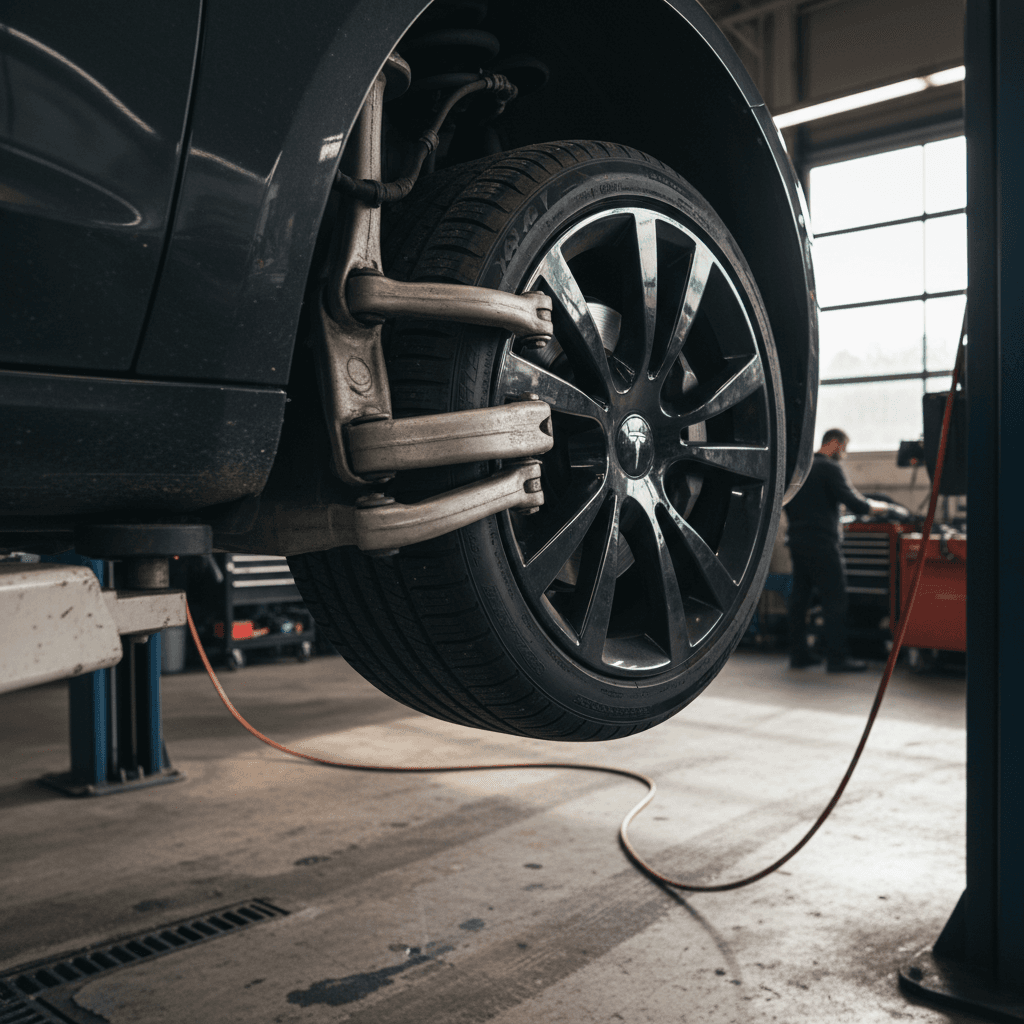
Tesla has been steadily improving build quality, but the Model 3 still comes with some asterisks. **European inspection data and early TÜV reports** show the Model 3 with higher‑than‑average rates of **brake, axle/suspension and lighting defects** as the cars age, even compared with other EVs. Scandinavian inspection agencies have also flagged **suspension component wear** on Model 3s operating on rough roads and in harsh winters.
What we see in the data
- Suspension wear: Control arms, bushings and related hardware can wear faster than average in cold or rough‑road climates.
- Brake issues: Corrosion or uneven wear on lightly used brakes, common on many EVs due to strong regenerative braking.
- Lighting and visibility: A notable share of inspection failures abroad stem from headlight aim or performance, and from camera or sensor issues.
How it affects a 2025 Model 3 buyer
- Budget for **alignment and suspension checks** if the car has high miles or sees winter duty.
- Plan for **proactive brake service** (cleaning and lubrication), even if pads still have life left.
- On test drives, listen for **clunks, rattles, or steering play** over bumps, and check all exterior lighting carefully.
Road‑salt reality check
Software, Screens and Electronics: Strengths and Weak Spots
Tesla’s software‑first approach is a double‑edged sword for reliability. On one hand, **over‑the‑air updates fix many bugs and even recalls** without a service visit. On the other, a huge amount of the car’s basic functionality, heat, wipers, gear selection, runs through a single central screen and a network of sensors.
Electronics Reliability in the 2025 Model 3
Where software helps, and where it can hurt
OTA fixes as a strength
Many 2025 Model 3 issues, from the rear‑camera recall to TPMS behavior, have been resolved by over‑the‑air software updates. That’s a big advantage over legacy brands that require physical dealer visits for minor glitches.
Screen and UI dependencies
Nearly every function runs through the central display. If the screen or the computer behind it glitches, you can lose access to climate, navigation, or even basic settings until the car reboots or hardware is replaced.
Driver‑assist quirks
Owners continue to report occasional **phantom braking or lane‑keeping oddities**, especially with advanced driver‑assist features active. These rarely strand the car but can affect confidence on long trips.
Is this a dealbreaker?
How the 2025 Model 3 Compares With Other EVs
Reliability is relative. Against the broader EV field, the 2025 Model 3 sits in an interesting middle ground: not as bulletproof as some Korean and Japanese offerings, but more proven at scale than many newer entries.
2025 Model 3 vs. Other Popular EVs (Reliability Snapshot)
A high‑level look at perceived reliability relative to a typical new vehicle.
| Model | Overall reliability feel* | Battery / powertrain | Body & hardware | Electronics / software |
|---|---|---|---|---|
| Tesla Model 3 (2025) | Below‑average to average | Strong | Mixed (suspension, body hardware) | Mixed, powerful, but glitch‑prone |
| Hyundai Ioniq 5 | Average to above‑average | Strong | Good | Good |
| Kia EV6 | Average to above‑average | Strong | Good | Good |
| Chevrolet Equinox EV | Too early to rate | Limited long‑term data | Too early | Too early |
| Nissan Ariya | Average | Good | Average | Average |
Ratings are directional based on available owner surveys, inspection data and reliability studies, not a substitute for checking a specific vehicle’s history.
Where the Model 3 still wins
Used 2025 Model 3 Buyer Checklist
If you’re eyeing a **used 2025 Tesla Model 3**, reliability is no longer a theoretical question, it’s about this specific car, with this history. Here’s a practical checklist to reduce surprises.
Reliability Checklist for a Used 2025 Model 3
1. Confirm recall and software status
Check the VIN through NHTSA and Tesla to confirm the **battery‑contactor, camera and TPMS recalls** are closed. On the test drive, verify the car is on a current software version and that all cameras and driver‑assist features work without error messages.
2. Inspect suspension and steering
On a rough‑road test drive, listen for **clunks, knocks or squeaks** over bumps. The steering should feel tight and consistent. Uneven tire wear can signal alignment or suspension issues that may get worse if ignored.
3. Evaluate brake condition
Because EVs use regen braking, pads can rust or seize even when they look thick. Have a shop familiar with EVs inspect **pads, rotors and calipers**, especially if the car comes from a snowbelt region.
4. Check body hardware and seals
Test every **door, window, trunk and frunk** for smooth operation. Look for water marks in the trunk or under the floor, and listen for wind noise at highway speeds that could indicate misaligned seals.
5. Verify battery health and charging behavior
Look at the displayed **projected range at a high state of charge** and compare it to the original EPA rating. Large unexplained losses may indicate abnormal degradation. During a fast‑charge session, note whether charging speeds seem in line with what other owners report for similar cars.
6. Review service history and usage
Ask for **service records, prior ownership details and charging habits**. A car used heavily on DC fast chargers or as a high‑mileage rideshare may still be a good buy, but only at a price that reflects the extra wear.
Bring in an EV‑savvy inspector
How Recharged Reduces Reliability Surprises
At Recharged, we built our used‑EV marketplace around exactly these concerns. A 2025 Tesla Model 3 isn’t just another listing, it’s a vehicle with a digital service history, a complex battery pack and a specific pattern of wear you need to understand before you buy.
What You Get With a Model 3 From Recharged
Reliability transparency, from battery to bodywork
Recharged Score battery diagnostics
Every vehicle comes with a Recharged Score Report that includes **verified battery health**, charging behavior insights, and range expectations, not just a generic guess based on mileage.
Condition and history transparency
We combine a physical inspection with digital records so you can see **how the car was used and maintained**, including any open recalls, prior body repairs, and wear items that may need attention soon.
Financing, trade‑in and nationwide delivery
From financing and instant offers on your trade‑in to nationwide delivery and EV‑specialist support, Recharged is built to make owning a used Tesla Model 3 simple and transparent.
Ready to find your next EV?
Browse VehiclesWhy this matters for reliability
FAQ: 2025 Tesla Model 3 Reliability
Frequently Asked Questions
In short, **2025 Tesla Model 3 reliability is good where it counts most, battery and motors, but spottier in the supporting cast of hardware and electronics**. If you go in with clear eyes, verify recall work and battery health, and have the car inspected by someone who knows Teslas, a 2025 Model 3 can be a compelling daily driver with low running costs and strong tech. And if you’d rather not decode all of that on your own, shopping through Recharged gives you the data, diagnostics and expert guidance you need to pick the right car, not just the right badge.