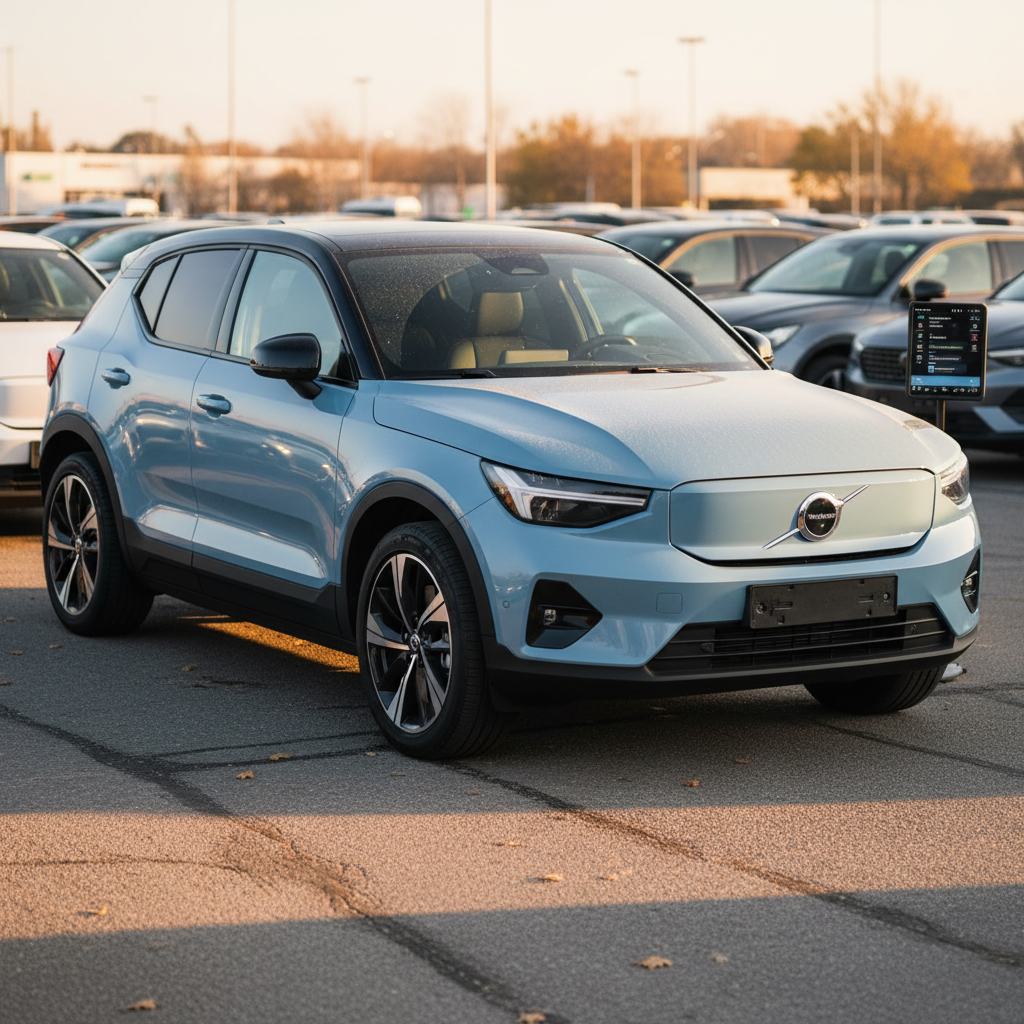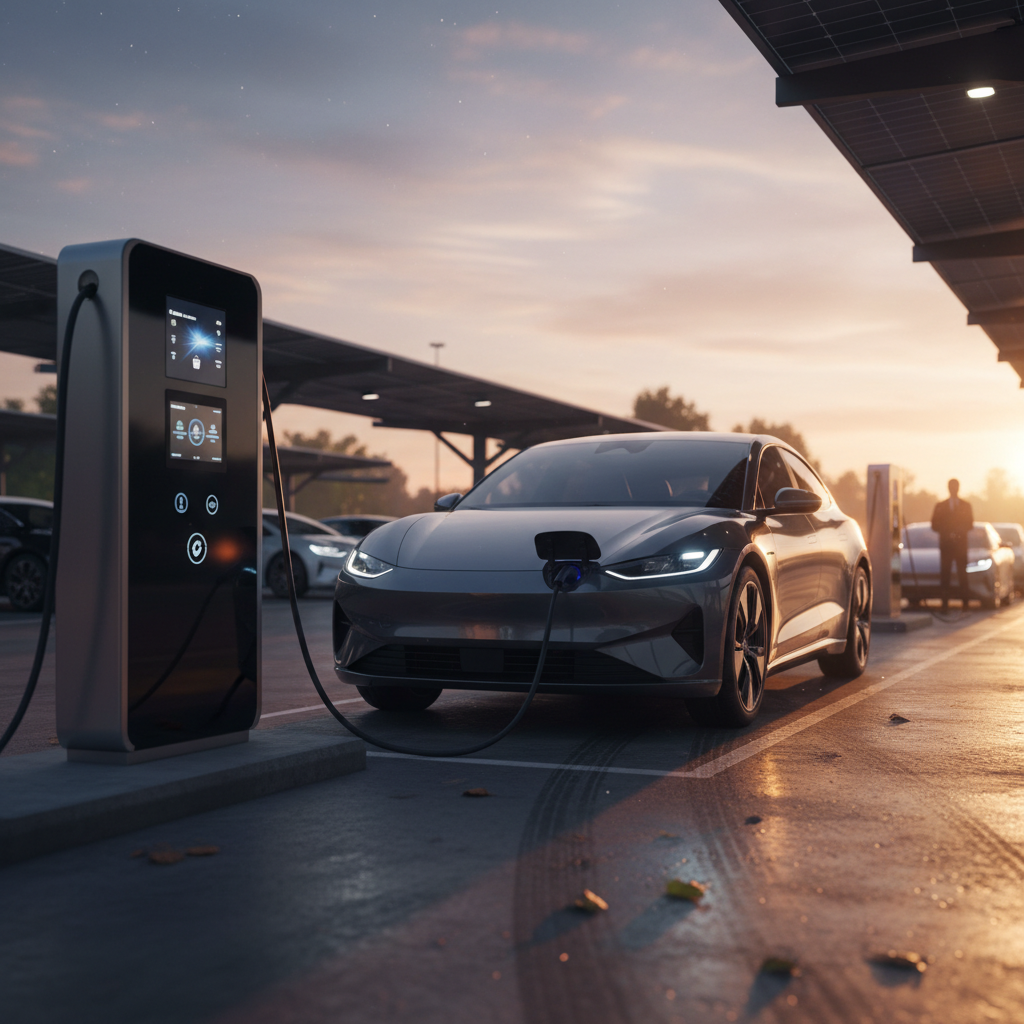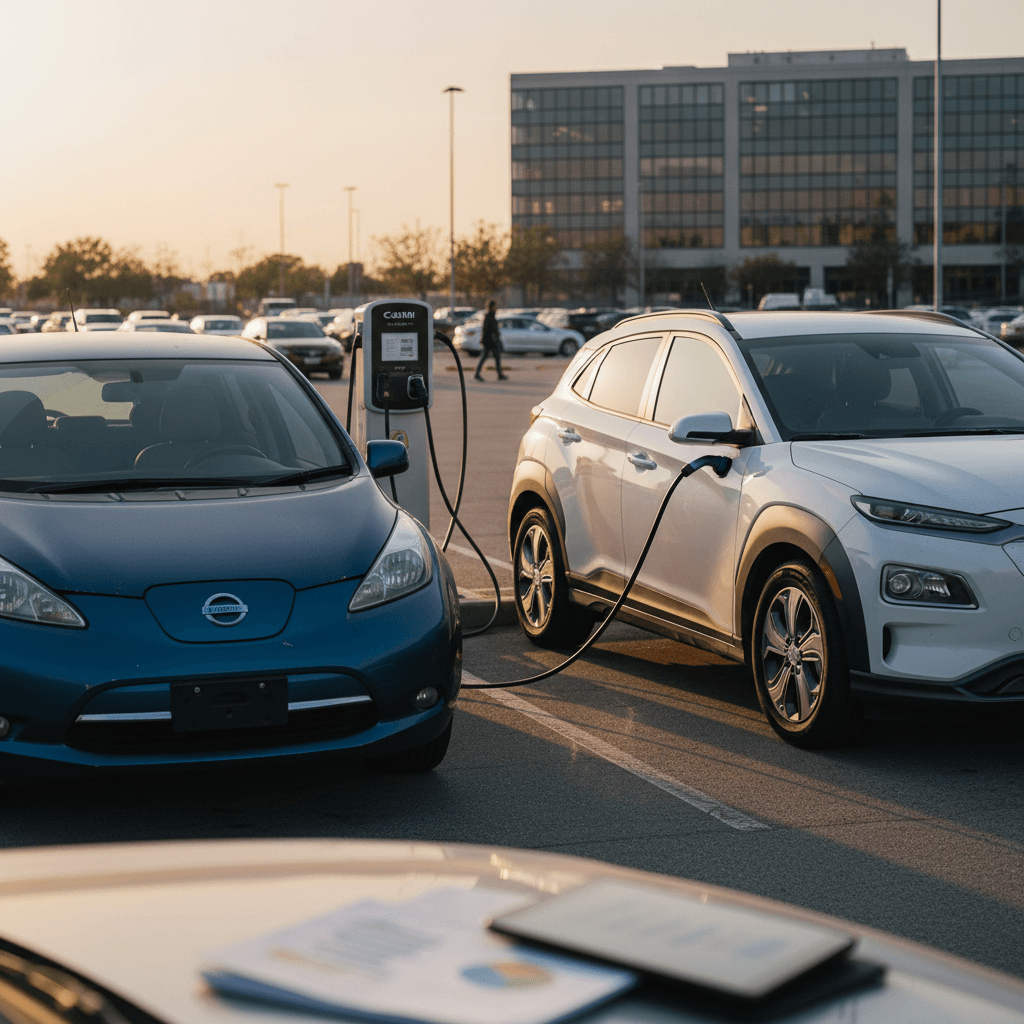
You’re shopping for a sensible, electric runabout and keep seeing the same two names: Nissan Leaf and Hyundai Kona Electric. Both promise affordable EV ownership, decent range and hatchback practicality, but when you put them head‑to‑head, which is actually better for the way you drive?
What this comparison covers
Nissan Leaf vs Hyundai Kona Electric: quick overview
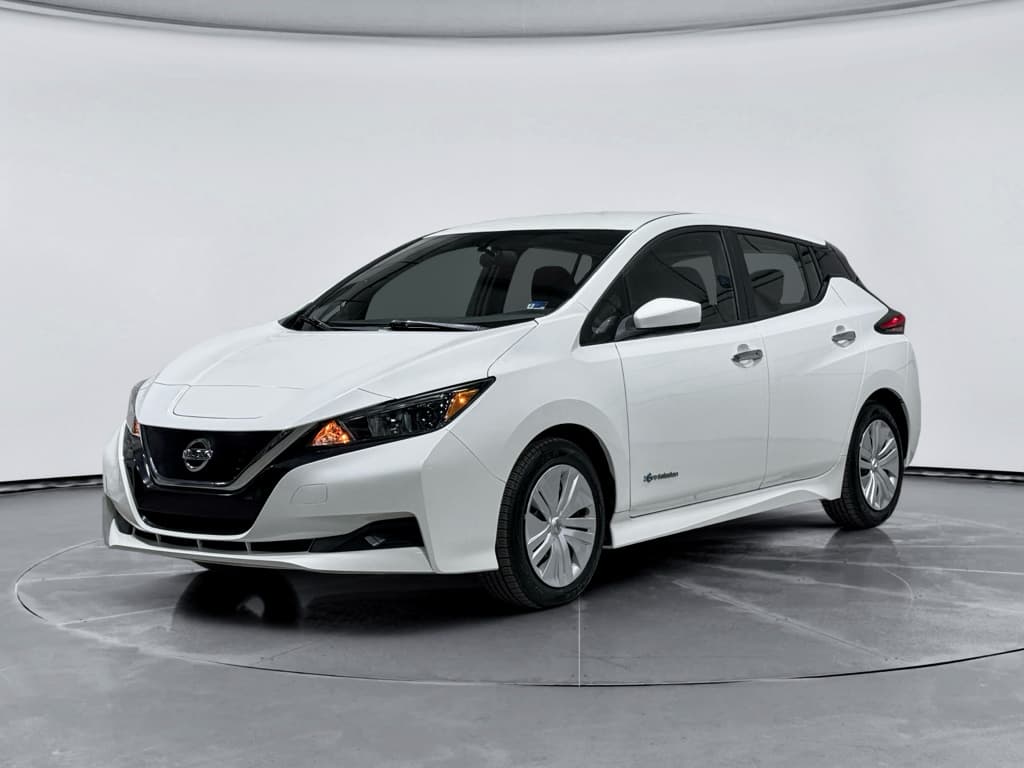
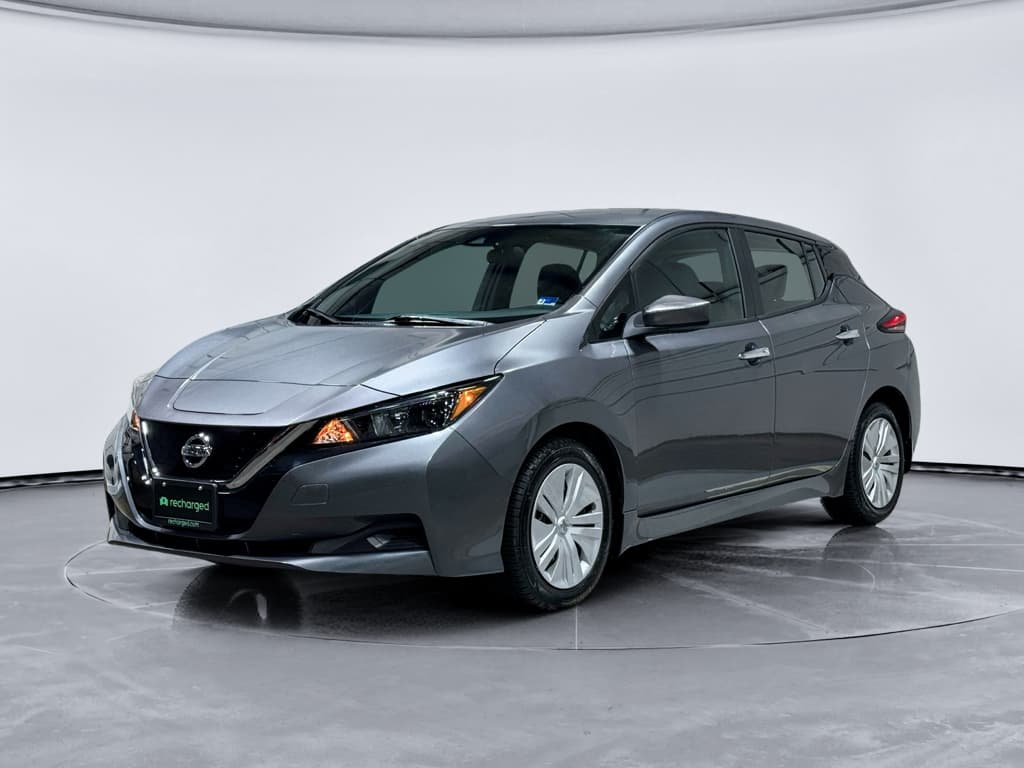
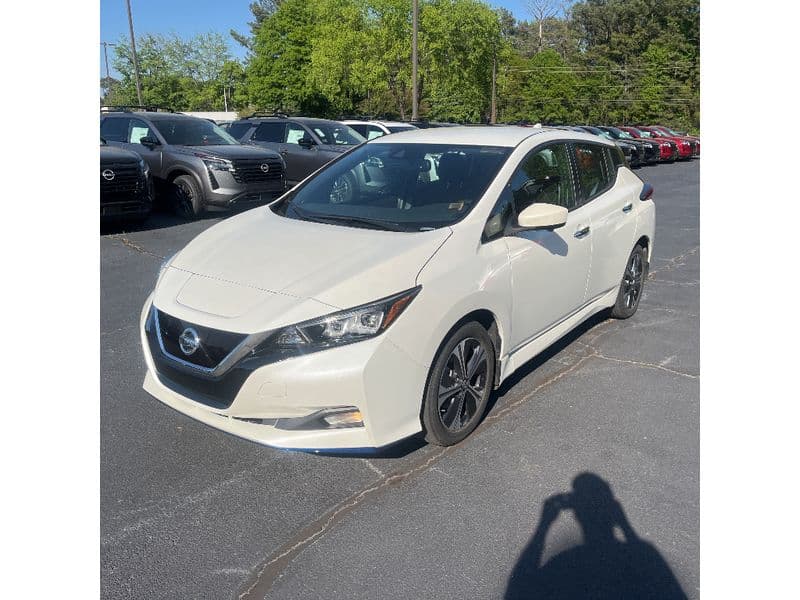
Nissan Leaf: the friendly city specialist
- Body style: Compact hatchback
- Typical battery sizes (US): 40 kWh (Leaf), 62 kWh (Leaf Plus)
- EPA range: roughly 149–226 miles depending on year and battery
- Charging: AC up to 6.6 kW, DC fast via CHAdeMO (older Japanese standard)
- Vibe: Easygoing commuter, excellent value, aging fast‑charging standard
Hyundai Kona Electric: the overachieving crossover
- Body style: Subcompact crossover
- Typical battery sizes: around 39–48 kWh (standard range) and 64–65 kWh (long‑range)
- EPA range: roughly 200–260 miles depending on trim and year
- Charging: AC up to ~10 kW, DC fast via CCS in older models and NACS/CCS mix on newer ones
- Vibe: Small SUV stance, strong efficiency, better fast‑charging future
Headline takeaway
Key specs: Leaf vs Kona Electric at a glance
Core specs comparison (popular model years)
These are representative figures for common trims you’ll see on the used market, not every variant ever sold.
| Spec | Nissan Leaf (40 kWh) | Nissan Leaf Plus (~62 kWh) | Kona Electric Standard Range | Kona Electric Long Range |
|---|---|---|---|---|
| Model years commonly found | 2018–2024 | 2019–2024 | 2024–2025 | 2019–2025 |
| Battery size (approx.) | 40 kWh | 62 kWh | ~48 kWh | 64–65 kWh |
| EPA range (approx.) | 149 miles | up to ~226 miles | ~200 miles | 230–260 miles |
| Drive type | FWD | FWD | FWD | FWD |
| DC fast charging standard | CHAdeMO | CHAdeMO | CCS | CCS (earlier), CCS/NACS (newer) |
| Onboard AC charger | 6.6 kW | 6.6 kW | ~11 kW | ~11 kW |
| Body style | Hatchback | Hatchback | Crossover | Crossover |
Always verify exact specs by VIN or window sticker, especially battery size and fast‑charge capability.
Reality check on numbers
Range and efficiency: which goes farther for less?
On paper, the Kona Electric wins the range war. Its long‑range battery delivers roughly 230–260 miles of EPA‑rated driving, and independent tests consistently squeeze impressive miles per kWh out of it. Reviewers routinely see around 4.0–4.3 miles per kWh in mixed driving, which translates to real‑world range that often matches or slightly beats the sticker claim when driven sensibly.
The Leaf tells a more complicated story. The 40 kWh version is realistically a 100–130 mile car once you factor in weather, cabin heat or AC, and battery aging. The Leaf Plus with its bigger pack stretches into the low‑200s, but many owners report they plan around 70–80% of the original EPA figure as the pack accumulates years and miles.
Typical real‑world efficiency (mixed driving)
Cold‑weather behavior
Charging and road‑trip friendliness
Here’s where the philosophical difference between these two cars really shows. The Leaf was conceived as an urban appliance. Even the newer models still use the CHAdeMO DC fast‑charging standard, which is quietly fading from US infrastructure maps as networks prioritize CCS and, increasingly, NACS (Tesla’s connector). Fast chargers that support CHAdeMO are becoming rarer, and many new sites don’t offer it at all.
The Kona Electric, by contrast, plugs into the mainstream. Older Konas use CCS for DC fast charging, and newer US‑market models are starting to incorporate NACS access either natively or via adapter. That means more stations today, and a better chance of finding working hardware in five or ten years. Its higher DC rating and larger battery also let you add useful range more quickly.
Home charging
- Both cars are happiest on a Level 2 (240 V) charger at home or work.
- The Kona’s ~11 kW onboard charger can take greater advantage of higher‑amp home setups, trimming a few hours off full charges.
- The Leaf’s 6.6 kW charger is slower but adequate if you plug in overnight and don’t routinely run the pack down to single digits.
DC fast charging
- Leaf: Slower peak speeds, smaller pack, and CHAdeMO plugs mean road trips require more planning and patience.
- Kona: Faster peaks, better sustained speeds, CCS/NACS access and more stations on major corridors.
- If you can’t install home charging and will lean on public networks, the Kona is decisively the better companion.
Why CHAdeMO matters less every year
Comfort, space and everyday usability
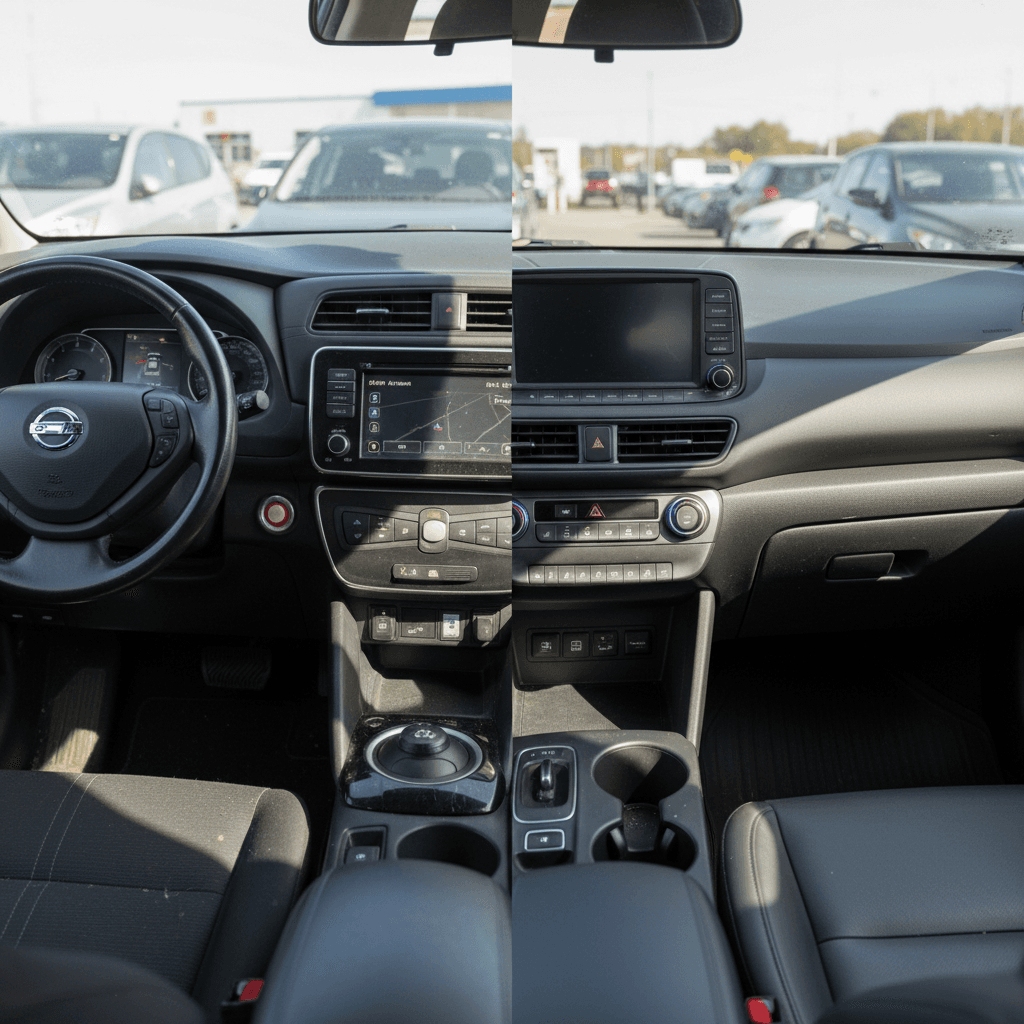
The Leaf started life as a quirky hatchback and still feels that way inside: tall roof, big windows, easy ingress and egress. Front seats are comfortable for most body types, and rear passengers enjoy a surprisingly airy space for such a short car. Cargo room with the seats up is generous for grocery runs and strollers; fold them, and you’ve got a small, square cargo bay that’s better than many compact sedans.
The Kona Electric wraps similar interior volume in a subcompact‑crossover silhouette. You sit a bit higher, with a more SUV‑like view out and a touch more ground clearance that makes steep driveways and bad weather less nerve‑wracking. Rear legroom is modest but slightly better in newer generations than in the Leaf, and the hatch is usefully tall. Families will appreciate the extra ride height and easier car‑seat loading.
Where each EV shines day‑to‑day
Think about how you actually live, not just what the spec sheet says.
City errands
Edge: Leaf (especially 40 kWh).
Short wheelbase, light steering and good visibility make it effortless in dense traffic and tight parking.
Small families
Edge: Kona.
Higher seating position, child‑seat‑friendly rear doors and slightly roomier back seat make life easier with kids.
Bad weather & rough roads
Edge: Kona.
It’s no off‑roader, but the extra clearance helps over snow ruts, steep drives and broken pavement.
Driving feel: calm commuter vs small crossover
Neither of these cars is a Nürburgring hobbyist’s dream, and that’s precisely the point. The Leaf’s mission is serenity: soft suspension, light steering, and a powertrain tuned more for smoothness than shove. The 40 kWh car is perfectly adequate in town but can feel winded merging onto fast highways, especially when loaded with people and cargo. The Leaf Plus adds much‑needed passing power, but you’ll never confuse it with a hot hatch.
The Kona Electric is more sorted. With its larger battery and stronger motor, it delivers a more confident surge from stoplights and when overtaking on two‑lane roads. The chassis feels tighter and more composed at speed, and while it’s still tuned for comfort, it doesn’t float over big bumps the way some Leafs do. Road and wind noise aren’t luxury‑car quiet, but they’re competitive for the segment.
- If you’re coming out of a small gasoline hatchback, the Leaf will feel instantly familiar, just quieter and smoother.
- If you’re used to a compact SUV or want something that feels a bit more substantial on the highway, the Kona Electric fits the mental picture better.
- Both offer strong regenerative braking modes that make one‑pedal driving in traffic genuinely relaxing once you get used to it.
Reliability and battery health in the real world
Nissan deserves credit for putting hundreds of thousands of Leafs on the road worldwide, but early‑generation cars built the name a reputation for faster‑than‑average battery degradation in hot climates. Later packs improved, yet the Leaf’s simpler thermal management still leaves it more exposed to heat and repeated DC fast charging than many rivals.
The Kona Electric has had its own drama, most notably a global battery recall affecting certain early builds, but long‑term, properly fixed cars tend to show slower degradation and more consistent range. Hyundai’s lengthy battery warranty is a real comfort blanket, especially for second and third owners buying used.
Battery‑health risk profile
All used EVs need scrutiny, but some demand more than others.
Nissan Leaf
- Some older cars in hot regions show noticeable capacity loss by 80,000–100,000 miles.
- CHAdeMO fast‑charging heat can accelerate wear if used heavily.
- Fantastic deals exist, but condition varies wildly car‑to‑car.
Hyundai Kona Electric
- Post‑recall packs have generally been robust.
- Better thermal management supports highway and fast‑charge use.
- Strong warranty coverage on newer model years eases worries.
Always get an independent battery health check
Ownership costs, incentives and used pricing
Upfront, the Leaf usually undercuts the Kona Electric. Depreciation has been kinder to buyers than to original owners, especially on older CHAdeMO‑only Leafs with modest range. In many markets, you can find a serviceable 40 kWh Leaf for several thousand dollars less than a comparable‑mileage Kona Electric.
The Kona pays you back over time with lower energy cost per mile, more usable range, and a healthier relationship with public charging networks. Insurance and maintenance are broadly similar between the two, EVs don’t have oil changes, timing belts or exhaust systems to worry about, though tires for the heavier Kona may be a bit more expensive depending on wheel size.
Cost questions to ask before you choose
1. How far do you really drive in a day?
If your routine is under 40–50 miles, a cheaper, older Leaf may cover all your needs even with some degradation.
2. Will you road‑trip this car?
If you want to use your EV for weekend getaways or cross‑state drives, the Kona’s CCS/NACS access and stronger range are worth paying more for.
3. Can you install home charging?
Home Level 2 charging makes the Leaf’s CHAdeMO limitation much easier to live with. Without it, the Kona is the safer choice.
4. How long will you keep it?
The longer your ownership horizon, the more future‑proof charging and slower degradation matter, tilting the scale toward the Kona.
Which is better for you? Leaf vs Kona by use case
Best‑fit scenarios for Leaf and Kona Electric
Urban commuter on a budget
You drive mostly in town with occasional 60–80 mile weekends.
Parking is tight; you value compact size and easy maneuvering.
You can install or already have home Level 2 charging.
You’d rather keep your monthly payment as low as possible.
→ A healthy‑battery 40 kWh Leaf is often the smartest, cheapest solution.
Suburban family with mixed driving
You routinely do 40–100 mile round‑trips, sometimes more.
You want one car to cover school runs, Costco and weekend trips.
You like sitting a bit higher and prefer a crossover shape.
You want better odds of finding working fast chargers on the road.
→ The Kona Electric long‑range is the better all‑rounder.
First EV, apartment living
You rely heavily on public charging or shared chargers.
You don’t control when or where the car plugs in overnight.
Charging flexibility and network compatibility are critical.
You might move to another city or state within a few years.
→ Prioritize the Kona Electric; the Leaf’s CHAdeMO plug will feel limiting.
Depot or second‑car duty
You’ll use the EV as a second car for local errands.
It may live at a home or work charger and rarely see highways.
Predictable routes make range easy to manage.
You want to minimize capital outlay and don’t mind an older interior.
→ A discounted Leaf can be a terrific low‑drama appliance car.
The honest verdict
Buying a used Leaf or Kona Electric with Recharged
Whichever way you’re leaning, Leaf as urban runabout or Kona Electric as do‑it‑all crossover, the crucial step is understanding the specific car in front of you, not just the model in the abstract. That’s where Recharged is designed to help.
- Every EV on Recharged includes a Recharged Score Report with verified battery health and pricing that tracks the real used‑EV market.
- Our EV‑specialist team can talk you through how a particular Leaf or Kona Electric will fit your driving patterns, climate and charging options.
- You can finance, trade in, and handle paperwork digitally, then have the car delivered nationwide or visit our Experience Center in Richmond, VA.
- If you already own a Leaf or Kona and want to move on, Recharged can give you an instant offer or consignment option so you capture fair value from your battery rather than guessing at it.
The Nissan Leaf and Hyundai Kona Electric are two sides of the same sensible‑EV coin: one a humble hatchback that democratized electric driving, the other a small crossover that quietly overachieves on range and efficiency. With clear eyes about your daily mileage, charging reality and how long you’ll keep the car, either can be a smart move. And with a verified battery report and expert guidance from Recharged, you can pick the one that fits your life instead of the one that just looks good on a spec sheet.