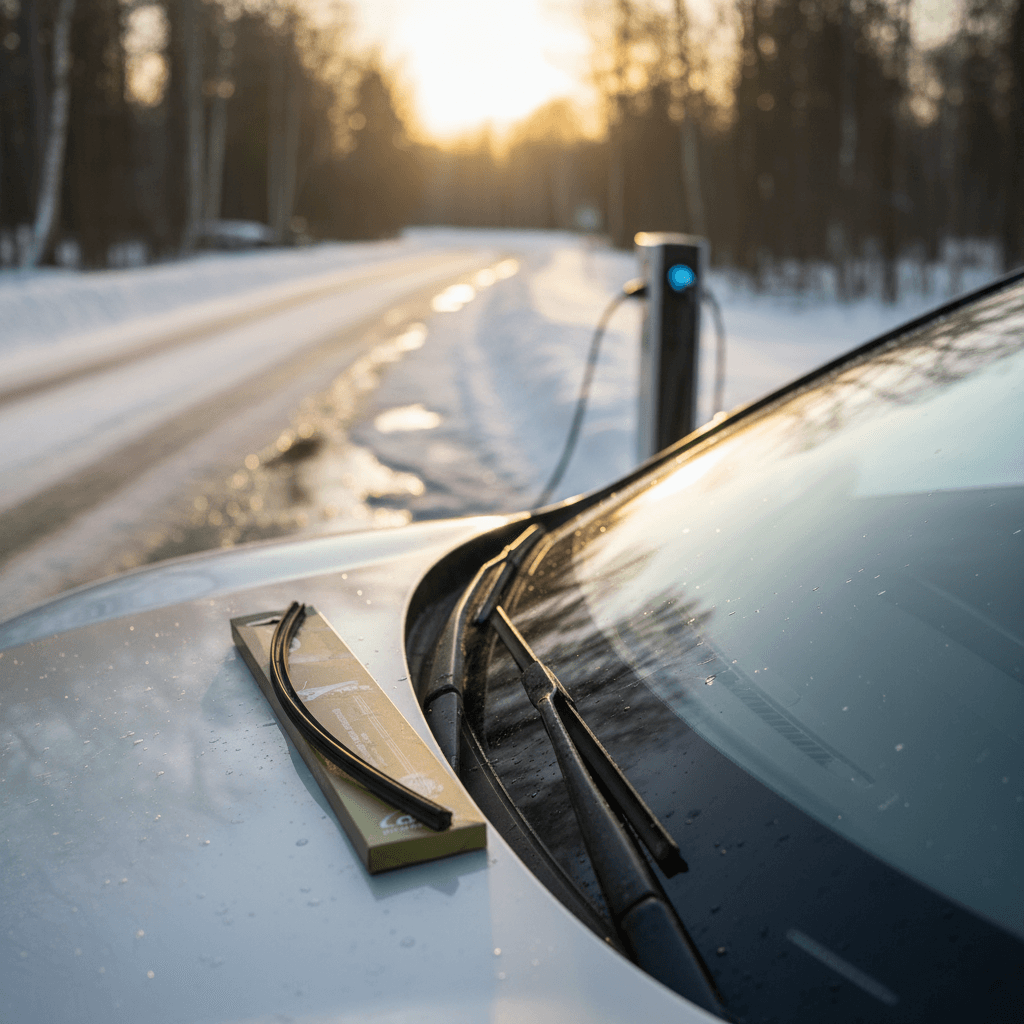
You notice it the minute the weather turns ugly. Instead of a clean sweep, your wipers smear water across the glass, chatter in the corners, and leave that one stubborn streak right at eye level. For any driver that’s annoying. In an EV, where instant torque and quiet cabins encourage relaxed cruising, poor visibility can turn a calm drive into white‑knuckle work. A few smart EV wiper blade replacement tips can keep your view clear and your drive a lot less stressful.
Visibility is a safety system
Why EV wiper blades matter more than you think
EVs are quieter, and that exposes bad wipers
In a gasoline car, engine noise hides a lot of sins. In the near‑silence of an EV, you’ll hear every chatter, squeak, and scrape from worn wiper blades. That’s not just annoying; it’s often your first warning that the rubber is hardening or the blade has lost its grip on the glass.
Regenerative braking keeps you moving longer
EVs excel at long downhill stretches and stop‑and‑go traffic thanks to regen braking. But that also means you’re spending more time in bad weather instead of ducking into a gas station. Fresh, effective wiper blades make those long, rainy or snowy runs far safer, especially on unfamiliar routes in a used EV you’ve just bought.
If you shop used EVs on platforms like Recharged, wiper blades are one of the simplest things to refresh right away. They’re cheap, easy to DIY, and instantly upgrade safety and comfort.
How often should you replace EV wiper blades?
Typical wiper blade lifespans
Most automakers and parts brands suggest replacing wiper blades every 6–12 months, with the shorter end of that range for very hot or very cold climates. That holds true for EVs as well as gas cars. What matters most is not the calendar, but how the blades perform on the glass.
- If you rely on your EV daily in heavy rain or snow, plan on a fresh set every 6 months.
- If your EV lives in a garage in a mild climate, you might comfortably stretch to 12 months.
- If you’re seeing streaks, smears, or skipping, replace the blades now, even if they’re only a few months old.
Smart habit for used EV buyers
Clear signs your EV’s wiper blades need replacing
You don’t have to guess. Your EV will tell you when it’s time, if you know what to look and listen for.
Watch, listen, and look for these warning signs
If you notice any of these, it’s time for new blades.
Streaks & smearing
After each swipe, you see lines of water or hazy smears that don’t clear. This means the wiping edge is rounded, cracked, or contaminated.
Skipping & chattering
The blade hops or chatters across the glass, especially at highway speed. The rubber may be hardened, or the blade isn’t following the glass shape.
Squeaks & scraping
On a damp or lightly wet windshield, you hear squeaking, slapping, or scraping. That’s the sound of rubber that’s lost its flexibility.
Cracks & tears
Look closely at the rubber edge. Any cracks, missing chunks, or frayed ends mean the blade is overdue for replacement.
Missed areas
Sections of glass, often right in your line of sight, stay wet or foggy after every pass. The blade is no longer contacting the glass evenly.
Ice damage
If blades were run while frozen to the glass, the rubber can tear on day one. If performance dropped suddenly after an ice storm, swap them.
Don’t wait for a storm
Choosing the right wiper blades for your EV
Wiper blades might look generic, but the right choice depends on your EV model, climate, and driving. Here’s how to sort through the options without standing in the parts aisle, staring at 40 nearly identical boxes.
Common wiper blade types for EVs
Most modern EVs use beam‑style blades for better aero and pressure distribution, but you still have choices.
| Blade type | What it looks like | Best for | Pros | Considerations |
|---|---|---|---|---|
| Conventional (frame) | Metal frame with multiple hinges | Mild climates, budget replacements | Low cost, widely available | Prone to ice buildup, more wind lift at speed |
| Beam (frameless) | Solid curved rubber/metal strip | Most modern EVs, all‑weather | Great contact with curved glass, good at highway speeds | Usually pricier than conventional |
| Hybrid | Low‑profile frame with aerodynamic cover | Mixed weather, style‑conscious owners | Combines frame strength with cleaner look | Still can pack with ice in extreme winter |
| Winter | Thick rubber boot over frame | Heavy snow, ice, road salt | Resists ice packing, durable in harsh conditions | Heavier, may feel noisy or stiff in warm months |
Check your owner’s manual for exact fitment and arm type before you buy.
Do EVs need “EV‑specific” wipers?
Checklist: How to pick the right blades the first time
1. Start with your owner’s manual
Look up the specified <strong>wiper blade lengths</strong> for driver, passenger, and (if you have one) rear window. Some EVs use different sizes left and right, or a special aero spoiler on the driver’s side.
2. Check the arm connector style
Most EVs use a J‑hook style, but some use pin or bayonet arms. The box should clearly say which connectors are included. Many modern blades come with multiple adapters.
3. Match your climate
If you see more snow than sun, consider winter blades or at least high‑quality beam blades. In baking sun, look for <strong>UV‑resistant rubber or silicone</strong> that lasts longer without cracking.
4. Balance price and quality
You don’t need the most expensive blade on the rack, but ultra‑cheap blades tend to smear and chatter quickly. Think of this as a safety item, not a fashion accessory.
5. Don’t forget the rear wiper
If your hatchback or SUV EV has a rear wiper, replace it at the same time. Rear glass gets caked with road spray, and an old blade can leave it nearly opaque in winter.
Step-by-step EV wiper blade replacement guide
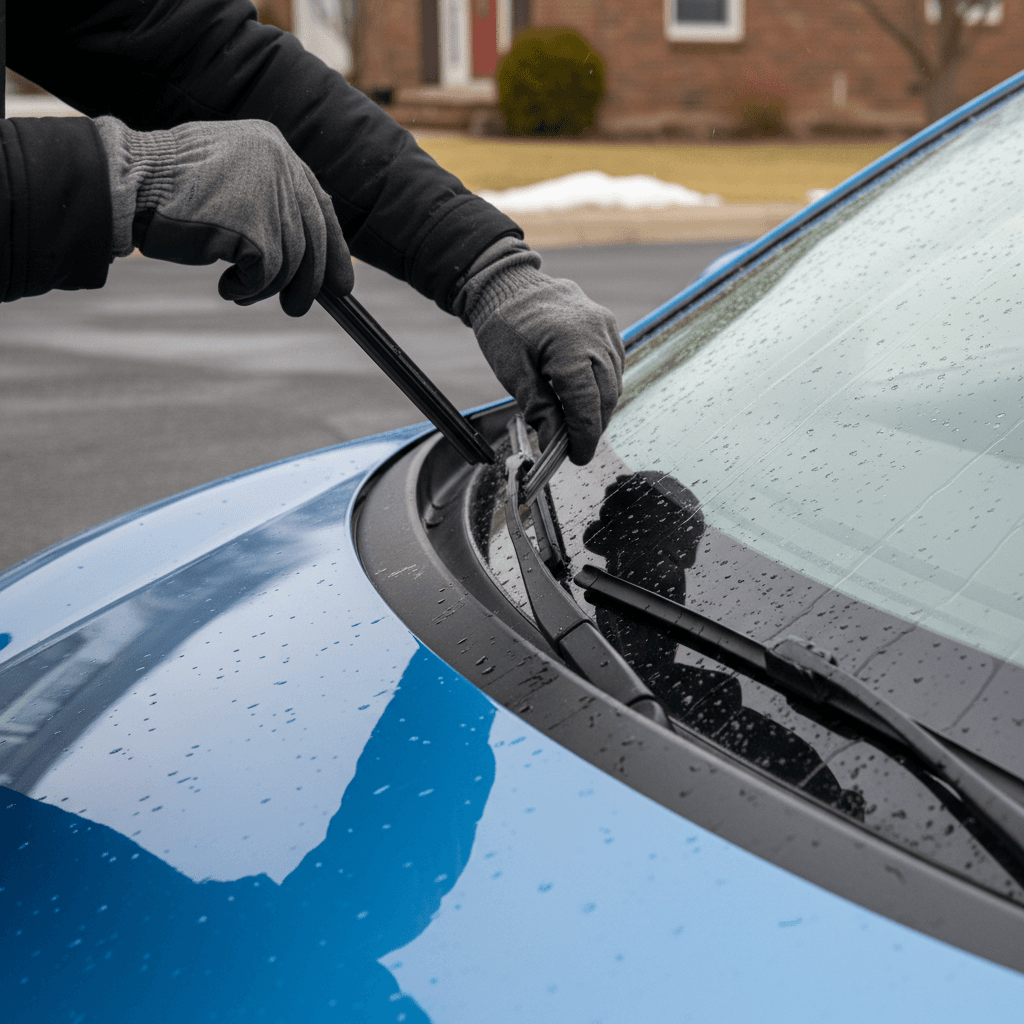
The basic process is the same on most vehicles, EV or gas. The twist with EVs is often getting the wipers into the right position before you start (we’ll cover that in the next section). Once you’ve done it once, you’ll never pay a service lane for this again.
- Park safely and power down. Park on level ground, set the parking brake, and turn the car off. If your EV has a wiper or service mode, enable it now (see the next section for examples).
- Lift the wiper arm. Gently pull the arm away from the windshield until it locks in a raised position. On some EVs with deeply hidden wipers, it may only come up partway, that’s normal.
- Find the release tab. Look where the blade assembly meets the arm. There’s usually a small plastic tab or button you press or pull to unlock the blade.
- Slide the old blade off. While holding the tab, slide the blade down or away from the hook until it releases. Take your time; don’t force it. Remember how it came off, the new one goes on the same way.
- Match old and new blades. Before installing, lay the new blade beside the old one. Confirm the length, connector, and orientation are the same.
- Click the new blade into place. Slide the new blade onto the arm until you hear or feel a distinct click. Tug gently to make sure it’s locked.
- Lower the arm carefully. Don’t let the arm snap back empty, the bare metal can crack a windshield. Guide it gently back onto the glass.
- Repeat on the other side. Replace the passenger‑side and rear wipers (if equipped) using the same steps.
- Test with washer fluid. Start the car, spray washer fluid, and run the wipers. Watch for any loose movement, odd noises, or missed areas. If something looks off, stop and recheck the installation.
Protect that expensive windshield
EV-specific tips: service modes and hidden wiper arms
Many EVs tuck their wipers low for aerodynamics. That’s great for range, but it makes blade replacement awkward, unless you know about wiper service mode. This mode swings the arms up into a high, easy‑to‑reach position and keeps them there until you’re done.
How popular EVs handle wiper service mode
Always confirm the exact steps in your owner’s manual, but here’s what you’ll typically see.
Tesla models
Most Teslas use a touchscreen shortcut: tap Controls → Service → Wiper Service Mode. The arms move up and stay there until you exit service mode. This prevents the blades from hitting the hood while you work.
GM, Ford, Hyundai/Kia EVs
Many non‑Tesla EVs use the stalk. With the car in accessory or run mode, hold the wiper stalk up or down for a few seconds to park the blades in the service position. Some also have a menu option in the settings screen.
When in doubt, check the manual
Because EV controls are so software‑driven, the exact steps can change with updates. If the usual stalk tricks don’t work, search “wiper service” in your digital owner’s manual or app.
Make a quick note in your phone
Winter wiper blade tips for EV drivers
Winter is hard on wiper blades and EVs alike. Cold temps reduce range, road salt cakes your glass, and ice can shred brand‑new blades in a single morning. The good news: a few simple habits can protect both your wipers and your battery.
Cold-weather wiper and visibility checklist
Swap or inspect before the first storm
Don’t wait for the first blizzard. Inspect your wipers in late fall. If they’re more than 6–12 months old or already streaking, <strong>replace them before winter really arrives</strong>.
Use your EV’s precondition features
Most EVs let you <strong>preheat the cabin and windshield</strong> while plugged in. Use that time to soften ice before you scrape, it’s easier on your blades and preserves driving range.
Never run wipers on dry, icy glass
If the blades are frozen to the windshield, turning them on can rip the rubber edge. Free the blades first with de‑icer, your defroster, or gentle scraping.
Park with blades lifted in heavy ice
In serious ice storms, carefully lifting blades off the glass can keep them from bonding to the windshield overnight. Just be sure wind won’t bend the arms.
Consider a water-repellent treatment
Glass treatments that bead water make life easier on wipers, especially at highway speeds. Apply them carefully and follow the directions to avoid haze.
Keep an emergency cleaning kit in the car
A dedicated ice scraper, microfiber towel, and small bottle of washer fluid or de‑icer will rescue you on days when the weather forecast was a little too optimistic.
Snow load is real
Simple habits to make your wiper blades last longer
You don’t control the weather, but you do control how much abuse your wiper blades take. A few 30‑second habits can easily double their useful life.
- Clean the blades when you wash the car. Wipe the rubber edge with a damp cloth and a little mild soap to remove grit and road film.
- Avoid using wipers on a dry windshield. Use your washer fluid first so the blades glide instead of drag.
- Don’t scrape ice with the blades. They’re for wiping water, not chiseling frost. Use a proper ice scraper and let the defroster do its job.
- Park in the shade or a garage when you can. Direct sun bakes the rubber, especially in hot climates, making it crack and harden faster.
- Top up washer fluid regularly. EVs don’t use oil or transmission fluid the way gas cars do, but they absolutely depend on washer fluid for clear vision.
- Inspect at every season change. When you swap between summer and winter driving habits, take 10 seconds to look at your blades.
Tiny effort, big payoff
EV wiper blade replacement FAQ
Frequently asked questions about EV wiper blades
When to DIY and when to get help
If you’re comfortable using a phone and a charging cable, you’re probably capable of swapping your own wiper blades. But there are a few times when it’s smart to ask for help.
- You can’t get the wipers into service position and are worried about hitting the hood.
- The connector on your EV’s wiper arm doesn’t match what you see in the instructions.
- You notice unusual resistance, bent arms, or anything that looks damaged under the cowl.
- You simply don’t want to risk scratching a camera‑equipped windshield.
Where this fits into your EV ownership plan
Treat your EV’s wiper blades with the same respect you give its battery and tires. Replace them before the weather turns, choose blades that match your climate and driving, and learn your car’s service mode once so you never have to wrestle with hidden arms again. A clear windshield won’t add a mile of range, but it will give you something just as valuable on a dark, stormy night: the confidence to see exactly where your electric journey is headed.