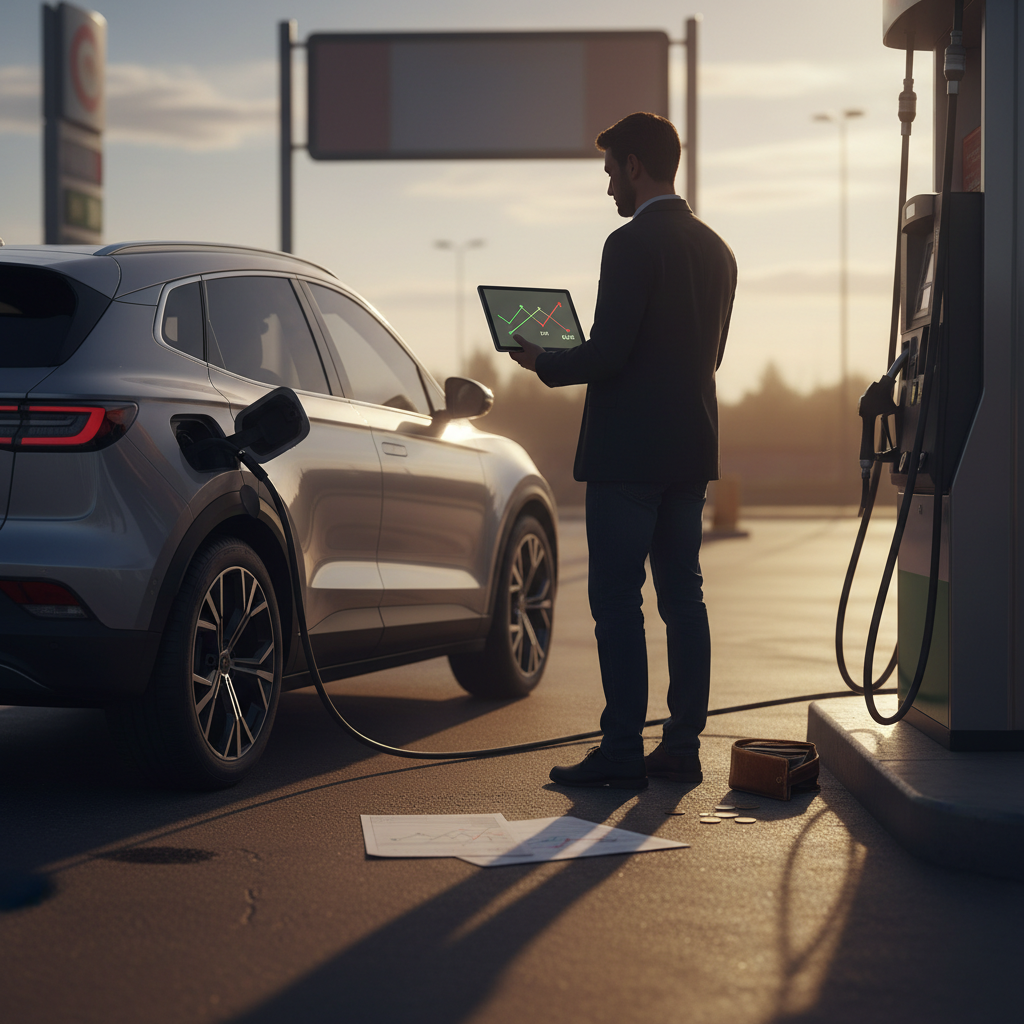
Shopping for your first electric car in 2026 is exciting, and a little intimidating. You’re juggling new concepts like kilowatts, charging networks, and battery health while wondering whether a new or used EV actually fits your life and budget. This guide walks you through each decision in plain English so you can buy confidently, not just hopefully.
Who this 2026 EV buying guide is for
Is 2026 the right time for your first EV?
We’re in a strange but ultimately favorable moment for first‑time EV buyers. New federal clean‑vehicle tax credits for purchases largely ended on September 30, 2025, which has cooled some demand and pushed automakers to offer more aggressive discounts and leases. At the same time, more mainstream EVs with 250+ miles of range have hit the used market, and public fast‑charging coverage has improved along major corridors.
EV market snapshot for first‑time buyers in 2026
2026 takeaway
Step 1: Know your driving patterns and range needs
Before you fall in love with a specific badge or screen size, start with how you actually drive. EVs are range‑abundant for some people and range‑constrained for others; that difference usually comes down to mileage and charging access, not the logo on the hood.
- Daily commute: How many miles round‑trip on a typical workday? Add errands and kid drop‑offs, not just highway miles.
- Weekly rhythm: Do you routinely take 80–150‑mile day trips for sports, family, or work?
- Road trips: How many long trips (200+ miles one way) do you realistically take per year? Could you rent or borrow a car for those?
- Climate: Cold winters and very hot summers can temporarily trim usable range by 10–30%, especially on the highway.
- Parking: Do you park in a private driveway/garage, shared lot, or on‑street? This heavily shapes your charging strategy.
Don’t buy the brochure range
Simple range targets for first‑time EV buyers
Match your real driving to a realistic range band, not wishful thinking.
Urban & short‑range drivers
Typical profile: Under 40 miles/day, mostly city driving, rare road trips.
- Comfortable with: 150–220 miles EPA range
- Ideal for: Older Nissan Leaf, Chevy Bolt, small hatchbacks
- Key question: Do you have overnight home or workplace charging?
Suburban commuters
Typical profile: 30–70 miles/day, mix of city and highway, occasional weekend trips.
- Comfortable with: 230–280 miles EPA range
- Ideal for: Most 2023–2025 compact/midsize crossovers
- Key question: Will you fast‑charge on some weekends?
Frequent highway travelers
Typical profile: 70+ miles/day or frequent 200+ mile trips, lots of freeway.
- Comfortable with: 280–330+ miles EPA range
- Ideal for: Larger battery trims, premium EVs
- Key question: Are you OK planning fast‑charge stops in advance?
Step 2: Decide new vs used for your first electric car
The old rule of thumb, “buy new for reliability, used for value”, still applies, but the EV twist is that batteries, software, and fast‑charging capabilities are updating quickly. A well‑chosen used EV can be a terrific first electric car, especially if someone else has already taken the big depreciation hit.
Pros of buying a new EV in 2026
- Latest tech & charging: Newer EVs often support faster DC charging and the North American Charging Standard (NACS) native port.
- Full warranty: Comprehensive bumper‑to‑bumper coverage plus 8‑year battery warranty from day one.
- Customization: You pick color, options, and trim, but you may pay for the privilege.
- Leasing options: In some cases, manufacturers bake in incentives through leases even as purchase credits fade.
Pros of buying a used EV in 2026
- Lower upfront price: 2–4‑year‑old EVs can be 30–40% cheaper than new with similar specs.
- Proven real‑world range: You can see how that specific model actually performs and degrades over time.
- More cars in budget: A used premium EV might cost what a new economy model does.
- Battery transparency: Tools like the Recharged Score give you verified insights into current battery health.
Beware early‑generation EVs as your only car
Step 3: Understand charging, home, work, and public
Your charging situation is just as important as the car itself. If you can reliably charge where you sleep or work, most of your “fueling” becomes invisible and cheap. If you rely mostly on public fast‑charging, you’ll want to choose models and locations more carefully.
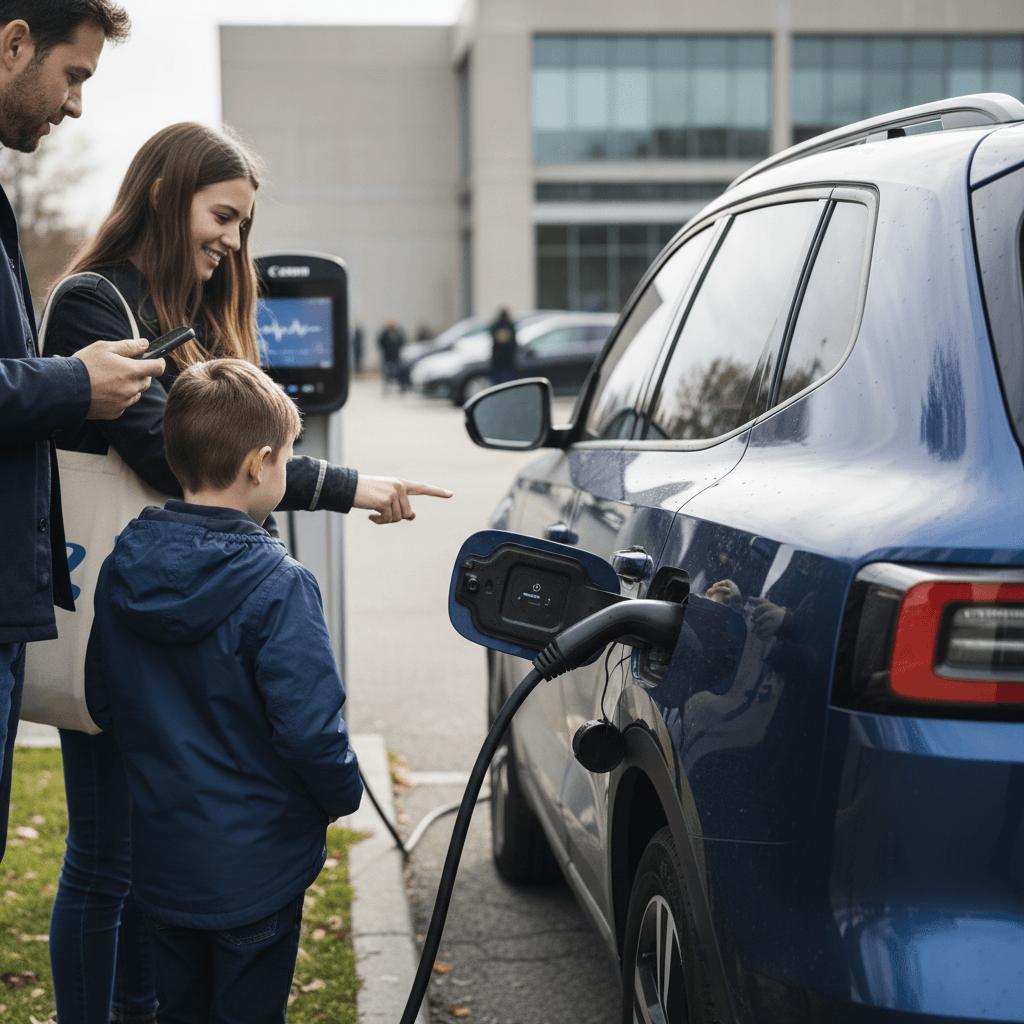
Level 1, Level 2, and DC fast‑charging explained
You don’t need a physics degree, just the basics.
Level 1 (120V)
Where: Standard household outlet.
- ~3–5 miles of range per hour
- Good for: Plug‑in hybrids, low‑mileage drivers
- Hardware cost: Often just the cord that comes with the car
Use this if you drive very little or are waiting to install Level 2.
Level 2 (240V)
Where: Home charger or many public "destination" chargers.
- ~20–40 miles of range per hour
- Good for: Most daily charging needs
- Hardware cost: ~$400–$1,000 plus installation if at home
For most first‑time EV owners with a driveway or garage, this is the sweet spot.
DC fast‑charging
Where: High‑power stations along highways and in cities.
- Adds 150–200+ miles in ~30 minutes on newer EVs
- Good for: Road trips and emergencies
- Per‑kWh cost: Often higher than home electricity
Think of this like a gas station for your EV, not your daily habit.
Renters and condo owners: ask these questions early
Step 4: Battery health is the new “engine condition”
On a used gasoline car, you’d worry about engine compression, oil leaks, and transmission wear. On a used EV, the battery pack and high‑voltage systems are the heart of the car’s value. Most modern EV batteries age gracefully, but abuse, heat, and heavy fast‑charging can accelerate degradation.
- Normal degradation: Losing roughly 5–10% of capacity over the first 3–4 years is common and not automatically a red flag.
- Abnormal patterns: Sudden large drops, large range loss in just a year, or a car far below peers of the same age may signal overheating, heavy abuse, or software issues.
- Thermal management: EVs with liquid‑cooled battery packs generally hold up better than early air‑cooled designs, especially in hot climates.
- Warranty remaining: Many manufacturers cover the battery for 8 years (with a minimum capacity guarantee). Knowing start date and mileage limits matters.
- Data beats guesses: Rely on measured battery health, not just “it seems fine” or a seller’s word.
How the Recharged Score helps
Step 5: Budget total cost of ownership, not just price
Sticker price is only part of the story. For many first‑time EV buyers, the long‑term savings in fuel and maintenance more than offset a slightly higher purchase price, especially if you buy used and avoid the steepest depreciation.
EV vs gasoline: typical ownership cost differences
Assumes a U.S. commuter driving ~12,000 miles per year, comparing a compact EV to a similar compact gas car in 2026. Numbers are illustrative, not quotes.
| Cost area | Typical gas car | Typical EV | What it means for you |
|---|---|---|---|
| Fuel/energy | $1,800–$2,200/yr | $400–$900/yr (home-heavy charging) | Home‑charged EVs can save ~$1,000/year or more in energy alone. |
| Maintenance | $800–$1,000/yr | $300–$500/yr | EVs skip oil changes, spark plugs, and many emissions parts. |
| Depreciation | Moderate | Varies by model | Early EVs depreciated fast; newer, long‑range EVs hold value better, especially with verified battery health. |
| Incentives | Gas: rarely | EV: mainly state/local in 2026 | Federal purchase credits have ended for most buyers, but some state, utility, and HOV perks remain. |
| Home fueling gear | N/A | $0–$2,000 one‑time | A basic Level 2 setup can pay for itself in a few years of fuel savings. |
EVs usually win on fuel and maintenance, while gas cars may still carry an edge on purchase incentives in some regions.
Run your own numbers
Step 6: Incentives and taxes, what still exists in 2026?
Tax rules have shifted quickly. The big headline is that the federal clean‑vehicle tax credit for new and used EVs ended for purchases after September 30, 2025. If you bought or entered a binding contract before that date, you may still be able to claim a credit on your 2025 return, but that doesn’t help a first‑time buyer shopping fresh in 2026.
- State and local rebates: Some states, cities, and utilities still offer EV purchase rebates, bill credits, or discounted overnight charging rates. These vary widely, so check your state energy office and local utility.
- Home charging incentives (time‑sensitive): The federal credit for installing home EV charging equipment is scheduled to end for property placed in service after June 30, 2026. If you’re considering a home Level 2 charger, installing sooner rather than later could matter.
- HOV lane access & registration perks: Some states still let EVs use carpool lanes solo or offer discounted registration or tolls, small perks that add up.
- Leasing workarounds: Even as purchase credits fade, some automakers and captive finance arms use leases and promotional cash to mimic the effect of old tax credits. Always compare effective monthly cost across lease vs finance.
Tax laws are moving targets
Step 7: Shortlist the right first EV models for you
Instead of chasing whatever’s hyped this week, build a shortlist based on your range, charging, and budget constraints. Then compare specific trims and years, especially if you’re open to buying used.
Common “first EV” profiles and good starting points
Use these as starting templates, then refine by year, trim, and budget.
Budget urban commuter
Priorities: Low upfront cost, easy parking, mostly city miles, limited road trips.
Good fits: Older compact hatchbacks and sedans with 150–220 miles of real‑world range.
Watch for: Battery health, air‑cooled packs in hot climates, and slow DC charging speeds if you ever road‑trip.
Suburban family crossover
Priorities: Room for kids and cargo, 230–280 miles of range, solid safety tech.
Good fits: 2023–2025 compact and midsize crossovers that support modern DC fast‑charging and offer robust driver‑assist suites.
Watch for: Third‑row usability, roof‑rack limits, and efficiency at 70–75 mph.
Road‑trip capable daily driver
Priorities: 280–330+ miles of range, strong highway fast‑charging, good seats.
Good fits: Long‑range sedans and crossovers rated around 300 miles EPA, ideally with 800V‑class fast‑charging or strong NACS support.
Watch for: Real highway efficiency, charging‑curve behavior, and network coverage on your favorite routes.
Why used often makes sense for a first EV
Financing and trade-ins: Making the numbers work
As EV pricing normalizes post‑tax‑credit, the structure of your deal, finance vs lease, down payment, term length, and trade‑in value, matters more than ever. A slightly higher rate on a fairly priced used EV can still be smarter than a rock‑bottom teaser lease on the wrong new car.
Smart money moves for your first EV
1. Get pre‑qualified before you shop
Knowing your approximate rate, max payment, and term up front helps you avoid falling in love with a car that doesn’t fit your budget. Recharged lets you <strong>pre‑qualify with no impact to your credit</strong>, so you can browse with real numbers in mind.
2. Compare lease vs finance honestly
Leases can still bake in incentives and reduce your monthly payment, but mileage limits and wear‑and‑tear charges matter. If you drive a lot, or want to keep the car for 8–10 years, traditional financing on a fairly priced used EV may be smarter.
3. Value your trade realistically
Gas cars are depreciating on their own curve as EV adoption rises. Get multiple trade‑in and instant‑offer quotes, and be honest about reconditioning needs. Recharged can give you an <strong>instant offer or consignment option</strong> so you can see what your current car is really worth in today’s market.
4. Don’t over‑extend on term length
Stretching a loan to 84 or 96 months just to hit a payment target can leave you upside‑down for years. Try to align your term with at least the remaining battery warranty on a used EV.
How Recharged simplifies buying your first used EV
Traditional dealerships were built for engine noise and oil changes, not kilowatts and charging curves. If you’re considering a used EV as your first electric car, working with an EV‑specialist retailer can remove a lot of guesswork and sales theater.
What you get with a used EV from Recharged
Built from the ground up for simple, transparent EV ownership.
Recharged Score battery diagnostics
Every car on Recharged includes a Recharged Score Report with:
- Verified battery health metrics
- Charging and usage patterns where available
- Fair‑market value analysis based on real EV data
Fully digital, expert‑guided buying
Browse, compare, finance, and sign online from anywhere in the U.S. Recharged’s EV specialists walk you through range needs, charging options, and battery reports instead of pushing whatever’s on the lot.
If you’re near Richmond, VA, you can also visit the Recharged Experience Center for in‑person test drives and consultations.
Nationwide delivery & trade‑in options
Recharged offers nationwide delivery, plus flexible options for your current vehicle, trade‑in, instant offer, or consignment. That means you can upgrade from gas to electric without juggling multiple dealers and marketplaces.
First‑EV buyer checklist
Use this before you click “buy” or sign anything
1. Confirm your real range requirement
Based on your commute, weekend use, climate, and charging access, write down a realistic minimum range you’re comfortable with, not the biggest number you think you can afford.
2. Decide your charging strategy
Will you charge mainly at home, at work, or on public fast‑chargers? If at home, do you have a plan and budget for a 240V outlet or Level 2 charger by June 30, 2026 if you want to capture any remaining equipment credit?
3. Choose new vs used with eyes open
If new, are you okay with faster depreciation and fewer purchase incentives? If used, do you have <strong>independent battery health data</strong> like the Recharged Score, not just a seller’s reassurance?
4. Research model‑specific quirks
Every EV has known strengths and weak spots, charging curves, software updates, recalls. Spend an hour on owner forums and professional reviews for your shortlist models and years.
5. Stress‑test your budget
Add purchase price (or lease payment), energy, insurance, maintenance, and any home charging work. Make sure you’re comfortable even if electricity or insurance tick up.
6. Plan your first month of charging
Know where you’ll plug in on day one: which outlet, which app, which network. Set up accounts and RFID cards before delivery so the transition from gas to electric is smooth, not stressful.
First‑EV FAQs
Common questions from first‑time EV buyers in 2026
Buying your first electric car in 2026 doesn’t have to be a leap of faith. If you start with your real driving patterns, understand charging options, insist on clear battery‑health data, and run the full cost‑of‑ownership math, an EV can be both a smarter financial move and a better daily‑driving experience. And if you decide a used EV is the right entry point, Recharged is built to make that transition simple, transparent, and confidence‑inspiring from your first question to the day your car shows up in your driveway.