If you’re shopping for an EV under 40k in late 2025, you’re in a very different market than just a year or two ago. Sticker prices are easing, incentives have shifted, and both new and used electric cars now deliver real range, comfort, and tech without demanding luxury-car money. The key is knowing where the value really is, and where you’re just paying for buzz.
Quick Snapshot
Why an EV Under $40K Still Makes Sense in 2025
You’ve probably heard a lot of noise about incentives ending and EV sales cooling. It’s true that the federal tax credit landscape changed in 2025, and some headline-grabbing deals disappeared. But that doesn’t mean an EV under $40,000 stopped being a smart buy. For many drivers, it’s actually the point where electric starts making more sense than gasoline over the long haul.
EV Affordability Snapshot in 2025
Important 2025 Reality Check
New vs Used EV Under $40K: Which Path Fits You?
Who Should Focus on New EVs Under $40K
- Risk‑averse buyers who want a full factory warranty and the latest safety tech.
- Daily commuters who value reliability and low downtime over maximum features.
- Drivers in areas with harsh winters who want the latest battery and heat‑pump improvements.
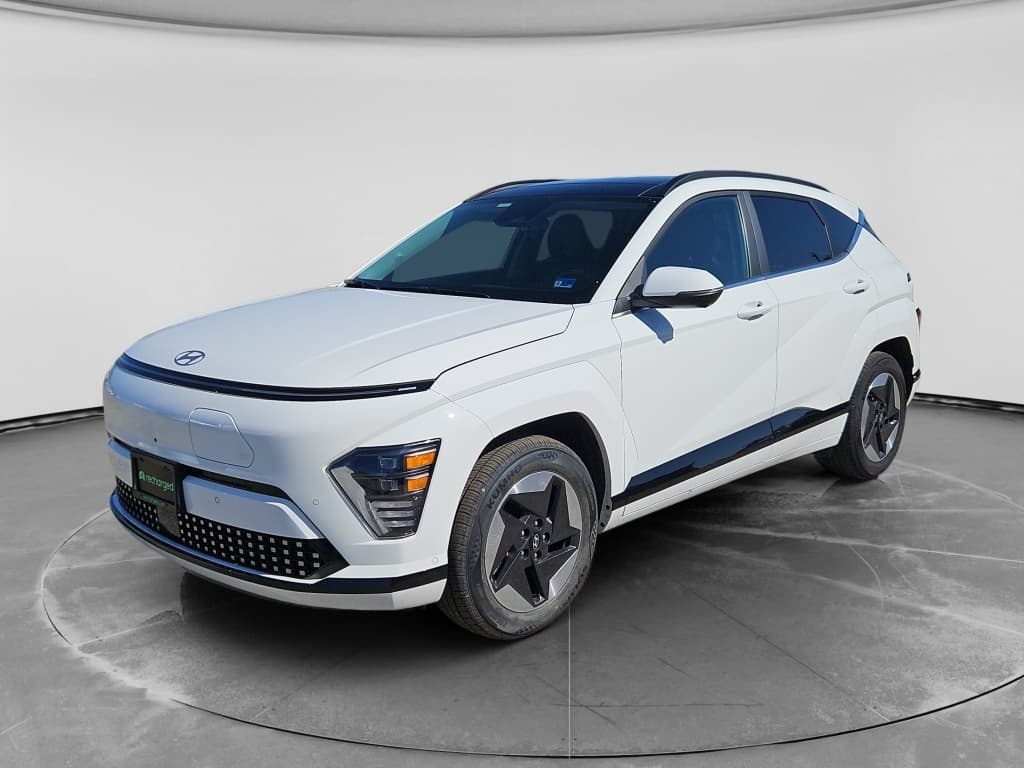
New models like the Chevrolet Equinox EV and Hyundai Kona Electric bring long range, modern interiors, and up‑to‑date DC fast‑charging hardware while staying below the $40K line.
Who Should Focus on Used EVs Under $40K
- Shoppers who want more car for the money, larger SUVs, luxury brands, or long‑range trims.
- Buyers comfortable with a lightly used 1–4 year old vehicle in exchange for big upfront savings.
- Drivers who appreciate depreciation working in their favor, especially on higher‑MSRP models.
A well‑vetted used EV can put a premium model, Think Ioniq 5, Tesla Model Y, or Volvo XC40 Recharge, comfortably in budget.
Where Recharged Fits In
Best New EVs Under $40K in 2025
Let’s start with new models you can realistically find with an MSRP under $40,000. Exact transaction prices will depend on equipment, destination charges, and dealer markups or discounts, but these vehicles are designed to live in the sub‑$40K band.
Standout New EVs Under $40K
High‑value models worth putting on your short list
Chevrolet Equinox EV
Why it matters: One of the strongest all‑around values in the EV market.
- Base price around $34,995.
- EPA range around 270–319 miles, depending on trim.
- Plenty of space for families; modern tech with a large center screen.
If you want a practical crossover EV under 40k, put the Equinox EV near the top of your list.
Hyundai Kona Electric
Why it matters: Efficiency champ with an approachable price.
- Base pricing in the mid‑$30K range.
- EPA range up to the mid‑200‑mile zone.
- Redesigned cabin with more room and strong safety ratings.
Great fit for city and suburban drivers who want a compact footprint without sacrificing comfort.
Tesla Model 3 (RWD)
Why it matters: Still the range‑per‑dollar benchmark for many shoppers.
- Often priced just under $40,000 for entry trims.
- Range in the 270‑mile neighborhood.
- Access to Tesla’s Supercharger network with fast DC charging.
Be sure to compare build quality and service access in your area against more traditional brands.
Other Notable New EVs Around $40K
Depending on trim and incentives, these can land just under the mark
Hyundai Ioniq 6
An aerodynamic sedan with excellent efficiency.
- Some trims hover around the high‑$30K range.
- Top trims offer 300+ miles of range.
- 800‑volt architecture enables very fast DC charging.
Subaru Solterra & Similar Compact SUVs
For drivers who want standard AWD and light off‑road ability.
- Base trims can be priced near $38K–$39K with careful shopping.
- Range in the low‑200‑mile band, fine for most daily use.
- Appeals to buyers coming from a traditional crossover or outdoorsy lifestyle.
Watch the Fine Print
Standout Used EVs Under $40K
If you’re willing to shop used, an EV under $40K can quickly turn into an EV that would have cost $50,000–$70,000 new. That’s where the value gets intriguing, but it’s also where knowing battery health and prior use becomes critical.
Used EVs Where $40K Buys a Lot of Car
Popular models you’re likely to see in the used market under $40K
Hyundai Ioniq 5
Sweet spot: 1–3‑year‑old Ioniq 5s often fall under $40K.
- Strong real‑world range and ultra‑fast charging.
- Spacious, lounge‑like interior.
- Good pick if you road‑trip regularly and want DC fast‑charge speed.
Tesla Model Y & Older Model 3
Tesla’s popularity means plenty of used inventory.
- Earlier Model Y crossovers and mid‑spec Model 3s frequently land under $40,000.
- Supercharger access remains a big plus.
- Check for panel fit, warranty balance, and previous accident history.
Volkswagen ID.4, Kia Niro EV & Others
These mainstream crossovers often represent solid value used.
- Family‑friendly space and good safety ratings.
- Useful range for commuting and weekend trips.
- Sometimes heavily discounted versus new due to earlier depreciation.
Battery Health Is Non‑Negotiable
Key Specs to Compare on Any EV Under $40K
No matter which models make your short list, you should evaluate them using the same handful of metrics. That’s how you avoid falling in love with a low price and discovering it doesn’t fit your life.
The Specs That Matter Most
Use this framework when you’re comparing any EVs under $40K, new or used.
| Spec | Why It Matters | Good Target for EVs Under $40K |
|---|---|---|
| EPA Range | Determines how often you’ll need to charge. | Aim for 230+ miles if you regularly use highways or drive in cold weather. |
| Battery Size (kWh) | Rough proxy for range; also affects charging time. | Mid‑50s to mid‑70s kWh is common in this price band. |
| DC Fast‑Charge Speed (kW) | How quickly you can add meaningful range on road trips. | Look for 100 kW or higher; 150 kW+ is ideal. |
| On‑Board Charger (kW) | Controls how fast you can charge at home or public Level 2. | 7.2–11 kW is typical; higher is better if you drive a lot. |
| Drivetrain | FWD/RWD/AWD affects traction and efficiency. | FWD/RWD are efficient; AWD is nice to have, not must‑have. |
| Warranty & Battery Coverage | Protection against early component or battery issues. | Look for 8 yrs/100k miles or similar on the battery pack. |
Prioritize range and charging that fit your real driving patterns before obsessing over 0–60 times.
Real‑World Range vs Sticker Range
Total Cost of Ownership: Why Price Isn’t the Whole Story
When you’re focused on an EV under $40K, it’s easy to obsess over the front‑end price and ignore the rest of the math. But EVs flip the traditional equation: they often cost more up front than comparable gas cars, then quietly pay you back in fuel and maintenance savings over time.
Where EVs Save You Money
- Electricity vs gasoline: Even with recent rate changes, cost per mile on home charging is typically far below gasoline.
- Maintenance: No oil, spark plugs, exhaust, or complex transmissions. Brake wear is reduced thanks to regenerative braking.
- Time: Home charging means you start each day with a full "tank" instead of visiting the station.
Costs to Keep in Mind
- Home charging setup: A 240V Level 2 circuit may require an electrician.
- Public fast charging: Pricier per kWh than home power; best used mainly on road trips.
- Insurance: Can be higher than a comparable gas car; quotes vary widely by region and model.
Run the Numbers Over 5–10 Years
Financing, Trade‑In and Finding Real Value
Sticker price is only half the story. How you finance the car, what you get for your trade‑in, and whether the price reflects true market value all determine if that EV under 40k is a solid deal or just a clever ad.
Three Ways to Stretch Your $40K EV Budget
Structure the deal as carefully as you choose the car
Dial In the Loan
Rate and term matter as much as price.
- Compare offers from your bank, credit union, and online lenders, not just the dealer.
- A slightly higher price with a notably lower rate can be cheaper over the life of the loan.
Leverage Your Trade‑In
A fair trade‑in offer keeps cash in your pocket.
- Get instant online offers and use them as a benchmark.
- Clean, photograph, and document maintenance before appraisal.
Buy at Fair Market Value
Don’t pay tomorrow’s depreciation today.
- Compare listings with similar mileage and options.
- Look for transparent pricing backed by objective tools, like the fair market pricing used on Recharged.
How Recharged Simplifies the Money Side
Pre‑Purchase Checklist for Any EV Under $40K
Your 9‑Step EV Under $40K Buying Checklist
1. Map Your Real‑World Driving
List your typical commute, weekly errands, and a couple of long trips you actually take. This keeps you from over‑ or under‑buying on range.
2. Set a Hard Out‑the‑Door Budget
Decide your max all‑in price, including taxes, fees, and charger installation, before you step into negotiations.
3. Short‑List 3–5 Models
Include at least one efficient compact (like a Kona Electric) and one roomier crossover (like an Equinox EV or ID.4) to see how much space matters to you.
4. Compare Range and Charging, Not Just Features
Make sure each candidate comfortably covers your daily needs and that you have convenient access to the right kind of charging for your lifestyle.
5. Price Home Charging
Get ballpark quotes for a 240V outlet or wallbox so you know the true first‑year cost of going electric.
6. Pull Vehicle History and Battery Data (Used EVs)
On a used EV, insist on both a clean history report and a <strong>battery health assessment</strong> like the Recharged Score before you agree on price.
7. Test‑Drive in Your Real Conditions
Drive on the highway you’ll actually use, try a steep hill if you have them, and test parking in tight spots you face every day.
8. Get Competing Financing Offers
Check at least two outside lenders plus the seller’s option. A small rate difference can offset a slightly higher purchase price.
9. Re‑Check Numbers Before Signing
Confirm the agreed price, trade‑in value, fees, and extras. Don’t be shy about taking a screenshot or photo of the buyer’s order and going home to sleep on it.
EVs Under $40K: Frequently Asked Questions
Common Questions About EVs Under $40K
Bottom Line: Getting the Most EV for Under $40K
An EV under 40k in 2025 doesn’t have to feel like a compromise car. At this price point you can get real range, adult‑sized cabins, and the kind of tech that makes everyday driving easier, not just greener. The key is to shop with a clear understanding of your driving patterns, compare range and charging first, and resist the temptation to chase badges or options you don’t actually need.
If you’re leaning toward a used EV, don’t let uncertainty about the battery or pricing hold you back. With tools like Recharged’s battery health diagnostics, fair‑market value analysis, financing, trade‑in, and nationwide delivery, you can stack the deck in your favor and let depreciation work for you instead of against you. Take your time, do the math over the whole ownership period, and you’ll find that the right EV under $40K can be one of the savviest automotive decisions you make.