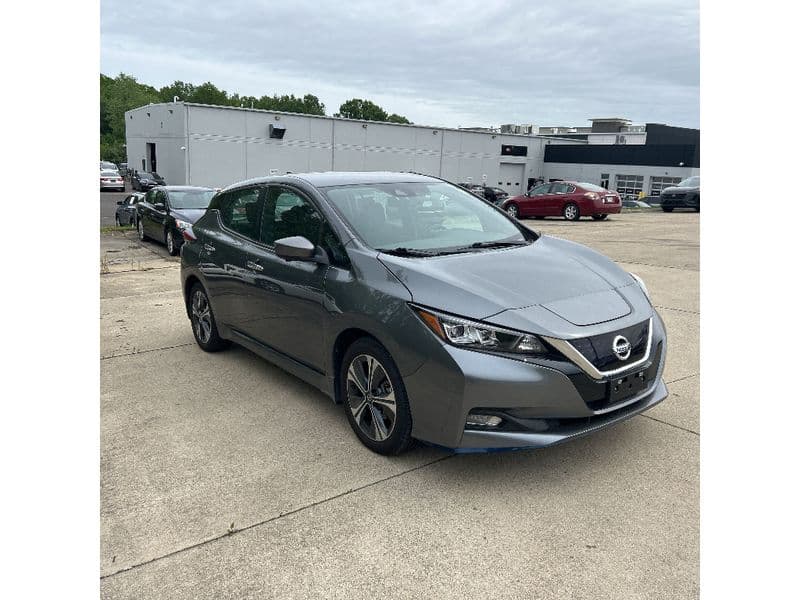
If you bought or leased a 2024 Nissan Leaf, you’ve probably heard the horror stories about Leaf depreciation. The good news is that a steep curve doesn’t mean your car is worthless. It means you have to be realistic, understand how dealers price trade-ins, and use tools like battery health reports to keep them honest. This guide breaks down 2024 Nissan Leaf trade-in value in 2025–2026 and shows you how to put more of that money in your pocket.
First things first
2024 Nissan Leaf trade-in value in 2025–2026: quick overview
2024 Nissan Leaf value snapshot (typical U.S. ranges)
Those bands line up with national appraisal guides, which show a 2024 Nissan Leaf trade-in value around the high teens for a clean, average-mileage car, and lower for higher miles or base trims. One major guide pegs a “clean” 2024 Leaf at about $17,500–$18,000 on trade with typical mileage, while auction-style wholesale forecasts for a generic 2024 Leaf run closer to the low teens or even under $10,000 for cars that dealers don’t love.
Why the ranges are so wide
What a 2024 Nissan Leaf is worth right now
To ground this in numbers, let’s separate three different views of what your 2024 Leaf might be “worth” in early 2026: dealer trade value, retail asking prices, and depreciation forecasts.
Three ways to look at your 2024 Leaf’s value
Understanding the spread between auction, trade, and retail pricing
1. Dealer trade / wholesale
Guides that focus on auctions and dealer trades show a 2024 Leaf’s wholesale-style trade-in value dropping into the low teens and even under $10,000 as it approaches 2 years old, especially for higher-mile cars.
This is the number a volume dealer stares at when they decide whether to step up on your trade.
2. Consumer appraisal guides
Consumer-facing tools (like Edmunds-style appraisals) list a 2024 Nissan Leaf trade-in value around $17,000–$18,000 for an average-mileage, clean car. That’s a realistic mid-point if your Leaf isn’t an outlier.
3. Real-market listings
Look at used-car sites and you’ll see clean 2024 Leafs listed from about $16,500 up to the mid‑$20,000s depending on trim, miles, and region. Remember: asking price ≠ trade-in price.
Approximate 2024 Nissan Leaf trade-in ranges by trim & mileage
These are directional U.S. ranges in early 2026 assuming clean history and decent battery health. Local markets and incentives can move you outside these bands.
| Trim & usage (2024 Leaf) | Odometer (approx.) | Likely trade-in ballpark | Notes |
|---|---|---|---|
| S – heavy commuter | 40,000–50,000 mi | $9,000–$12,000 | Shorter range + higher miles = auction-style money in many markets |
| S – average use | 20,000–30,000 mi | $11,000–$14,000 | Better if battery tests strong and tires/brakes are fresh |
| SV PLUS – higher miles | 35,000–45,000 mi | $12,000–$16,000 | Extra range helps, but mileage still pulls it toward wholesale |
| SV PLUS – average use | 15,000–25,000 mi | $14,000–$18,000 | Sweet spot for many franchised dealers if your battery score looks solid |
| SV PLUS – low miles, clean | Under 10,000 mi | $18,000–$21,000+ | Top of trade range; strong candidates for CPO-style retail pricing |
Use this as a starting point, then refine with real offers and a battery health report.
Reality check your number
Why 2024 Nissan Leaf trade-in values drop so quickly
The Leaf has been the poster child for aggressive EV depreciation for more than a decade. Multiple 5‑year depreciation analyses still put it near the bottom of the pack, with value losses around the mid‑60% range versus original MSRP over five years. In other words, the Leaf is cheap to buy used in part because early owners absorbed a huge chunk of its cost up front.
1. Big discounts and incentives new
In many regions, new 2024 Leafs were effectively sold at five-figure discounts once you combine manufacturer cash, dealer markdowns, and federal or state incentives. When lots of buyers get ultra-low effective prices, used values adjust down to reflect that reality.
2. Technology and range competition
The 2024 Leaf S’s 149‑mile EPA range looked modest next to newer EVs. That’s perfectly fine as a commuter, but range and fast‑charging limitations make it less flexible than rivals, which drags down long‑term demand and, by extension, trade‑in offers.
3. Battery tech reputation
Early Leafs built a reputation for losing range quickly in hot climates. Newer packs are better, but the model’s history still hangs over values. Dealers assume risk on any used Leaf’s battery, and they price that risk into your 2024 Nissan Leaf trade-in value.
4. A looming redesign
Analysts have expected a more modern Leaf replacement or redesign around the middle of the decade. When a model is widely seen as being near the end of its life cycle, buyers hesitate, and depreciation accelerates.
What this means for you
7 factors that move your Leaf trade-in number up or down
Even within the same model year, two Leafs can land wildly different trade numbers. Here are the levers that actually move your offer.
What shapes your 2024 Leaf trade-in value
1. Trim: S vs SV PLUS
The SV PLUS carries a bigger battery, more range, and more equipment. That makes it much easier to retail, so dealers will usually pay more relative to a base S with similar mileage.
2. Mileage relative to age
A 2‑year-old EV with 10,000 miles tells a very different story than one with 45,000. Crossing big milestones (30k, 45k, 60k) often triggers sharper drops in trade value.
3. Battery health and range test
For the Leaf, <strong>state of health (SoH)</strong> may matter more than miles. A pack that still delivers near‑new range can justify a strong offer. A pack that’s lost a bar or two at 2 years old will scare most buyers, and most dealers.
4. Vehicle history and cosmetic condition
Accidents, paintwork, curb‑rashed wheels, and interior wear all drag down the offer. On an already‑depreciated EV like a Leaf, a rough presentation can be the difference between a retailable car and something that gets dumped at auction.
5. Equipment and options
Things like ProPILOT Assist, upgraded infotainment, or a cold‑weather package don’t always add dollar‑for‑dollar value, but they can move your Leaf closer to the top of a dealer’s pay range, especially in regions where those features matter.
6. Local EV demand and gas prices
In markets with strong EV incentives, good public charging, and high fuel prices, used Leafs trade more briskly. In areas where gas is cheap and charging sparse, dealers have to discount harder to move inventory.
7. Market timing and supply
Heavy lease returns, rental-fleet dumps, or big new‑EV incentive pushes can suddenly flood the market with Leafs and competing small EVs. When that happens, dealers price more conservatively on trade, even for nice examples.

Trade in your 2024 Leaf or sell it outright?
Once you know roughly what your 2024 Leaf is worth, the next question is how to turn it into cash, or into equity on your next car. You don’t have to choose between a rock‑bottom trade number and the hassle of a private sale in a grocery‑store parking lot. There’s a middle ground.
Traditional dealer trade-in
- Pros: Fast, simple, tax savings in many states (you only pay sales tax on the price difference).
- Cons: Dealers often anchor their offers to conservative auction values, especially on Leafs, and then pad in risk on the battery.
If you’re chasing maximum dollar, a single dealer trade number is very unlikely to be your best outcome.
Selling through a used‑EV marketplace
- Pros: Access to a larger pool of EV‑savvy buyers who understand Leafs, plus support on pricing, paperwork, and shipping.
- Cons: Can take longer than a same‑day dealer trade, and you still need to present the car well.
At Recharged, for example, sellers can get an instant offer or use consignment-style selling to chase higher prices while specialists handle the details.
Where Recharged fits in
Ready to find your next EV?
Browse VehiclesHow to boost your 2024 Nissan Leaf trade-in value
You can’t rewrite the Leaf’s depreciation history, but you can absolutely influence whether your car lands at the bottom or top of its trade band. A few targeted moves often add hundreds, or even a couple of thousand dollars, to offers.
Five practical ways to squeeze more from your 2024 Leaf
Most of these cost less than the value they create
Detail it like a retail car
Have the car professionally cleaned inside and out. Fix obvious scuffs, remove personal items, and present both key fobs and manuals. Dealers treat clean, "ready‑to‑photo" cars very differently from neglected ones.
Clear the low‑cost maintenance
If your Leaf is due (or almost due) for basic service, cabin filter, wiper blades, 12V battery test, get it done. A thick stack of small "needs" gives dealers an excuse to shave hundreds off your 2024 Nissan Leaf trade-in value.
Document battery health
Get a third‑party battery health check so you’re not just saying "the range feels fine." A strong SoH report can justify being at the top of the market range.
Gather good photos
Even if you plan to trade, take clear, daylight photos of the exterior, interior, tires, and dashboard (including range). They’re useful for online instant‑offer tools and for comparing values across buyers.
Pull history and recall info
Print a clean vehicle history report and confirm recalls are addressed. The fewer unknowns a buyer sees, the less "risk discount" they price in.
Get multiple offers
Use at least two online appraisal tools, a local dealer, and (if possible) a used‑EV marketplace like Recharged. When one offer is clearly low, competing bids give you leverage.
Think in bands, not single dollars
Using battery health data (and the Recharged Score) to negotiate
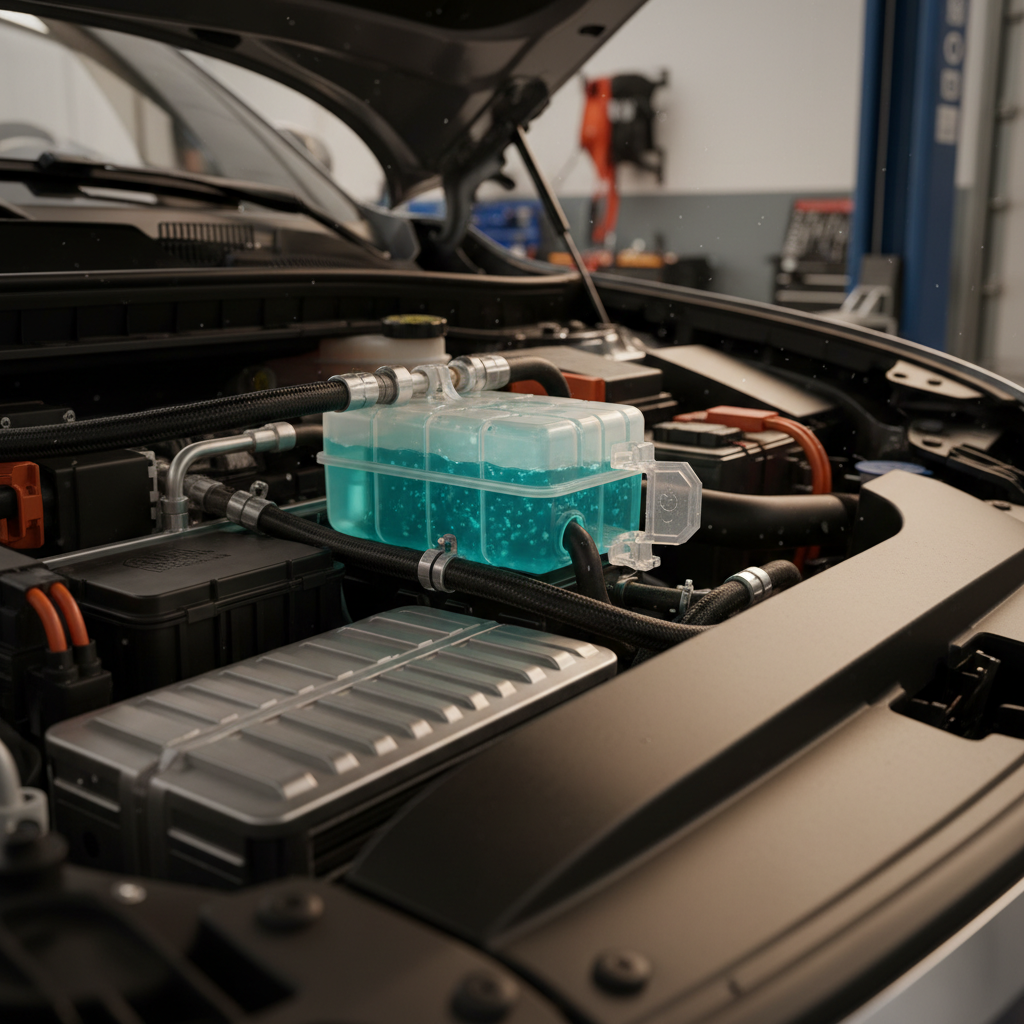
For most gas cars, mileage and cosmetic condition tell dealers most of what they need to know. For a Leaf, the hidden variable is the pack. That’s why coming to the table with real battery data can be the single most powerful way to protect your 2024 Nissan Leaf trade-in value.
Why dealers default to worst‑case
Many dealerships don’t have EV‑specific diagnostic tools or in‑house battery experts. When they appraise a 2024 Leaf, they often assume a conservative battery outcome, especially if they plan to send the car to auction. That caution shows up as a lower trade number.
How a Recharged Score changes the story
Every vehicle sold through Recharged comes with a Recharged Score Report that includes verified battery health, charging history, and fair‑market pricing benchmarks. When that same level of data accompanies your car, whether you sell through Recharged or use our diagnostics before shopping it, buyers can price your Leaf for what it is, not what they fear it might be.
In any EV transaction, whoever understands the battery best has the leverage. On a Leaf, that leverage can easily be worth four figures.
Step-by-step checklist before you trade in your 2024 Leaf
Use this quick workflow to make sure you’re not leaving easy money on the table when you trade or sell your 2024 Nissan Leaf.
Pre-trade checklist for 2024 Nissan Leaf owners
1. Benchmark your value
Run your car through at least two online appraisal tools using accurate trim, options, and mileage. Jot down the trade and private‑party ranges, they’re your baseline, not hard limits.
2. Scan actual listings
Search used‑car marketplaces for 2024 Leafs similar to yours. Note asking prices, trim, miles, and battery health claims. This shows you what dealers think they can retail your car for.
3. Get a battery health report
Have your battery tested. If you’re within reach of Recharged’s Experience Center in Richmond, VA, you can get a <strong>Recharged Score battery health diagnostic</strong> along with pricing guidance.
4. Fix cheap, obvious issues
Replace dead key fob batteries, burned‑out bulbs, and worn wiper blades. Clear warning lights where appropriate (by fixing the underlying issue, not just resetting).
5. Detail and document
Clean the car, gather service records, and print your history report and battery health summary. Make it as easy as possible for a buyer to say "yes" to paying top of range.
6. Collect multiple offers in 48 hours
Get numbers from a franchised Nissan dealer, at least one independent dealer or instant‑offer site, and, if you want maximum return, a used‑EV marketplace like Recharged.
7. Decide: trade, sell, or wait
If offers land near the top of the realistic range, acting sooner may beat waiting another year of heavy mileage. If they’re low, consider a marketplace sale or using Recharged’s consignment services to reach EV‑focused buyers.
FAQs: 2024 Nissan Leaf trade-in value
Frequently asked questions about 2024 Leaf trade-in value
Bottom line: What to expect for your 2024 Leaf
If you own a 2024 Nissan Leaf in 2025–2026, you’re sitting in the middle of one of the steepest depreciation stories in the EV world. That doesn’t mean your car has no value; it means the market is brutally honest about incentives, range, and battery uncertainty. A realistic 2024 Nissan Leaf trade-in value usually sits somewhere between low‑five figures and the mid‑teens, with standout low‑mile SV PLUS cars stretching higher when they’re presented well and backed by strong battery data.
Your job is to keep your Leaf out of the “mystery battery going to auction” bucket. Get a battery health report, clean up the car, gather documentation, and collect several serious offers. If a traditional dealer won’t recognize the value you’ve maintained, consider selling through a used‑EV specialist like Recharged, where battery health and transparent pricing are part of every transaction. That’s how you turn a tough depreciation curve into a fair exit, and set yourself up smartly for your next EV.