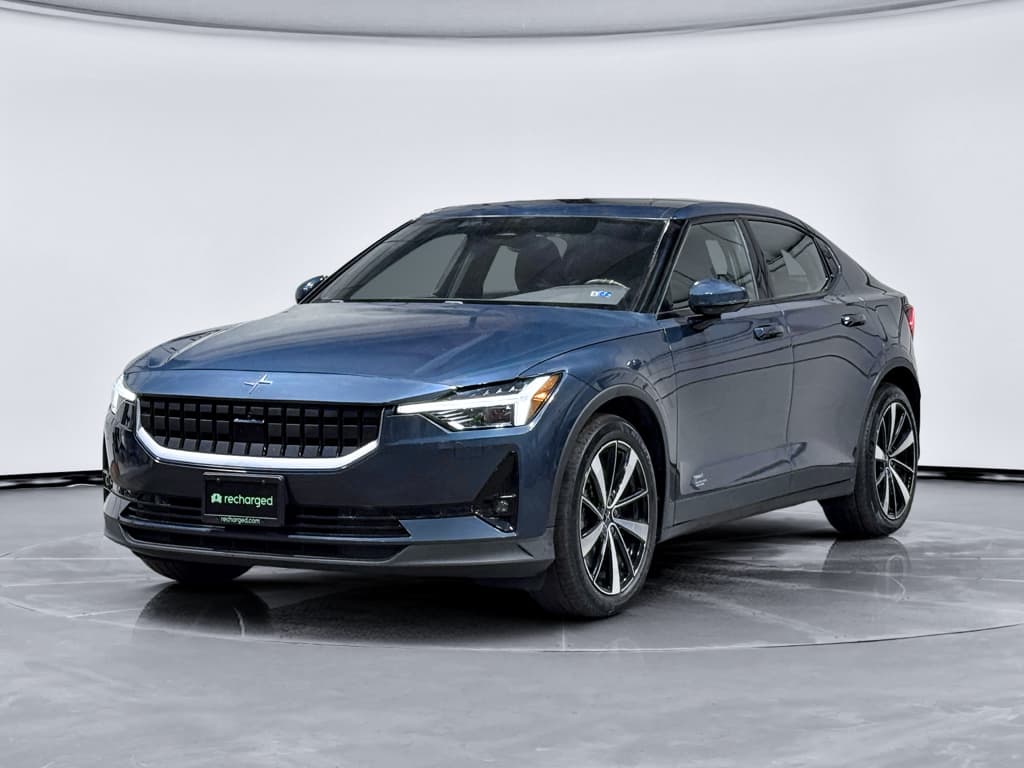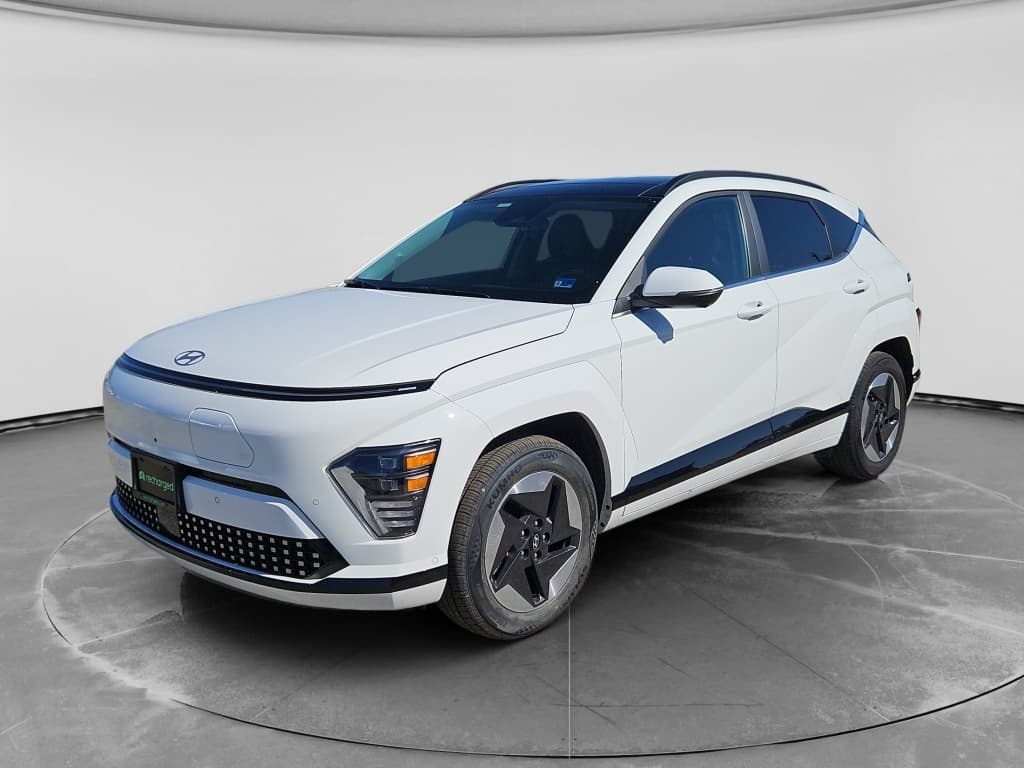
When you buy or sell a used electric vehicle, the EV title transfer process is what legally moves ownership from one person to another. Get it wrong, and you can end up with unpaid tickets, surprise taxes, or a sale that isn’t legally complete. Get it right, and your electric car purchase or sale is clean, fast, and protected.
One process, 50+ variations
Why the EV title transfer process matters
A vehicle title is the document your state uses to recognize legal ownership. Until the title is properly transferred and updated in DMV records, the seller is still on the hook for tolls, tickets, and even some liability from crashes. The buyer, meanwhile, can’t register or insure the car in their name in most states.
- For buyers: A clean, correctly transferred title proves you truly own the EV and can register, insure, and eventually sell it.
- For sellers: Proper transfer and release of liability protects you if the buyer racks up parking tickets or gets into an accident after the sale.
- For lenders: If there’s a loan, the title documents which bank has a lien so the EV can’t be sold out from under them.
Don’t drive long without title in your name
How EV title transfer differs from gas cars
The core ownership paperwork is the same whether the car burns gas or electrons. But with EVs, there are a few extra wrinkles around battery value, special fees, and emissions rules that are worth understanding before you buy or sell.
Key EV-specific title transfer considerations
Same basic paperwork, different questions to ask
Battery as most of the value
The high-voltage battery can represent 30–40% of an EV’s value. Before transferring title, confirm battery health, any replacement history, and remaining warranty. A clean title with a dying pack is a bad deal for the buyer.
EV registration & road fees
Many states now add annual EV surcharges or road-use fees at registration to replace gas tax revenue. Those fees often hit right after you transfer the title into your name.
Software, recalls & warranties
Title doesn’t control software access, but manufacturers look at the VIN and ownership record when handling warranty, recalls, or over-the-air updates. Make sure the sale, title, and service accounts all align.
Pro move for used EV buyers
Documents you need for an EV title transfer
Every state’s stack of forms looks a little different, but the core title transfer “packet” for an electric vehicle usually includes the same pieces. Both buyer and seller should gather these before money changes hands.
Core documents for an EV title transfer
Use this as a starting list, then confirm details on your state DMV site.
| Document | Who Provides It | Why It Matters |
|---|---|---|
| Original title (certificate of title) | Seller (or lender if loan) | Proves current ownership; must be signed over to buyer exactly as names appear. |
| Bill of sale | Typically seller prepares, both sign | Shows sale date, price, VIN, and parties. Needed for taxes and proof of purchase. |
| Odometer disclosure | Seller, signed by both parties | Required under federal law for most vehicles; protects against odometer fraud. |
| Valid ID & proof of address | Buyer | Used by DMV to put vehicle in the correct legal name and address. |
| Lien release or payoff letter | Seller or lender, if applicable | Shows any loan has been satisfied so the title can be issued without a lien. |
| State-specific transfer form | Buyer and/or seller | Application for new title/registration; often includes tax and fee calculation. |
| Proof of insurance | Buyer | Required by many DMVs to register and issue plates in your name. |
Bring paper originals whenever possible. Some states accept digital bills of sale but still require wet signatures on titles and odometer forms.
Never buy a used EV without a title
Step-by-step EV title transfer process
Although details vary by state, the EV title transfer process usually follows the same basic sequence. Here’s how it plays out in a typical private‑party sale in the U.S.
- Confirm the seller’s identity and match their ID to the name on the title.
- Verify the VIN on the title, the windshield tag, and the door jamb all match.
- Review the title for liens, salvage/brand history, or errors.
- Check battery health, remaining battery warranty, and recall status.
- Agree on a price and complete the bill of sale, including VIN, date, and odometer reading.
- Complete the odometer disclosure section on the title or a separate federal/state form, with original signatures.
- Seller signs the title to release ownership; buyer signs where required to accept.
- Buyer secures insurance coverage in their name, effective on or before the date of delivery.
- Buyer submits title, bill of sale, and any state forms to the DMV (online, by mail, or in person), pays taxes and fees, and applies for a new title and registration.
- DMV processes the application and mails a new title to the buyer (or lender if there’s a new loan).
Key steps for EV buyers
- Confirm the VIN, title names, and lien status before paying.
- Photograph the signed title and bill of sale for your records.
- Submit paperwork and taxes promptly to avoid penalties.
- Follow up with the DMV if your new title doesn’t arrive within the stated window.
Key steps for EV sellers
- Fill out the release of liability or notice of transfer form as soon as you hand over the keys.
- Keep copies of the signed title and bill of sale.
- Cancel your insurance once the transfer is recognized by your state.
- Remove your plates if your state requires it before the buyer drives away.

How dealers and Recharged handle this for you
Ready to find your next EV?
Browse VehiclesState rules, timelines, taxes and EV fees
This is where things diverge quickly. Some states give you 10 days to transfer title; others allow 30. Transfer fees might be under $20 in one state and close to $100 in another. Then there are sales taxes, registration fees, and EV‑specific road‑use charges to consider.
Typical state title transfer and registration ranges
Sample state rules that affect EV title transfers
These examples are for illustration only. Always confirm current details with your state DMV before you buy or sell.
| State Example | Transfer Timing | Notable EV Factors | Smog/Inspection Notes |
|---|---|---|---|
| California | 10 days to transfer after purchase | Registration fees plus standard taxes; no smog test required for full battery electric vehicles. | Most used gas cars need a smog check; BEVs are exempt, but hybrids may still be tested. |
| Texas | 30 days to transfer after purchase | Used EV buyers face an additional EV registration surcharge collected with registration. | Vehicles must pass a state inspection before registration; EVs may be exempt from emissions but still require safety checks. |
| Vermont | Title issued on any ownership change; timing varies | From 2025, an EV infrastructure fee is added for BEVs and plug‑in hybrids at registration. | Pre‑registration safety inspection often required for EVs; no emissions test for BEVs. |
| New York | 10 days after purchase to pay tax and register | Additional regional fees may apply; EV rebates and incentives are handled separately from title. | No smog test for BEVs, but safety inspections and VIN verification rules still apply. |
Even when the paperwork steps are similar, timelines, smog rules, and EV fees vary a lot by state.
Online vs. in‑person title transfer
Battery warranties, recalls and title transfer
The title itself doesn’t list battery health, warranty details, or software status, but these factors should shape how you approach a used EV transaction. Because the battery is such a big slice of the vehicle’s value, you don’t want to finalize a title transfer until you’re comfortable with its condition and coverage.
Battery warranties and new owners
Most mainstream automakers offer 8–10 years or around 100,000 miles of battery coverage from the original in‑service date. Many of these warranties are transferable to subsequent owners, but some shorten the term for second owners or exclude commercial use.
Before title transfer, call the manufacturer’s customer service line with the VIN to confirm how much battery warranty remains and whether it follows you as the new owner.
Recalls, software and service history
Open safety recalls don’t necessarily block a title transfer, but they can affect registration or inspection in certain states. Software‑locked features or previous collision repairs can also change how the EV performs.
Ask for service records, recall completion receipts, and proof of any battery or high‑voltage repairs before you sign the title and finalize payment.
How Recharged’s Score report helps
Common EV title transfer mistakes to avoid
Most horror stories you hear about title problems come down to the same handful of errors. Avoid these and your EV transaction is far more likely to go smoothly.
Top title transfer mistakes with used EVs
These can cost you time, money, or both
Paying before verifying the title
Handing over a cashier’s check without seeing an original, lien‑free title in the seller’s name is asking for trouble. Always inspect the title, VIN, and seller ID first.
Incomplete or messy paperwork
Crossed‑out VINs, missing odometer disclosures, or unsigned sections can cause the DMV to reject your application and force you to chase the seller again.
Waiting too long to visit the DMV
If you blow past your state’s 10–30‑day window, expect late fees and, in some cases, extra scrutiny. Set a calendar reminder the day you take delivery.
Ignoring battery, software and charger access
Paper title might transfer fine, but if the EV has a weak battery, unsupported aftermarket modifications, or inaccessible charging adapters, you’ll inherit expensive headaches.
Odometer disclosure is not optional
How Recharged simplifies used EV title transfer
If you’d rather spend your weekend driving your next EV instead of standing in line with a stack of forms, it can help to work with specialists who do this every day. That’s where Recharged comes in.
- End‑to‑end digital paperwork: Recharged handles the title, registration, and tax calculations as part of a fully digital purchase experience, with clear explanations of what you’re signing.
- Recharged Score report on every vehicle: You get independent, EV‑specific insights on battery health, usage history, and pricing, so the title transfer reflects a car you actually want to own.
- Financing and trade‑in options: If you’re trading out of your current car, Recharged can provide an instant offer or consignment options and coordinate titles on both sides of the deal.
- Nationwide delivery and support: Whether you’re near the Recharged Experience Center in Richmond, VA or hundreds of miles away, EV‑specialist support helps you understand your state’s specific deadlines and fees.
Why this matters for sellers too
EV title transfer checklist
Quick EV title transfer checklist
1. Verify the title before negotiating price
Confirm the seller’s name, VIN, and lien status all match the vehicle and that there are no undisclosed brands like salvage or flood.
2. Confirm battery health and warranty
Review battery health data, remaining battery warranty, and any major battery repairs. Adjust price or walk away if the numbers don’t add up.
3. Complete bill of sale and odometer disclosure
Include the full VIN, sale date, price, and current odometer reading. Make sure both buyer and seller sign, with legible names.
4. Sign and photograph the title
Fill out the buyer and seller sections in ink, without cross‑outs if possible. Take clear photos of the completed title for your records.
5. Submit paperwork and pay taxes/fees promptly
Within your state’s allowed window, file the title, bill of sale, and state forms, and pay any transfer, registration, and EV‑specific fees.
6. Confirm new title and update accounts
Watch for the new title in the mail. Update manufacturer apps, charging accounts, and insurance to reflect the new owner and address.
EV title transfer process FAQs
Frequently asked questions about the EV title transfer process
Transferring the title on a used EV is more than just a signature on the back of a document, it’s the moment legal ownership, responsibilities, and rights truly change hands. By understanding the EV title transfer process, checking battery health and warranty coverage up front, and respecting your state’s timelines, you can avoid red tape and focus on enjoying your next electric drive. And if you’d rather have experts handle the details, Recharged is built to make every step, from battery diagnostics to paperwork and delivery, as simple and transparent as possible.