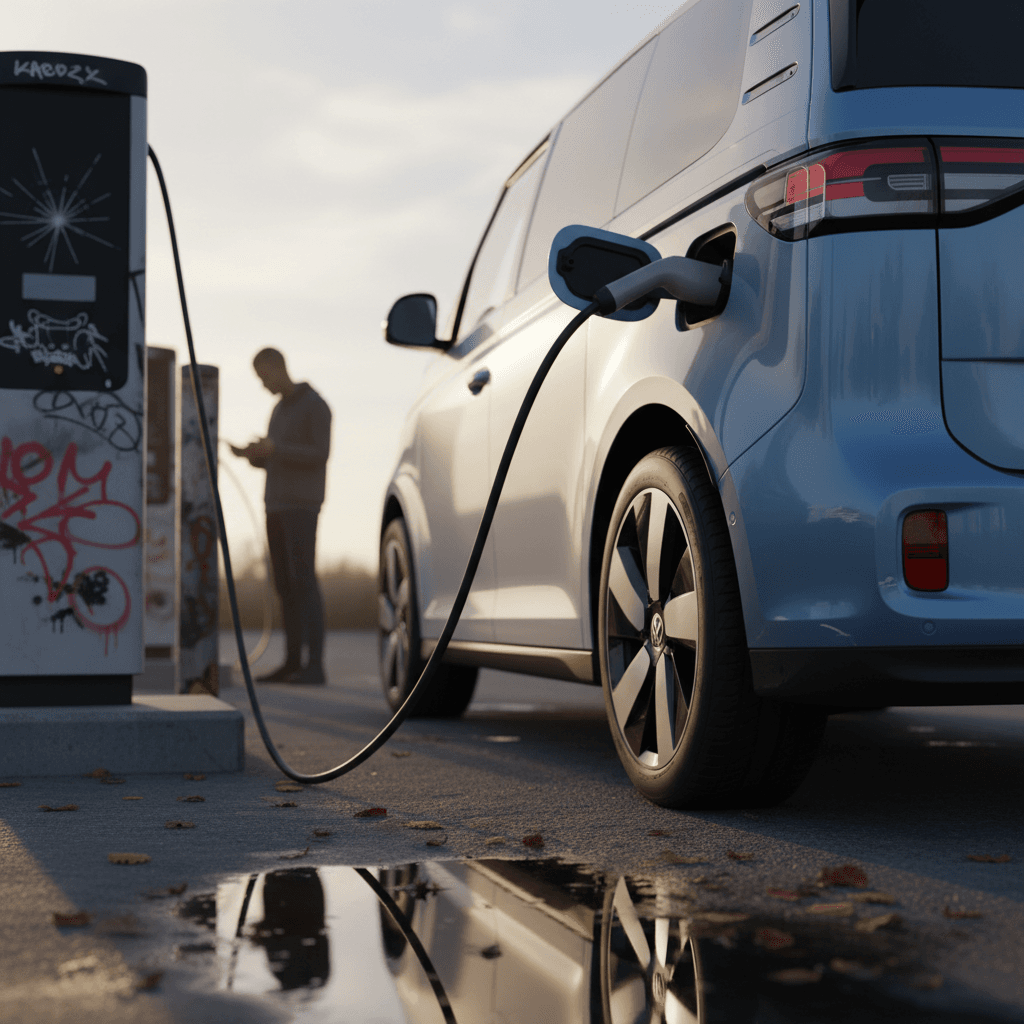
The 2025 Volkswagen ID. Buzz might be one of the most attention‑grabbing EVs on the road, but beneath the retro styling there are some very modern concerns. If you’re searching for 2025 VW ID Buzz problems, you’re probably trying to figure out whether the charm outweighs its recalls, range limits, software quirks, and early resale hits, especially if you’re considering one on the used market.
Quick Take
Overview: Should You Worry About 2025 ID. Buzz Problems?
Main strengths
- Distinctive three‑row electric family van with lots of character.
- Smooth, strong acceleration, AWD models test around 5.8 seconds 0–60 mph.
- Spacious cabin and clever packaging compared with many three‑row SUVs.
- DC fast‑charging capability and modern safety/driver‑assist tech.
Main concerns so far
- Multiple early recalls and stop‑sale orders that disrupted the launch.
- Shorter real‑world highway range than buyers expect from a road‑trip‑oriented van.
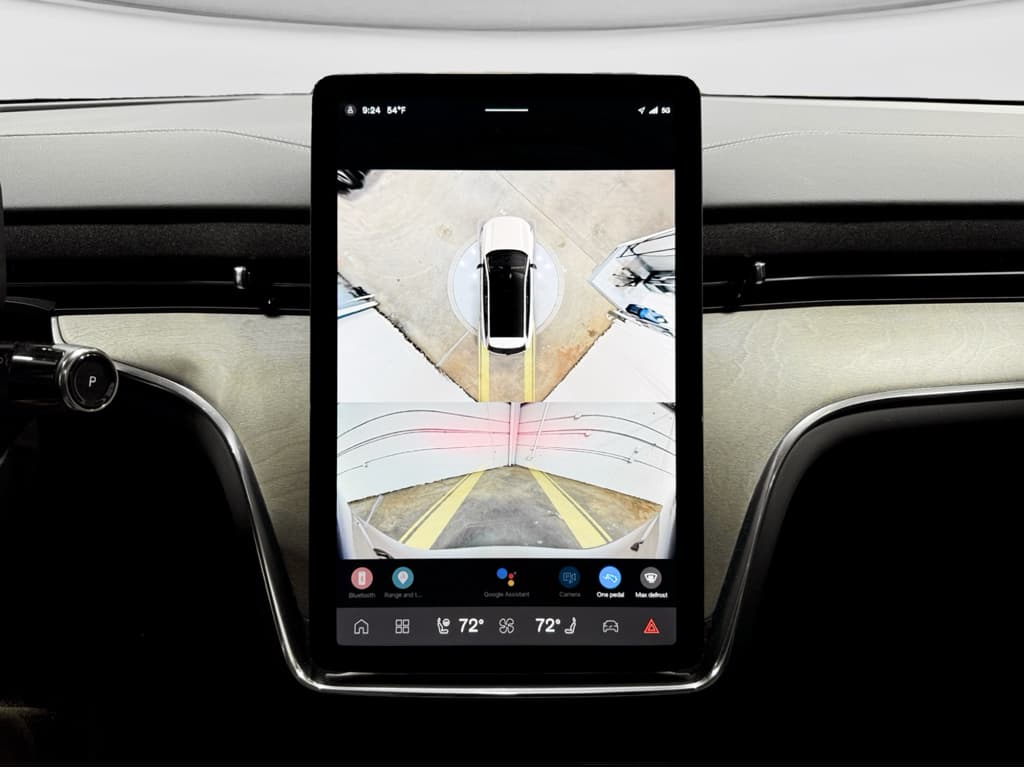
- Familiar VW software frustrations: laggy infotainment, touch‑sensitive controls, and confusing menus.
- High purchase price, no U.S. tax credit, and noticeable early depreciation.
Model‑year pause is a signal
Confirmed 2025 ID. Buzz Recalls and Safety Issues
Let’s start with what’s documented, not rumor. Early U.S.‑market ID. Buzz vans were hit with a pair of recalls serious enough to trigger stop‑sale orders, plus an odd but important third‑row seating issue.
Key 2025 VW ID. Buzz Recalls (U.S.)
Major recalls affecting early 2025 ID. Buzz models and what was done to fix them.
| Issue | What’s wrong | Why it matters | Typical fix |
|---|---|---|---|
| Incorrect brake warning symbol/color | The brake system warning light used the wrong symbol and color, and the ABS icon didn’t meet size rules. | In a real brake fault, the driver might not immediately recognize the warning, increasing crash risk. | Dealer software update for the cluster/instrument panel. |
| Third‑row bench too wide for seatbelts | The third‑row bench was wide enough for three but only had two seatbelts, violating U.S. seating regulations. | In a crash, an unbelted occupant squeezed into the middle could be seriously injured. | Dealer installs fixed trim pieces to narrow usable seat width. |
| Launch stop‑sale tied to these recalls | U.S. dealers had to pause sales of new and used ID. Buzz inventory while fixes were validated and parts/software were distributed. | If a used van slipped through without completed campaigns, you’re on the hook to schedule repairs before regular use. | Dealer verification and recall completion, documented on the service history. |
Always run a VIN check with NHTSA or your dealer to confirm recall completion before buying used.
The good news on recalls
- Ask the seller for a fresh printout of completed campaigns from a VW dealer.
- Cross‑check the VIN on NHTSA’s recall lookup tool.
- Confirm documentation in the service records before signing any paperwork.
Software and UX Complaints in the 2025 ID. Buzz
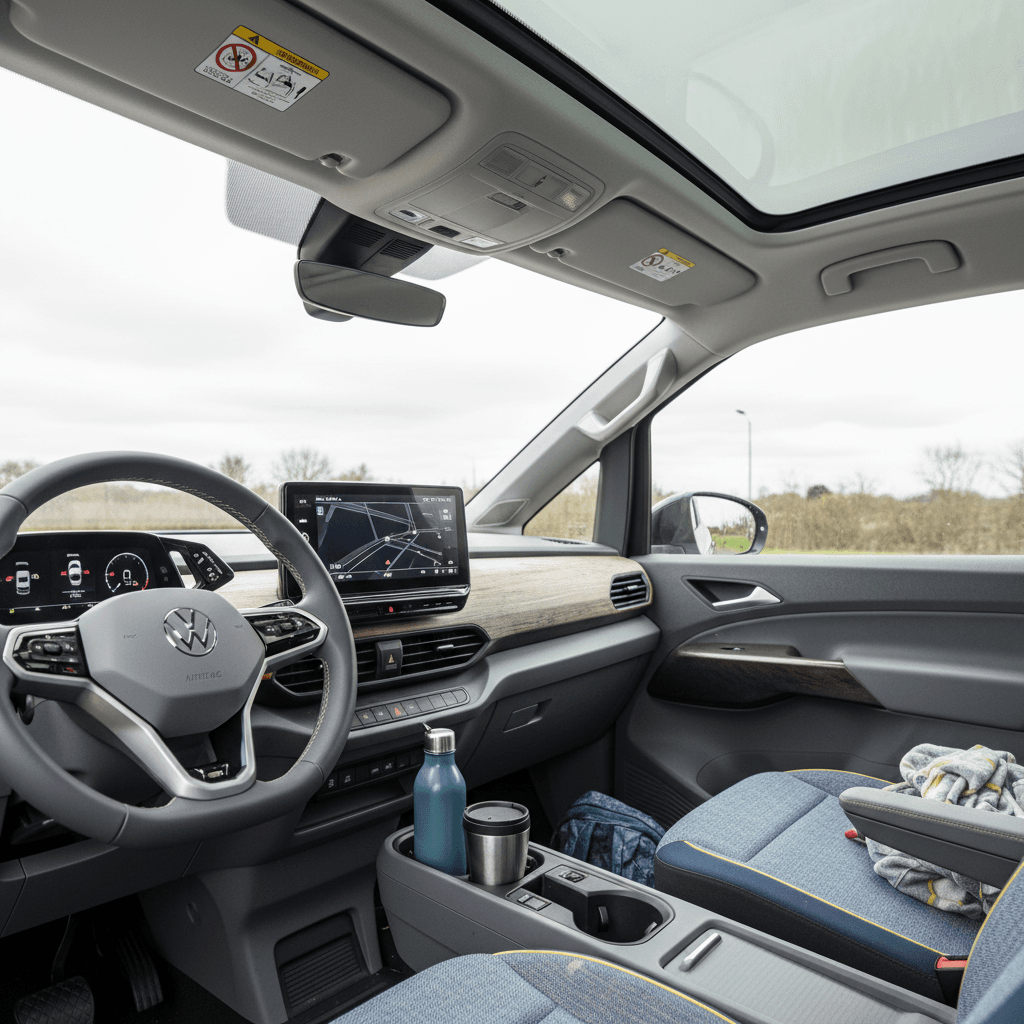
If you’ve followed Volkswagen’s ID‑family EVs, you already know the pattern: the hardware tends to be solid, while the software and user experience draw the most complaints. The 2025 ID. Buzz largely continues that story.
Common Software & Usability Pain Points
Not deal‑breakers for everyone, but they matter if you hate fussy tech.
Laggy, fussy infotainment
Touch‑sensitive controls
Glitchy behavior
Software improves, but slowly
From a driving‑interface standpoint, the ID. Buzz also skips features some EV drivers now consider table stakes. There’s no true one‑pedal driving mode, and several testers note a slightly abrupt throttle tip‑in when pulling away from a stop, unusual in a segment where most EVs are buttery‑smooth at low speeds.
Range, Charging, and Road-Trip Limitations
On paper, the 2025 ID. Buzz’s EPA range, roughly 231–234 miles depending on configuration, doesn’t look terrible. In practice, it’s one of the most important 2025 VW ID Buzz problems because of what this vehicle is supposed to be: a family road‑trip van.
Range Reality Check for the 2025 ID. Buzz
Range issues become more obvious once you load up the van with people, luggage, bikes, or a cargo box. Add winter temperatures and highway speeds, and your comfortable road‑trip window can shrink into the 150–190‑mile band between fast‑charge stops.
Why range hurts more in a van
- If you road‑trip regularly, plan on more frequent, and longer, fast‑charge stops than in a similarly priced SUV.
- If most of your driving is urban or suburban, the range is generally fine; overnight Level 2 charging at home easily keeps up.
- The lack of one‑pedal driving means you’ll rely more on traditional friction brakes in stop‑and‑go traffic.
Comfort, Practicality, and Everyday Usage Issues
The ID. Buzz nails the vibe of a modern Microbus, but some day‑to‑day usability complaints are already emerging from early U.S. owners and reviewers.
Real‑World Comfort & Practicality Complaints
Most aren’t fatal flaws, but they may affect whether this fits your family.