If you’ve priced a new set of tires for your electric vehicle and thought, “Why is my EV tire cost higher, why are these so expensive?”, you’re not alone. EV owners are discovering that tires can be one of the few maintenance items that cost **more** than on a comparable gas car. The good news: once you understand what’s going on, you can plan for the cost, and dramatically extend tire life.
Quick take
Why EV tire costs feel higher than gas-car tires
When drivers say **EV tire cost higher, why is this happening?**, they’re usually reacting to two things at once: 1. The sticker price of EV-specific tires, and 2. How often they’re being told those tires need to be replaced. Most modern EVs use **EV-rated, low-rolling-resistance, high-load tires**. Those check a lot of boxes, quiet ride, range-friendly efficiency, and strength for a heavy battery pack, but they’re also more specialized than the all-season tires on a typical gas sedan. Fewer options plus more engineering usually equals a higher price tag.
EV tires by the numbers
How EVs wear tires differently from gas cars
Underneath the quiet, smooth ride, an EV works its tires much harder than most gas cars. Three design traits matter most: **weight, torque, and braking**.
- Extra weight from the battery: EV battery packs can add 400–1,200 pounds over a similar gas model. That extra mass presses the tire into the pavement harder during every stop, start, and corner.
- Instant torque: An electric motor delivers maximum torque the moment you touch the accelerator. That snap of power is fun, but it also scrubs rubber off the tread faster, especially from a stop or on wet or cold pavement.
- Regenerative braking: Instead of using only brake pads, EVs use the motor to slow the car and recapture energy. You feel it as strong deceleration when you lift off the pedal. That extra decel force passes through the tire contact patch, particularly at the driven axle, increasing wear there.
None of this is a problem if the tires are designed for it, **that’s why EV-specific tires exist**. But it does mean that you can’t treat tire shopping for an EV exactly like you did for your old gas car.
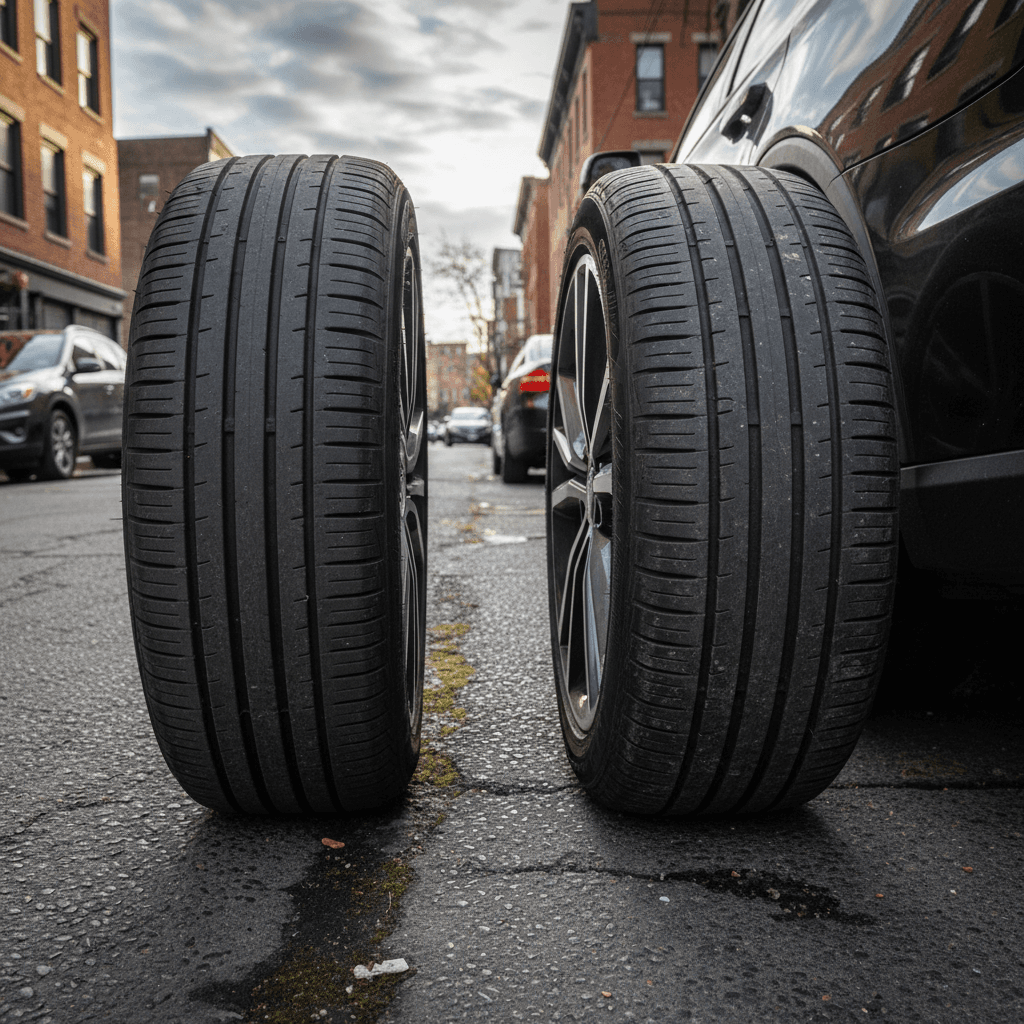
How much do EV tires actually cost?
Let’s put some realistic numbers to the EV tire conversation. Prices vary by brand, size, and performance level, but for most mainstream electric cars and crossovers in the U.S.:
Typical EV tire costs (per tire, U.S.)
Approximate price ranges for new EV tires, before tax and installation. Performance EVs and large SUVs can run higher.
| Tire Type | Typical Price per Tire | Examples |
|---|---|---|
| Mainstream EV-specific all-season | $150–$250 | Hyundai IONIQ 5, Chevy Bolt EUV, Nissan Ariya |
| Performance EV tire | $220–$350+ | Tesla Model 3/Y Performance, Kia EV6 GT, Mustang Mach-E GT |
| Large EV SUV/light truck tire | $230–$350+ | Rivian R1T/R1S, Tesla Model X, electric pickups |
| Non-EV all-season (not recommended) | $110–$180 | Standard passenger tires that may not meet EV load/speed requirements |
Your exact cost depends on tire size, brand, speed rating, and whether you choose an EV-specific model.
On top of that, you’ll usually see **$20–$40 per tire** for mounting, balancing, and disposal at a tire shop, and sometimes more at a dealership. That means a full set of quality, EV-rated tires installed can easily run **$800–$1,400**.
Where you buy matters
Do EVs really burn through tires faster?
Short answer: **often, yes, but it’s not guaranteed.** Fleet studies and independent testing have found that EVs can wear tires **20–50% faster** than comparable gas cars when driven the same way. That’s largely down to weight and torque, not some mysterious EV flaw.
Here’s the nuance most people miss: - A heavy, powerful gas SUV on soft performance tires will also eat tires quickly. - A modest, front‑drive EV on durable, touring-style tires, driven gently and rotated on time, can see **40,000 miles or more** from a set. Driving style, tire choice, alignment, and rotation schedule all play huge roles. If someone’s constantly using launch-control-style acceleration in a 4,800‑pound performance EV, they’ll be on a first‑name basis with their tire shop.
5 reasons EV tire costs are higher
What makes EV tires pricier?
It’s more than just the word “electric” on the sidewall.
1. Extra vehicle weight
2. Instant torque stress
3. Noise & comfort tuning
4. Low rolling resistance
5. Smaller, newer market
Bonus: Safety margins
7 ways to make your EV tires last longer
You can’t change physics, but you can work with it. A few habit changes and maintenance tweaks can add thousands of miles to a set of EV tires and soften the blow when replacement time comes.
Practical steps to cut EV tire costs
1. Rotate more often
Because EVs can wear one axle faster (often the driven wheels), aim to rotate **every 5,000–7,500 miles**, not just “whenever you remember.” Many shops include free rotations if you bought tires there.
2. Watch tire pressures monthly
EVs are sensitive to under‑inflation. Low pressure increases heat, rolling resistance, and wear. Check pressures at least once a month and before road trips, using the **door‑jamb placard**, not the sidewall, as your guide.
3. Get alignment checked annually
Extra weight and instant torque can knock alignment slightly out of spec, which scrubs off tread in a hurry. A **yearly alignment check**, or after pothole hits or curb strikes, often pays for itself in tire life.
4. Tame the launch-control runs
Enjoy the instant torque, but save the full-send launches as an occasional treat. Smooth acceleration is easier on tires, improves range, and still gets you up to speed faster than most gas cars.
5. Adjust regen if you can
If your EV lets you choose regenerative braking levels, switching from max to a **moderate setting for daily driving** can reduce stress on the driven tires, especially in stop‑and‑go traffic.
6. Choose the right tire category
If you’re not tracking your EV, you may not need max‑grip performance tires. **Touring or grand-touring EV tires** typically trade a bit of ultimate grip for much better tread life and lower noise.
7. Don’t cheap out on load rating
Always meet or exceed your EV’s required **load index and speed rating**. Underrated tires can overheat, wear very quickly, and compromise safety. A bargain set that dies early isn’t really a bargain.
Don’t ignore uneven wear
EV tires in the bigger picture of ownership costs
It’s easy to fixate on one line item, “my EV tire cost is higher, why did nobody tell me?”, without looking at the whole budget. Over several years, **EVs typically save money on maintenance overall** even if they spend more on tires:
- No oil changes, spark plugs, or exhaust repairs.
- Fewer moving parts in the powertrain, so fewer things to break.
- Regenerative braking takes load off the friction brakes, so pads and rotors often last much longer.
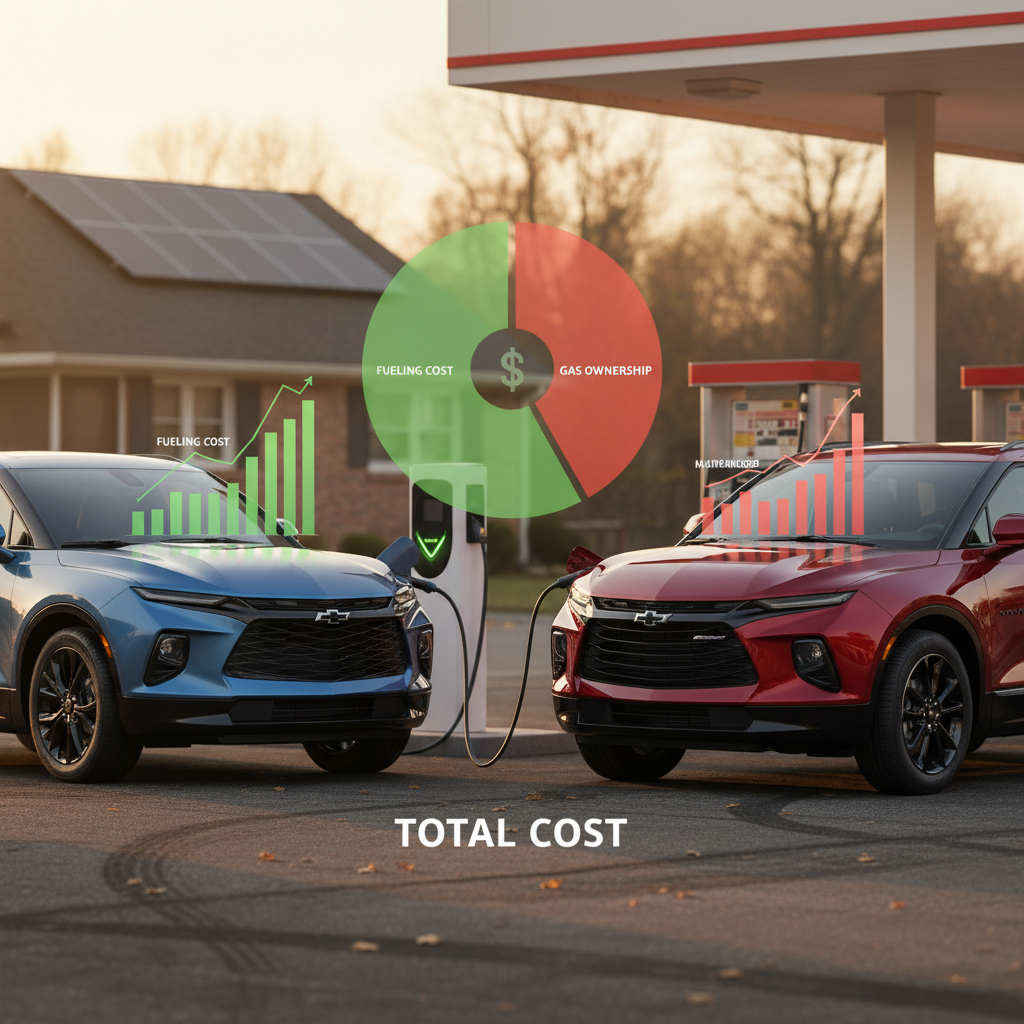
Many ownership-cost analyses show that while EVs can have higher **upfront prices and insurance**, their **maintenance and “fuel” (electricity) costs are significantly lower** than gas counterparts over a typical ownership period. Tires are one of the few maintenance categories where EVs may cost more, but they don’t erase the overall savings if you manage them well.
Where used EVs shine
How to shop smart for EV tires
When it’s time for replacement rubber, a little homework makes the difference between a set of tires you love and a set you regret halfway through their life.
1. Start with your owner’s manual
Look up the **recommended tire size, load index, and speed rating**. These are non‑negotiables for safety and performance. Your EV may also list specific OEM tire models it was tuned around.
Use those specs as the baseline. From there, you can compare different brands and treadwear ratings to balance grip, noise, and longevity.
2. Compare treadwear ratings and warranties
The **treadwear number** on the sidewall (and on retailer sites) is a rough indicator of expected life: higher numbers generally mean longer life. Some EV‑rated touring tires carry mileage warranties in the **40,000–60,000‑mile** range.
Warranty isn’t a guarantee, but it’s a useful reality check, the brands willing to back their tires for more miles are betting they’ll last.
Where to buy EV tires (and what to watch for)
You have more options than just the dealer service drive.
Tire & wheel shops
Warehouse clubs
Dealers & EV specialists
How Recharged fits in
Ready to find your next EV?
Browse VehiclesEV tire myths you can ignore
- “EVs always destroy tires in 10,000 miles.” Some high‑power EVs driven hard can absolutely wipe out soft performance tires quickly. But with the right tire choice and sane driving, many owners see **30,000–40,000+ miles** on a set.
- “You can just run cheap regular tires to save money.” Tires that don’t meet your EV’s load and speed ratings can overheat, wear out faster, hurt range, and compromise braking distances, especially in the wet. Not worth the risk.
- “EV tires make EV ownership more expensive than gas.” Even if you spend a few hundred dollars more on tires during a given ownership window, EVs usually win back more than that in **savings on fuel and other maintenance**.
- “All EV tires are the same.” There’s a huge spread between quiet, long‑life touring options and sticky, track‑day‑friendly performance tires. Matching the tire to how you actually drive is key to both cost and safety.
EV tire cost FAQ
Frequently asked questions about EV tire costs
Bottom line: EV tires and your wallet
Yes, **EV tire costs can be higher**, and yes, some electric vehicles will wear through tires faster than a comparable gas car. But this isn’t some hidden trap so much as the natural result of heavier, more powerful vehicles rolling on highly specialized rubber. If you understand why EVs are tough on tires, you can budget realistically and choose tires that fit how you drive.
With smart rotation schedules, careful pressure checks, and an honest look at whether you really need track‑day grip for school runs, your EV’s tires can live a long, productive life. And when you’re shopping for a **used EV**, choosing a transparent seller like Recharged, where every vehicle comes with a battery-health and wear‑item snapshot in the Recharged Score Report, means you’ll know exactly how close you are to that next tire bill before you ever take delivery.