If you’re trying to make sense of the EV tax credit in New York in 2026, you’ve probably run into a wall of conflicting, outdated advice. Federal rules changed, Congress pulled the plug on key incentives in late 2025, but New York State is still pushing hard on electric vehicles. This guide cuts through the noise so you know exactly what’s available now, and how to use it to your advantage, especially if you’re considering a used EV.
Key 2026 reality check
Overview: EV tax credit in New York in 2026
New York EV incentives snapshot for 2026
- Federal new EV credit: The $7,500 federal tax credit for new EVs expired for vehicles purchased after September 30, 2025. You can still claim it on your 2025 tax return if you bought an eligible vehicle by that date.
- Federal used EV credit: The Used Clean Vehicle Credit of up to $4,000 largely applies to vehicles placed in service on or before September 30, 2025 and claimed on 2025 returns. If you’re buying in calendar year 2026, don’t assume a federal EV credit is still on the table, verify before you sign.
- New York State incentives: New York’s Drive Clean Rebate continues in 2026, offering up to $2,000 off eligible new plug‑in EVs at the dealership, plus smaller perks such as toll discounts and local programs.

What’s changed: Federal EV tax credit ended in 2025
For several years, the federal government offered up to $7,500 off new EVs and $4,000 off used EVs through the Clean Vehicle Credit and Used Clean Vehicle Credit. Tougher battery-sourcing rules kicked in gradually, shrinking the list of eligible models. Then Congress went a step further and let the main EV tax credit expire for purchases after September 30, 2025. That’s the inflection point New York shoppers need to understand in 2026.
- New Clean Vehicle Credit (new EVs): up to $7,500, but only for qualifying vehicles placed in service by September 30, 2025 and claimed on your 2025 federal return.
- Used Clean Vehicle Credit (used EVs): up to $4,000 (30% of sale price) for qualifying used EVs from a licensed dealer, again tied to purchases before the 2025 sunset.
- Point‑of‑sale transfer: Starting January 1, 2024, many shoppers could take the federal credit as an instant discount at the dealer. That option disappeared when the credit itself expired.
Don’t rely on stale dealer ads
New York’s Drive Clean Rebate in 2026
While Washington pulled back support, Albany didn’t walk away. New York’s flagship incentive is the Drive Clean Rebate, administered by NYSERDA. It’s not a tax credit you wait to claim next April, it’s a point‑of‑sale rebate that reduces the price of a qualifying new EV right on the purchase order or lease contract.
Drive Clean Rebate: How it works in 2026
What New York buyers and lessees should know before they sign
Who qualifies?
You must:
- Be a New York State resident, business, or government entity
- Buy or lease from a participating NY dealer
- Choose a plug‑in hybrid or battery-electric vehicle that meets NYSERDA rules
How much is it?
Most New Yorkers can expect up to $2,000 off a qualifying new EV. Exact amounts depend on the vehicle’s electric range and MSRP cap. NYSERDA periodically adjusts tiers as new models arrive.
When do you get it?
The rebate is applied as a line item on your bill of sale or lease. The dealer then submits paperwork to NYSERDA. You don’t wait for tax time, and you don’t file a separate state tax form for this rebate.
Simple way to confirm eligibility
Funding for Drive Clean has ebbed and flowed, there were periods when money temporarily ran out and rebates paused until the state replenished the pool again. In April 2025, New York announced an additional $30 million for EV rebates, signaling an intent to keep the program running into 2026. That’s good news, but you should still verify current funding before you plan around it.
Quick checklist: Using New York’s Drive Clean Rebate in 2026
1. Confirm the dealer participates
Not every dealership signs up for Drive Clean. Before you test-drive, call or check the NYSERDA website to ensure your dealer is enrolled.
2. Verify your specific VIN is eligible
Trim and battery details matter. Ask the dealer to show you the VIN-level eligibility and expected rebate amount before you negotiate price.
3. Make sure the rebate appears on the buyer’s order
The rebate should show as a separate credit on your purchase or lease agreement, reducing the amount you pay or finance.
4. Avoid double-counting incentives
If the dealer is already advertising a big “EV discount,” ask whether it includes the state rebate. Make sure you’re not giving back your incentive in the form of a higher selling price.
5. Keep all paperwork
Save the buyer’s order, rebate disclosure, and any NYSERDA forms. You may want them later if questions come up or if you sell the car.
Used Clean Vehicle Credit: What still applies for New Yorkers
The federal Used Clean Vehicle Credit was designed to help more buyers step into affordable used EVs. Heading into 2026, the picture is complicated: the main federal EV credits have sunset for new purchases, but used-vehicle rules tie back to when the car was placed in service and how Congress structured the phase‑out.
Core used EV credit rules (when active)
- Credit of 30% of the sale price, up to $4,000.
- Vehicle must be at least two model years old, sold by a licensed dealer, and priced at $25,000 or less.
- Buyer must meet income caps and cannot have claimed the used EV credit in the prior three years.
What that means in 2026
- Many deals written before September 30, 2025 will still show up as credits on 2025 tax returns filed in 2026.
- If you’re buying a used EV in calendar year 2026, you should assume no federal EV credit unless and until Congress revives one.
- Plan your budget so the car makes sense without a federal incentive, treat any future change as upside, not a necessity.
Don’t hinge a 2026 used EV purchase on a federal credit
How New Yorkers can still stack EV savings in 2026
The end of the federal new-EV credit doesn’t mean the math automatically turns against electric cars. In 2026, New Yorkers can still combine state rebates, dealer discounts, and smart financing to bring total costs down, especially on used EVs that have already taken their biggest depreciation hit.
Where 2026 EV savings come from in New York
Think in terms of total savings, not just one big federal credit.
| Type of savings | New EV | Used EV (from dealer) | Used EV (private party) |
|---|---|---|---|
| New York Drive Clean Rebate | Yes, up to ~$2,000 if eligible | No | No |
| Federal EV tax credit | Expired for purchases after 9/30/2025 | Effectively expired for 2026 purchases | Not available |
| Dealer/manufacturer discounts | Often available on in‑stock units | Common, especially on older inventory | Negotiated case‑by‑case |
| Financing incentives | Occasional low‑APR or bonus cash | Occasional financing specials | You arrange your own |
| Lower maintenance & fuel costs | Yes | Yes | Yes |
| Recharged Score battery insight | Available on Recharged used EVs | Available | Available |
Example levers you can pull on a 2026 EV purchase or lease in New York.
How Recharged helps you make the numbers work
Especially powerful when federal credits have disappeared
Battery health clarity
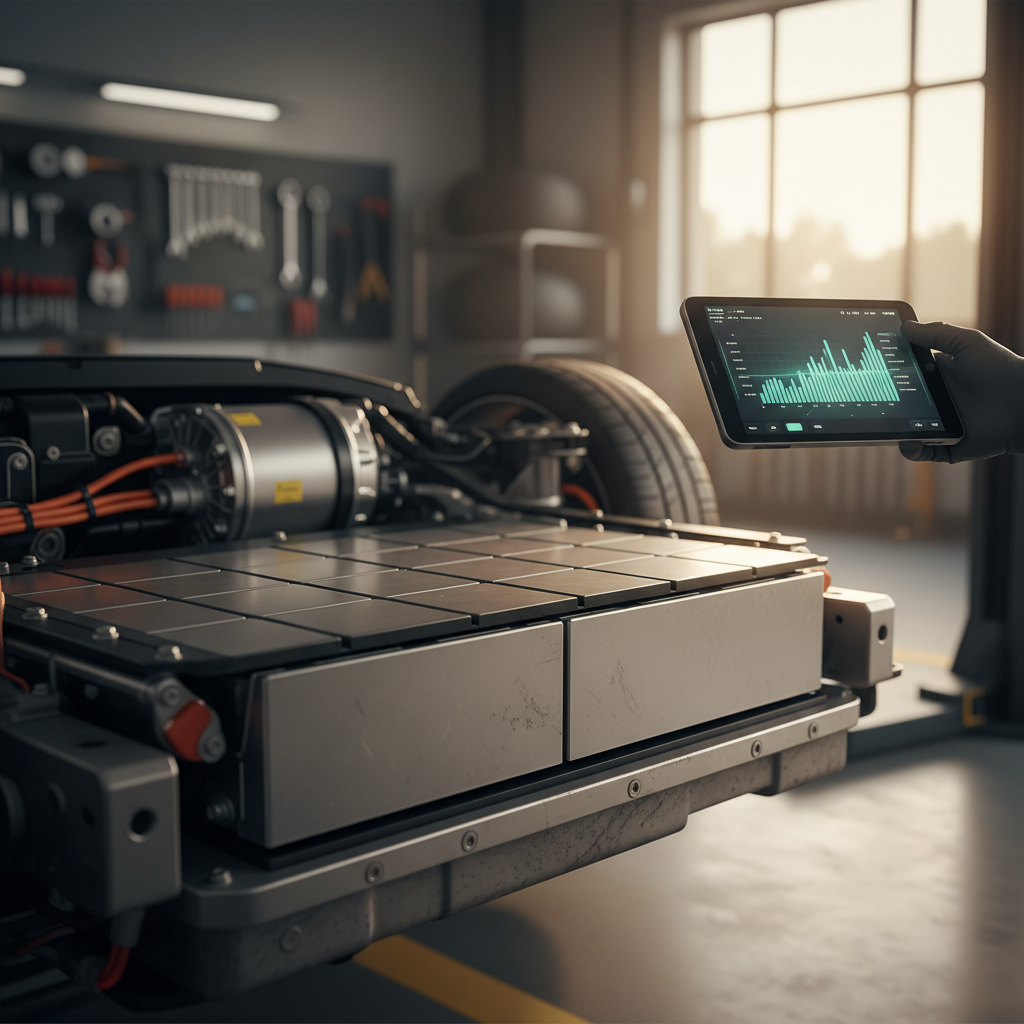
Every vehicle sold through Recharged includes a Recharged Score Report with verified battery diagnostics. You see real, tested range, not guesses, so you’re not overpaying for a tired pack.
Transparent pricing & financing
Recharged shows fair market pricing up front, plus financing options that fit your budget. With federal credits gone, getting the right price and payment matters more than ever.
Trade‑in & delivery made simple
Trade in your current car, sell it outright, or consign it, Recharged supports all three. Then have your next EV delivered nationwide or visit the Experience Center in Richmond, VA.
Ready to find your next EV?
Browse VehiclesBeyond tax credits: Insurance, tolls and charging perks
When shoppers fixate on a single big tax credit, they often overlook smaller but recurring savings that add up over the years. In New York, EV ownership still comes with several non‑tax perks in 2026.
- Toll discounts: New York’s Thruway Green Pass and Port Authority programs have historically offered around a 10% discount on certain tolls for qualifying EVs, subject to ongoing program rules.
- HOV and congestion benefits: Depending on how policy evolves, EV drivers may gain or retain preferential access in certain lanes or reduced congestion charges, especially around New York City.
- Lower fueling costs: Even without credits, swapping gasoline for off‑peak electricity can cut your “fuel” bill dramatically, particularly if you charge at home or at low‑cost public stations.
- Maintenance savings: EVs have fewer moving parts, no oil changes, and generally lower routine maintenance costs than comparable gas vehicles.
Think like an owner, not just a buyer
Why used EVs shine in 2026
With the federal new‑EV credit gone and new‑car prices still elevated, the used EV market in New York looks more attractive than it has in years. Battery tech has matured, more off‑lease vehicles are hitting the market, and early‑adopter pricing has faded.
Advantages of a used EV in New York’s 2026 landscape
Why many shoppers are skipping brand‑new and going gently‑used
Lower upfront price
The steepest depreciation on most EVs happens in the first three to four years. Buying used lets you capture that discount instead of the first owner.
Proven real‑world range
A used EV’s actual range is no longer theoretical. With tools like the Recharged Score, you can see how the battery has aged and whether it still meets your daily needs.
No waiting for policy
You’re not gambling on Congress reviving credits. You evaluate the car, its price, and your budget on today’s facts, not tomorrow’s rumors.
In a post‑credit world, value comes from the deal you negotiate and the car you choose, not from hoping the IRS will bail you out later.
Step-by-step: How to capture every dollar of EV savings
Your 8‑step 2026 New York EV savings playbook
1. Decide new vs. used with a clear budget
Start with what you can comfortably afford monthly and total, without assuming any federal tax credit. If a deal only works because of hypothetical incentives, it’s too tight.
2. Check current NYSERDA programs
Visit NYSERDA’s website to confirm that the Drive Clean Rebate is funded and see which models and trim levels qualify right now.
3. Pre‑qualify for financing
Use a lender, or a platform like Recharged, to <strong>pre‑qualify with no impact to your credit</strong>. Knowing your rate and max payment gives you leverage at the dealership.
4. Compare total cost of ownership
Look at payment, insurance, electricity vs. fuel, parking, and maintenance over at least five years. A slightly higher price car with much lower running costs can be the better buy.
5. Get battery health data for used EVs
On a used EV, insist on a <strong>battery health report</strong>. Recharged’s Score Report, for example, shows verified state‑of‑health and projected usable range.
6. Confirm every incentive in writing
Whether it’s the Drive Clean Rebate, dealer cash, or a loyalty bonus, make sure each appears as a line item on your buyer’s order, not just a verbal promise.
7. Plan for home charging
Factor in the cost of installing a Level 2 charger or using existing outlets. Don’t forget there may still be federal or local incentives for charging equipment, even if vehicle credits have ended.
8. Keep documentation organized
Save contracts, rebate disclosures, charger installation invoices, and any IRS or NYSERDA forms. Future buyers, and your tax preparer, will thank you.
Common EV incentive pitfalls to avoid in 2026
- Assuming the old $7,500 credit still exists: In 2026 New York, the federal new‑EV credit is history. Any dealer relying on it to close a deal deserves extra scrutiny.
- Confusing rebates with discounts: If a dealer “includes” the state rebate in their advertised discount, you may not actually be getting the full benefit, you’re just seeing your own incentive repackaged.
- Ignoring MSRP and price caps: New York’s Drive Clean Rebate and past federal credits often hinged on price ceilings. If you stretch for a pricier trim, you can accidentally disqualify yourself.
- Buying a used EV blind: Skipping a proper battery health check can turn a great price into a poor long‑term value if real‑world range has fallen more than you expected.
Watch the fine print on leases
FAQ: EV tax credit New York 2026
Frequently asked questions about New York EV incentives in 2026
Bottom line for New York EV shoppers in 2026
In 2026, the landscape for the EV tax credit in New York looks very different than it did just a couple of years ago. The blockbuster federal new‑EV credit has ended, and the used EV credit is effectively off the table for fresh 2026 purchases. That means the real‑world savings now come from New York’s Drive Clean Rebate, dealer discounts, smarter financing, and lower ownership costs, not from waiting for the IRS to write you a big check.
If you’re leaning toward a used EV, this may actually be your moment. Prices have softened, battery tech is better understood, and tools like the Recharged Score Report give you the kind of transparency that early buyers never had. Work with an EV‑focused retailer like Recharged, verify any remaining incentives before you commit, and structure your deal so it still makes sense even if policy never changes. That’s how you turn a confusing 2026 incentive environment into a confident, financially sound EV purchase.