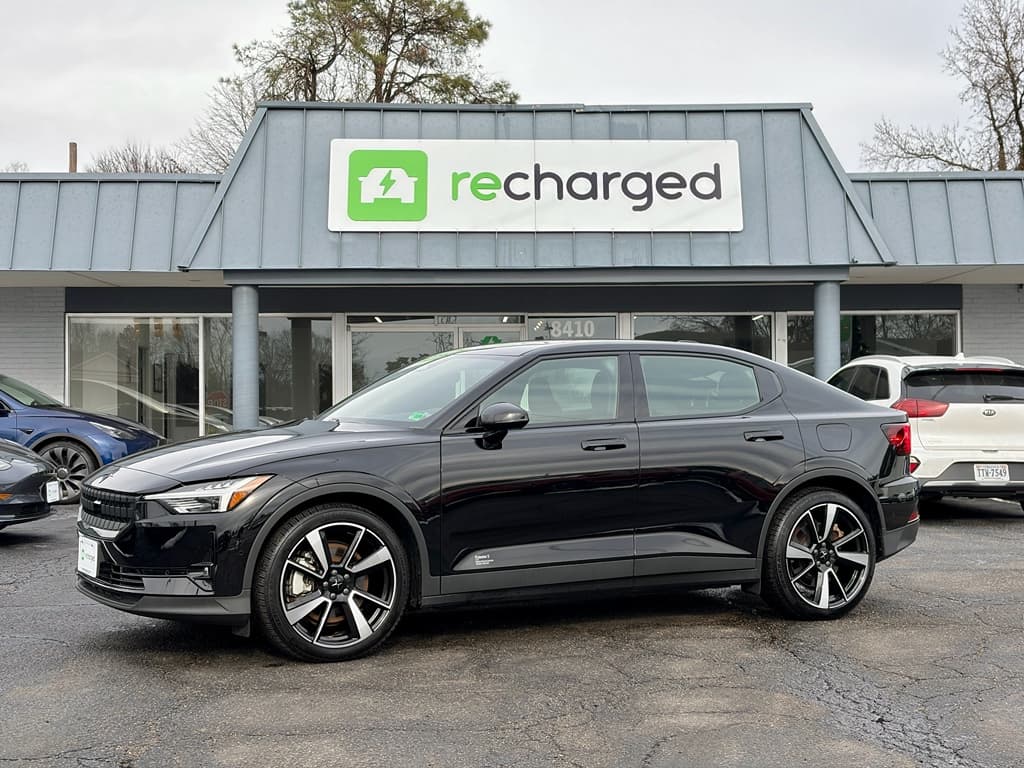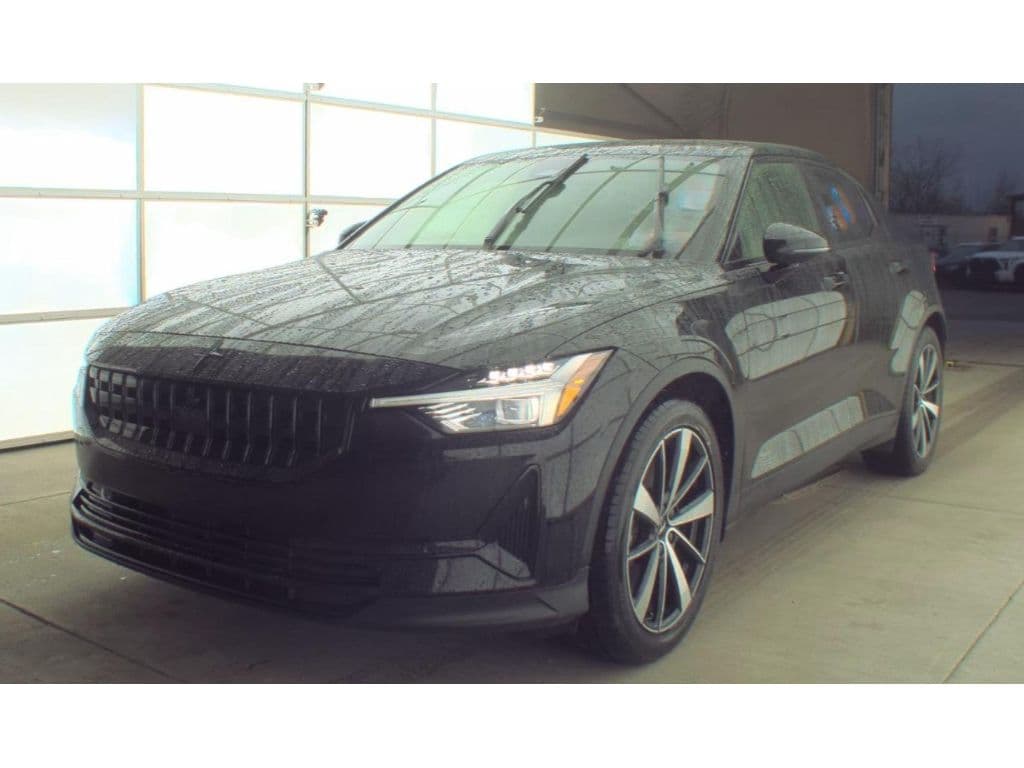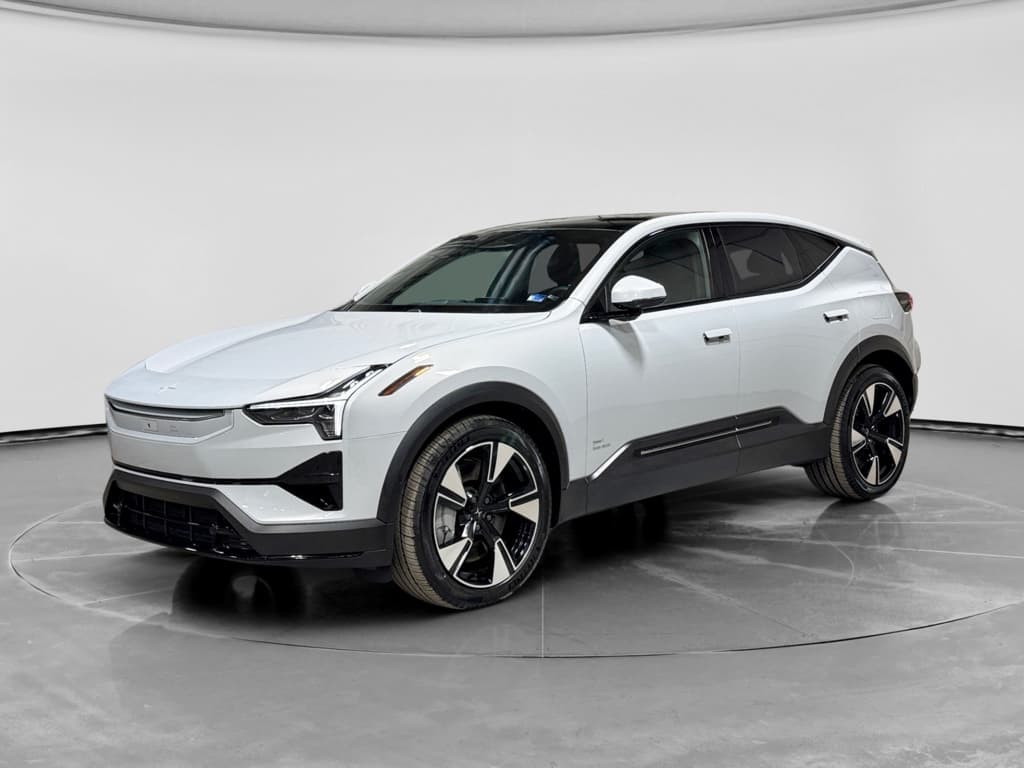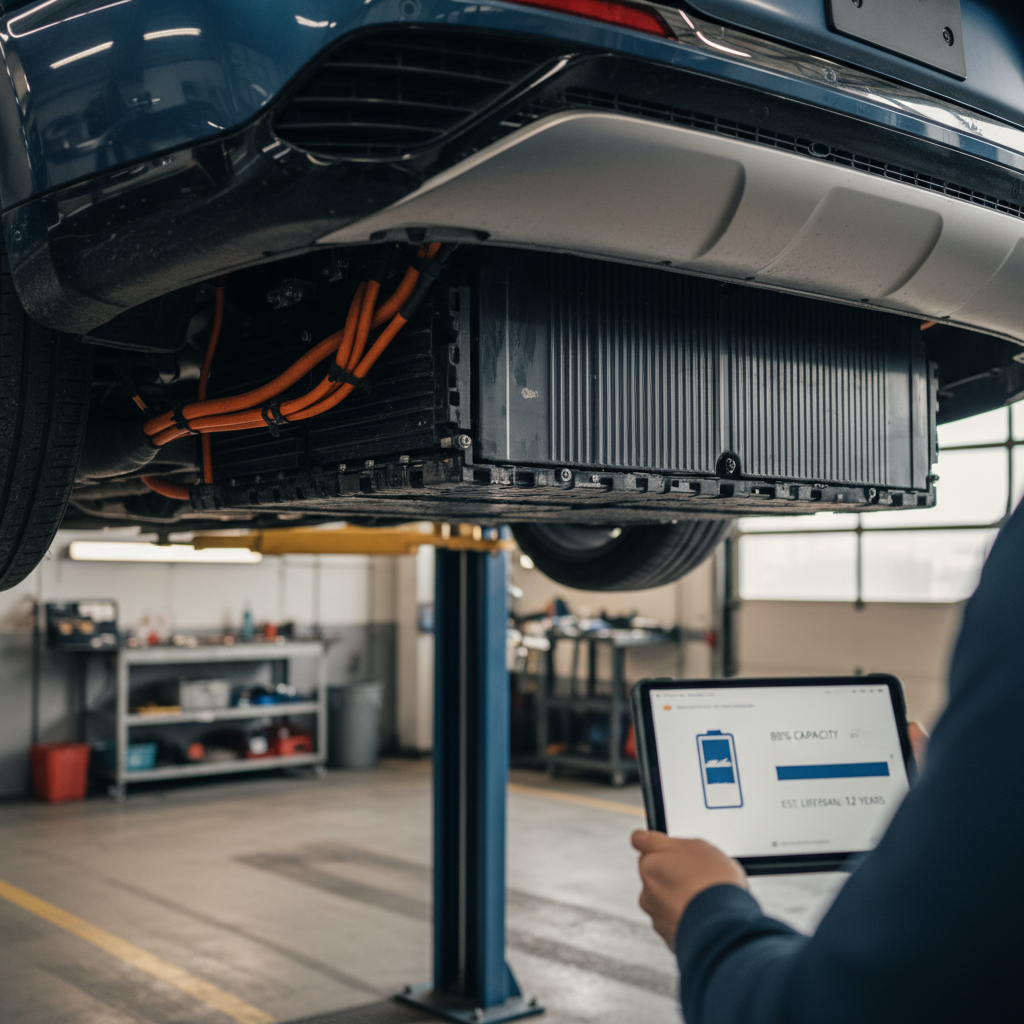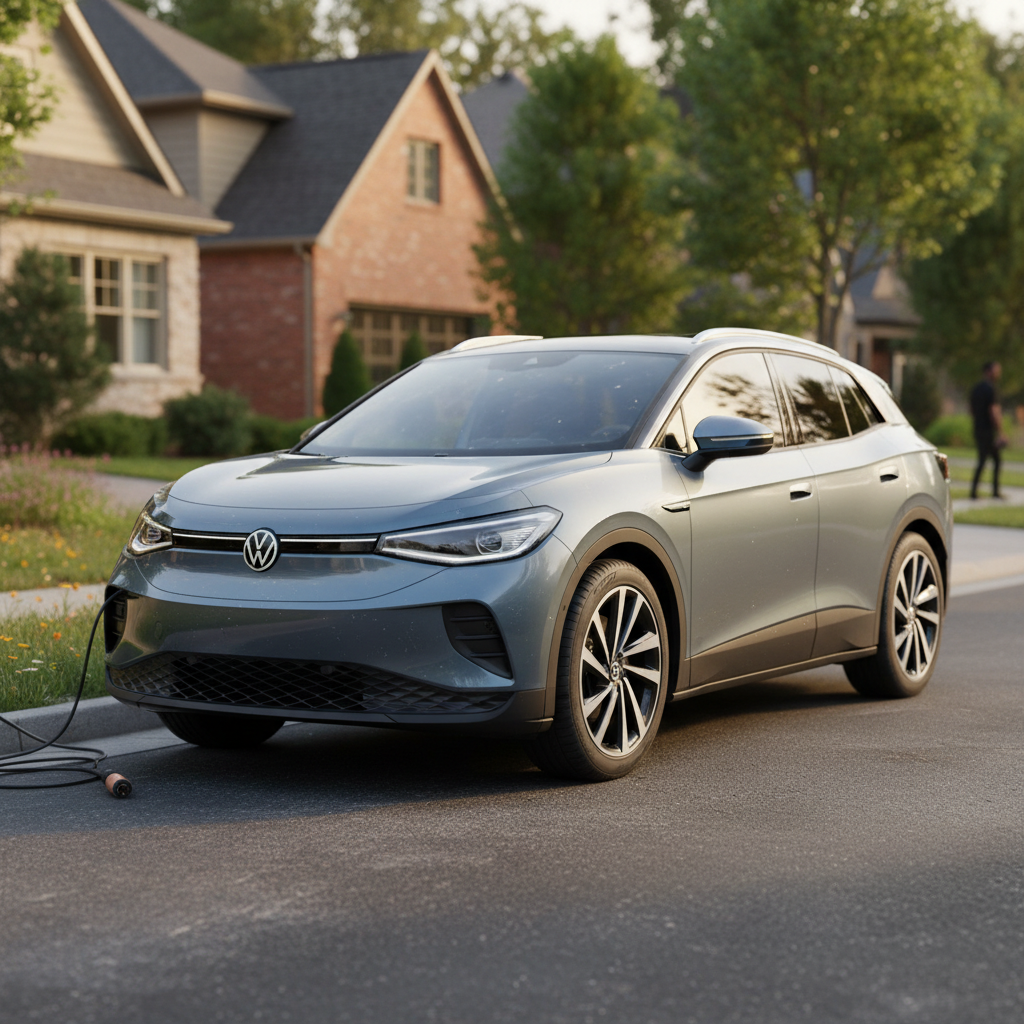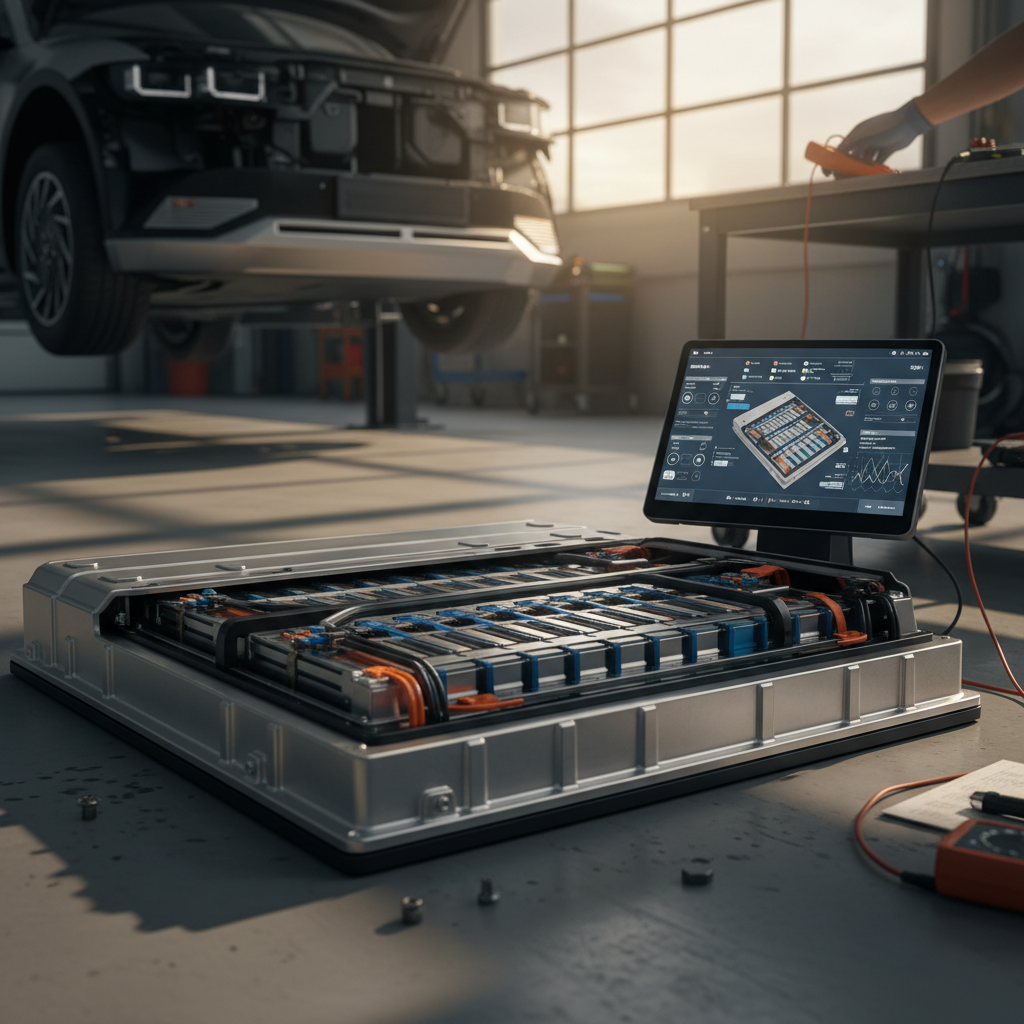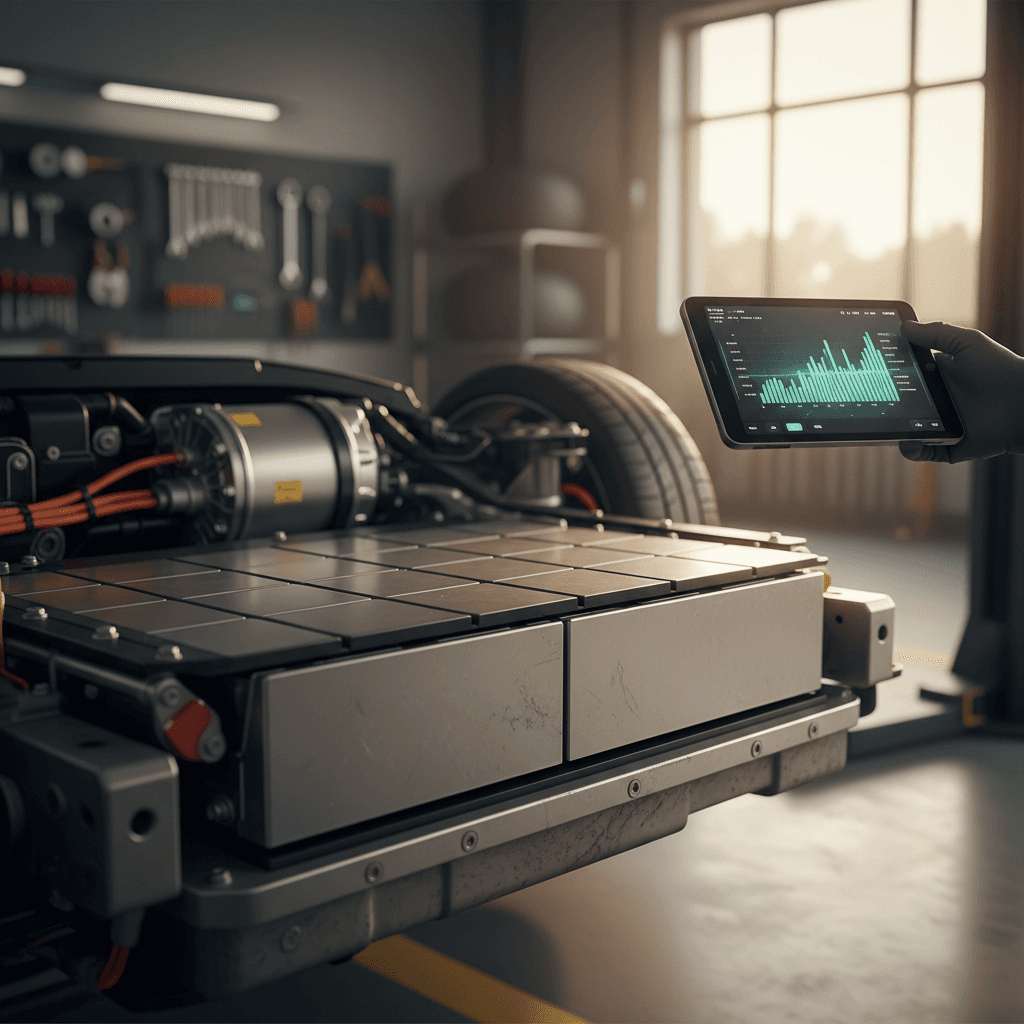
If you’re considering a Polestar 2, or looking at a used one, the big question is obvious: how long does the Polestar 2 battery last? The high‑voltage pack is the heart of the car and the most expensive single component, so understanding battery lifespan, degradation, and warranty coverage isn’t just nerdy detail. It’s the difference between confidence and anxiety every time you plug in.
Quick answer
Polestar 2 battery lifespan at a glance
Polestar 2 battery life by the numbers
Those headline numbers are helpful, but they don’t tell the whole story. To really understand Polestar 2 battery lifespan, you need to know which battery your car has, how these packs tend to age in the real world, and what you can do, as an owner or used‑EV shopper, to tilt the odds in your favor.
Polestar 2 battery packs, chemistry and why it matters
Every Polestar 2 uses a liquid‑cooled lithium‑ion battery, but capacity and details differ by model year and trim. That matters for range and for how you think about long‑term health.
Polestar 2 battery sizes over time
Approximate gross and usable capacities for major Polestar 2 variants sold in North America and Europe.
| Model years / trim | Gross capacity (kWh) | Usable capacity (kWh) | Chemistry |
|---|---|---|---|
| 2021–2023 Standard Range Single Motor | 69 | ~64 | NMC lithium‑ion |
| 2021–2023 Long Range Single & Dual Motor | 78 | ~75 | NMC lithium‑ion |
| 2024–2025+ Updated Long Range (Single & Dual) | 82 | ~79 | NMC lithium‑ion |
| 2025+ Standard Range (select markets) | 70 | ~66–67 | NMC lithium‑ion |
Exact specs vary by market and year, but this table captures the main battery configurations you’ll run into when shopping new or used.
Polestar doesn’t use fundamentally different chemistries across these trims, the packs are all nickel‑manganese‑cobalt (NMC) designs with sophisticated liquid cooling. That’s good news for lifespan: this chemistry is well understood and, when managed carefully, tends to deliver slow, predictable degradation rather than sudden cliff‑edge losses.
Usable vs. gross capacity
How long does a Polestar 2 battery really last?
Let’s tackle the core question: how long will a Polestar 2 battery last before it’s “worn out”? There are two answers, one legal, one practical.
- Warranty view: Polestar guarantees the high‑voltage battery for 8 years or 100,000 miles (160,000 km) against excessive capacity loss. If it falls below roughly 70% of original capacity within that window, Polestar will repair or replace it under warranty.
- Real‑world view: Based on early fleet data across modern EVs and what we’re seeing in Polestar 2 packs specifically, many owners are on track to keep 80–90% of original capacity well beyond 10 years, especially if they aren’t fast‑charging every day.
“End of life” for an EV battery doesn’t mean it dies like a 12‑volt starter battery. It means the pack has lost enough capacity that real‑world range no longer fits your lifestyle, often somewhere below 70% of original. Polestar’s warranty floor is set right around that point.
Typical suburban commuter
You charge mostly at home, rarely go above 80–90%, and use DC fast charging a few times a month. In this scenario, it’s reasonable to expect:
- Minor range loss (5–10%) in the first few years
- Slow decline after that, with 80%+ capacity well past 10 years
- The pack likely outliving your interest in the car
High‑mileage, heavy DC‑fast user
Think rideshare, long‑distance sales, or frequent fast‑charge road trips. Here you might see:
- Faster early degradation (perhaps 10–15% in first 4–5 years)
- More noticeable range loss by 100,000+ miles
- Still, most packs shouldn’t barrel straight to the 70% warranty floor unless seriously abused
Don’t confuse calendar age with abuse
Polestar 2 battery warranty explained
In the United States, the Polestar 2 high‑voltage battery is protected by a dedicated warranty that sits alongside the basic vehicle coverage.
Polestar 2 warranty basics
What’s covered, for how long, and where the battery fits in
Basic vehicle warranty
4 years / 50,000 miles against manufacturing defects on most components.
This is your general “bumper‑to‑bumper” coverage on a new Polestar 2.
Battery & motors
8 years / 100,000 miles on the high‑voltage battery and electric motors.
If the battery’s State of Health drops below roughly 70% within this window, it’s eligible for repair or replacement.
Other protections
Polestar also offers corrosion and safety‑system coverage beyond the basic warranty.
Exact terms can vary by market; always confirm with your local Polestar documentation.
From a shopper’s perspective, that 8‑year/100,000‑mile battery warranty is the safety net that makes a used Polestar 2 attractive. Buy a 3‑year‑old car with 30,000 miles and you still have five years and 70,000 miles of factory backing on the most expensive part of the vehicle.
How the 70% threshold works
Real-world Polestar 2 battery degradation
We now have several model years of Polestar 2s in the wild, many of them driven hard in fleet and rideshare duty. Early data paints a picture that will be familiar if you’ve followed Tesla or Hyundai: a small early dip in capacity, then a long plateau.
- Many monitored Polestar 2 fleets show average State of Health around 93–95% after 50,000–80,000 miles of mixed driving.
- Owner reports of 2021–2022 cars with 80,000+ miles still often land in the low‑90% SoH range, assuming mostly home charging and moderate use of DC fast charging.
- Outliers exist: a few cars show around 90% SoH by 45,000–50,000 miles, typically with heavier fast‑charging or hotter climates, but that’s still far from the 70% warranty line.
What “State of Health” really means
One caveat: Polestar, like most manufacturers, doesn’t give you a clean SoH readout in the dashboard. Scan‑tool readings and third‑party tests can vary by a couple of percentage points, and different tools may disagree on the exact number. That’s why, when you shop used, it’s better to rely on a formal battery health report than a random app screenshot.
What actually shortens Polestar 2 battery life?
If you want your Polestar 2 battery to live a long, boring life, your mission is simple: avoid heat, extremes, and hurry as much as your life allows. Here are the big levers you control.
Key drivers of Polestar 2 battery degradation
Some you can control, some you can’t, but all are worth understanding
High temperatures
Heat is enemy number one for lithium‑ion cells. Hot climates, baking sun, and repeated fast charging in summer all accelerate long‑term wear.
The Polestar 2’s liquid cooling helps, but can’t repeal chemistry.
Frequent DC fast charging
Occasional DC fast charging is fine. Relying on 150–200 kW sessions several times a week for years can chip away at capacity faster.
Think of it as an espresso shot for your battery: great now and then, not ideal as your only drink.
Living at 100% charge
Holding the pack at or near 100% for long periods, especially in warm weather, increases stress.
Charging to 100% for a big trip is fine, just don’t let it sit full all weekend in August.
Running down to 0% often
Regularly driving to very low state of charge can also add wear, much like deep‑cycling a phone battery every day.
The car has buffer, but it’s still kinder to stay above the single digits when you can.
Abuse vs. real life
How to make your Polestar 2 battery last longer
The good news: you don’t need a PhD in electrochemistry to help your Polestar 2 battery age gracefully. A few simple habits go a long way.
Everyday habits that extend Polestar 2 battery life
1. Use a daily charge limit
Set your daily target to around <strong>70–80%</strong> instead of 100% when you’re just commuting. Save full charges for road trips or when you truly need the range.
2. Favor Level 2 charging at home
Whenever possible, charge on Level 2 at home or work rather than relying on DC fast chargers. Slower charging is gentler on the pack, and easier on your schedule.
3. Avoid sitting full in the heat
If you must charge to 100%, time it so the car reaches full close to departure, especially in hot weather. Don’t leave a fully charged car baking in a sunny lot all day.
4. Don’t fear the 20–80% sweet spot
Aim to live most of your life between about <strong>20–80% state of charge</strong>. You’ll still use the car normally; you’re just nudging the chemistry in your favor.
5. Precondition while plugged in
Use climate preconditioning or scheduled departure while the car is plugged in so the energy to heat or cool the cabin comes from the grid, not the battery.
6. Keep software up to date
Battery management strategies evolve. Installing Polestar’s software updates ensures you benefit from the latest improvements in charging curves and thermal control.
What “good” looks like
Buying a used Polestar 2? Battery lifespan checklist
For used shoppers, “How long will the battery last?” turns into, “How healthy is this particular car’s battery today, and what does that mean for the next 5–8 years?” Here’s how to answer that without guessing.
Used Polestar 2 battery health checklist
1. Confirm warranty time and miles left
Note the in‑service date and odometer. Subtract from <strong>8 years / 100,000 miles</strong> to see how much battery coverage remains. A 3‑year‑old car with 30,000 miles still has a big safety net.
2. Get a real battery health report
Ask for a <strong>formal State of Health test</strong> rather than just trusting an app or guess. Every EV on Recharged comes with a <strong>Recharged Score battery health report</strong> so you can see an independently verified picture of pack condition.
3. Ask about charging habits
Did the previous owner mostly charge at home on Level 2, or live on 150 kW fast chargers at a highway stop? You’re looking for patterns, not perfection.
4. Look at climate history
Cars that spent life in moderate climates tend to age more gently than those in very hot regions. A Polestar 2 that lived in Phoenix and fast‑charged daily has had a harder life than one in Seattle.
5. Test realistic range
On a long test drive, reset the trip computer and compare projected range with the original EPA or WLTP figure. Some difference is normal; big gaps deserve questions.
6. Factor battery health into price
A used Polestar 2 with excellent battery SoH and plenty of warranty left is worth more, and often a smarter buy, than a slightly cheaper car with a tired pack and little coverage remaining.
Where Recharged fits in
Polestar 2 battery replacement: cost and how likely it is
A full battery replacement is the boogeyman in every used‑EV conversation. With the Polestar 2, it’s possible but rare, and usually triggered by defects or damage, not normal wear.
How often do packs actually fail?
So far, outright Polestar 2 pack failures are uncommon. When they do happen, it’s typically:
- Within the 8‑year/100,000‑mile window, and
- Covered under the high‑voltage battery warranty if due to defects or excessive capacity loss.
There are documented cases of warranty replacements, but they’re still edge cases, not the norm.
What would it cost out of warranty?
Polestar doesn’t publish menu prices for complete pack swaps, but across the industry, out‑of‑warranty EV battery replacements can run into the many thousands of dollars, sometimes five figures.
That’s exactly why shopping cars with remaining battery warranty, and a clean battery health report, is so important.
Don’t overpay for an unwarranted battery gamble
FAQ: Polestar 2 battery lifespan and degradation
Common questions about Polestar 2 battery life
Bottom line: Is a Polestar 2 battery built to last?
Taken as a whole, the picture is reassuring. The Polestar 2 battery lifespan story looks very similar to other well‑engineered EVs: a modest early drop in capacity, then a long, flat curve that should carry most owners well past 10 years and 150,000 miles without drama. The 8‑year/100,000‑mile warranty is there as a backstop, not a prediction of failure.
If you’re shopping used, treat the battery as you would an engine in a gasoline car: look for solid documentation, understand how it’s been used, and make sure the price reflects the remaining life and warranty. And if you’d rather not decode all of that yourself, Recharged backs every used EV with a Recharged Score battery health report, fair‑market pricing, financing options, trade‑in support, and nationwide delivery, so you can choose a Polestar 2 that’s not just fun to drive, but built to go the distance.