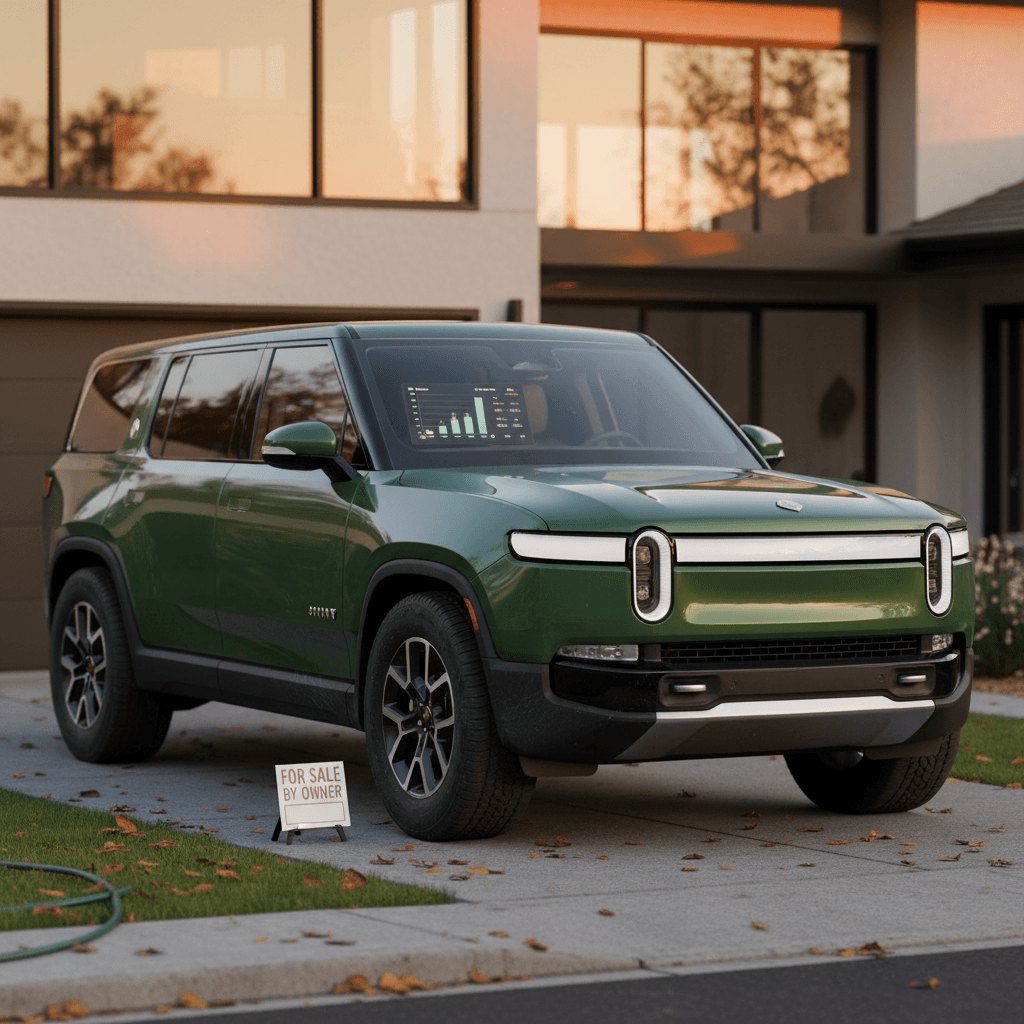
If you own a 2024 Rivian R1S and you’re thinking about selling in 2026, you’re in a sweet, and slightly confusing, spot. Early Rivians have cooled off from their launch frenzy, but the 2024 R1S still has real heat in the used market. The key is understanding what your SUV is actually worth right now, how depreciation is shaping that number, and which way to sell will net you the best check with the least drama.
Why 2024 Matters
Should You Sell Your 2024 Rivian R1S in 2026?
Reasons to Sell Now
- High demand for three-row electric SUVs keeps values relatively strong versus many other EVs.
- New competitors from Mercedes, Volvo, Kia and others are arriving, which can soften future pricing.
- Your R1S is still well inside Rivian’s battery and drivetrain warranty, a huge plus for the next owner.
- If you ordered at higher 2023–early 2024 pricing, cashing out now can cap your depreciation hit.
Reasons to Hold
- You love the truck and don’t see anything else that truly replaces its mix of off-road talent and daily comfort.
- You don’t need the equity today, and you’d rather keep driving a fully sorted, already-depreciated luxury EV.
- You’re waiting to see how R2/R3 pricing and features shake out before making your next move.
Quick Gut Check
What Your 2024 Rivian R1S Is Really Worth Today
Let’s talk dollars. Public data for 2023–2025 R1S sales shows that these trucks have done better than the doom-and-gloom EV headlines would suggest, generally retaining around ~70% of original value after three years when well optioned and well kept. A 2023 R1S that originally stickered around $80,000 is often trading in the mid–$50,000s after three years; similar patterns are emerging for 2024 builds as they appear in the used market.
2024 Rivian R1S Value at a Glance (2026)
These Are Ranges, Not Quotes
Illustrative Price Bands for a 2024 Rivian R1S in 2026
These are realistic example ranges assuming a clean title, no major accidents, and typical mileage for age. Your exact number will sit somewhere inside, or just outside, these bands depending on spec and condition.
| Configuration (Illustrative) | Miles (2026) | Condition Snapshot | Private Sale Target | Strong Instant Offer / Consignment Range |
|---|---|---|---|---|
| Dual Motor Adventure, Large Pack, standard wheels | 15,000 | Excellent, no paintwork, full records | $64,000–$68,000 | $60,000–$63,000 |
| Dual Motor Performance, Large or Max Pack, premium wheels | 20,000 | Very good, light wear, no accidents | $68,000–$72,000 | $63,000–$67,000 |
| Quad Motor early 2024 build, high MSRP, loaded | 25,000 | Good, a few cosmetic flaws | $69,000–$75,000 (if highly optioned) | $65,000–$70,000 |
| Dual Motor, Large Pack, towing and off-road use visible | 30,000+ | Average, some wheel rash, chips, off-road marks | $56,000–$61,000 | $52,000–$57,000 |
Use these bands to sanity‑check offers when you’re ready to sell.
If you want a quick, reality-checked number for your exact truck, a marketplace like Recharged can look at your VIN, options, mileage, and battery data to provide a fair market value range and instant-offer or consignment options anchored to real transactions rather than guesses.
How 2024 Rivian R1S Depreciation Really Works
Depreciation on a Rivian R1S is front-loaded, just like it is on a BMW X7 or Mercedes GLS. The biggest dollar drop happens in the first two to three years, then the curve starts to flatten. The encouraging part: compared with many early EVs, the R1S has held value reasonably well thanks to its unique mix of capability, range, and scarcity in the three-row electric SUV segment.
- Early‑year hit: The moment you titled your 2024 R1S, you effectively wrote off a chunk of value. That’s baked in; you can’t get it back.
- Year 2–3 smoothing: As more 2024s hit the used market, pricing becomes more rational, with smaller annual drops in percentage terms.
- Spec sensitivity: Higher‑MSRP builds don’t always retain their extra cost dollar for dollar; some pricey options are “nice to have” but not “nice to pay for” on the used market.
- EV market mood: Broad EV price cuts and incentives on new metal can pull used values down temporarily, but strong, well-liked models tend to stabilize.
R1S vs The EV Herd
Factors That Move Your 2024 R1S Value Up or Down
Major Value Drivers for a 2024 Rivian R1S
Think of these as knobs you can’t change, and a few you still can.
Mileage & Use Pattern
Lower miles still wins, but how those miles were driven matters too.
- Mostly highway, light family road trips = plus.
- Lots of towing or visible off‑road abuse = minus.
- 20,000–30,000 miles in 2026 is the heart of the bell curve.
Condition & History
Buyers pay for peace of mind.
- Clean Carfax/Autocheck and no airbag deployments.
- OEM glass, no mismatched paint, no structural repairs.
- Documented service and over‑the‑air update history.
Battery Health & Charging Habits
With an EV, pack health is king.
- Limited fast‑charging and mostly home Level 2 use is attractive.
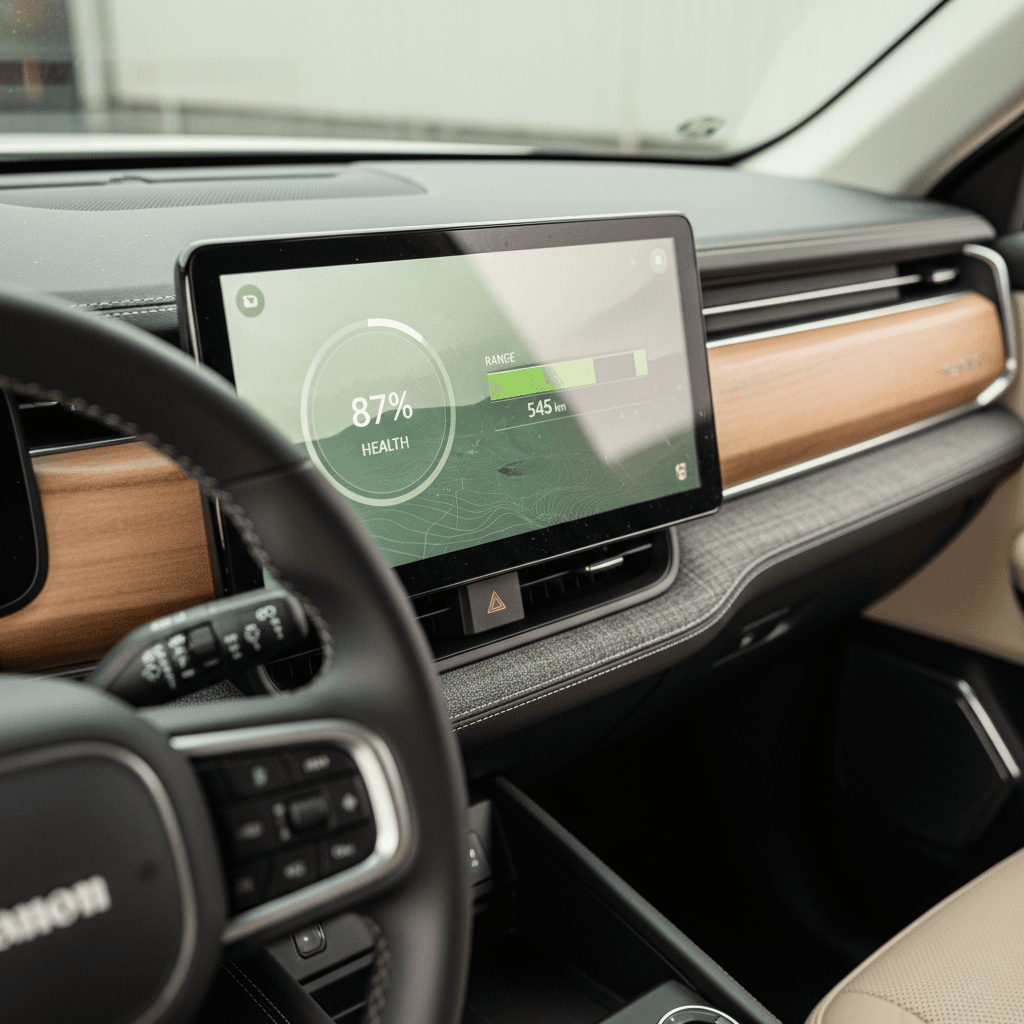
- Stable range estimates at 100% charge reassure buyers.
- A Recharged Score report that quantifies pack health can be worth real money.
Spec: Pack, Motors, Wheels
Not all R1S builds are equal in the eyes of shoppers.
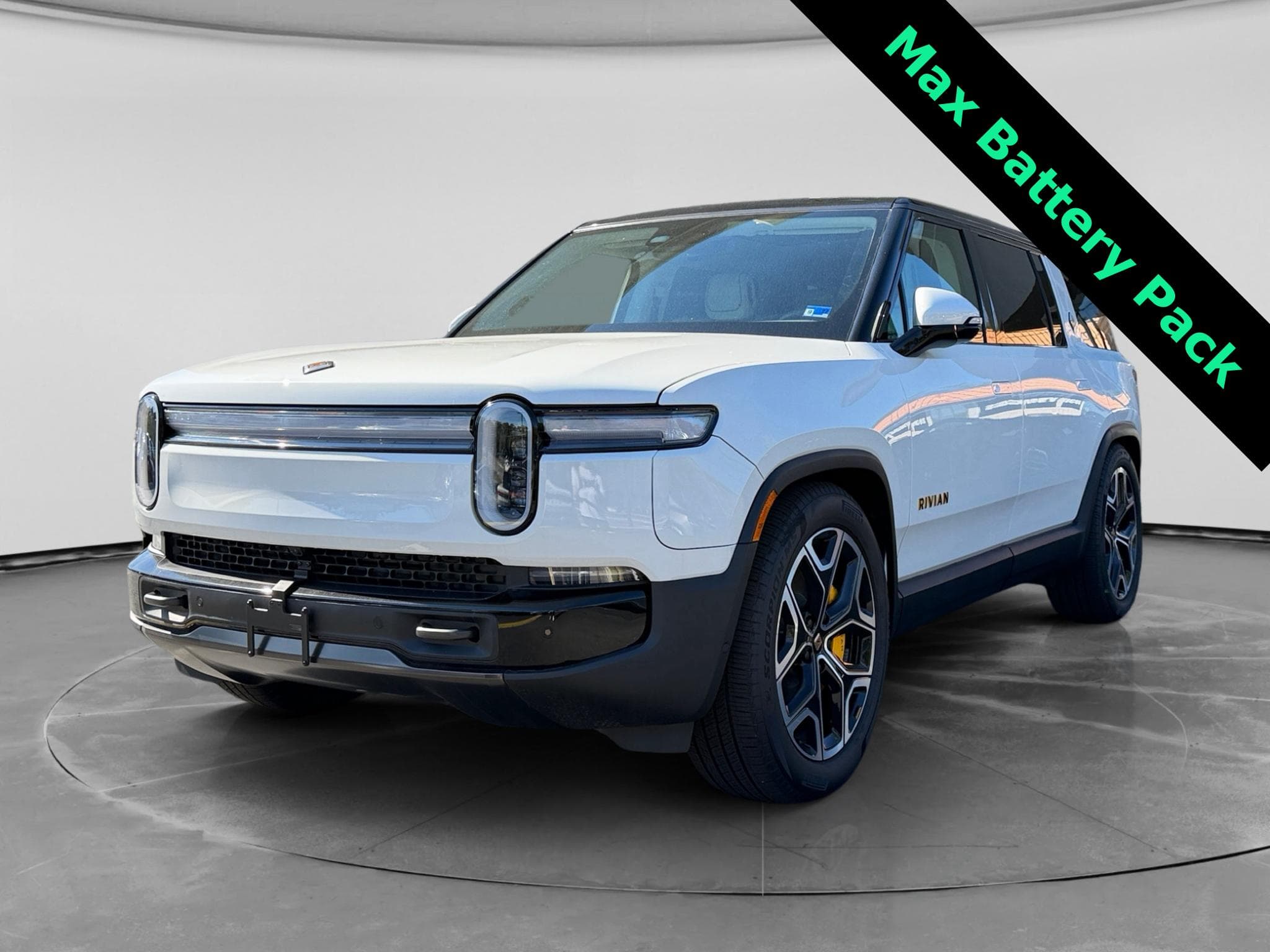
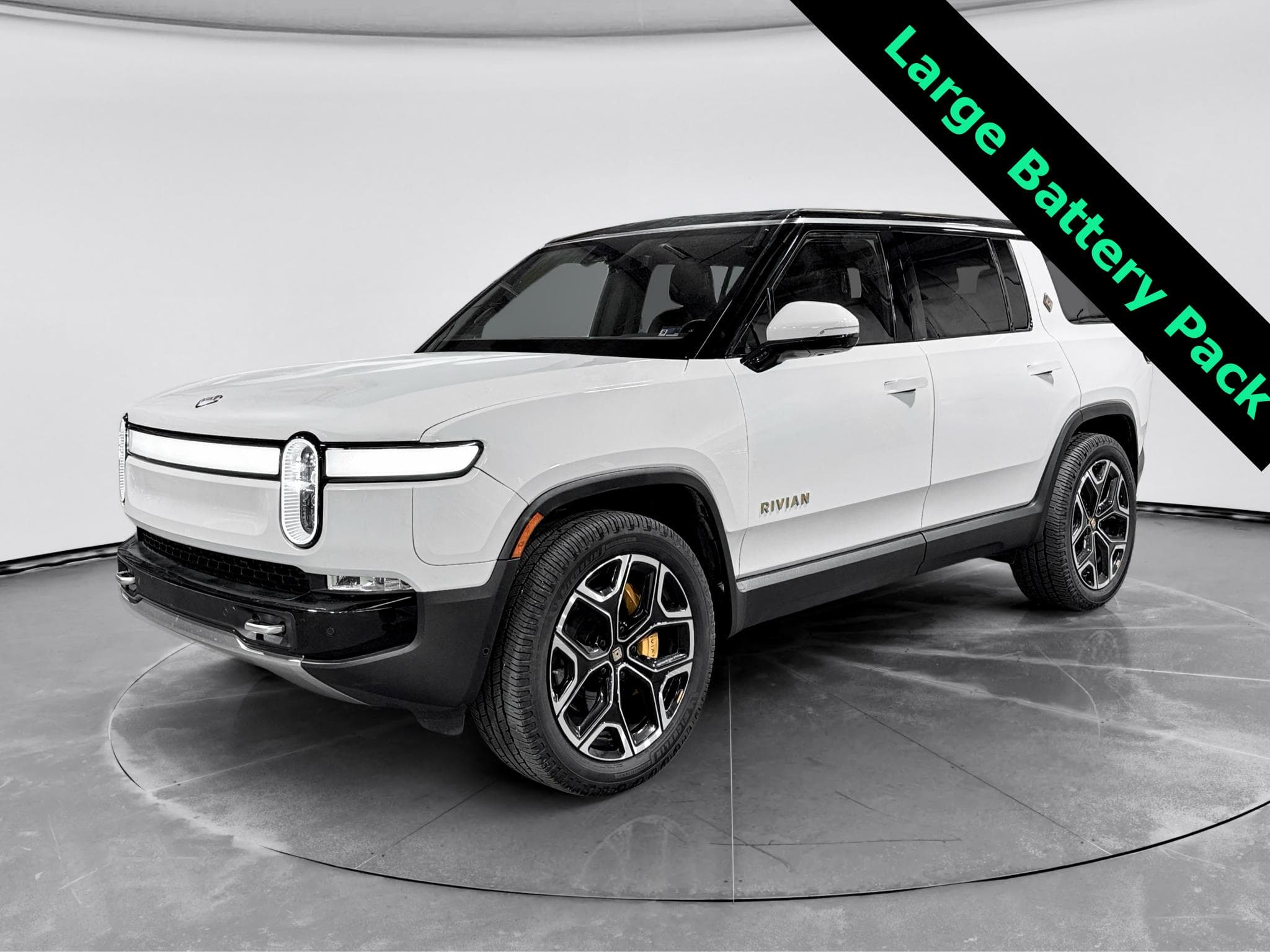
- Large or Max Pack and Dual Motor Performance tend to draw stronger interest.
- Popular colors and 20–21" wheels are easier to resell than niche specs.
- Big‑ticket options sometimes return pennies on the dollar; towing and all‑weather gear usually pull their weight.
Color & Interior Choices
It feels trivial until you try to sell.
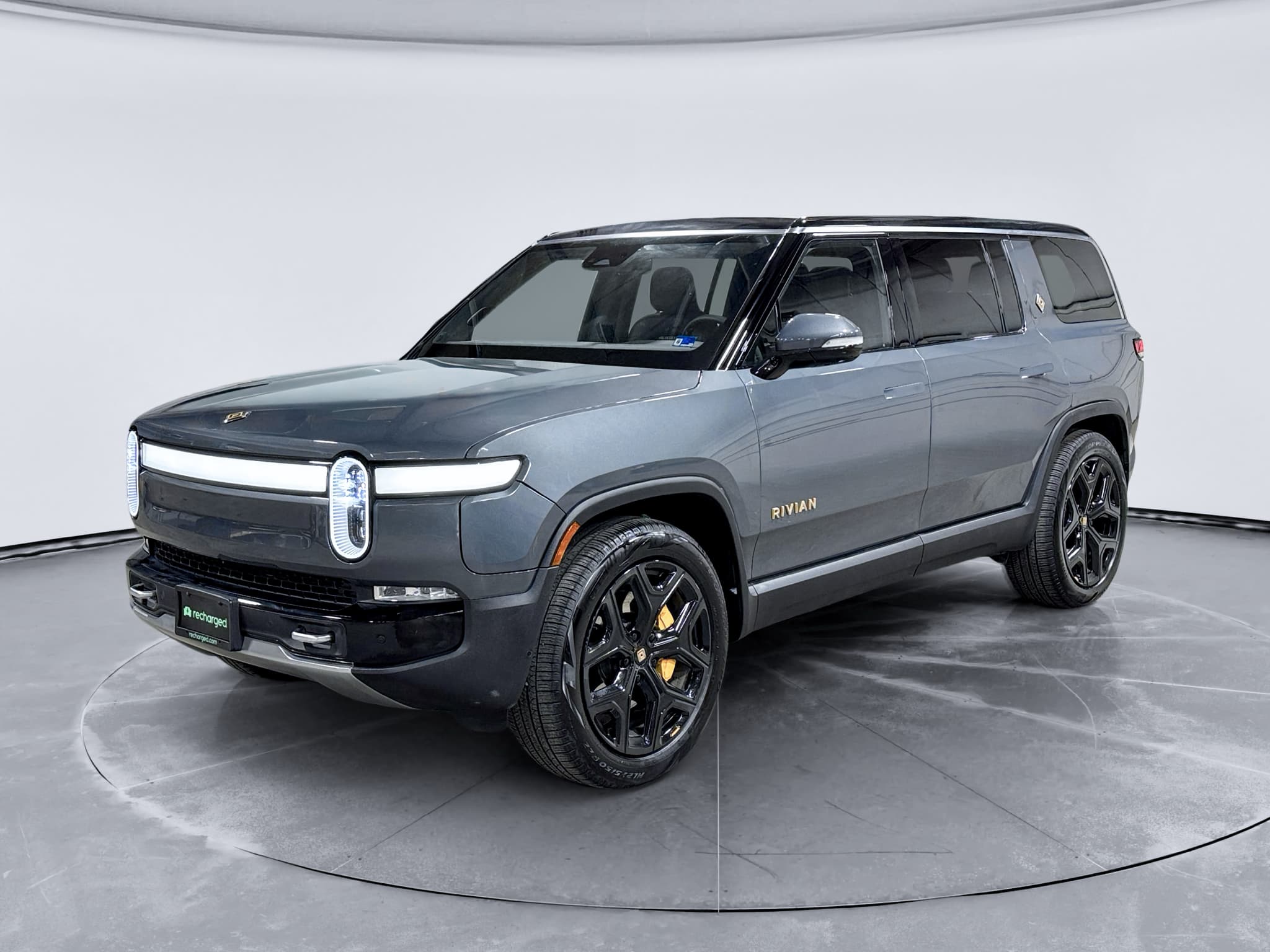
- Neutrals (white, silver, gray, black, dark blue) are the safest bets.
- Bold exteriors with light interiors polarize; some buyers pay more, others walk away.
- Heavy wear on light upholstery is a quick value killer.
Where You’re Selling
Zip code affects value more than you’d think.
- West Coast, Mountain states, and EV‑savvy metros often pay stronger money.
- Regions with sparse service coverage or weak charging infrastructure may discount EVs.
- Nationwide marketplaces like Recharged can “export” your R1S to the market willing to pay most.

Choosing How to Sell: Trade-In, Instant Offer, Consignment, or Private Sale
You don’t just decide whether to sell your 2024 R1S; you decide how. And that choice can swing your net by thousands of dollars. Here’s how the main paths stack up for a high‑value EV like the R1S.
1. Traditional Trade‑In
Hand your R1S to the dealer, sign papers, drive away in something else. It’s easy, fast, and usually the least money.
- Pros: One‑stop transaction, tax savings if your state taxes the difference, no tire‑kickers.
- Cons: Offers often skew conservative, especially from non‑EV specialists; they’ll pad room for uncertainty around battery and future demand.
Best if you value time and convenience over squeezing the last few thousand out of the truck.
2. Online Instant Offer / EV Marketplace
Upload photos and details, get a firm or near‑firm offer quickly.
- Pros: Much more transparent than old‑school trade‑ins, often higher numbers, digital paperwork, pick‑up at your home.
- Cons: Usually a bit under top‑dollar private‑sale pricing; strict condition verification.
Recharged specializes in used EVs, so your R1S is evaluated with EV‑specific tools, including a Recharged Score battery health diagnostic and current Rivian resale data, not just a generic book number.
3. Consignment With an EV Specialist
You keep (or hand over) the vehicle, but a dealer or marketplace lists, markets, and negotiates the sale for you.
- Pros: Access to retail pricing and broader audience without doing the legwork yourself.
- Cons: There’s a fee or margin; you wait for the right buyer instead of cashing out instantly.
Recharged offers consignment-style selling with nationwide visibility, expert pricing help, and handling of test drives and paperwork.
4. Private Party Sale
Maximum hustle, maximum potential payout.
- Pros: Highest possible selling price if you market it well and are patient.
- Cons: Time‑consuming, requires screening buyers, arranging test drives, dealing with payment and title transfer safely.
For a tech‑heavy EV like the R1S, you’ll also need to be ready to explain software, charging, and warranty details to less‑experienced shoppers.
A Hybrid Approach
Ready to find your next EV?
Browse VehiclesStep-by-Step: Preparing Your 2024 R1S for Sale
Pre‑Sale Checklist for a 2024 Rivian R1S
1. Pull Your Service & Warranty Records
Download your Rivian service history, note any warranty repairs, and gather receipts for tires, glass, or alignment. Organized paperwork signals a well‑cared‑for truck and reassures buyers worried about first‑gen EV teething issues.
2. Document Battery Health and Charging Habits
Take photos of the range at 100%, lifetime efficiency, and recent charging history screens. If you sell through Recharged, a Recharged Score battery report translates that data into an easy‑to‑read grade the next buyer (and their lender) can trust.
3. Fix the Easy Cosmetic Stuff
Touch up curb‑rashed wheels, repair windshield chips, and deal with obvious dings that will dominate a buyer’s first impression. Sub‑$1,000 in smart cosmetic work can preserve several thousand in perceived value on a luxury SUV.
4. Detail Inside and Out
Deep‑clean the interior, steam carpets, treat leather, and de‑clutter the cargo area. Outside, a paint correction and quality hand wash can make a two‑year‑old R1S look nearly new. Leave the adventure gear at home for photos; buyers want to see space.
5. Reset Personal Data and Update Software
Sign out of accounts, clear navigation history, and ensure the truck is on the latest stable software build. A clean digital slate feels like a fresh start and avoids awkward moments at hand‑off.
6. Photograph Like a Pro
Shoot during golden hour, with the vehicle clean and centered. Capture all four corners, interior, screens powered on, cargo space, wheels, tires, and any flaws. Recharged’s digital process walks you through the exact shots that help listings stand out.
Pricing Strategy: How to Set a Smart Ask on Your 2024 R1S
Once you understand rough market value, the art is in where you peg your asking price. Aim too high and you sit. Aim too low and you leave money in someone else’s pocket. For a 2024 R1S in 2026, you’re usually threading a needle between the new‑Rivian incentives and older R1S bargains.
- Start with three data points: an online appraisal tool estimate, a dealer or CarMax‑style quote, and at least one EV‑specialist marketplace valuation (like a Recharged offer or consignment estimate).
- Place your private‑sale ask 3–7% above the top of that cluster if your truck is excellent; closer to the middle if condition is only average.
- Watch how the market responds in the first 7–10 days. Lots of messages and no serious offers usually means you’re a little high; crickets mean you’re more than a little high.
- Plan visible price adjustments, not quiet edits. Dropping the ask in $1,000–$2,000 steps signals realism and brings the listing back to the top of many search filters.
- If you’re not getting traction after two price drops, consider switching channels, for example, moving from private sale to a Recharged instant offer or consignment so the truck reaches a larger, EV‑savvy audience.
The Psychology of Price
Tax Credits, Incentives, and Timing Considerations
Federal EV incentives for new vehicles changed significantly after 2025, and new Rivian buyers can no longer claim the old $7,500 federal clean-vehicle credit on purchases made in 2026. That shifts some value pressure onto the used market: a buyer looking at your 2024 R1S versus a brand‑new one no longer sees a big federal rebate propping up the new‑vehicle side of the equation.
On the used side, the separate federal used‑EV credit has historically applied only to vehicles under a capped sale price and with income limits for the buyer. Whether a 2024 R1S qualifies in the year you sell depends on the current rules and the final transaction price. In practice, many R1S sales sit above those thresholds, so treat any possible used‑EV credit as a pleasant surprise, not a guarantee.
Check the Rules Before You Count on a Credit
Common Mistakes When Selling a 2024 Rivian R1S
Avoid These Value-Killing Missteps
Most bad sales outcomes aren’t bad markets, they’re avoidable mistakes.
Ignoring Battery Story
Listing your R1S like a gas SUV, photos of paint and leather only, leaves buyers guessing about the pack. Share range screenshots, charging habits, and, ideally, a third‑party battery report such as the Recharged Score.
Skipping Professional Reconditioning
High‑end buyers expect a near‑new experience. A scratched interior panel, dirty seats, or unaddressed curb rash can cost you more in discounts than the repair would have in the first place.
Being Vague or Defensive
Hiding minor issues or getting cagey about history is a fast way to lose trust. Disclose small flaws up front, explain how they were addressed, and stay calm when buyers ask detailed questions.
Letting the Clock Run
Waiting “one more model year” can backfire if a major Rivian refresh, new three‑row competitors, or big price cuts on new R1S models arrive. If the numbers already make sense, don’t let indecision eat your equity.
Don’t Take Payment Risks
FAQ: Selling a 2024 Rivian R1S
Frequently Asked Questions
Bottom Line: Getting the Best Value for Your 2024 R1S
Selling a 2024 Rivian R1S in 2026 doesn’t have to feel like a gamble. Values are no longer guesswork; we’ve seen enough real transactions to know that a clean, well‑optioned truck with honest documentation will command strong money. Your job is to control the levers you can, condition, presentation, documentation, and sales channel, and let the market do the rest.
Start by getting a realistic value range from more than one source, then decide whether a fast, low‑friction instant offer or a more patient retail‑style sale fits your life. If you’d like expert help reading the market, evaluating your battery and pricing options, and handling the paperwork, Recharged is built for exactly this kind of decision. However you choose to move on from your R1S, going to market informed, and prepared, is how you make sure the adventure ends with money still in your pocket.