If you’re shopping the used-car market in 2026, you’re feeling the ripple effects of the global EV supply chain, whether you realize it or not. Battery metal prices, factory overcapacity, chip shortages, and shifting tax credits have all collided to reshape both used EV prices and the availability of internal-combustion cars on the same lot. Understanding that chain from mine to marketplace helps you decide when to buy, what to pay, and how to protect yourself.
Quick take
Why the EV supply chain suddenly matters for used-car shoppers
For most of the past decade, supply-chain talk focused on new cars: semiconductor shortages, shipping bottlenecks, and long wait lists. In 2026, the story has flipped. New EV sales are cooling, incentives have expired or changed, and a growing number of EVs sold or leased in 2022–2024 are now turning up on used lots. At the same time, lower battery raw-material costs and heavy investment in EV factories, especially in China, are pushing transaction prices down at the new-vehicle level. That combination is putting unique pressure on used EV values while actually supporting prices for many used gasoline models.
EV supply chain & used market snapshot
This is why the **EV supply chain impact on the used car market** is front and center now. The same forces that once drove headlines about $70,000 pickup trucks are starting to create the opposite effect for many used EVs: more inventory, more negotiability, and sharper separation between winners and losers on the depreciation curve.
From mines to driveways: Key links in the EV supply chain
Upstream: Raw materials
- Lithium, nickel, cobalt, graphite and other minerals mined globally feed cell production.
- Prices spiked in 2021–2022, then fell sharply by 2024–2025 as new supply and lower-than-expected EV demand arrived.
- Overcapacity in Chinese battery production has intensified price competition, especially for LFP (lithium iron phosphate) cells.
Midstream & downstream: Batteries, vehicles, and retail
- Cell makers supply pack manufacturers and automakers, who lock in multi‑year contracts based on expected volume.
- Automakers decide where to build EVs, and which qualify for North American or U.S. content rules tied to tax credits.
- Franchise dealers and digital marketplaces then decide how to price lease offers, trade‑ins, and used EV inventory.
When raw‑material and cell prices fall faster than expected, new EV sticker prices and lease offers come down. That’s good news for new‑car shoppers, but it can undercut residual values on EVs built just a few years earlier. That dynamic is now playing out across the U.S. used EV market.
Battery materials and costs: How they flow into used EV prices
Battery packs are still the single most expensive component in an EV, often representing 25–35% of the vehicle’s cost. From 2023 to 2025, analysts projected battery pack prices would fall by around 40% as lithium and other materials retreated from their peaks and Chinese manufacturers ramped up capacity. That’s now showing up on dealer windows and used‑car search sites.
Three ways cheaper batteries hit the used market
Lower pack prices don’t just help new buyers, they reshape depreciation.
1. Cheaper new EVs
As raw‑material costs fall, automakers cut MSRPs or layer on heavier incentives. That narrows the price gap between a new EV and a 2‑ or 3‑year‑old model, forcing used prices down to stay compelling.
2. Faster tech turnover
Lower costs make it easier to launch EVs with bigger packs or faster charging. When a new model suddenly offers 60 more miles of range for similar money, buyers demand discounts on older tech.
3. Residual value resets
Finance companies and captives revise residual assumptions on leases to reflect quicker price erosion. That can mean lower lease payments on new EVs, and more pressure on values when those cars hit the used lane.
Why some used EVs drop faster than others
Factory capacity, chip constraints, and the EV lease boom
The EV supply story isn’t just about batteries. During the pandemic, chip shortages and limited factory capacity sent new‑vehicle prices soaring and pushed shoppers into whatever was available. By 2023–2024, automakers had added EV capacity and chips were flowing again, but demand growth started to cool just as factories hit their stride.
How EV leasing and supply collide in 2026
Leasing surged for EVs in 2023–2024, and those units are now cycling back as used inventory.
| Year | New EV lease trend | Returning EV leases | Impact on used market |
|---|---|---|---|
| 2023 | Lease share jumps as automakers push incentives | Low but rising | Limited used EV supply; strong prices on scarce inventory |
| 2024 | Lease penetration stays elevated | Still modest | More models enter fleets; first wave of off‑lease EVs appears |
| 2025 | New leasing cools slightly as incentives shift | Flat to slightly down | Used EV supply grows but remains niche vs. ICE |
| 2026 | Lease volumes from 2023–24 hit maturity | Spike of off‑lease EVs | Noticeable jump in used EV supply; more negotiating power for buyers |
By 2026, EVs make up a much larger slice of returning leases than in prior years.
Industry analysts expect returning EV leases to surge by well over 200% in 2026 versus 2025 as three‑year contracts signed during the 2023 leasing boom expire. At a time when overall returning leases (gas plus EV) remain below pre‑pandemic norms, that EV wave will stand out on used‑car lots.
Why this matters if you’re buying used
Policy, incentives, and trade rules reshaping EV supply
U.S. policy has been another shock absorber, and shock creator, in the EV supply chain. The Inflation Reduction Act (IRA) tied tax credits to where batteries and critical minerals are sourced and where vehicles are built. A separate set of federal incentives for both new and used EVs expired on September 30, 2025, pulling some demand forward and then leaving a softer market in their wake.
Before incentives expired
- Strong credits on new EV purchases and leases enticed shoppers into electrified vehicles they may not have considered at full price.
- Dealers could apply tax credits to leases even when customers couldn’t qualify directly, further boosting lease volumes.
- Residual assumptions often lagged reality, making lease payments look attractive relative to later used values.
After incentives changed or expired
- New EV demand slowed, especially for models that lost eligibility or became less price‑competitive.
- Used hybrid and EV prices softened more than seasonal norms as buyers found fewer incentives in the showroom.
- Some automakers dialed back EV production plans, while others doubled down on aggressive pricing and cost cutting.
Trade and geopolitics are the wild cards
What this supply chain shift means for used EV prices today
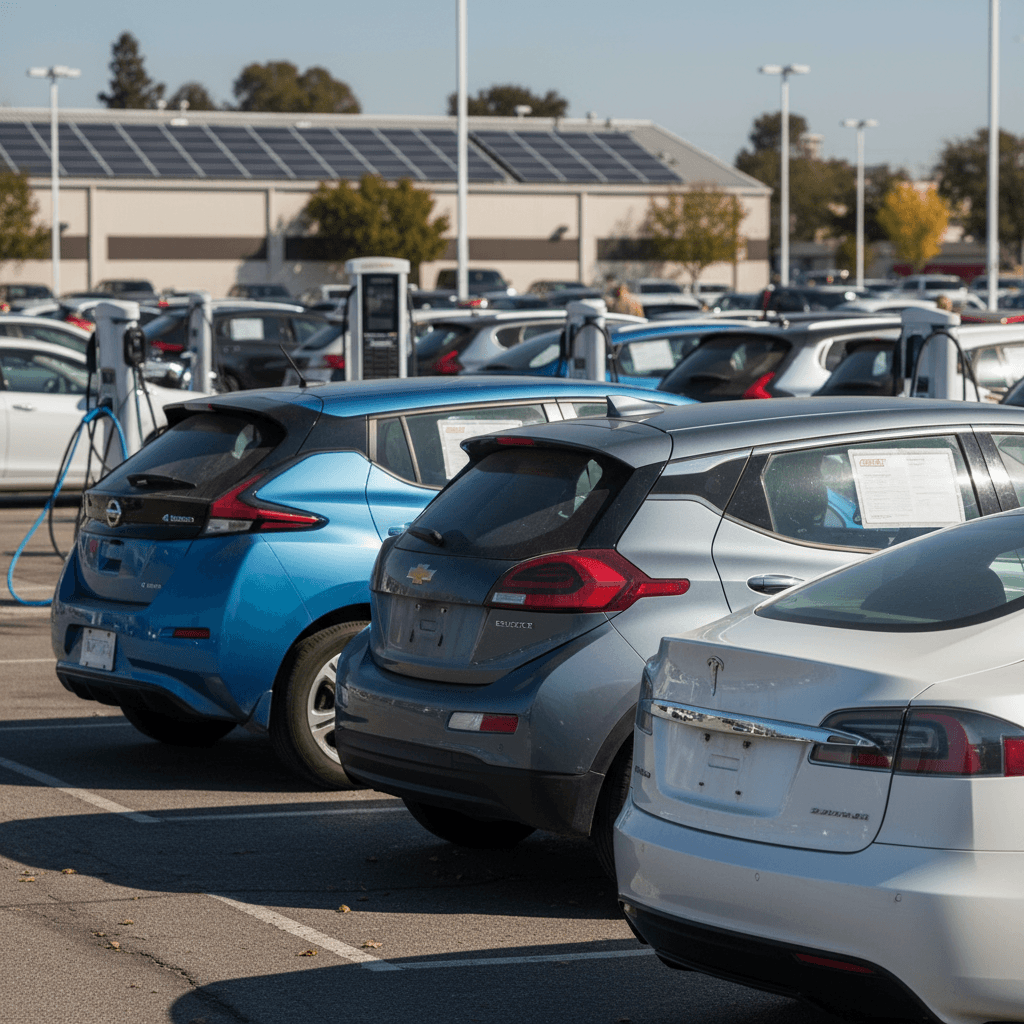
By late 2025, data showed a widening gap between how the supply chain was treating EVs versus gasoline vehicles on the used market. Listings of used EVs rose much faster than ICE listings, and prices responded accordingly.
Used EV vs. ICE pricing trends
This doesn’t mean every electric model is a falling knife. Some high‑end EVs with constrained new supply are stabilizing, and tax‑credit changes briefly boosted demand for certain trims. But on balance, the **EV supply chain impact on the used car market** has been clear: more used EVs relative to shopper demand, more pressure on prices, and a wider gap between book values and what vehicles actually fetch at auction.
A buyer’s market, for the right EV
Battery health data: The missing link in used EV confidence
Even when supply and pricing look attractive, one question still haunts many used‑EV shoppers: What about the battery? Concerns over degradation, replacement costs, and unknown charging history are key reasons EVs tend to depreciate faster than comparable gasoline vehicles, especially in the first three to five years.
Why transparent battery data is becoming non‑negotiable
Supply chain trends make used EVs cheaper, but trust still hinges on the pack.
1. Depreciation is tied to battery health
A 5‑year‑old EV with 90% of its original capacity left is worth more than one at 80%, even if they share the same trim and mileage. Until recently, neither retail buyers nor most dealers had a consistent way to quantify that difference.
2. Standardized diagnostics are emerging
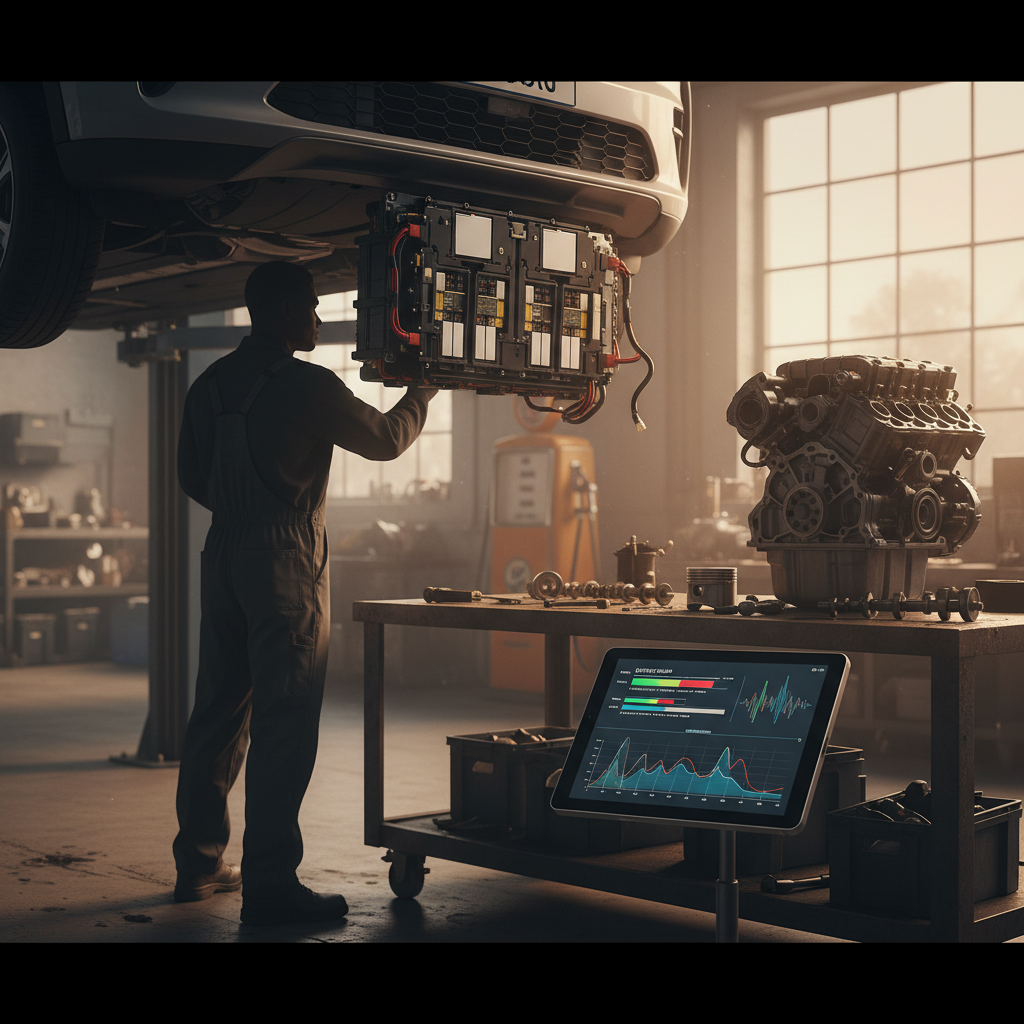
Specialized tools now read pack health, charging behavior, and cell‑level data, allowing providers like Recharged to generate a Recharged Score that puts battery condition front and center in a used‑EV listing.
How Recharged helps here
How to shop smart in a supply-chain-driven used EV market
You can’t control lithium futures, Chinese export policy, or the next round of federal incentives. You can control how you respond as a shopper. Here’s how to turn today’s EV supply chain dynamics into an advantage instead of a headache.
Used EV shopping checklist for 2026
1. Start with your use case, not the deal
Decide how many miles you drive, where you charge, and how long you plan to keep the car. A deeply discounted EV with marginal range might be fine for short‑haul commuting but painful for a 70‑mile daily round‑trip.
2. Compare new vs. used with incentives in mind
With some federal credits expired or restricted, a new EV may be less subsidized than it was in 2024–2025. Run the math: total cost of ownership for a 3‑year‑old EV can be lower than for a brand‑new one, even if monthly payments look similar.
3. Demand a real battery health report
Treat battery diagnostics as non‑negotiable, not a nice‑to‑have. If a seller can’t provide a trustworthy report, such as a <strong>Recharged Score</strong>, assume you’re taking on more risk and price the car accordingly.
4. Look at production date and chemistry
Later‑build EVs may benefit from cheaper, more robust LFP cells or improved thermal management. Research whether the model year you’re considering switched chemistries or pack designs that affect longevity and replacement costs.
5. Watch for off‑lease surges
Local markets feel the lease‑return wave at different times. When a batch of similar ex‑lease EVs hits your area, dealers may be more flexible on price, especially if shoppers are still gravitating toward hybrids and gas crossovers.
6. Prioritize serviceability and parts access
Given supply‑chain uncertainty, favor brands and models with strong U.S. service networks and clear parts support. A rock‑bottom price is less compelling if a minor accident parks the car for months waiting on components.
Be cautious with rock‑bottom prices
FAQ: EV supply chain and the used EV market
Frequently asked questions
Bottom line: Opportunities and risks ahead
The same supply chain that once made EVs scarce and expensive is now making many of them plentiful and relatively affordable, especially on the used side. Lower battery costs, heavy factory investment, and a spike in returning leases are flooding more EVs into the U.S. used car market just as incentives fade and new‑EV demand cools. That creates real risk for residual values, but also real opportunity for shoppers who understand how these forces work.
If you lean into transparency, particularly around battery health and fair market pricing, the EV supply chain becomes less of a mystery and more of a tailwind. Platforms like Recharged exist to translate that complexity into clear reports, expert guidance, and a smoother buying or selling experience. In a market this fluid, that kind of clarity may be the most valuable component in the entire chain.