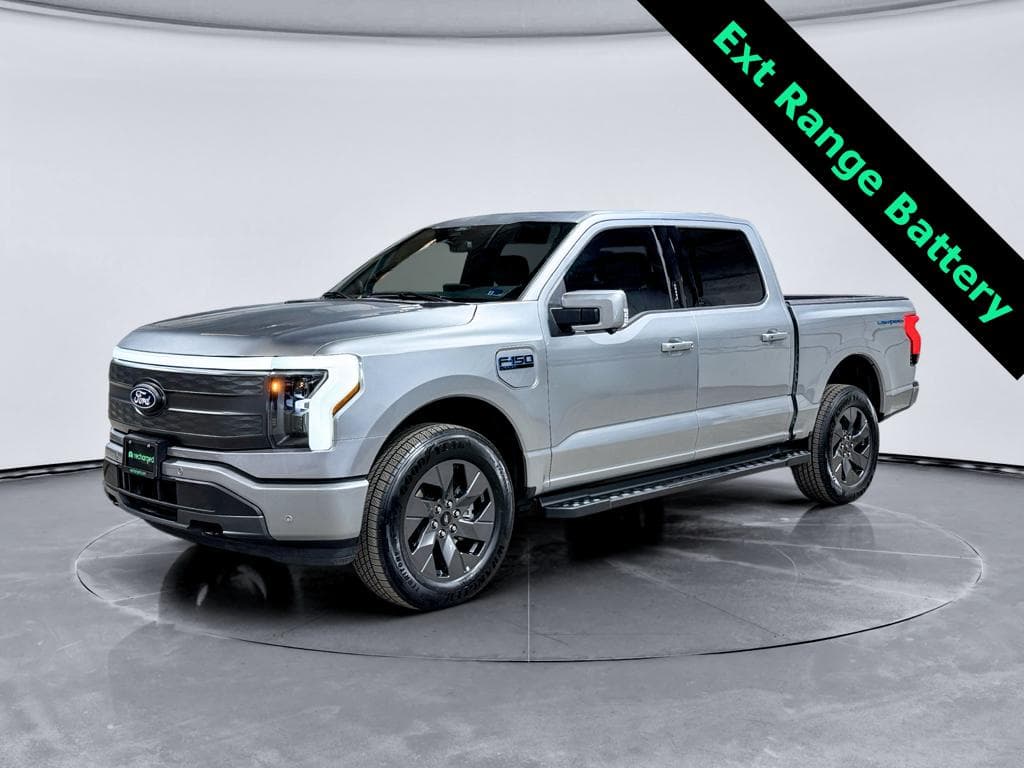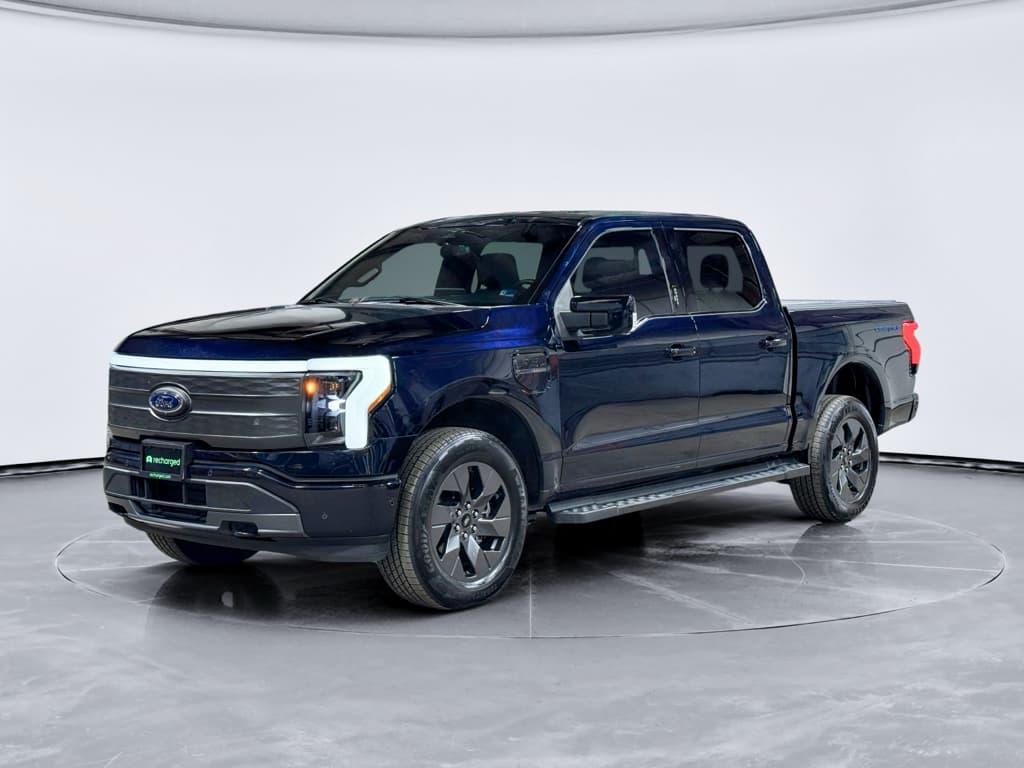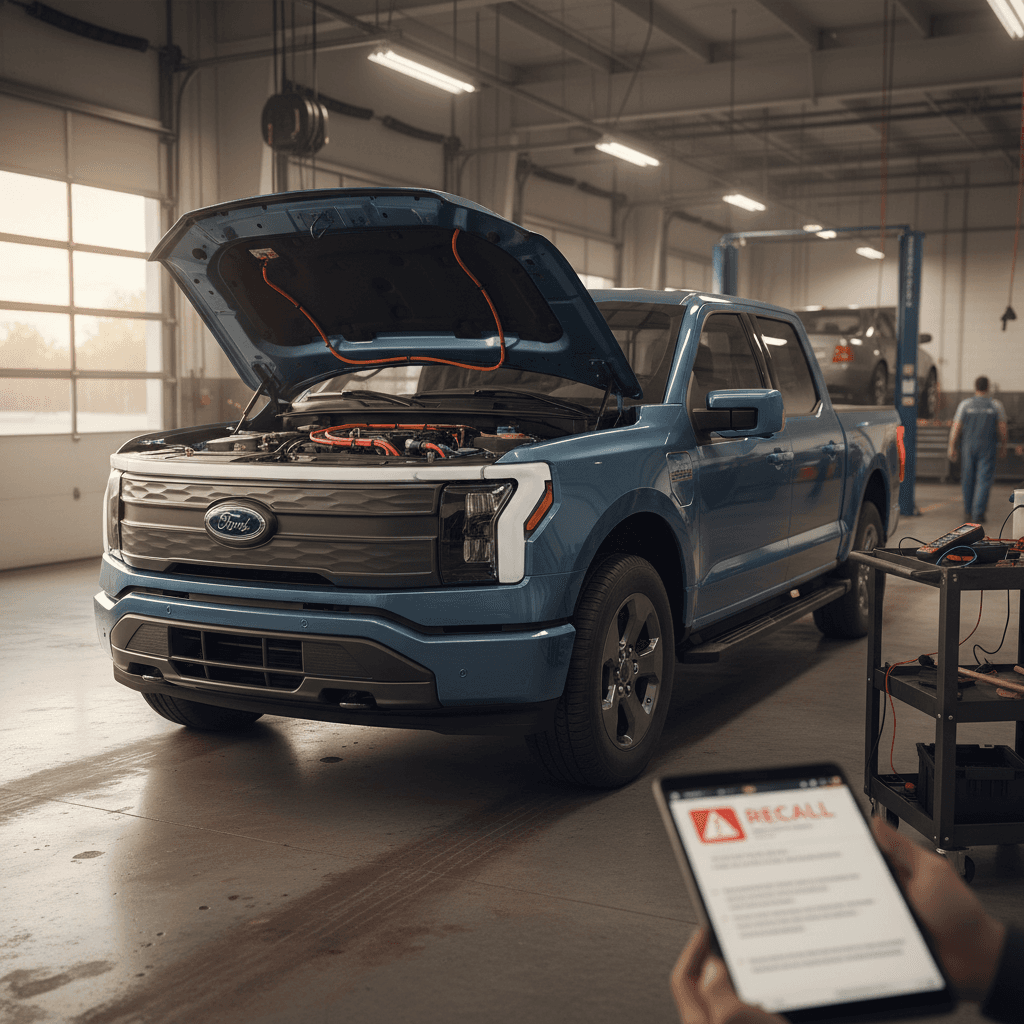
If you own or are considering a 2022 Ford F-150 Lightning, keeping up with the current recalls list isn’t just housekeeping, it’s about safety, uptime, and protecting your truck’s value. Because the Lightning is an all-electric pickup built on a brand‑new platform, it has seen several recalls since launch, from battery‑related issues to newer rollaway‑risk and software campaigns.
Recall info changes over time
Overview: Why 2022 F-150 Lightning recalls matter
Recalls are issued when Ford or federal regulators determine that a defect could affect safety or compliance. With a first‑generation EV like the 2022 F-150 Lightning, that often means software logic, high‑voltage battery components, or new e‑drive hardware that simply didn’t exist on gas F‑150s. The good news is that most repairs are straightforward, free to you, and many can be handled via over‑the‑air updates.
From a used‑truck shopper’s point of view, a Lightning with all recalls properly completed can actually be a better buy than one built later that’s still waiting for fixes. That’s why at Recharged, every used EV we list includes a Recharged Score report with recall status, battery health, and pricing analysis, so you’re not guessing about your truck’s history.
2022 F-150 Lightning recall snapshot (high level)
Quick-reference 2022 F-150 Lightning recalls list
Here’s a high‑level list of the most important recalls that have affected the 2022 Ford F-150 Lightning. Exact eligibility depends on your build date, trim, and VIN, so consider this a roadmap, then verify against Ford’s database.
Key 2022 Ford F-150 Lightning recalls (summary)
Not every 2022 Lightning is included in every campaign. Always confirm by VIN.
| Recall ID (Ford / NHTSA) | Issue | Risk | Typical Fix |
|---|---|---|---|
| Early 2022 high-voltage battery recall (e.g., 22V‑xxx / 22Sxx) | Battery manufacturing defect on a small batch of trucks | Thermal event risk, potential fire if defect present | Pack inspection and, if needed, high‑voltage battery replacement |
| Compliance recall 23C38 (NHTSA 23V‑801) | Labeling / compliance items on 2022–2023 Lightning | Regulatory non‑compliance, low direct safety risk | Replacement labels, documentation updates at dealer |
| High-voltage battery defect campaign (2022–2024 build window) | Manufacturing issue that can cause internal short circuit | Smoke, heat, or fire from battery pack in rare cases | Limit charge to 80% until dealer inspects; replace pack if needed |
| Rollaway risk recall (2022–2026 Lightning) | Drive unit / parking system may not hold vehicle as intended | Vehicle rollaway if parked without proper engagement | Software calibration and, where required, hardware inspection/repair |
| Shifter / PRNDL logic recall (select Lightnings) | Shift system may not reflect actual gear selection in rare cases | Unexpected vehicle movement if driver misled | Software update and system verification at dealer |
| Camera / visibility software recall (multi‑model Ford campaign) | Rear camera image can lag, freeze, or fail to display | Reduced visibility when reversing, higher crash risk | Over‑the‑air or dealer software update to camera system |
| Suspension upper control arm recall (expanded to EV trucks in later years) | Loose or improperly torqued upper control arm ball‑joint nut | Loss of steering control in extreme cases | Inspect and replace fasteners / components; re‑align front suspension |
Major recall campaigns that have affected 2022 F-150 Lightning trucks.
Names and numbers vary
Major 2022 F-150 Lightning safety recalls explained
1. Early high-voltage battery defect recall
One of the most publicized Lightning issues was the early high‑voltage battery defect that led to a production halt in early 2023 after a truck caught fire during a quality check. The underlying problem traced back to a manufacturing issue at a battery supplier that affected a relatively small batch of trucks, including some 2022 units.
Ford responded by pausing production, investigating the battery plant, and issuing a recall that required inspection and, in a handful of cases, full pack replacement. If your 2022 Lightning was built in that affected window, the dealer will confirm pack serial numbers and perform whatever work is required at no cost.
Don’t ignore high-voltage battery notices
2. Later battery short‑circuit / fire‑risk campaign
A later campaign expanded battery‑related coverage to certain 2022–2024 Lightnings built at specific times. Documents referenced a potential internal short circuit in the high‑voltage battery that could, in rare cases, lead to smoke, heat, or fire in the pack.
Owners were instructed to limit charging to around 80% and follow specific parking guidance until dealers could inspect the truck and, where needed, replace the entire high‑voltage battery. If you’re shopping used, ask the seller to show proof this work is complete, as it’s expensive outside warranty but fully covered under the recall.
3. Rollaway risk recall on 2022–2026 Lightnings
More recently, Ford announced a recall covering 2022–2026 F-150 Lightning trucks for a potential rollaway risk. In certain conditions, the drive unit, park system, or control logic might not hold the vehicle as intended when parked, especially on grades or if procedures aren’t followed precisely.
The fix generally involves updated software calibrations and, in some cases, inspection or replacement of components in the driveline or shifter system. Until you confirm the recall is complete, be extra diligent about using the parking brake, especially when you’re parked on an incline or towing.
Best practice: always set the parking brake
4. Suspension upper control arm / steering loss
Another cross‑model Ford recall flagged upper control arm ball‑joint nuts on the front suspension that may not be tightened to specification. If that hardware loosens over time, you could experience noise or, in the worst case, a partial separation that compromises steering control.
Many 2024–2025 Lightnings are clearly included in this suspension campaign; some early documentation and owner reports suggest that certain 2022–2023 EV trucks may also be covered based on build dates. The dealer will check your truck’s VIN against the recall and, if applicable, replace fasteners, inspect components, and perform an alignment.
Software and compliance recalls for 2022 Lightnings
5. Compliance recall 23C38 on 2022–2023 Lightnings
Ford’s compliance recall 23C38 applies to certain 2022–2023 F-150 Lightning trucks. Rather than a dramatic mechanical defect, this campaign focuses on labeling and regulatory compliance items, think load rating labels, information decals, or documentation that didn’t fully meet standards.
Your dealer will apply updated labels or documentation as needed. While it doesn’t usually change how the truck drives, it’s still important to complete. A missing or incorrect label can cause issues during inspections, resale, or in the event of a claim.
6. Camera and visibility software recalls
Ford has issued large, multi‑model software recalls for issues affecting rearview cameras and visibility systems. Although many bulletins focus on gas F‑150s and SUVs, some campaigns also include early F-150 Lightnings by model year and production range.
Typical symptoms include a delayed, frozen, or blank rear camera image when you shift into Reverse. That can increase back‑over risk in parking lots or driveways. The fix is usually a software update delivered either over the air or at the dealer, and you’ll often see this listed as a "completed" recall in your FordPass app or service history.
7. Shifter / PRNDL logic and rollaway‑adjacent campaigns
Separate from the main rollaway campaign, some model‑year Lightnings have been subject to recalls involving shifter logic or gear‑position indication (PRNDL). In rare cases, the indicated gear may not match the actual gear, which can lead to confusion for the driver.
Again, the cure is almost always a calibration or software update, plus system verification at the dealer. If you notice odd behavior, like warnings about shifting, inconsistent gear indications, or trouble engaging Park, don’t assume it’s normal EV quirkiness. Ask the service advisor to check for open or incomplete recall codes tied to your VIN.
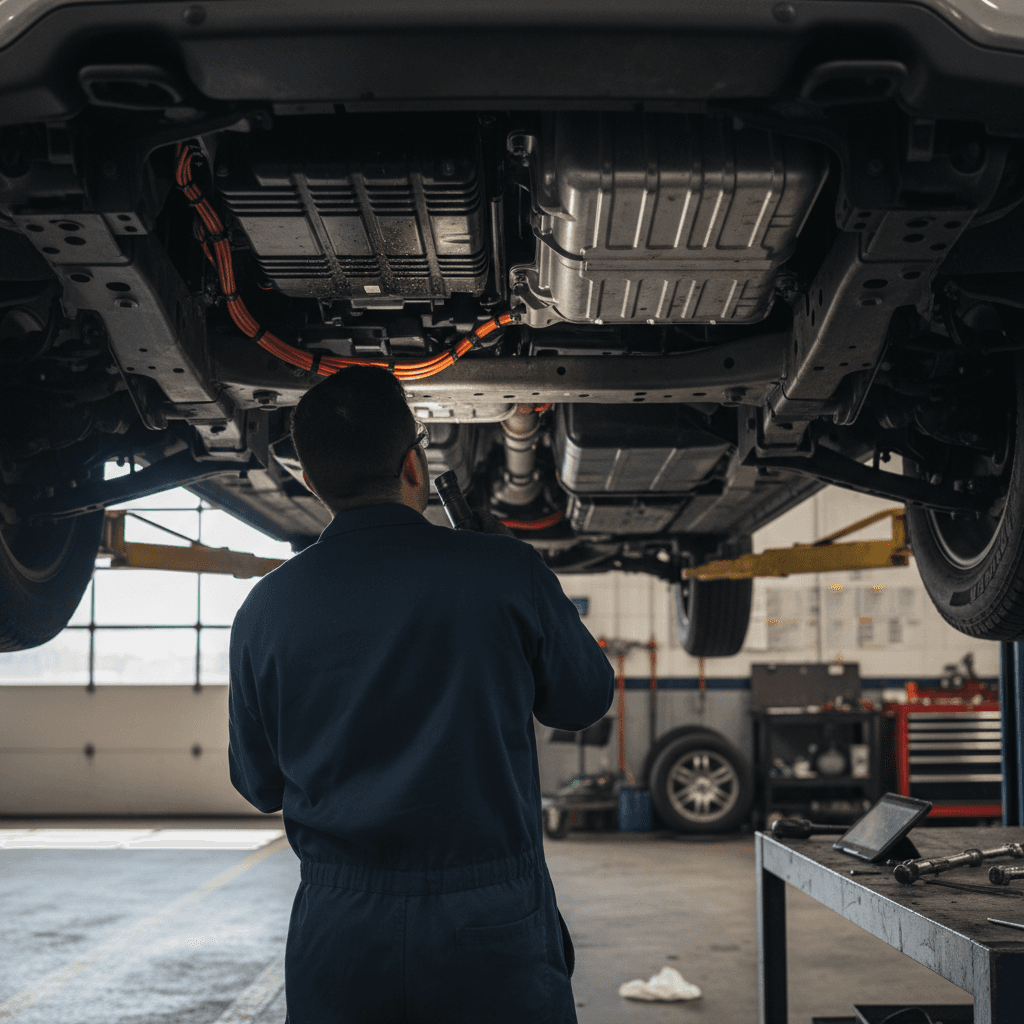
How to check if your 2022 F-150 Lightning has open recalls
Because not every 2022 Lightning is included in every campaign, the only way to know for sure is to check your specific VIN. Fortunately, that’s simple and free.
Step-by-step: Verify recall status on your 2022 Lightning
1. Locate your VIN
You’ll find your 17‑digit VIN on the lower driver‑side windshield, on the driver‑door jamb sticker, and in your registration or insurance documents.
2. Use Ford’s official recall lookup
Go to Ford’s owner support site and enter your VIN in the recall tool. This will show all open, incomplete, and completed recalls tied to your specific truck.
3. Cross-check with NHTSA
Visit the U.S. NHTSA recall lookup site and enter the same VIN. It’s a good double‑check and can occasionally show investigations before Ford posts owner letters.
4. Confirm in FordPass
Open the FordPass app, select your Lightning, and look under Service or Alerts for recall notices. This doesn’t replace a VIN check, but it’s a handy quick view.
5. Ask the service advisor for a printout
When you schedule service, ask the dealer to print your "OASIS" or equivalent recall record so you can see which repairs are complete and which are still open.
6. Keep copies in your records
File recall letters and service invoices in a folder (or scan them). This documentation helps with future warranty claims and strengthens resale value.
How Recharged handles recall checks
Ready to find your next EV?
Browse VehiclesWhat to expect at the dealer for recall repairs
Most 2022 F-150 Lightning recalls are routine for a Ford EV‑certified dealer, but it helps to know what you’re walking into, especially if you’re traveling long distances or have only one vehicle in the household.
Typical recall visit experiences for Lightning owners
From quick software updates to full battery replacements, here’s how service usually looks.
Quick software-only recalls
Many camera, shifter, or compliance campaigns are software‑only:
- Often done via over‑the‑air update
- Dealer visit under an hour if in person
- Minimal or no impact on your schedule
Battery inspection or replacement
Battery‑related recalls take longer:
- Truck may need to stay overnight
- Dealers check pack serials and logs
- Full pack replacement can span days
Suspension or hardware work
Mechanical recalls like control arms:
- Require lift time and an alignment
- Expect a half‑day to full‑day visit
- Ask about a loaner if they keep it
Loaners and transportation
How these recalls affect used 2022 F-150 Lightning buyers
If you’re shopping for a used 2022 F-150 Lightning, recall history is part of the overall risk‑and‑reward equation. An EV truck that’s had its high‑voltage battery inspected or replaced under recall, its software updated, and its suspension hardware verified can actually be a lower‑risk choice than a truck that hasn’t yet been through those campaigns.
Potential downsides
- Downtime risk: If you buy a truck with open recalls, you may need to spend days without it while parts are sourced and repairs completed.
- Dealer capacity: Not every Ford store has the same EV experience or lift capacity for repeated high‑voltage or suspension work.
- Buyer anxiety: Multiple recalls can scare some buyers, even when the fixes are complete and documented.
Hidden upsides
- Known, corrected issues: A truck that’s had major recall work is less likely to surprise you later with the same defect.
- Paper trail: Detailed recall service history is a positive signal about prior ownership and maintenance habits.
- Negotiation leverage: Open recalls or upcoming service can be a talking point when you’re negotiating a price on a private‑party sale.
How to use recalls in negotiation
Owner checklist after you receive a recall notice
When a recall envelope shows up in your mailbox, or a FordPass alert pings your phone, it’s easy to put it off. Here’s a simple checklist to stay organized and protect both safety and resale value.
Action plan when your 2022 Lightning is recalled
1. Read the notice carefully
Identify which system is affected (battery, suspension, shifter, camera, etc.), what risk Ford describes, and whether they recommend any temporary limits on charging, towing, or parking.
2. Verify it against your VIN record
Use Ford’s recall lookup or NHTSA’s VIN tool to confirm the recall is truly open on your truck, not already performed or irrelevant due to build date.
3. Decide how urgent it is
Battery fire risk, rollaway, and steering‑related recalls belong at the top of your priority list. Labeling or minor software campaigns are still important but less urgent day‑to‑day.
4. Call an EV-certified Ford dealer
Ask specifically for an advisor who handles F-150 Lightnings. They’re more likely to know the latest guidance, parts availability, and approximate turnaround times.
5. Ask about transportation options
If your truck might be held overnight for battery or suspension work, confirm whether a loaner or rental is available, and whether it’s covered under the recall program.
6. Save all paperwork
File the repair order and any updated label photos. If you later sell or trade the truck, whether to Recharged or elsewhere, this documentation supports your truck’s value.
FAQ: 2022 Ford F-150 Lightning recalls
Common questions about 2022 Lightning recalls
The bottom line on 2022 Lightning recalls
The 2022 Ford F-150 Lightning is a landmark truck, quiet, quick, and incredibly useful, but like most first‑generation EVs, it has accumulated a meaningful list of recalls as Ford has learned in the field. Battery‑related campaigns, rollaway‑risk updates, and suspension checks aren’t reasons to panic, but they are reasons to take recall notices seriously and stay on top of your truck’s service history.
If you already own a 2022 Lightning, your best move is simple: check your VIN on Ford’s site, prioritize any high‑risk recalls, and keep paperwork organized. If you’re shopping used, make recall completion part of your due diligence, whether you’re buying from a private party, a franchise dealer, or a marketplace. At Recharged, we bake that work into the process with Recharged Score reports, EV‑specialist support, and financing and trade‑in options that are built around the realities of owning an electric pickup.
Handle recalls proactively, and a 2022 F-150 Lightning can still be a smart, capable EV truck, especially if you pair it with transparent history, verified battery health, and the right partner when it’s time to buy or sell.