Few topics generate more debate than EV safety. Between viral videos of battery fires, headlines about driver-assistance crashes, and claims that electric vehicles are either much safer or much riskier than gas cars, it’s hard to know what to believe. If you’re considering a new or used EV, you need more than hype, you need data, context, and clear guidance.
Big picture
Why EV safety matters in 2025
In 2025, EVs are no longer a niche product. Millions of battery-electric vehicles are on U.S. roads, and used EVs are increasingly affordable. That scale changes the safety conversation. We’re no longer just asking, “Can this new technology work?” but “How does electric vehicle safety hold up in everyday reality, crashes, fires, floods, and driver behavior?”
EV safety by the numbers
Statistics need context
How safe are EVs in a crash?
Crash safety is where EVs quietly excel. Most modern EVs earn top scores from IIHS and NHTSA thanks to rigid structures, strong crash protection, and the basic physics of having a heavy battery pack mounted low in the chassis. That low center of gravity makes rollovers less likely and helps the vehicle stay planted in emergency maneuvers.
Why EV crash performance is often strong
- Rigid battery enclosure ties into the body structure, improving side-impact and pole-impact performance.
- No engine block up front gives engineers more freedom to design long, progressive crumple zones.
- Low center of gravity reduces rollover risk versus tall SUVs with high-mounted engines.
- Standard active safety tech (AEB, lane-keep, blind-spot monitoring) is more common on EVs than many older gas cars.
What can still go wrong
- Weight cuts both ways: heavy EVs can transfer more energy to lighter vehicles, pedestrians, or cyclists in a crash.
- Cheap or older EVs may lack the latest airbags and crash-avoidance tech, don’t assume all EVs are equal.
- Driver-assist overreliance can turn a good crash structure into a false sense of invincibility.
When you evaluate EV safety, look at both crash-test ratings and the way you actually drive, not just the powertrain.
How to compare crash safety
EV fire risk: myths vs reality
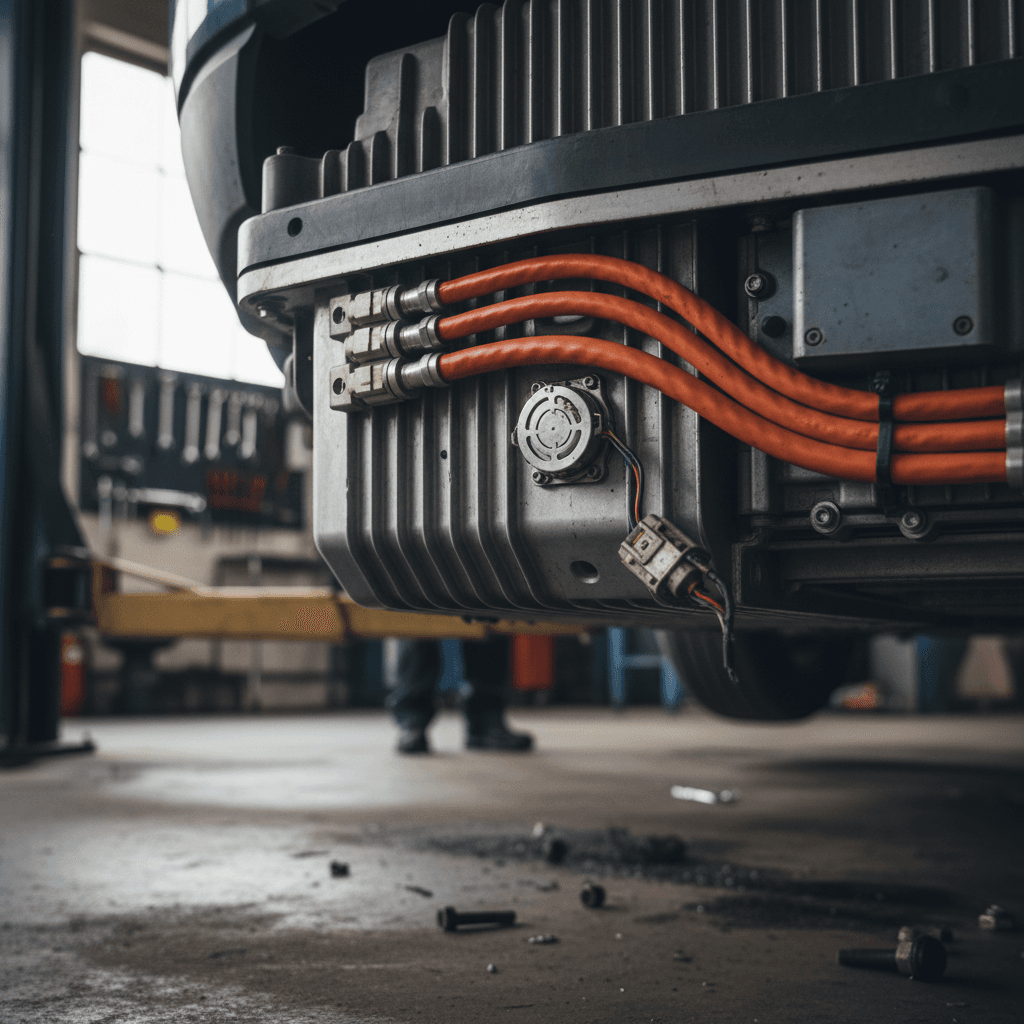
Fire is where many people worry most about EV safety. Lithium-ion batteries, thermal runaway, viral parking garage videos, it all sounds scary. But when you look at the numbers, EVs are not the fire bombs the internet sometimes suggests.
EV fire risk compared with gas cars
What the real-world data actually shows
EV fires are rarer
Recent analyses of U.S. and European data show roughly tens of EV fires per 100,000 vehicles, compared with more than a thousand fires per 100,000 gasoline vehicles. That’s orders of magnitude lower risk for EVs overall.
Gas cars burn differently
Most gasoline-vehicle fires start with fuel or engine-bay issues, leaks, hot surfaces, or mechanical failures. They’re more common, but firefighters are very familiar with them.
EV fires are different, not more common
When EV batteries fail, they can enter thermal runaway, releasing flammable gases and intense heat. These events are harder to extinguish and can reignite, which is why they grab headlines.
When EV fire risk is higher
- Most EVs will never experience a battery fire during their lifetime, even in high-mileage use.
- Hybrid vehicles that combine high-voltage batteries with gasoline systems can actually show higher fire rates than pure EVs in some datasets.
- The main takeaway: fire risk exists with any vehicle, but the average EV owner is not driving a rolling fire hazard.
How EV batteries are engineered for safety
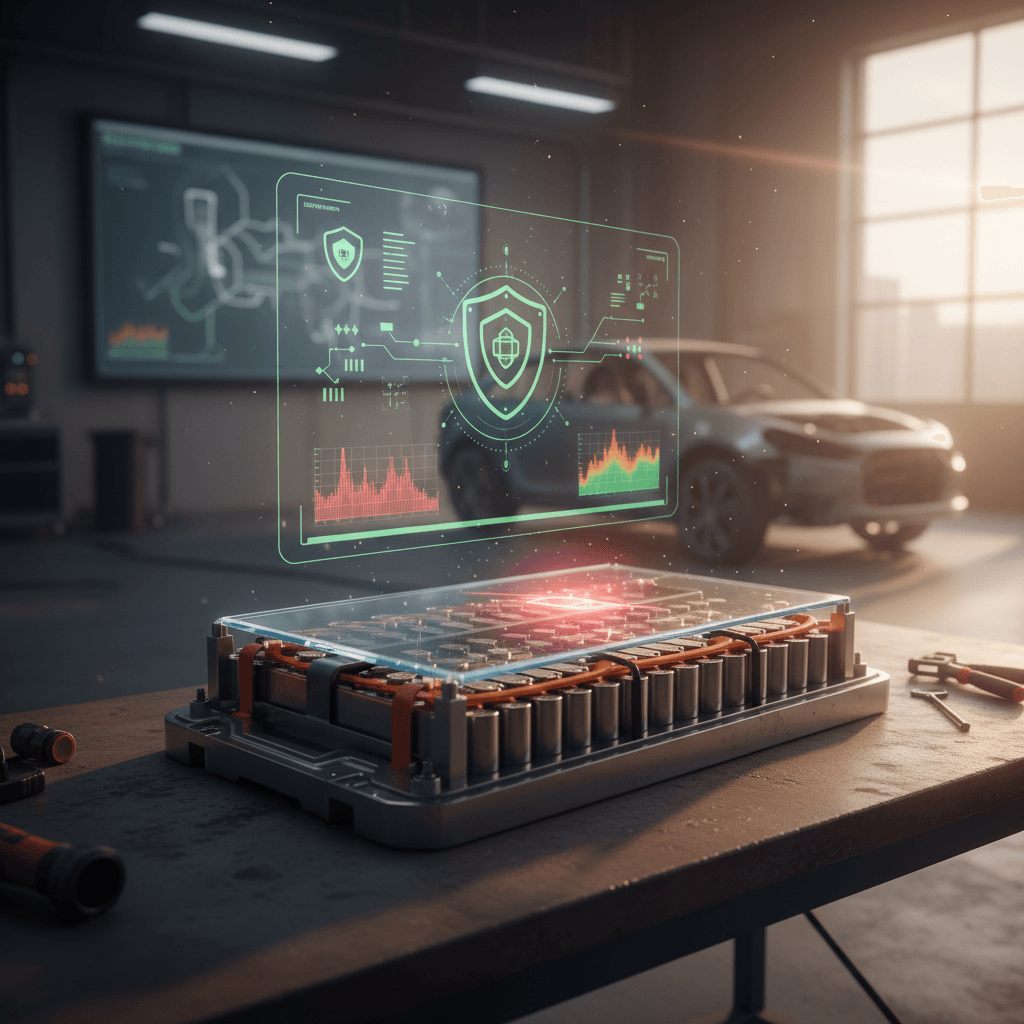
Battery safety starts long before a vehicle hits the road. Automakers and suppliers test packs for vibration, impact, over‑charging, short circuits, extreme temperatures, and even nail penetration to simulate road hazards and abuse. Global regulations, like the UN’s EV safety rules and emerging national standards, increasingly focus on preventing or slowing thermal runaway so occupants have time to escape.
The 4 layers of EV battery safety
Why catastrophic failures are rare
1. Cell & module design
- Carefully controlled manufacturing to avoid internal defects.
- Separators and venting features to manage failures at the cell level.
- Cell chemistries increasingly optimized for stability, not just range.
2. Pack structure
- Rigid housings to protect against curb strikes and debris.
- Crash structures that divert impact loads away from the pack.
- Sealing to limit water and corrosion ingress.
3. Battery management system (BMS)
- Constant monitoring of cell voltage, temperature, and current.
- Software limits charging and discharging to keep cells in a safe window.
- High‑voltage contactors open to isolate the pack in a severe fault or crash.
4. Thermal management
- Liquid or air-cooling systems regulate pack temperature.
- Heaters protect cells in very cold weather.
- Some designs include fire barriers or vent paths to direct gases away from occupants.
What "thermal runaway" actually means
Driver-assistance tech and EV safety
EVs are often the first place new driver-assistance features show up, adaptive cruise control, lane centering, automated lane changes, and even so‑called "self‑driving" capabilities. These systems can reduce certain kinds of crashes, but they also introduce new failure modes and human‑behavior risks that matter for EV safety.
The upside
- Automatic emergency braking (AEB) can prevent or reduce the severity of rear-end crashes.
- Lane-keeping assist helps avoid run‑off‑road accidents and sideswipes.
- Blind‑spot monitoring reduces merging collisions, especially valuable in heavy, fast‑accelerating EVs.
Used correctly, these systems are genuine safety nets, especially for distracted or fatigued drivers.
The downside
- Marketing language like "Autopilot" or "Full Self‑Driving" can encourage over‑trust and inattention.
- Systems that handle most, but not all, driving tasks can lead drivers to miss the rare situations they must handle instantly.
- Regulators have opened investigations into crashes where driver-assist systems were active but misused or over‑relied upon.
These technologies are driver assistance, not replacement. If your hands and eyes aren’t on task, no EV can keep you safe indefinitely.
How to use driver-assist safely
Practical safety tips for EV owners
Everyday EV safety best practices
1. Learn your high-voltage warning labels
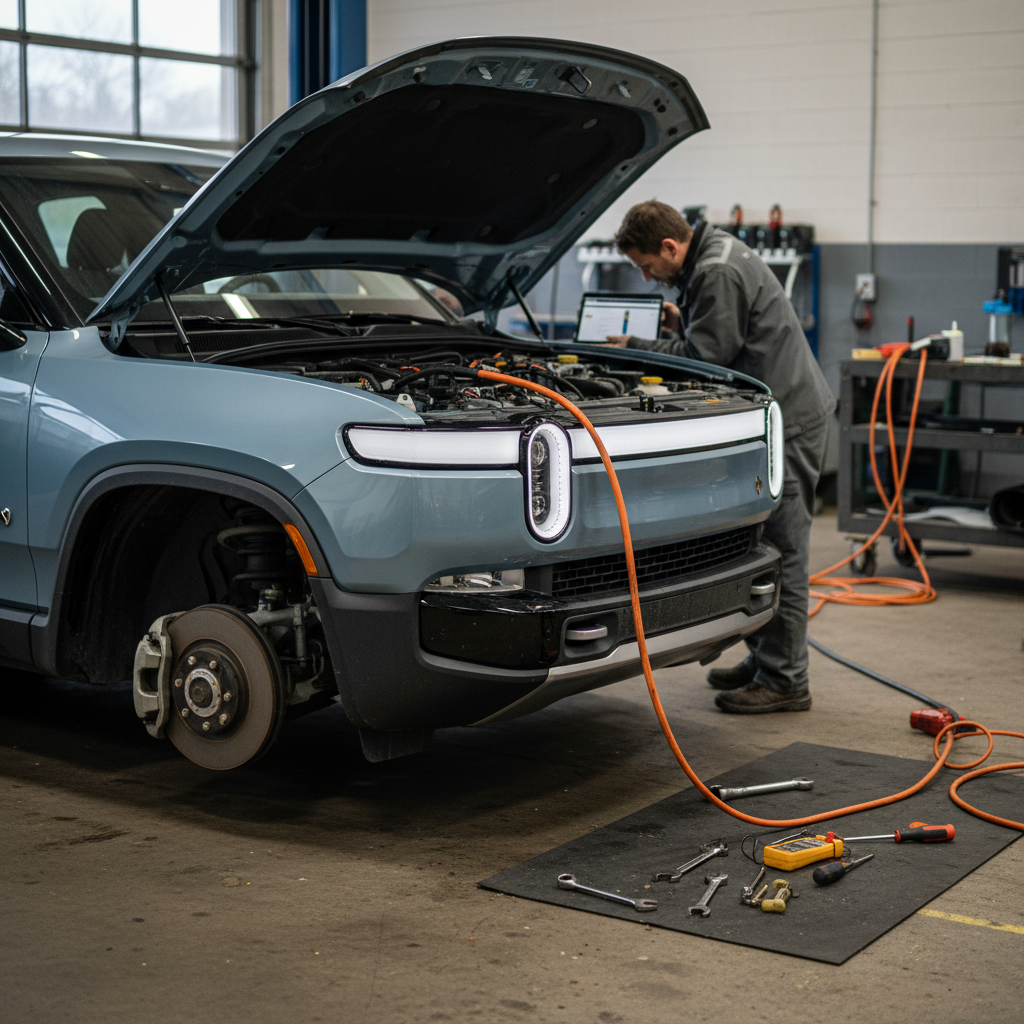
Spend a few minutes with your owner’s manual to understand where the orange high-voltage cables run and what the warning icons mean. You should never touch, repair, or modify these components yourself.
2. Use quality charging equipment
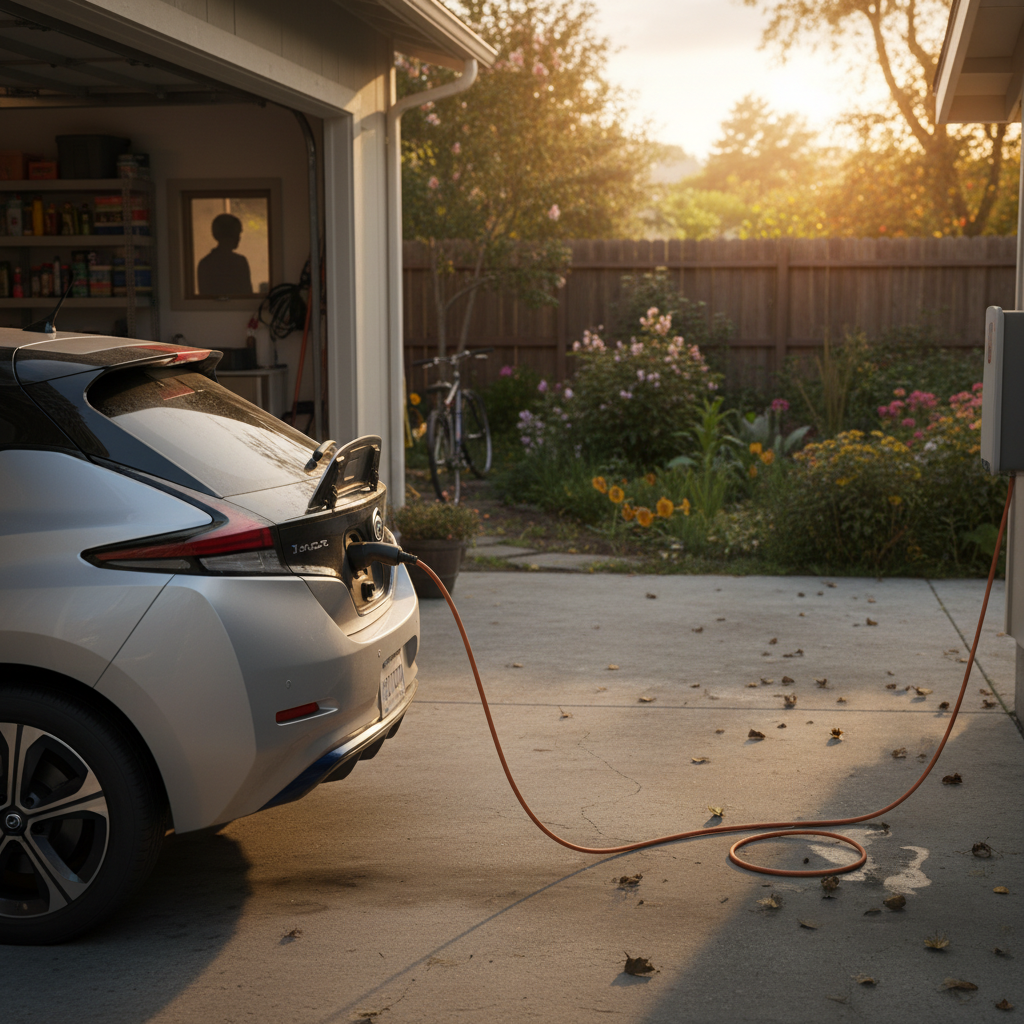
Stick with the charging cable that came with the car or a reputable, UL‑listed Level 2 charger. Avoid no‑name adapters or hacked cables that bypass built‑in safety features.
3. Treat charging cables like fuel hoses
Inspect connectors and cables occasionally for damage, keep them off the ground when possible, and don’t drive over them. If a connector is cracked, scorched, or loose, stop using it and get it inspected.
4. Be smart about parking after a crash
If your EV has been in a serious collision, don’t park it in a closed garage until it has been inspected. High‑voltage components may be damaged even if the car still drives.
5. Respect water hazards
Driving through regular rain is fine; charging in the rain is fine. But if floodwaters are high enough to reach the underbody or battery area, avoid driving through, and if your EV has been submerged, have it towed and inspected.
6. Keep software updated
Many EV safety fixes, airbag logic, traction control tuning, charging safeguards, arrive as over‑the‑air updates. Don’t ignore update prompts, and schedule them when you can park the car safely.
How Recharged helps
Ready to find your next EV?
Browse VehiclesSafety checklist for buying a used EV
Used EVs are where safety knowledge really pays off. You’re not just checking for worn tires and bad brakes, you’re evaluating battery health, advanced driver-assistance systems, and whether the car has ever suffered the kind of damage that could compromise its high-voltage pack.
Used EV safety factors to compare
Key checks you should make before committing to a pre‑owned electric vehicle.
| Safety factor | What to look for | Why it matters |
|---|---|---|
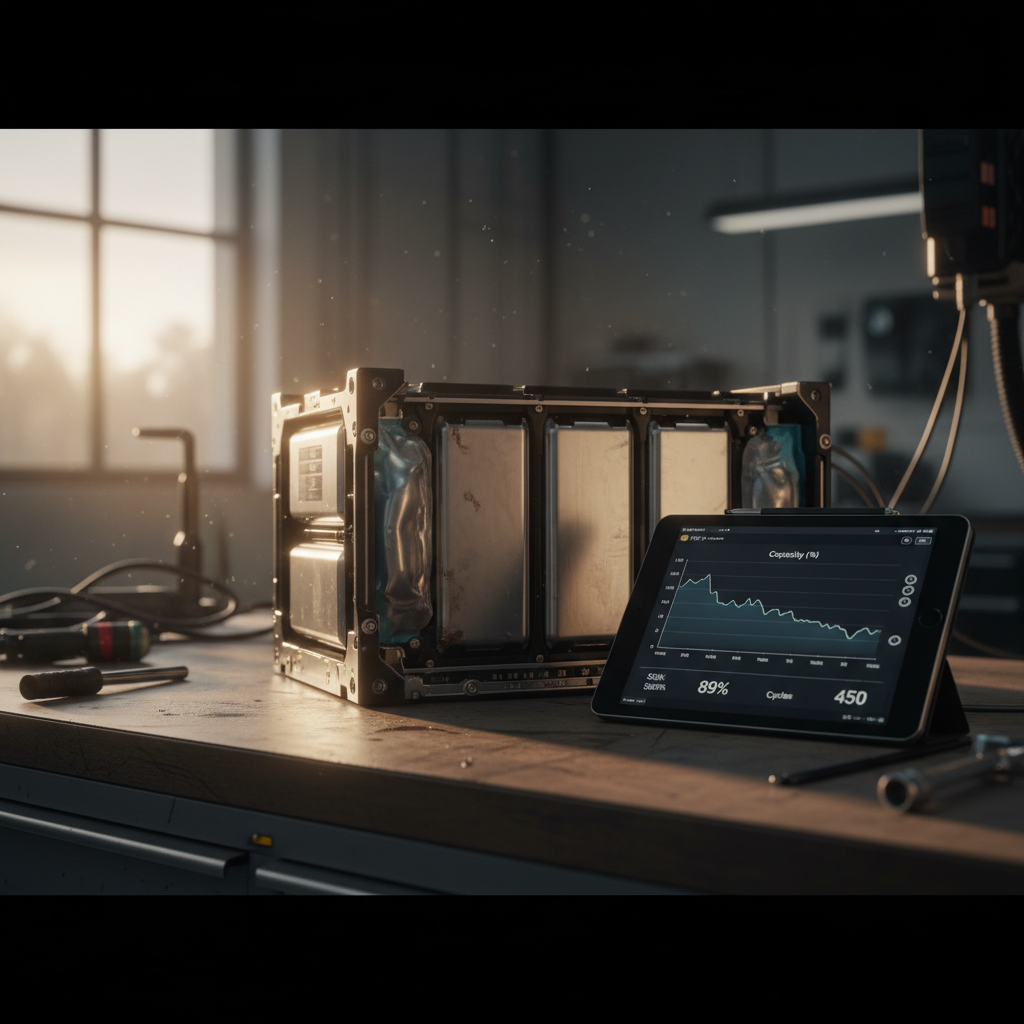
| Battery health | State-of-health report (% of original capacity), no rapid unexplained drop | Severely degraded or unstable packs can run hotter, trigger limits, or be more vulnerable if damaged. |
| Crash history | Verified accident reports, structural repairs, airbag deployments | Major repairs near the battery pack or front crash structures deserve extra scrutiny. |
| Water or flood damage | Title history, corrosion under seats or in connectors | Flooded EVs can have hidden high‑voltage damage that increases fire risk. |
| Open safety recalls | NHTSA lookup and OEM recall tools | Unaddressed recalls for airbags, steering, or battery systems are red flags. |
| Driver-assist calibration | Camera and radar alignment after windshield or body repairs | Misaligned sensors can reduce the effectiveness of AEB and lane-keeping systems. |
| Charging behavior | Consistent DC fast‑charge speeds, no frequent charge errors | Persistent charging faults can hint at pack or onboard charger issues. |
At Recharged, these checks are built into our inspection and Recharged Score process so you get a clearer view of long‑term safety and reliability.
Quick used EV safety checklist
Ask for a battery health report, not just a range estimate
A dashboard range guess on a warm day tells you very little. Look for a <strong>measured state of health</strong> and charge history instead.
Verify recall status by VIN
Use NHTSA’s website or the manufacturer’s app to check for open safety recalls. Don’t assume previous owners took care of them.
Inspect underbody and pack area
Have a technician check for scrapes or impacts near the battery pack, especially on low‑slung EVs that may have hit curbs or road debris.
Confirm driver-assist features work as designed
Test adaptive cruise, lane keeping, and camera systems on a safe road. Any warning lights or erratic behavior deserve diagnosis before you buy.
Prefer transparent sellers
Dealers who provide full inspection reports, scan results, and battery data, like Recharged does with its <strong>Recharged Score</strong>, are signaling they take EV safety seriously.
EV safety for first responders and crashes
One under‑appreciated aspect of electric vehicle safety is how they behave in emergencies. U.S. regulators and automakers have spent years working with fire departments and towing companies to create procedures for disabling high‑voltage systems and dealing with the rare but challenging battery fire.
- In a serious crash, most EVs automatically open high‑voltage contactors and cut power to the motor and accessories.
- Bright orange high‑voltage cables and standardized labels help rescuers avoid dangerous cuts when extricating occupants.
- Fire departments increasingly carry specialized guidance for each model, including where to safely jack, cut, and cool an EV after a fire.
- Towing an EV on its drive wheels can damage motors or drivetrains; flatbed towing is usually recommended, check your owner’s manual.
What you should do after a crash
EV safety FAQ
Common EV safety questions
The bottom line on EV safety
When you strip away both the hype and the fear, the story of EV safety is encouragingly boring. Electric vehicles must meet the same regulatory standards as gas cars, and in many ways, from rollover resistance to fire incidence, they outperform the internal‑combustion status quo. The genuine risks that remain are manageable: heavy vehicles that demand respect, batteries that dislike abuse and floods, and driver-assistance systems that work best when you remember they are not self‑driving.
If you’re shopping for a used EV, the smartest move is to combine this big‑picture understanding with vehicle‑specific data: crash tests, recalls, and especially battery health. That’s exactly what Recharged’s Recharged Score Report is built to provide, along with EV‑specialist support from search to delivery. The end result isn’t just a cleaner car, it’s a clearer, more confident answer to the question that really matters: "Is this EV safe for me and my family?"