If you’re shopping for the best used electric car for people who hate gas stations, you’re not just “EV-curious.” You’re done with oil changes, fuel prices, and standing under flickering fluorescent lights at 10 p.m. What you want is a car you can plug in at home (or charge efficiently in public) and then mostly forget about.
Why a used EV fits this perfectly
Who this guide is for (and what “hating gas stations” really means)
There are a few different “I hate gas stations” personalities, and the right used EV depends on which one you are:
- You hate the time suck: detours, lines, and standing at the pump.
- You hate the smell and mess: fumes, drips, oily pump handles.
- You hate the surprise bills: $70–$120 swings in your monthly budget.
- You hate the maintenance: oil changes, tune-ups, emission tests.
If your goal is to treat charging like charging your phone, plug in at home or while you’re doing something else, then you want an EV that fits your daily routine, not just the biggest battery you can afford.
Quick mindset shift
What makes a used EV perfect for people who hate gas stations
4 qualities that matter more than hype specs
If you want to avoid gas stations, judge used EVs on these first.
Real usable range
Fast, convenient charging
Proven battery health
Low running costs
Specs vs. reality
Best used electric cars for people who hate gas stations
Below are used EVs that consistently combine solid range, efficient charging, and good long‑term battery performance. I’ll focus on models widely available in the U.S. used market as of 2026, with realistic budgets in mind.
Snapshot: top used EV picks for gas‑station haters
Compare range, charging speed, and typical used pricing at a glance.
| Model | Typical Used Years | EPA Range (mi) | DC Fast Charging | Why it suits gas‑station haters |
|---|---|---|---|---|
| Tesla Model 3 Long Range RWD/AWD | 2018–2022 | 310–358 | Yes (Supercharger + CCS/NACS) | Long real‑world range, huge fast‑charge network, minimal stops on road trips. |
| Hyundai Kona Electric | 2019–2023 | 258 | Yes | Extremely efficient; stretches every kWh, great for commuters who plug in at home. |
| Chevrolet Bolt EV / EUV | 2017–2023 | 238–259 | Yes (later years faster) | Affordable, simple, and efficient with enough range for most weekly driving. |
| Hyundai Ioniq Electric (38 kWh) | 2020–2022 | 170 | Yes | Ultra‑efficient city and suburban EV for drivers with moderate daily mileage. |
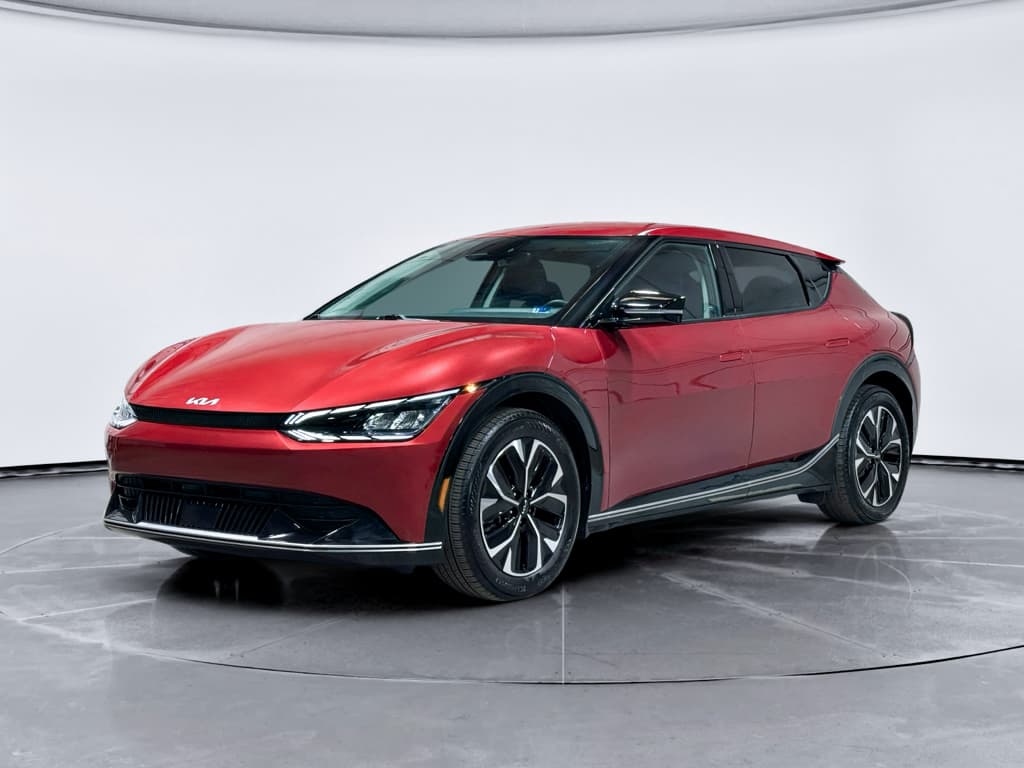
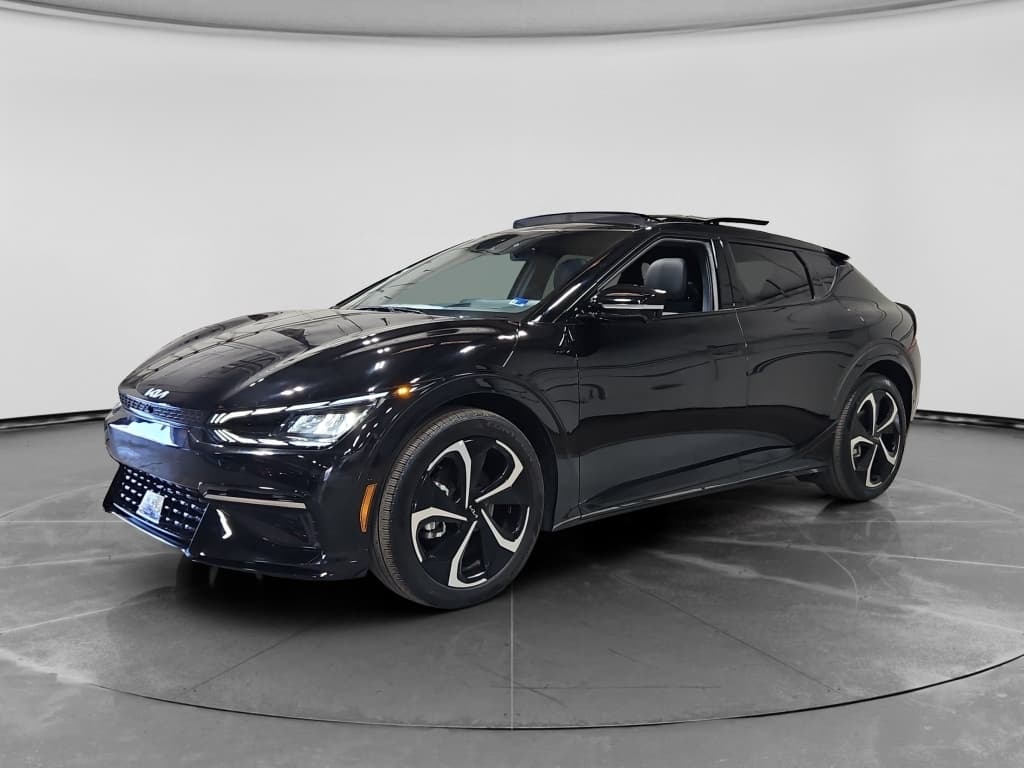
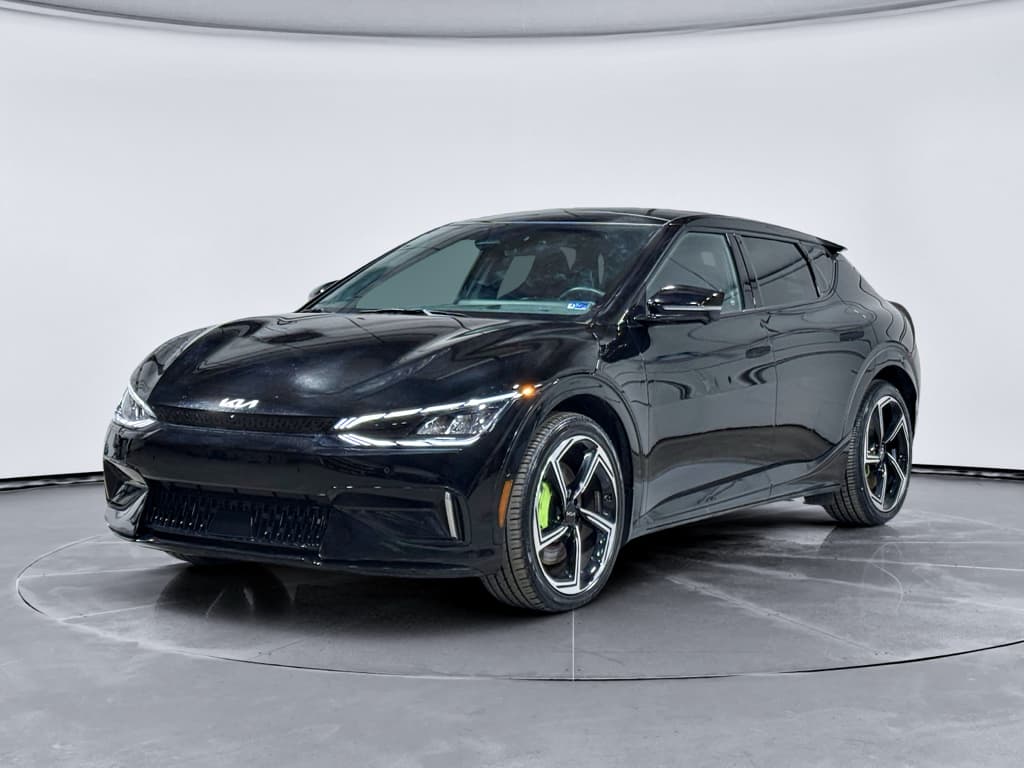
| Kia EV6 (Long Range RWD) | 2022–2024 | 310–310 | Yes (very fast) | Road‑trip capable with some of the fastest charging in the used market. |
| Tesla Model Y Long Range | 2020–2023 | 316–330 | Yes | If you want space and to avoid gas stations for the whole family. |
Approximate ranges are EPA ratings when new; real‑world range will vary with age, climate, and driving style.
Tesla Model 3 Long Range: The easy button for skipping gas stations
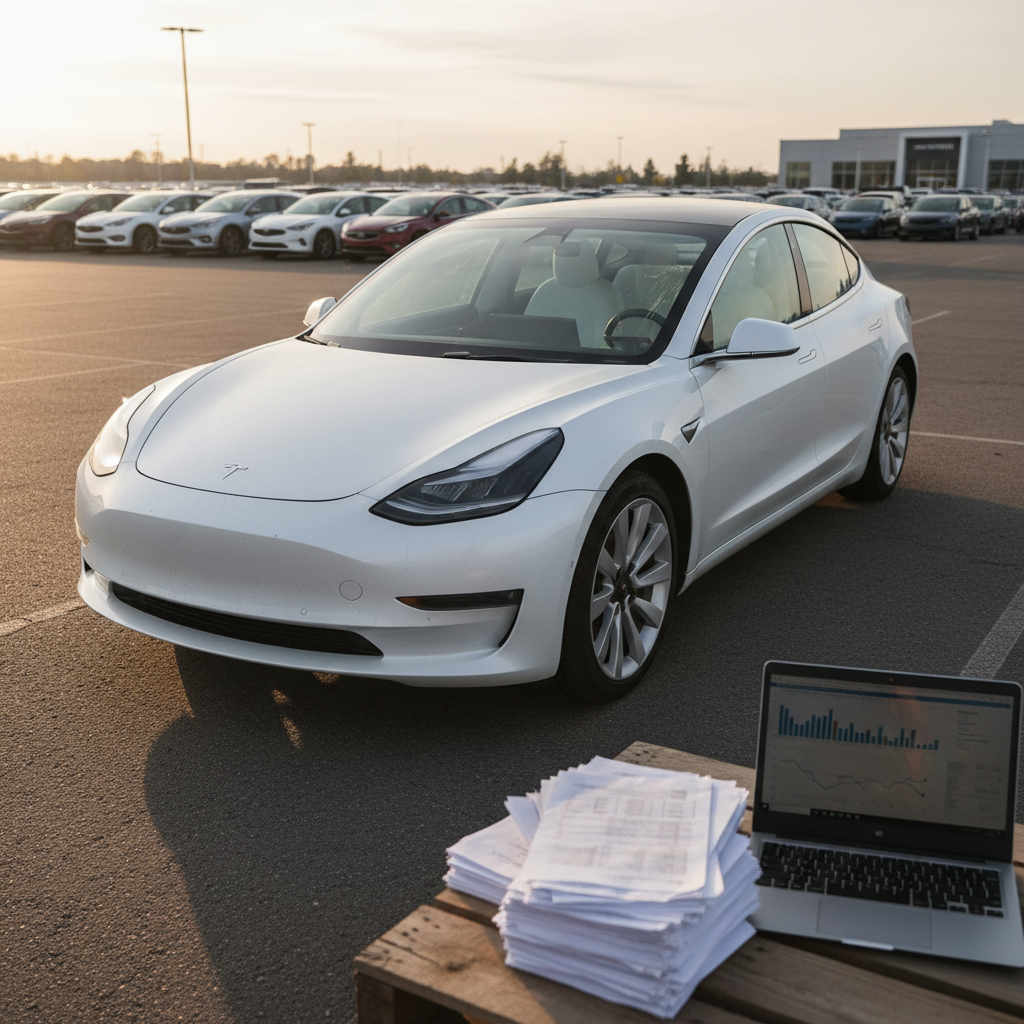
If you want to go from gasoline to “I barely think about energy at all”, a used Tesla Model 3 Long Range is still the most seamless choice for many U.S. drivers. Early Long Range models offered around 310 miles of EPA range; newer ones stretch above 350 miles. In practice, most owners comfortably run 220–260 miles between charges even with some battery aging.
- Access to Tesla’s Supercharger network with dense coverage on major U.S. routes.
- Fast DC charging, often adding 150+ miles in 15–20 minutes on newer stations.
- Well‑developed route planning in the car and app, so you don’t micromanage charging stops.
- Strong real‑world battery durability in most climates when properly cared for.
Who it’s best for
Hyundai Kona Electric: Efficiency king for daily drivers
Independent testers continue to rank the Hyundai Kona Electric as one of the most efficient EVs on the road. That means even with a smaller battery than some competitors, it squeezes impressive real‑world range from every kWh.
- EPA range around 258 miles when new, with many owners seeing excellent real‑world results in city driving.
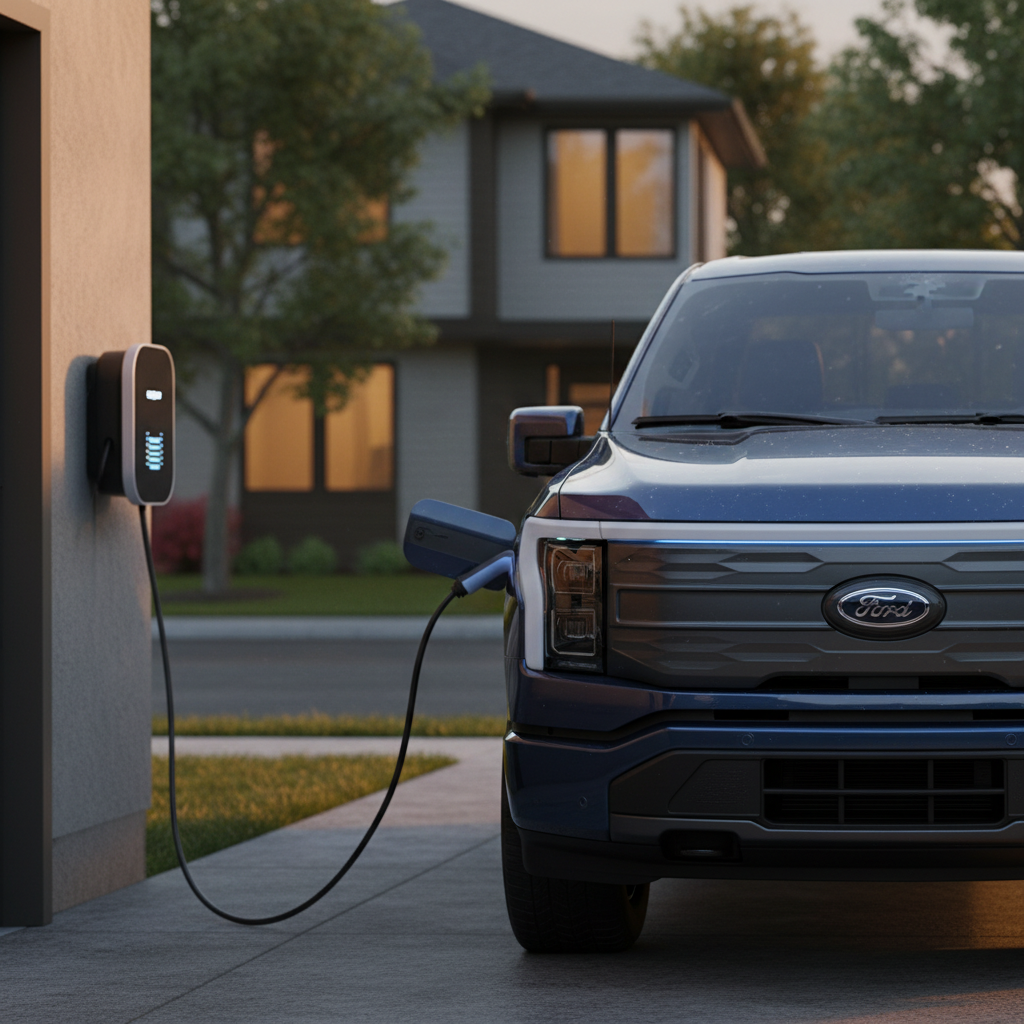
- Level 2 home charging easily fills the battery overnight, even from low states of charge.
- Compact footprint but usable hatchback space, ideal for commuters and small families.
- Generally strong reliability and battery performance data in temperate climates.
Best for home chargers
Chevrolet Bolt EV / EUV: The budget hero
Thanks to heavy depreciation and large new‑car discounts before it was discontinued, the Chevy Bolt EV and Bolt EUV have become some of the best values in the used EV market. You get real‑world range in the 200‑mile neighborhood, straightforward controls, and relatively low running costs.
- EPA range around 238–259 miles, plenty for most daily and weekly driving.
- DC fast charging available on most models, handy for occasional trips.
- Good efficiency, especially at city speeds, keeps electricity costs low.
- Later battery replacements on recall cars mean some Bolts have effectively “younger” packs.
What to double‑check on a used Bolt
Hyundai Ioniq Electric: For short‑trip drivers who want maximum simplicity
If you mainly run short errands, commute in town, or work from home, the Hyundai Ioniq Electric (especially the later 38 kWh version) can be a brilliant fit. It doesn’t chase giant range numbers; instead it focuses on extreme efficiency.
- EPA range around 170 miles for the 38 kWh version, stretched by outstanding efficiency.
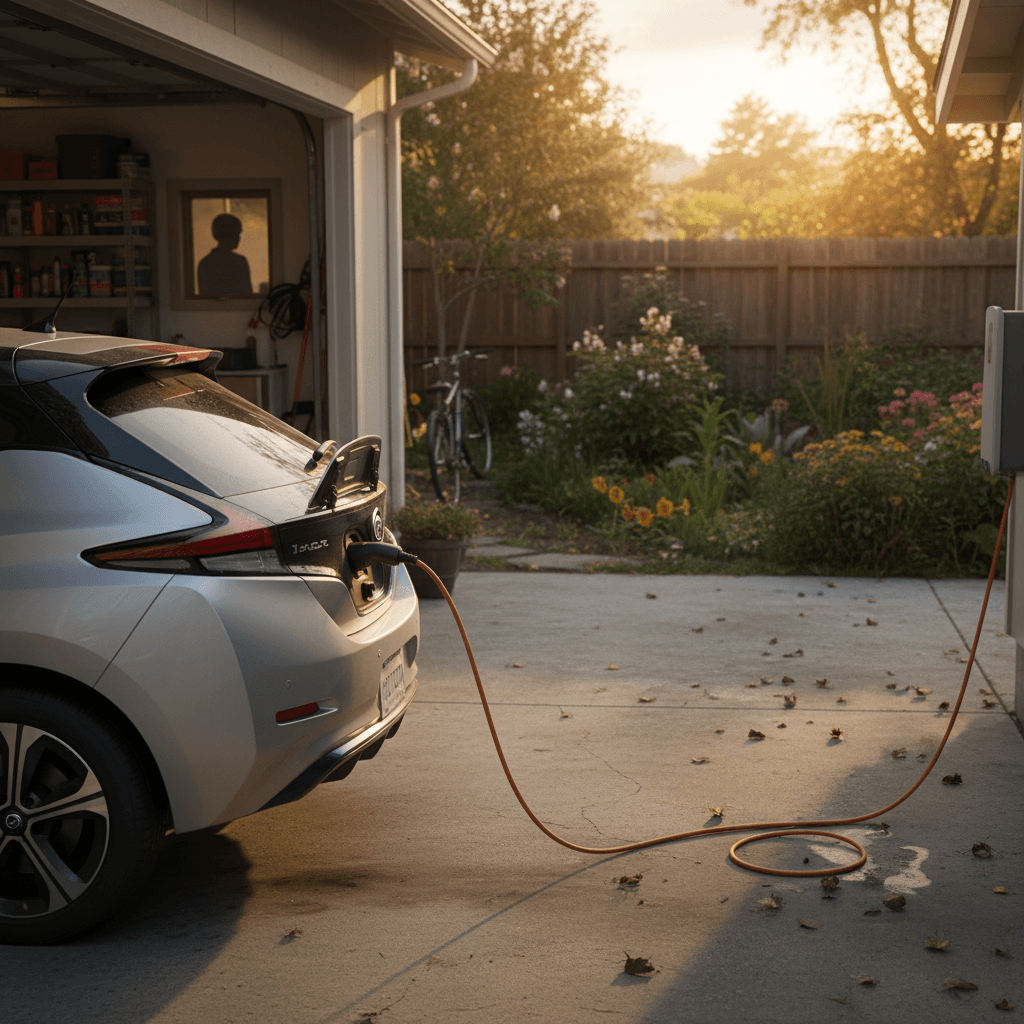
- Easy to fully recharge overnight on a 240V Level 2 charger, even from low states of charge.
- Compact size and light steering make it a city‑parking dream.
- Generally lower purchase prices than long‑range EVs, freeing budget for a high‑quality home charger.
Know your daily miles
Kia EV6 & Tesla Model Y: For families who want to skip gas stations together
Need more space but still want to avoid gas stations entirely? Two standouts on the used market are the Kia EV6 (especially Long Range RWD trims) and the Tesla Model Y Long Range.
Kia EV6 Long Range
- RWD long‑range models around 310 miles EPA.
- Some of the fastest DC charging in the used market, ideal for road trips.
- Spacious interior with modern tech and good driving dynamics.
- Works well for families who road‑trip a few times a year but mostly charge at home.
Tesla Model Y Long Range
- EPA range in the 316–330 mile range for many trims.
- Access to the Supercharger network plus growing CCS/NACS support for non‑Tesla networks.
- Lots of cargo space and an easy‑to‑use infotainment system.
- For many households, it replaces both the family SUV and the gas station.
When to step up to these
Best choices if you don’t have home charging
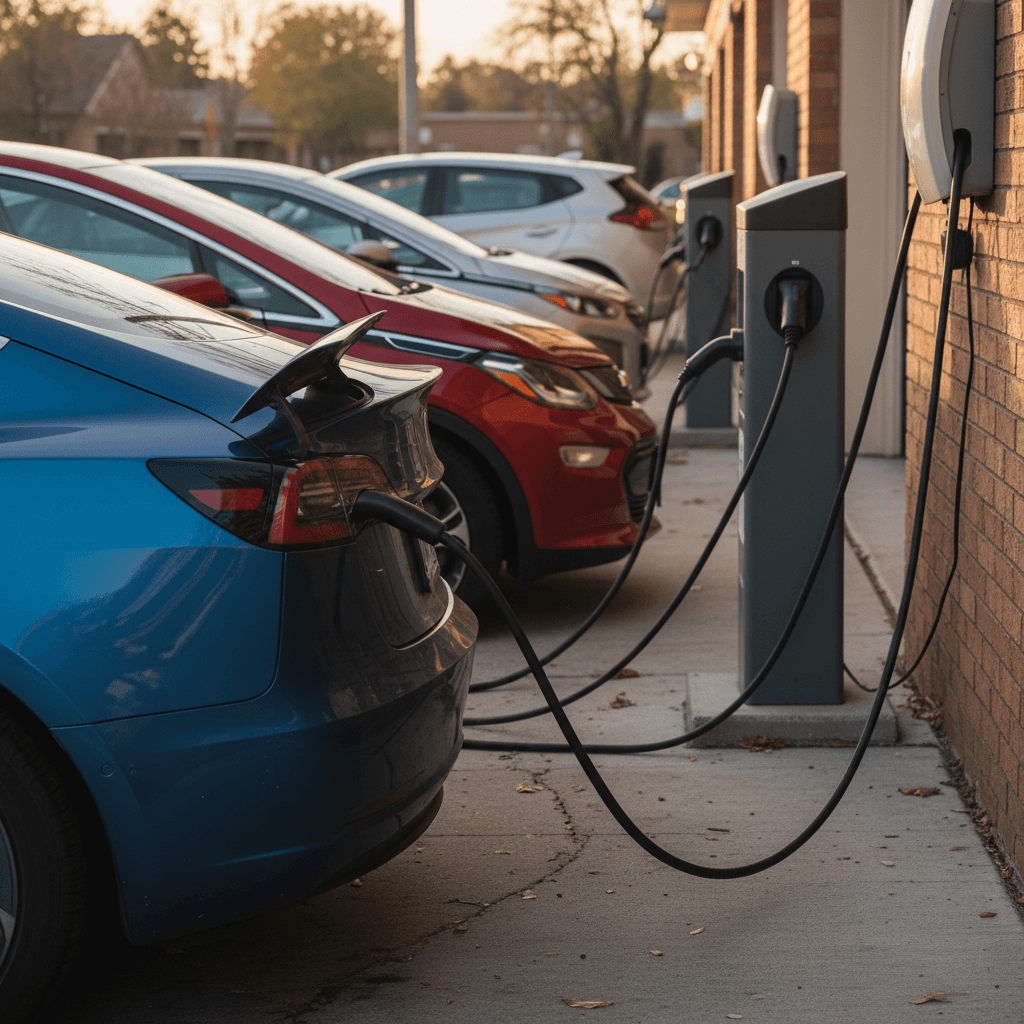
No driveway? You can still avoid gas stations, but you have to be more strategic. For apartment dwellers and renters, you’re relying on workplace charging, public Level 2, and DC fast charging.
Used EVs that work better without home charging
You’ll lean on public chargers, so prioritize fast charging and efficiency.
Tesla Model 3 / Y
Kia EV6
Hyundai Kona Electric
How to tell if “EV without home charging” will work
Battery health: how to avoid swapping gas stress for range anxiety
The biggest fear with used EVs is buying a car whose battery is already tired. The good news: recent studies of real‑world fleets show that many modern EVs lose capacity much more slowly than early skeptics predicted, often just a couple percent per year when treated reasonably. The bad news: you still need a clear, independent picture of this specific car’s battery.
Used EV battery health at a glance
Don’t rely on the dash alone
Every vehicle sold through Recharged includes a Recharged Score battery health report, based on direct diagnostics, not just what the dash says. That lets you compare two used EVs the way you’d compare two phones with different remaining battery life, and it’s a big reason used EVs can be a smart, low‑stress buy.
Running costs: how much you’ll actually save by skipping the pump
If you’re getting away from gas stations, part of the motivation is cost. A well‑chosen used EV can dramatically flatten your monthly transportation bills, especially if you can charge at home on a standard residential rate.
Energy cost per mile
- Many efficient EVs (Kona Electric, Ioniq Electric, Bolt) use around the energy equivalent of 100–120 MPGe in mixed driving.
- At typical U.S. residential electricity prices, that often works out to roughly 3–5 cents per mile.
- A comparable gasoline car at 30 MPG with $3.50/gal fuel runs closer to 11–12 cents per mile.
Maintenance savings
- No oil changes, spark plugs, timing belts, or emission checks.
- Brake wear is lower thanks to regenerative braking.
- You still have tires, cabin air filters, and occasional coolant or brake fluid service, but far fewer surprise shop visits.
Why a used EV can be a value play
Used EV checklist for people who hate gas stations
8‑point checklist before you buy a used EV
1. Confirm your daily and weekly mileage
Track your driving for a week or two. If your typical day is under 80–120 miles and you have regular access to charging, you don’t need a 400‑mile monster to avoid gas stations.
2. Match the car’s range to your routine
Choose a car where <strong>normal use rarely takes you below 20% charge</strong>. That’s the difference between relaxed EV ownership and constantly eyeing the gauge.
3. Get a real battery health report
Ask for third‑party battery diagnostics, not just “it feels fine.” With Recharged, every car includes a <strong>Recharged Score</strong> report that quantifies remaining capacity and flags outliers.
4. Verify DC fast‑charging works
If you plan to road‑trip or rely on public chargers, confirm the car has DC fast‑charging hardware and that it works as expected. A short test session at a fast charger is ideal.
5. Check charging port and cables
Inspect the charge port for damage or corrosion. Make sure the seller includes the portable Level 1/Level 2 cord (if originally supplied) and that it works.
6. Review software, recalls, and warranties
On cars like the Chevy Bolt, verify that all <strong>battery‑related recalls</strong> and software updates are complete. For Teslas, confirm which software features transfer with the car.
7. Look at tire wear and alignment
EVs are heavy. Uneven tire wear can hint at alignment issues or a hard‑driven life. It’s not a dealbreaker, but it’s a negotiation point for price.
8. Test how it fits your charging life
On your test drive, visit a local charger you’d actually use. How easy is it to plug in, start a session, and occupy that spot? If it feels like a chore today, it’ll feel worse in six months.
Common mistakes to avoid when buying a used EV
- Buying purely on price without checking battery health. That “great deal” can become a short‑range headache.
- Ignoring your local charging reality. A great car with bad infrastructure around you is a bad fit.
- Over‑ or under‑buying range. Paying thousands extra for range you never use, or buying too little and living stressed.
- Assuming every EV is a good road‑trip machine. Many are optimized for commuting, not 600‑mile days.
- Skipping a proper inspection. EVs have fewer moving parts, but they still need a thorough used‑car check.
Don’t romanticize the wrong car
FAQ: Best used electric cars for people who hate gas stations
Frequently asked questions
Bottom line: which used EV is best for you?
If you hate gas stations, the best used electric car is the one that lets you treat energy like a background task. For many drivers in the U.S., that’s a Tesla Model 3 Long Range or Model Y Long Range, thanks to their mix of range and charging access. If you’re more budget‑sensitive but can charge at home, the Hyundai Kona Electric, Chevy Bolt, and Hyundai Ioniq Electric deliver plenty of real‑world range with lower purchase prices.
Whichever route you choose, the key is matching the car to your actual life, your miles, your climate, your charging options, and backing it up with a trustworthy battery health report. That’s exactly why Recharged bundles every used EV with a Recharged Score, transparent pricing, and EV‑specialist guidance from first click to delivery. Do that homework once, and your reward is years of driving past gas stations without a second thought.