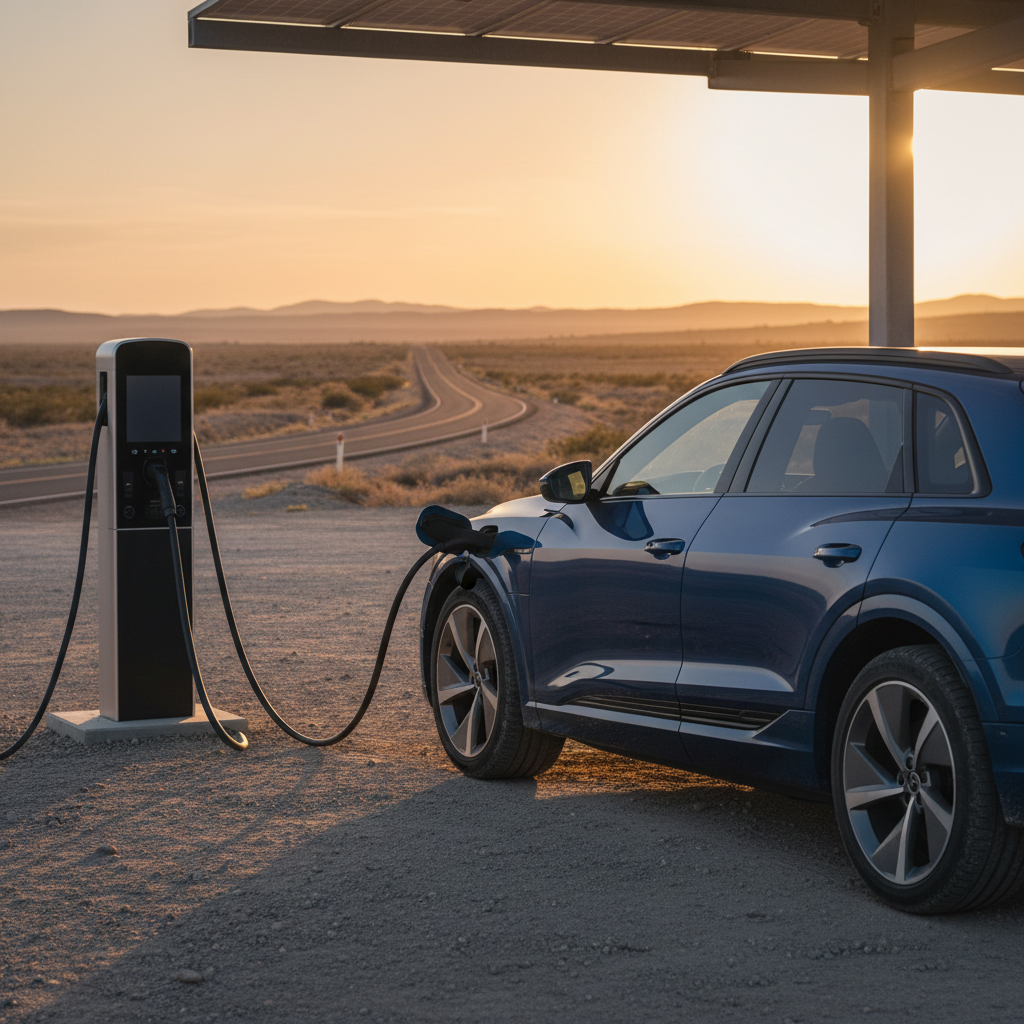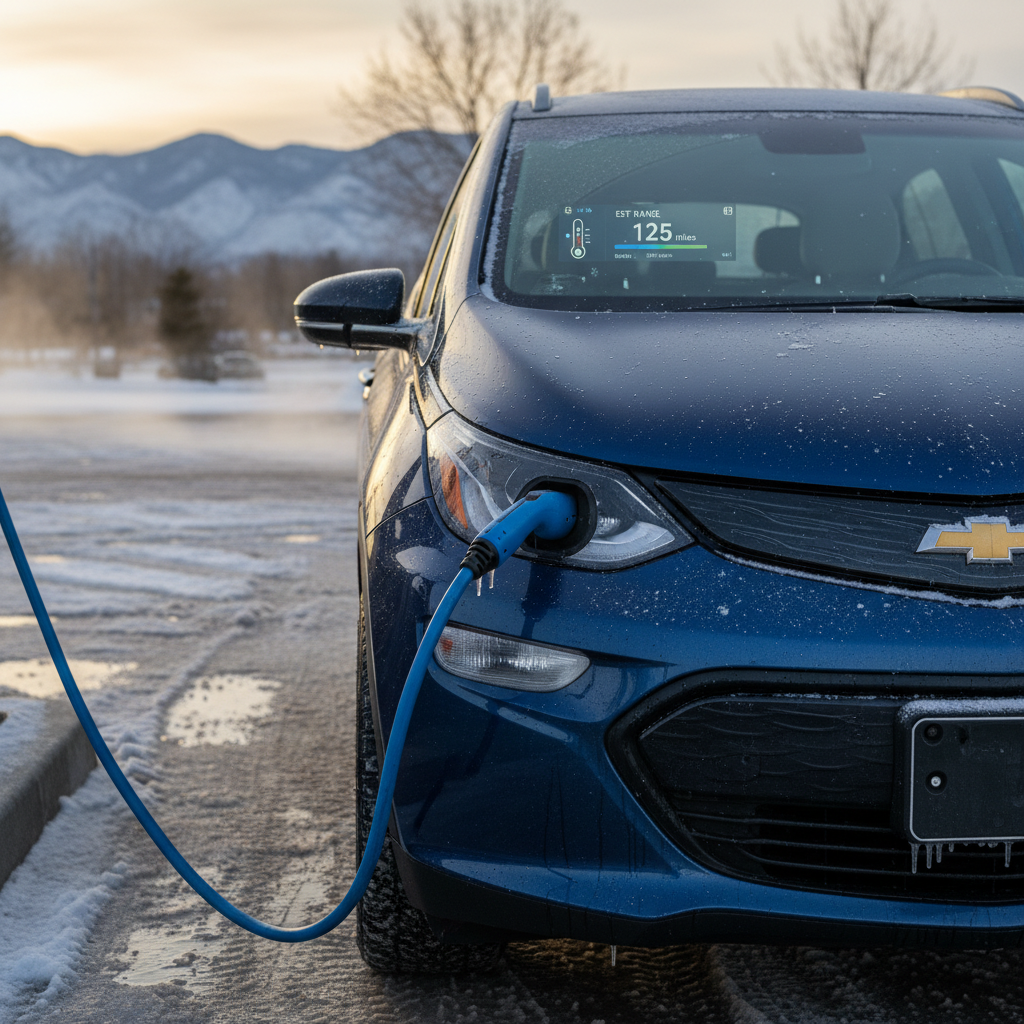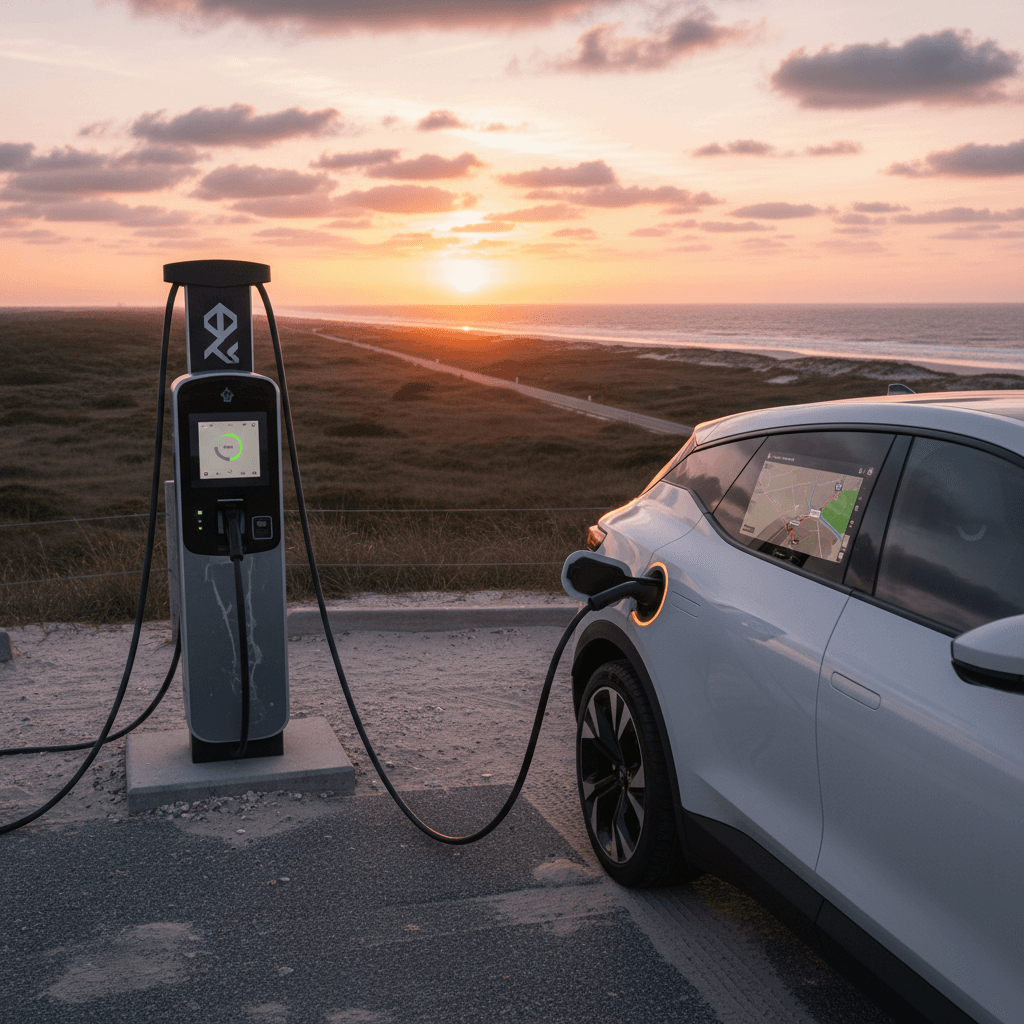
Driving an EV road trip from Virginia to Florida is absolutely doable today, and, with a little planning, it can be every bit as easy as a gas‑car drive. The I‑95 corridor is now a designated EV charging corridor, with dozens of DC fast‑charging hubs in Virginia, the Carolinas, Georgia, and Florida. In this guide, we’ll walk through the best routes, charging networks, tools, and real‑world tips so you can head south with confidence.
Good news for East Coast EV drivers
Why Virginia to Florida is a great EV road trip
Depending on where you start and end, a Virginia‑to‑Florida EV road trip typically runs 700–900 miles one way. From the Richmond, VA, area to Jacksonville, FL, you’re looking at roughly 600 miles; to Orlando, about 800; to Miami, closer to 1,000. That’s a full day and a half of driving if you like to stop, stretch, and actually enjoy the trip.
- I‑95 is now an established EV charging corridor with multiple fast‑charging networks at many exits.
- Major metros like Richmond, Fayetteville, Savannah, Jacksonville, Orlando, and Miami have dense charging coverage.
- Weather is generally mild outside of summer heat and occasional storms, which helps range compared with winter driving.
- Plenty of food, hotels, and attractions sit right off the highway, so you can pair charging stops with real breaks instead of parking‑lot loitering.
Comfortable daily distance
Mapping your route: I‑95 and EV‑friendly alternatives
For most drivers, the spine of an EV road trip from Virginia to Florida is still Interstate 95. It keeps you close to dense charging and services almost the entire way. You may occasionally peel off onto beltways or connectors (I‑295 around Richmond or Jacksonville, I‑295 near Washington, DC, if you’re starting farther north), but 90% of the drive is I‑95.
1. Fastest: Straight down I‑95
This is the default for most EVs:
- Richmond, VA → Fayetteville, NC → Florence, SC → Savannah, GA → Jacksonville, FL → Orlando/Miami.
- Best for: EVs with solid DC fast‑charging capability (100 kW+ peak) that can comfortably go 180+ miles between top‑ups.
2. More scenic: Coastal detours
If you’re not in a hurry:
- Hop off I‑95 toward Wilmington, NC, Charleston, SC, or the Georgia coast.
- Use destination Level 2 charging at hotels and attractions and fast‑charge when you rejoin I‑95.
- Best for: Drivers who don’t mind trading some speed for scenery.
Watch construction and holiday traffic
Charging networks along I‑95 from Virginia to Florida
From Virginia through Florida, you’ll see multiple major charging brands. Think of them as overlapping safety nets. The I‑95 corridor now hosts dozens of DC fast‑charging sites in each state, with Virginia carrying 40+ fast‑charging locations and Florida 120+ along the corridor alone.
Major charging networks on the Virginia–Florida I‑95 corridor
Most EV drivers will mix and match these on a long trip.
Tesla Supercharger
Tesla still has the densest highway network on I‑95, typically with sites every 50–100 miles. Many locations now support non‑Tesla EVs via NACS or Magic Dock, and most new EVs sold from 2025 on will either use NACS natively or ship with an adapter.
Electrify America
Electrify America sites along I‑95 focus on 150–350 kW chargers at travel plazas, malls, and big‑box retailers. For most non‑Tesla EVs, this will be your primary DC fast‑charging network between Virginia and Florida.
ChargePoint & EVgo
ChargePoint and EVgo offer a mix of DC fast and Level 2 at interstate exits and in cities. These are especially handy around metro areas like Richmond, Raleigh, Savannah, Jacksonville, Orlando, and Miami.
Utility & regional networks
Florida’s FPL EVolution network, Georgia Power, and other regional utilities increasingly operate DC fast chargers near I‑95. Prices can be competitive, and reliability is improving year over year.
New ultra‑fast hubs
I‑95 EV corridor snapshot: Virginia to Florida
How often you’ll need to stop (by battery size and range)
Your exact stop pattern depends on your EV’s usable battery size, highway efficiency, and preferred state‑of‑charge buffer. But you can get close with a few simple rules of thumb for a Virginia‑to‑Florida road trip.
Approximate DC fast‑charge stops: Richmond, VA → Orlando, FL (~800 miles)
Assumes moderate weather, 70–75 mph cruising, and arrival at each charger with ~10–15% remaining.
| Realistic highway range | Typical battery size (usable) | Estimated DC fast stops | Notes |
|---|---|---|---|
| 150 miles | 45–55 kWh | 5–6 | Plan a stop roughly every 110–130 miles; ideal for older or smaller EVs. |
| 220 miles | 60–70 kWh | 4–5 | Most mainstream crossovers. Comfortable spacing, with flexibility for food and traffic. |
| 280+ miles | 75–90 kWh | 3–4 | Larger‑battery EVs; you can skip some chargers and choose the best‑located sites. |
Use these as planning baselines, then refine with a trip‑planning app specific to your EV.
Aim for 10–20% on arrival
Best tools and apps to plan your EV road trip
A little time with the right route‑planning tools before you leave can save you a lot of stress on the road. You’re not guessing; you’re rehearsing the drive in advance.
Route‑planning tools worth using
Mix at least one EV‑specific planner with the apps from your main charging networks.
EV‑specific trip planners
- A Better Routeplanner (ABRP): Lets you input your exact EV, driving speed, temps, and more to simulate the drive.
- ChargeHub, EVTripWise, Roadtrippers EV: Show thousands of chargers and help you weave charging into your itinerary.
Network apps
- Tesla app / in‑car nav: For Superchargers and many destination chargers.
- Electrify America, EVgo, ChargePoint: Start sessions, see real‑time status, and check pricing before you pull in.
General navigation
- Google Maps / Apple Maps: Great for traffic and detours.
- Many newer EVs integrate Google‑based routing that will automatically suggest DC fast‑charging stops.
Double‑check recent check‑ins
Sample itineraries: Virginia to Florida in an EV
Let’s look at how a real‑world EV road trip from Virginia to Florida might play out. These are not the only ways to do it, but they’ll give you a feel for pacing, stop spacing, and overnight strategy.
Example: 75–80 kWh crossover (real‑world 250–280 miles) – Richmond, VA → Orlando, FL (~800 miles)
Day 1: Richmond, VA → Savannah, GA (~520 miles)
Leave Richmond with a full battery. Plan 3 DC fast‑charging stops: near Fayetteville, NC; Florence, SC; and somewhere in coastal Georgia. Use dinner‑time charging around Savannah, then overnight at a hotel with Level 2 so you wake up at or near 100%.
Day 2: Savannah, GA → Orlando, FL (~280 miles)
With a full battery, you can often make this with one short DC stop around Jacksonville, FL, or even go straight to Orlando if traffic and weather cooperate. Shift to city driving and slower speeds, which help range.
Optional: Continue to South Florida
From Orlando to Miami is roughly 230–250 miles by I‑95 or Florida’s Turnpike. Most EVs in this class will need one more DC fast charge each way, good news, south and central Florida have some of the highest charger densities on the route.
Example: 50–60 kWh compact EV (real‑world 170–210 miles) – Richmond, VA → Jacksonville, FL (~600 miles)
Plan for 4–5 shorter DC fast stops
Instead of driving 230–260 miles between charges, you might stop roughly every 130–160 miles. Think: Richmond → Fayetteville → Florence → Savannah → Jacksonville, with lunch and dinner aligned to your longer sessions.
Use overnight Level 2 to your advantage
If you break the trip into two days and charge overnight at a hotel in South Carolina or Georgia, you’ll start Day 2 with a full battery, reducing the need for as many DC stops in the heat of the day.
Build extra buffer for weather and traffic
Shorter‑range EVs feel the effects of headwinds, heavy rain, and high A/C use more acutely. Aim to reach each charger with 20% instead of 10% to keep stress levels down.
Managing charging time, costs, and budgets
On a Virginia‑to‑Florida EV road trip, your biggest variables are how long you spend at each charger and what you pay for public fast charging versus home charging.
Charging time: Treat it like a meal break
- 20–30 minutes at a 150+ kW charger is often enough to get you from ~10–20% up to 60–80%.
- Align your longest stops with lunch and dinner at plazas that have restrooms, food, and a place to walk.
- Short 10–15 minute “splash and dash” stops can bridge awkward gaps or unexpected headwinds.
Charging cost: What to expect
- Fast‑charging prices along this corridor typically land around $0.28–$0.40 per kWh, with some utility‑run sites near the low end.
- For an efficient EV, that’s often roughly $20–$35 in fast‑charge electricity per 400–450 miles.
- Memberships with networks like Electrify America or EVgo can shave a few cents per kWh off regular prices.
Budget ballpark
How to prep your EV before you leave
A little preparation before your Virginia‑to‑Florida EV road trip will pay you back several times over once you’re on I‑95. Think of it as a pre‑flight check.
Pre‑trip EV checklist
1. Update software and maps
Make sure your EV’s navigation, charging‑planner, and battery‑management software are current. Many manufacturers push charging‑curve improvements and new station data over‑the‑air.
2. Check tires, brakes, and fluids
Correct tire pressures improve range and safety. Verify that your tires are in good condition for sustained highway speeds, and that your brake fluid and coolant are at recommended levels.
3. Confirm charging equipment and adapters
Bring your Level 1 portable cord, any Level 2 cables you use, and <strong>all relevant adapters</strong> (CCS–NACS, J1772, etc.). If you’re in a Tesla and plan to use non‑Tesla DC fast charging, confirm adapter compatibility and access in advance.
4. Set up accounts and payment
Download the apps and set up payment for your main networks (Tesla, Electrify America, EVgo, ChargePoint, utility networks). You don’t want to be doing account verification on the side of I‑95.
5. Plan your first two charging stops
Even if you like to be spontaneous, lock in at least your first two fast‑charging stops with specific sites and alternatives. That way, your trip starts calm instead of improvisational.
Don’t ignore a weak 12‑volt battery
Roadside backup plans and “what‑if” scenarios
Even with a robust charging corridor, things happen: chargers go offline, storms roll in, or a station is unexpectedly busy. Having Plan B (and C) in your back pocket keeps a small hiccup from derailing your day.
- Always keep at least one backup station in mind within 20–30 miles of your planned stop.
- If a station is busy, consider charging just enough (10–15 minutes) to comfortably reach the next site.
- Pay attention to elevation, headwinds, and heavy rain; all can trim range. If conditions worsen, slow down 5–10 mph and head to the next charger sooner.
- Know how to access your automaker’s roadside assistance number from the vehicle or app in case of a rare out‑of‑charge situation.
Avoid arriving at 0%
Is a used EV road‑trip ready? Battery health and confidence
If you’re driving a used EV from Virginia to Florida, the biggest question is usually, “Can this battery still handle a full day of highway driving?” The answer is often yes, but you want data, not guesses.
Why battery health matters more on long trips
- Degraded packs have less usable capacity, so your real‑world highway range shrinks.
- Some EVs throttle DC fast‑charging speeds if they detect battery issues or excessive wear.
- On a corridor like I‑95, this doesn’t make the trip impossible, but it does change how often you stop.
How Recharged helps you road‑trip with confidence
Every vehicle sold through Recharged includes a Recharged Score Report with verified battery health, so you’re not guessing about degradation or fast‑charging capability. Our EV‑specialist team can help you understand:
- What kind of range to expect at 70–75 mph.
- How quickly a specific model tends to charge on DC fast networks.
- Whether a particular used EV is a good match for regular Virginia–Florida road trips.
If you’re shopping for a used EV specifically to make trips like this, explore our inventory and ask how a given vehicle scored on its battery‑health diagnostics.
FAQ: EV road trip Virginia to Florida
Common questions about driving an EV from Virginia to Florida
Key takeaways before you hit the road
The bottom line: an EV road trip from Virginia to Florida is well within reach for today’s electric cars, especially along the increasingly well‑served I‑95 corridor. With a clear route, a handful of trusted charging apps, and realistic expectations about range and charging time, your drive south can feel more like a series of relaxed legs than an endurance run.
If you’re still in the market for the right EV to make this trip, or you want to be sure your next used EV is genuinely road‑trip ready, Recharged can help. Every vehicle comes with a Recharged Score battery‑health report, transparent pricing, financing options, and expert support from first click to delivery. That way, when you point your EV toward Florida, the only thing you’re thinking about is where to stop for the best coffee, not whether you’ll make it to the next charger.