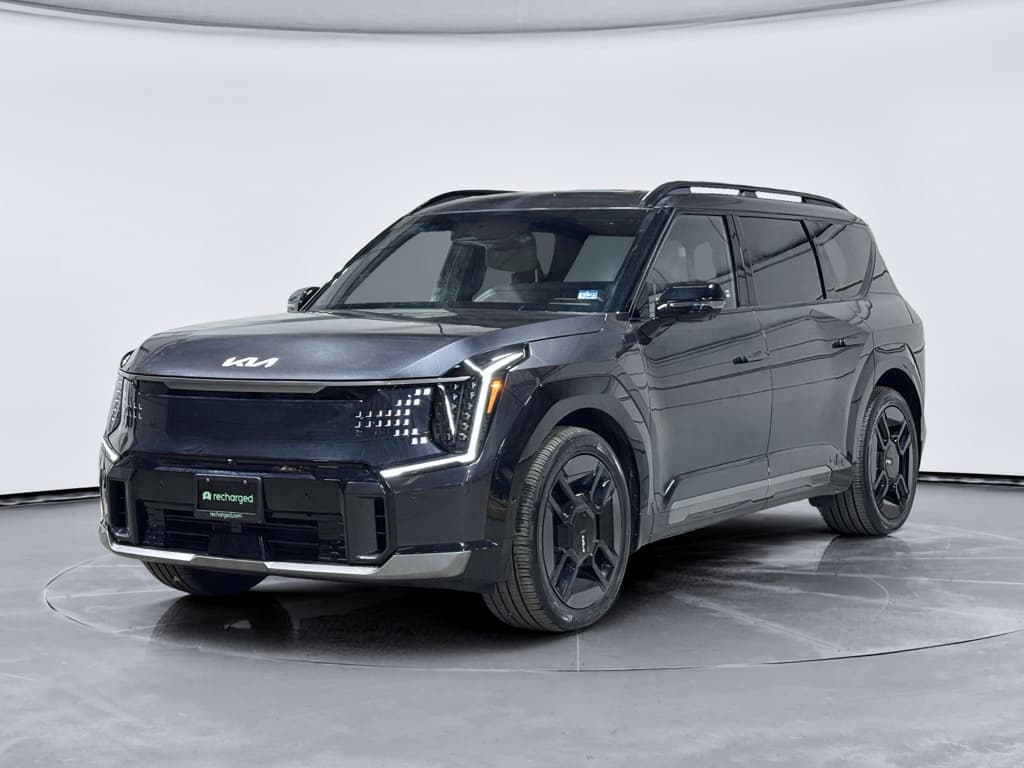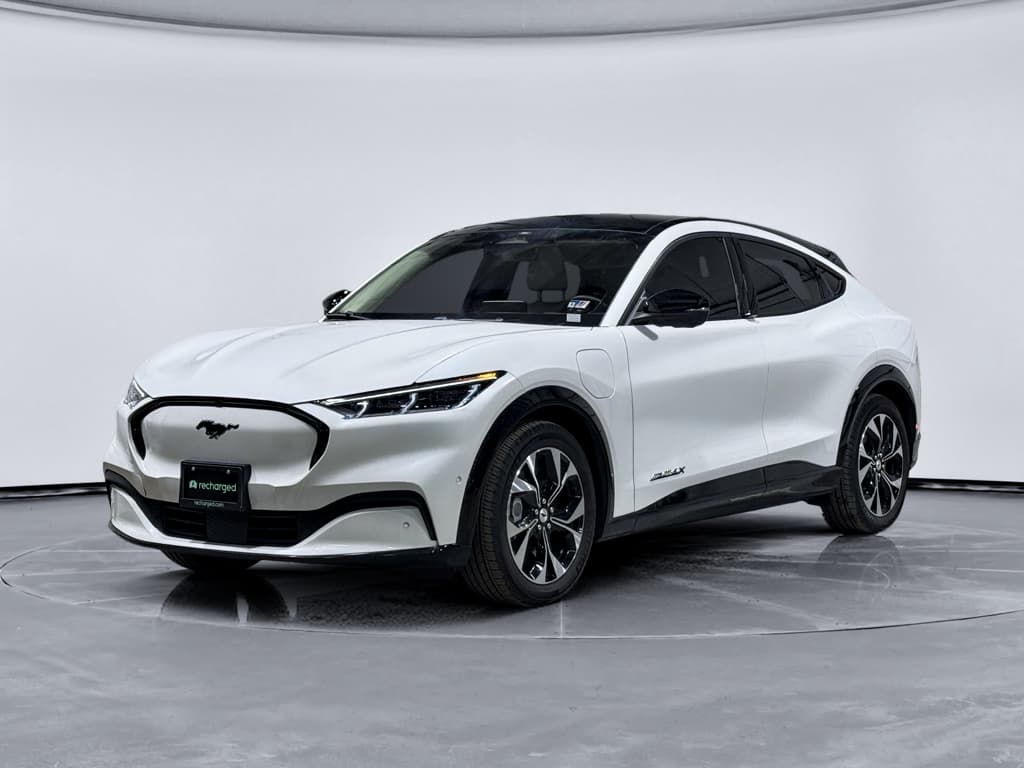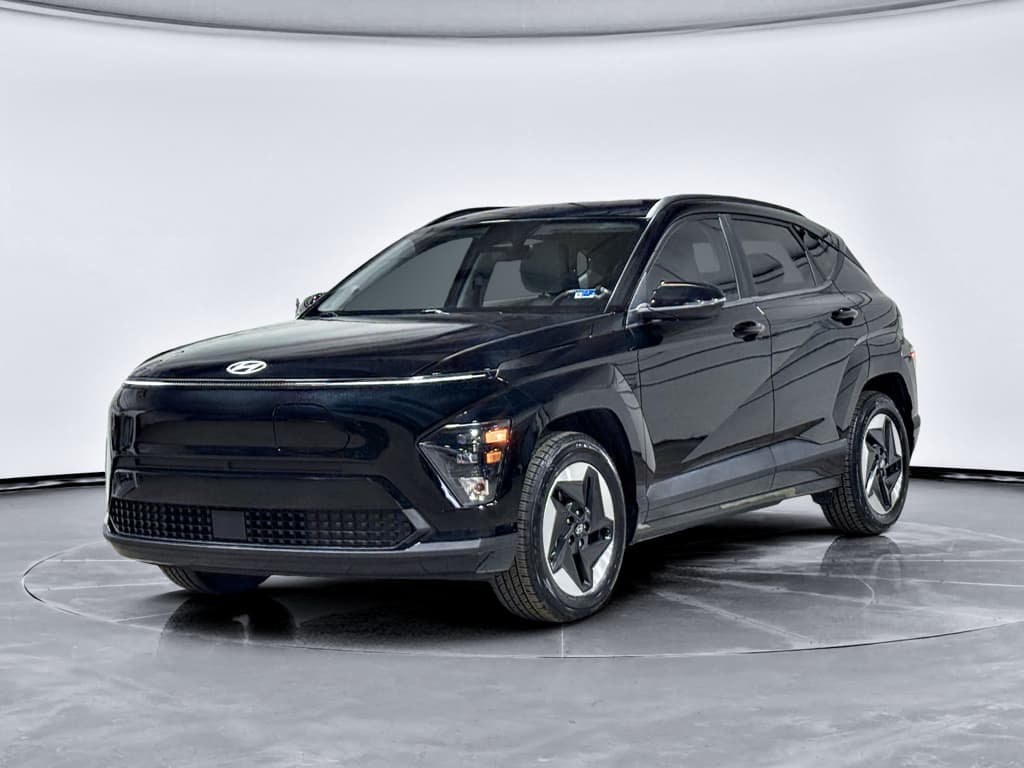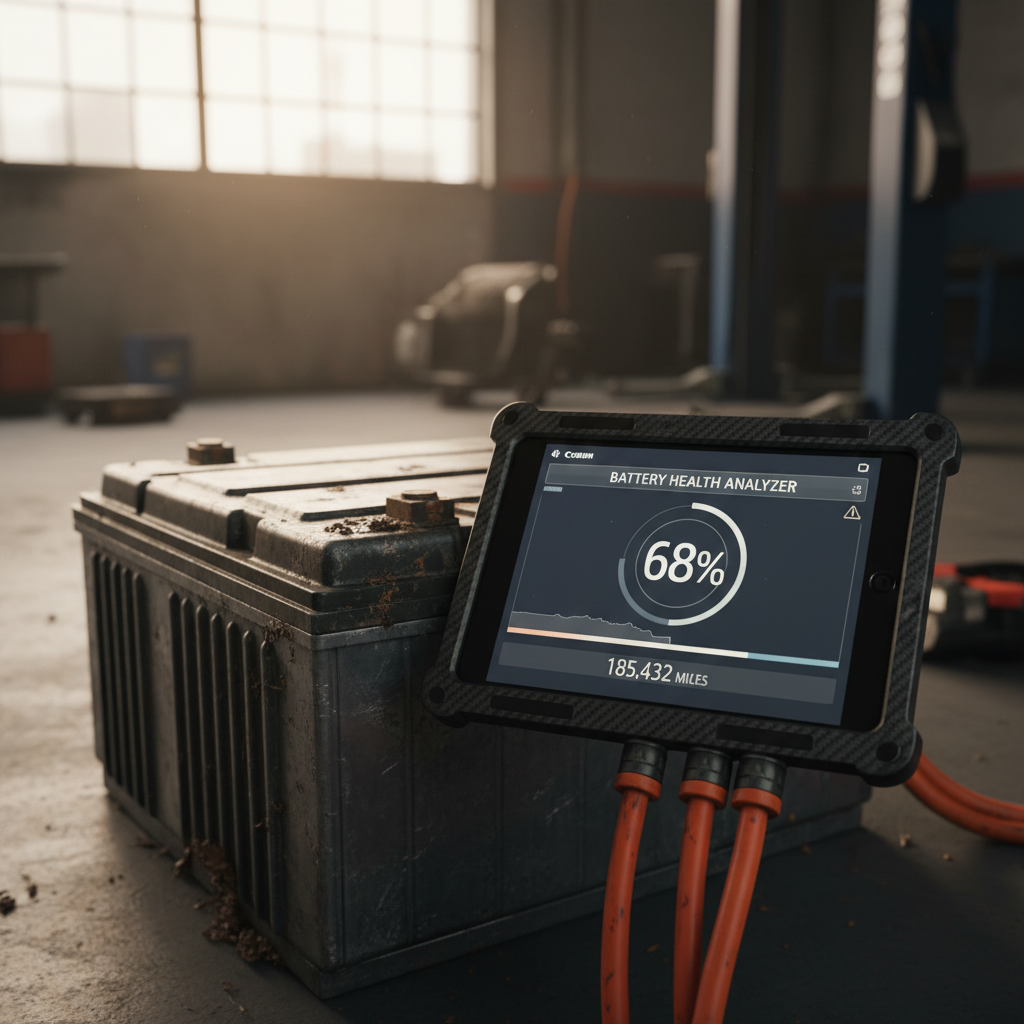
If you live in New York City, **EV rebates** can easily spell the difference between “interesting idea” and “numbers actually work.” Between New York State’s Drive Clean Rebate, federal Inflation Reduction Act tax credits, Con Edison’s SmartCharge New York incentives, and charger rebates, you can often stack multiple programs and shave thousands off the cost of going electric.
Good news for NYC drivers
Overview: How EV rebates work in New York City
When people search for EV rebates in New York City, they’re really looking at a stack of different programs that live at the federal, state, utility, and sometimes city level. None of them is branded as a “New York City EV rebate,” but together they add up to substantial savings if you understand how they fit together.
- Federal level: Income- and vehicle-dependent tax credits for new and used EVs under the Inflation Reduction Act (IRA).
- State level (New York): The Drive Clean Rebate for new EVs, plus charger grants and programs like Charge Ready NY 2.0.
- Utility level (Con Edison): SmartCharge New York pays you for charging at off-peak times within the NYC/Westchester service area.
- Local & niche programs: Municipal fleet rebates and occasional pilot programs; less relevant unless you’re buying on behalf of a business or municipality.
Always verify before you sign
Quick savings check: What can you qualify for?
At-a-glance: Typical NYC EV incentive stack
Exact amounts depend on model, income, and how you buy, but this gives you a ballpark.
New EV purchase
- Up to $7,500 federal clean vehicle credit (through September 30, 2025, for eligible buyers and models)
- Up to $2,000 NYS Drive Clean Rebate at the dealership
- Potential dealer or OEM discounts
Used EV purchase
- Up to $4,000 federal used clean vehicle credit (30% of price, income and price limits apply, through September 30, 2025)
- No state rebate today for used EVs, but lower purchase price plus lower fuel and maintenance costs still help.
Charging & ownership
- SmartCharge New York: participants typically earn around $400/year for off‑peak charging in Con Edison territory.
- State incentives for Level 2 chargers at multifamily buildings and workplaces.
Let someone else do the math
New York State Drive Clean Rebate (new EVs)
The **Drive Clean Rebate** is New York’s headline incentive for new EVs. It’s a point-of-sale rebate taken off the price of a qualifying new EV at participating dealers, so you see the savings immediately rather than waiting for tax season.
Drive Clean Rebate at a glance
- $2,000 for all‑electric models with more than 200 miles of range.
- $1,000 for 40–199 miles of electric range.
- $500 for plug‑in hybrids or lower‑range EVs.
- $500 flat for vehicles with an MSRP above $42,000, even if range is longer.
NYC buyers qualify like everyone else
To actually get the rebate, the dealer submits the paperwork through the NYSERDA portal, then applies the amount as a discount on your purchase or lease. You should see a line item like “NYS Drive Clean Rebate –$1,000” on the buyer’s order or lease contract before you sign.
Federal EV tax credits under the Inflation Reduction Act
On top of state rebates, many NYC buyers can still tap **federal EV tax credits** created by the Inflation Reduction Act (IRA). These credits are time‑limited, several provisions are scheduled to end on September 30, 2025, so timing matters if you’re planning a purchase or lease.
Federal EV credits most NYC drivers care about
Key IRA incentives for personal vehicles, plus how they interact with New York State rebates.
| Type of purchase | Max federal credit* | Key limits (simplified) | State EV incentive |
|---|---|---|---|
| New EV purchase | Up to $7,500 | Income caps, vehicle price caps, final assembly and battery sourcing rules; ends Sept 30, 2025 unless extended. | Up to $2,000 Drive Clean Rebate for eligible models. |
| Used EV purchase | Up to $4,000 (30% of price) | Vehicle must be at least 2 model years old, sale price under $25,000, income caps; ends Sept 30, 2025 unless extended. | No NYS rebate, but you still benefit from lower running costs. |
| Home EV charger | Up to $1,000 | 30% of hardware + install in qualifying low‑income or non‑urban census tracts; currently through June 30, 2026. | No statewide residential credit today; some support for chargers at multifamily/work sites. |
Federal rules are strict, and shifting
If you don’t have enough tax liability to use the full credit, or you’d prefer to see the savings up front, ask the dealer whether they can apply the federal credit as an **instant rebate at the point of sale**. Many franchised and direct‑to‑consumer brands now support this, effectively lowering your out‑the‑door cost if the vehicle qualifies.
Con Edison SmartCharge New York incentives
If you’ll be charging in New York City or Westchester, **Con Edison’s SmartCharge New York** program is one of the most underrated “rebates” out there. Instead of a one‑time check, SmartCharge pays you on an ongoing basis for charging at grid‑friendly times.
SmartCharge New York: What it can be worth
- Avoiding peak summer hours (historically 2–6 p.m. on weekdays, June–September), and
- Shifting charging to off‑peak overnight hours (midnight–8 a.m. year‑round), paid per kilowatt‑hour.
Important SmartCharge fine print
Rebates for home and apartment EV chargers
Most NYC drivers don’t own a detached house with a driveway, so “home charging” looks different here than it does in the suburbs. The good news: New York State aims a lot of charger funding at **multifamily buildings and workplaces**, which is exactly where many New Yorkers park.
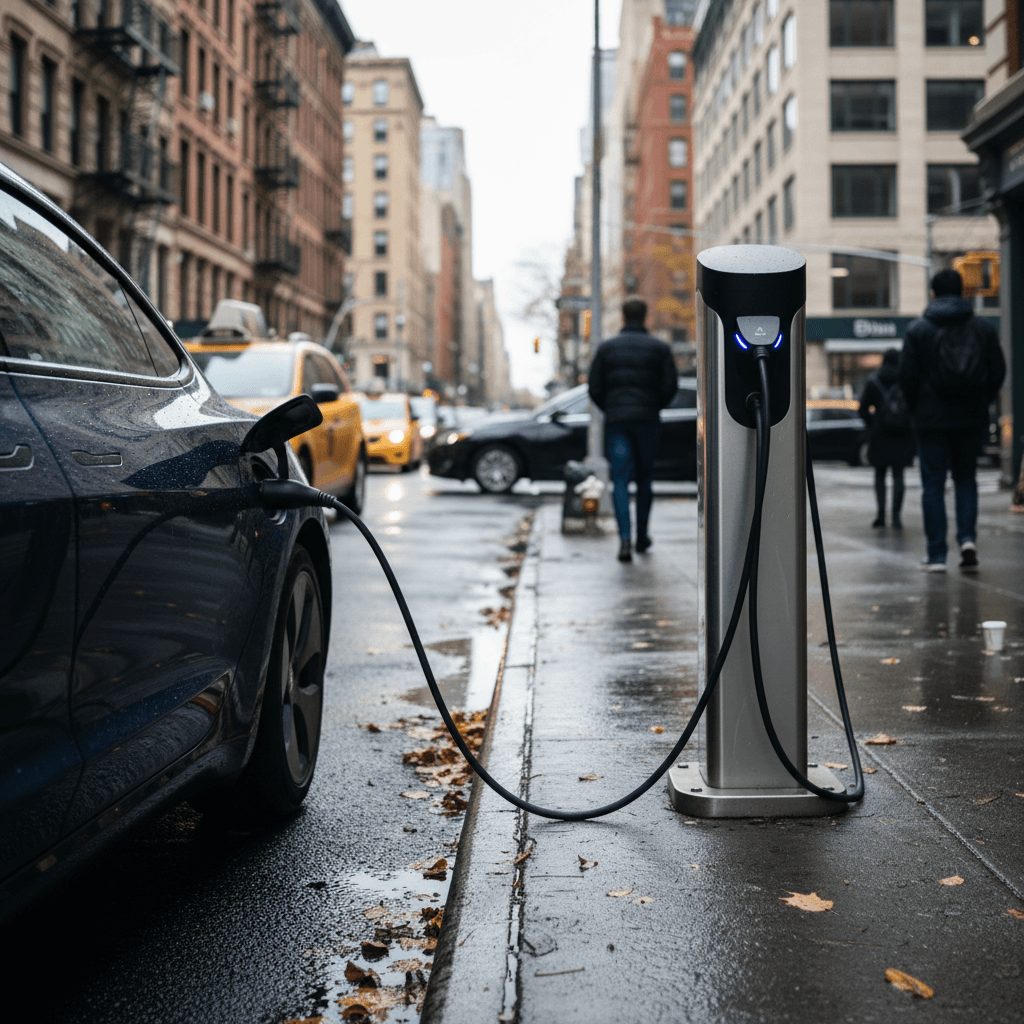
- $3,000 per port at eligible multifamily buildings and workplaces.
- $4,000 per port if the chargers are located in a designated Disadvantaged Community.
Renters: Talk to your landlord or board
NYC-specific programs, perks, and municipal rebates
Unlike some cities, New York City doesn’t currently offer a big, headline‑grabbing **city‑only rebate** for private passenger EVs. Instead, the local benefits look more like preferential access and infrastructure investments:
- Curbside Level 2 charging pilots in parts of Manhattan, Brooklyn, and Queens, often run with partner utilities and vendors.
- City‑run DC fast charging hubs in municipal garages and on city property, sometimes with promotional pricing.
- Ongoing policy moves around congestion pricing and clean air zones, which may not be EV‑only discounts, but still favor drivers who can leave the gas car at home.
Municipal and commercial fleets
How to stack EV rebates in NYC: Real-world examples
Example 1: New EV buyer in Queens
You’re buying a new, long‑range compact SUV with an MSRP of $44,000, and your household income and tax situation qualify you for federal incentives.
- $2,000 NYS Drive Clean Rebate (range > 200 miles, MSRP under $42k cap may require choosing a lower trim or dealer discount).
- Up to $7,500 federal new clean vehicle credit (if the model meets battery sourcing and price rules, and you meet income caps).
- ~$400/year from SmartCharge New York by charging mainly overnight in Con Edison territory.
In year one, it’s realistic to reduce your effective net cost by $9,000–$10,000 between upfront incentives and SmartCharge payouts, before even counting gas and maintenance savings.
Example 2: Used EV buyer in Brooklyn
You find a used 2022 hatchback for $21,000 at a dealer or through a marketplace like Recharged and it qualifies as a "previously owned clean vehicle" under the IRA.
- Up to $4,000 federal used clean vehicle credit (30% of price, as long as you meet income and price limits).
- No state rebate today for used EVs, but you still save on sales tax versus a more expensive new car.
- ~$400/year from SmartCharge New York if you mostly charge at home overnight or at off‑peak times in the city.
Even without a state rebate, you’re cutting thousands off the up‑front price and hundreds per year off running costs versus a comparable gas car.
Where Recharged fits in
Ready to find your next EV?
Browse VehiclesDo rebates apply to used EVs in New York City?
Used EVs are where New York City’s **real affordability story** increasingly lives. Prices have softened, selection has improved, and the federal government, not the state, is the primary source of incentives for individual used‑EV buyers.
- Federal used clean vehicle credit: Up to $4,000 (30% of sale price) for qualifying used EVs purchased from a dealer, with income limits and a $25,000 price cap. Scheduled to run through September 30, 2025 unless Congress changes the law.
- No NYS Drive Clean for used EVs: The state rebate is new‑vehicle only today, regardless of whether you live in NYC or elsewhere.
- Utility incentives still apply: SmartCharge New York doesn’t care whether your car is new or used, only that it’s compatible and charging in Con Edison territory.
Watch the federal calendar
Step-by-step: How to claim your NYC EV rebates
Checklist: From research to rebate
1. Decide new vs. used (and timing)
Start by deciding whether you’re shopping new or used and whether you want to buy or lease. If you’re targeting federal credits that currently end in late 2025, build that date into your plan.
2. Verify model eligibility
For new EVs, confirm the model and trim appear on current federal and NYSERDA eligibility lists. For used EVs, check that the vehicle meets age, price, and dealer‑sale rules for the used clean vehicle credit.
3. Confirm Drive Clean participation
If you’re buying new, make sure the dealership is enrolled in the Drive Clean Rebate program and ask to see the expected rebate amount on your buyer’s order before you sign.
4. Ask about point-of-sale federal credits
Ask the dealer if they can apply eligible federal credits as an instant rebate and show you how that changes the purchase or lease worksheet. This is especially common with leases while the current rules last.
5. Enroll in SmartCharge New York
Once you have your EV and a regular charging location in Con Edison territory, enroll in SmartCharge New York online, link your vehicle or smart charger, and start shifting charging to overnight hours to earn payouts.
6. Keep documentation for tax filing
Save your purchase or lease contract, rebate documentation, and SmartCharge statements. If you’re claiming federal credits on your tax return, you’ll need exact dates, VIN, and sale details.
FAQ: EV rebates in New York City
Frequently asked questions about NYC EV incentives
Bottom line: Making an EV pencil out in NYC
Even in a city where street parking and infrastructure can be messy, **EV rebates in New York City** are meaningful. A well‑chosen EV, timed before current federal deadlines, can benefit from thousands in up‑front support and hundreds of dollars per year in SmartCharge incentives, on top of lower fuel and maintenance costs.
The key is to treat incentives as one part of a larger ownership equation, not the whole story. Battery health, charging access, and how you actually use the car in daily NYC life matter just as much. That’s why Recharged pairs each used EV with a Recharged Score Report, verified battery diagnostics, and EV‑savvy support, so you can line up the right vehicle with the right mix of rebates, tax credits, and utility programs, and know the math holds up long after the paperwork is signed.