If you’re hunting for EV rebates in Miami right now, you’ve probably heard two very different stories. On one hand, friends who bought earlier brag about big federal tax credits. On the other, you’re reading headlines that those EV incentives ended in late 2025. Both are true, and if you’re shopping in 2026, you need a clear picture of what’s gone, what’s left, and how to still come out ahead, especially if you’re looking at a used EV.
Why this guide matters in 2026
Overview: EV rebates in Miami after the 2025 shake-up
What ended in 2025
- New Clean Vehicle Credit (up to $7,500) for new EVs ended for vehicles acquired after September 30, 2025.
- Previously-Owned Clean Vehicle Credit (up to $4,000) ended for used EV purchases after the same date.
- Florida still has no statewide purchase rebate for EVs or home chargers.
What’s still in play for Miami drivers
- Certain buyers who signed binding contracts by Sept. 30, 2025 may still claim a credit when the car is delivered.
- Alternative Fuel Vehicle Refueling Property Credit for home chargers continues until June 30, 2026.
- Local utilities and workplaces may offer charging perks, discounted rates, or free charging.
- Used EVs often price in the loss of federal credits, creating better upfront deals, especially through transparent marketplaces like Recharged.
Key date to keep in mind
Federal EV tax credits: What changed and what’s still possible
For years, the federal EV tax credit was the main attraction for Miami buyers, a headliner worth up to $7,500 on new EVs and $4,000 on qualifying used EVs. That changed with the One Big Beautiful Bill Act, signed July 4, 2025. Under that law, the main EV purchase credits under sections 30D (new), 25E (used), and 45W (commercial) end for vehicles acquired after September 30, 2025.
Federal clean vehicle credits at a glance (Miami, 2026)
So where does that leave a Miami buyer in early 2026? For most new and used EV purchases you start today, you can’t claim a federal purchase credit. The exception is if you locked in a deal on or before September 30, 2025 with a binding written contract and payment, and the vehicle is only being delivered now. In that case, the IRS still lets you claim the credit the year the car is placed in service, as long as the acquisition happened before the cutoff.
Quick self-check: Do you still qualify?
Used EVs in Miami: Credits, loopholes and smart savings
The end of the used EV federal tax credit changes the math, but it doesn’t kill the deal, especially in Miami, where used EVs are becoming more common and prices have been adjusting. Instead of chasing a credit that no longer applies to fresh purchases, think of incentives in two buckets: legacy tax credits tied to older contracts, and market-driven savings you can get today.
Where Miami shoppers can still win with used EVs
Even without a fresh federal credit, there’s money left on the table if you shop carefully.
1. Legacy credit contracts
If you reserved a car and signed a binding contract with payment by Sept. 30, 2025, you may still be able to claim the used EV credit (up to $4,000) when you file taxes for the year you take delivery. That’s a narrow slice of buyers, but it’s worth checking your paperwork.
2. Depreciation does the heavy lifting
Without credits propping up prices, many used EVs in 2026 are priced more realistically, especially models that originally qualified for incentives. You may see the value show up as a lower sticker price instead of a line on your tax return.
3. Battery health transparency
Battery condition is the biggest wild card with older EVs. Tools like the Recharged Score give you a verified view of battery health and fair market pricing, which helps you avoid cars that look cheap today but cost you range tomorrow.
Where Recharged fits in for Miami buyers
Florida & Miami EV incentives: What exists beyond rebates
Now for the local picture. Florida has flirted with EV policy for years, but as of early 2026 the state still does not offer a direct purchase rebate or tax credit for EVs or home charging equipment. State-level funding from the Inflation Reduction Act has been earmarked for electrification upgrades, but specific consumer-facing programs for EV purchases haven’t launched yet.
Current EV-related perks for Miami drivers (2026)
While pure cash rebates are scarce, there are still a few financial and practical benefits to owning an EV in Miami.
| Perk type | Who offers it | What it can save you | What to ask about |
|---|---|---|---|
| Time-of-use EV charging rates | Electric utilities (e.g., FPL in South Florida) | Lower overnight electricity rates for home charging | EV-specific rate plans, off-peak discounts, smart meter requirements |
| Free or discounted workplace charging | Employers & office parks | Effectively $30–$80/month in charging costs, depending on commute | Access policy, waitlists, and whether it’s free or billed through payroll |
| Free charging at apartments/condos | Individual buildings & HOAs | Several hundred dollars a year if you can charge at no cost | Any EV parking fees, guest rules, or time limits |
| Parking & access perks | Malls, garages, some city lots | Discounted or preferred parking in EV/charging spaces | Whether EV-only spots are enforced and if there’s an idle fee |
| HOV lane access & toll discounts | State transportation agencies (varies by corridor) | Time savings on crowded routes like I‑95 or express lanes | Current rules for EVs and whether special decals or tags are required |
Always confirm details with your utility, workplace, or property manager, local programs can change quickly.
Why Miami still favors EVs without big rebates
EV charger rebates and tax credits for Miami homes
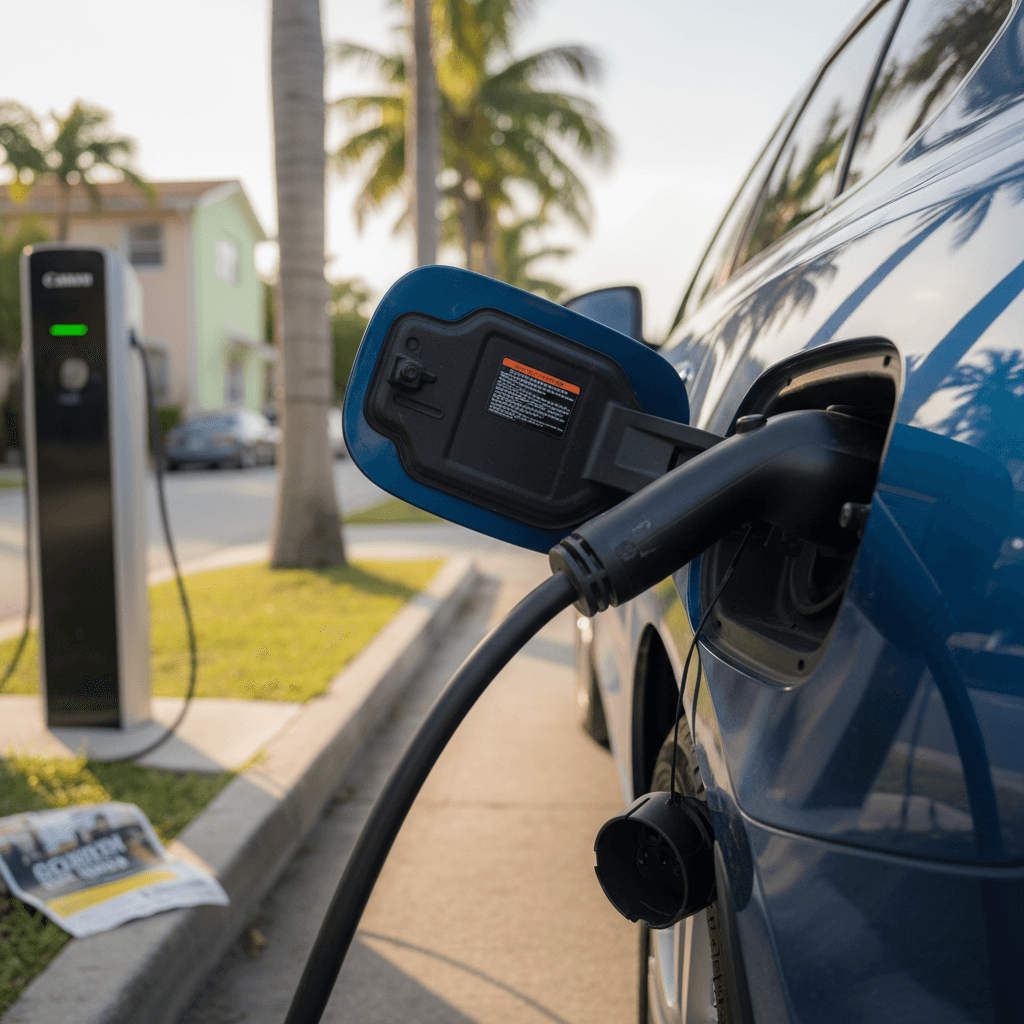
Home charging is still where you can find a meaningful federal incentive in 2026. The Alternative Fuel Vehicle Refueling Property Tax Credit, the one that helps pay for home EV chargers, remains available for qualifying equipment placed in service through June 30, 2026. If you install a Level 2 charger in your Miami home before that date, you may be able to claim up to 30% of the cost, capped at $1,000, on your federal taxes.
- The credit applies to qualified charging equipment and related installation costs (think electrician labor and permits).
- Your charger must be placed in service by June 30, 2026, which usually means installed, inspected, and ready to use.
- You’ll claim the credit on your federal return for the tax year when the charger went into service, using the IRS form for refueling property credits.
- Eligibility may depend on where you live and whether the property is your primary residence, so it’s wise to double-check with a tax professional.
Stacking savings on a Miami home charger
Running the numbers: How much can a Miami driver save?
With the headline EV rebates mostly in the rearview mirror, the question becomes: does an electric car in Miami still make financial sense? In most cases, yes, especially if you buy used and plan to keep the car a while. The savings just show up differently than they did when credits were new and shiny.
1. Fuel savings vs. gas in Miami traffic
Between stop‑and‑go downtown and those long, flat stretches on I‑95 and the Palmetto, Miami is perfect EV territory. Electricity is typically cheaper per mile than gasoline, and EVs are at their best in low‑speed traffic. Over a few years, that adds up.
- Many Miami drivers see fuel savings of $600–$1,000 per year compared with a similar gas car, depending on commute and charging habits.
- Charging mostly at home or at free workplace chargers tilts the math even further in your favor.
2. Maintenance and wear items
EVs don’t need oil changes, timing belts, or exhaust repairs. You’re mainly looking at tires, cabin filters, brake fluid, and the occasional software update. Over five years, that can save another several hundred to a few thousand dollars compared with a similar gas car, money that doesn’t require a rebate check from anyone.
The one big cost to respect: the battery
How Recharged helps Miami shoppers maximize EV savings
When incentives get complicated, or disappear altogether, transparency matters more than ever. That’s where Recharged comes in. We’re built around used EVs, and every car we list is designed to answer three questions Miami shoppers actually care about: How healthy is the battery? Is the price fair? and What will this cost me to own in our climate?
Why Recharged is built for Miami EV shoppers
From Brickell high‑rises to Kendall driveways, we focus on the details that matter in South Florida.
Verified battery health
Every vehicle includes a Recharged Score battery health report, so you can see how the pack is holding up, critical in a hot, coastal climate where degradation can accelerate.
Fair market pricing
Our pricing tools look at mileage, options, battery condition, and market data to give you a clear sense of value now that federal rebates are gone for new purchases.
Nationwide delivery & local support
If you don’t see the right EV in Miami, you can shop nationwide and have the car delivered. Our EV specialists walk you through costs, incentives, and charging options before you commit.
Ready to find your next EV?
Browse VehiclesFinancing and trade-ins, minus the games
Checklist: Steps to maximize EV rebates in Miami
Your step-by-step Miami EV savings plan
1. Confirm whether any legacy federal credit applies
If you started an EV purchase before September 30, 2025, dig up your paperwork. A binding written contract and payment by that date could still unlock a <strong>new or used EV tax credit</strong> when you file.
2. Decide: New vs. used in a post-credit world
With federal credits gone for fresh purchases, compare a new EV price to a used one that already “lost” its credit years ago. Often, a <strong>well‑priced used EV</strong> delivers similar tech and range for much less money upfront.
3. Ask your utility about EV rates and charger perks
Call or chat with your electric utility and ask specifically about <strong>EV time‑of‑use rates</strong>, charger rebates, or bill credits for smart chargers. These aren’t splashy rebates, but they quietly lower your monthly costs.
4. Plan a home charger before June 30, 2026
If you own your home or have a cooperative HOA, get quotes from electricians now. Aim to have a Level 2 charger <strong>installed and inspected well before June 30, 2026</strong> to claim the federal refueling property credit.
5. Verify battery health on any used EV
Whether you’re shopping locally or online, don’t buy blind. Look for <strong>third‑party battery diagnostics</strong> like the Recharged Score, not just a dealer’s assurance that “it drives fine.”
6. Run a true total-cost-of-ownership comparison
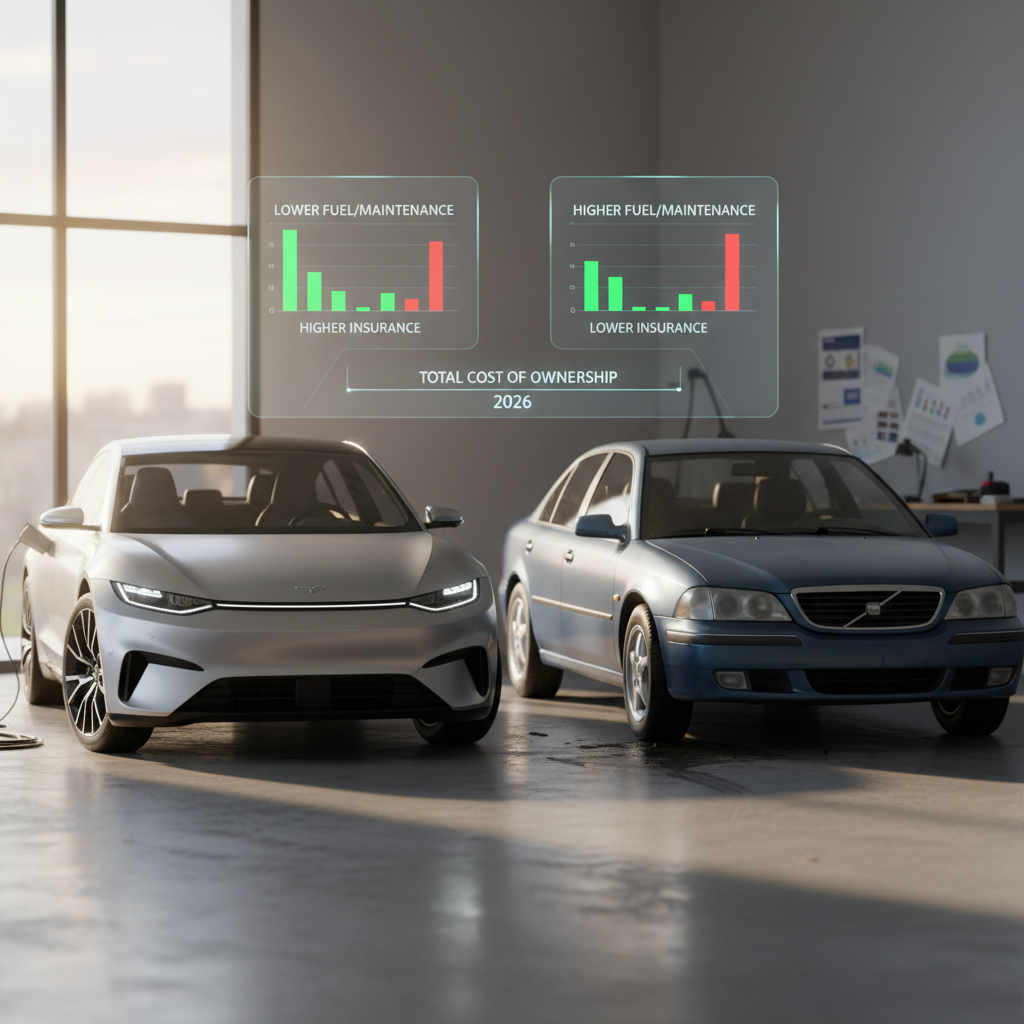
Compare not just the price and any remaining incentives, but also <strong>fuel, maintenance, insurance, and resale</strong>. In Miami’s driving conditions, EVs often win this long‑game, even without a big rebate check.
FAQ: EV rebates and incentives in Miami
Frequently asked questions about EV rebates in Miami
The EV incentive landscape in Miami isn’t as simple, or as generous, as it was just a couple of years ago. But rebates were never the whole story, and they aren’t the only way to make an electric car pencil out. If you treat tax credits and perks as the icing rather than the cake, focus on solid used EVs with healthy batteries, and make smart choices about charging, you can still come out ahead in South Florida’s traffic and sunshine. And if you want help running the numbers on a specific car, Recharged is built to put clarity back where incentives left a gap.