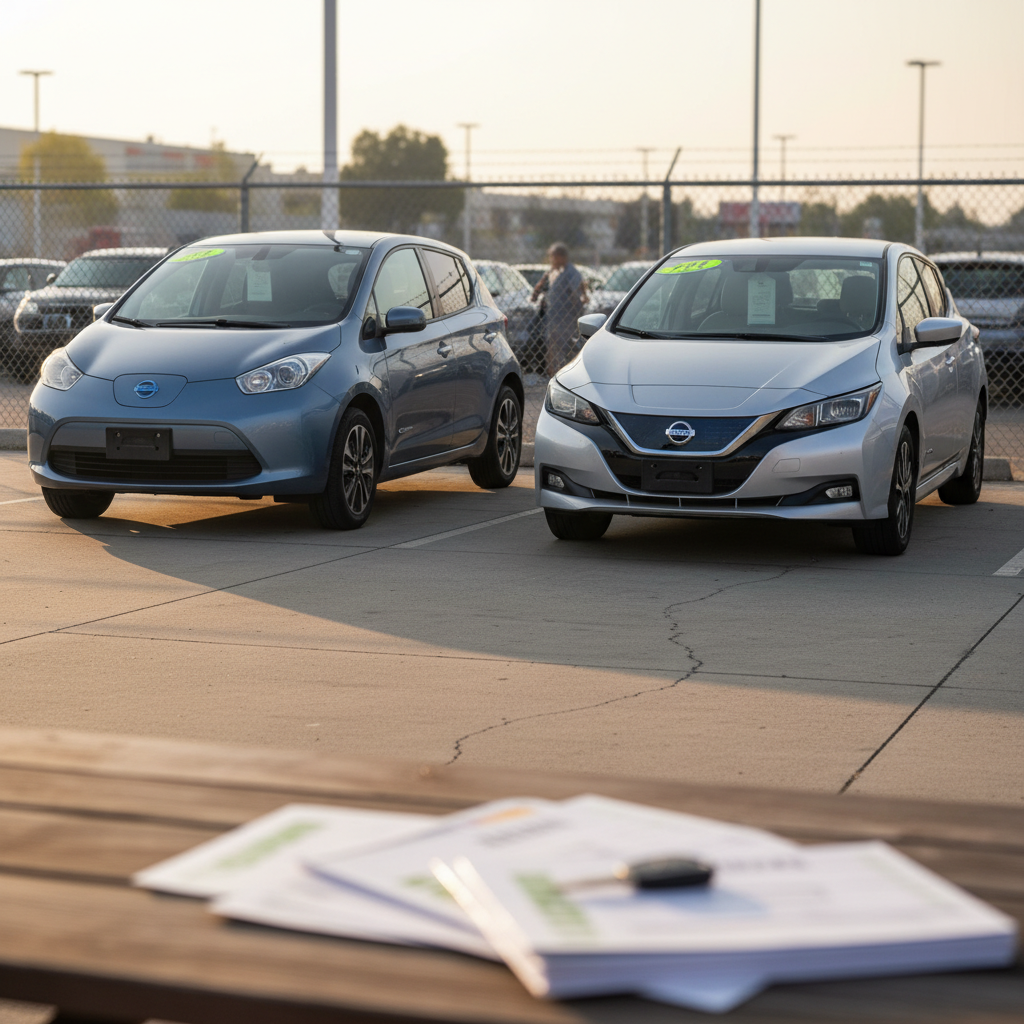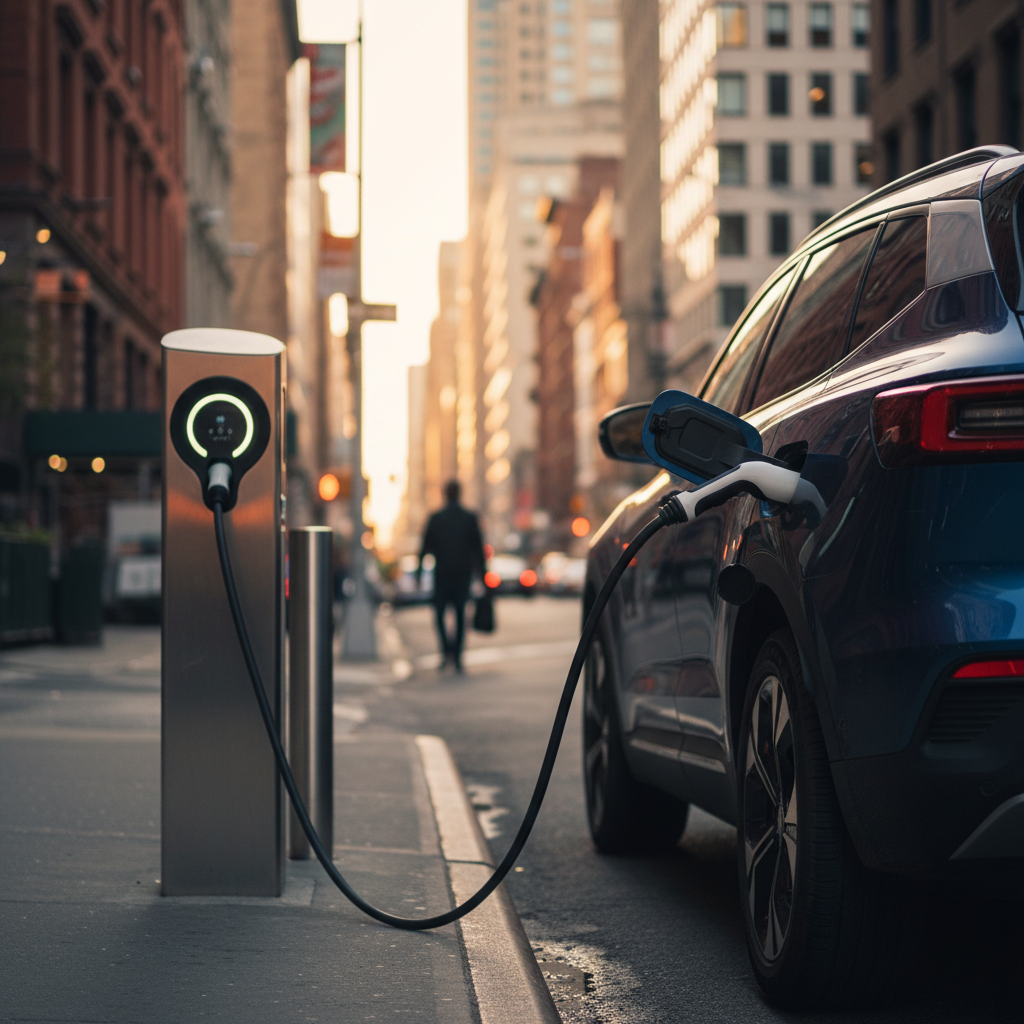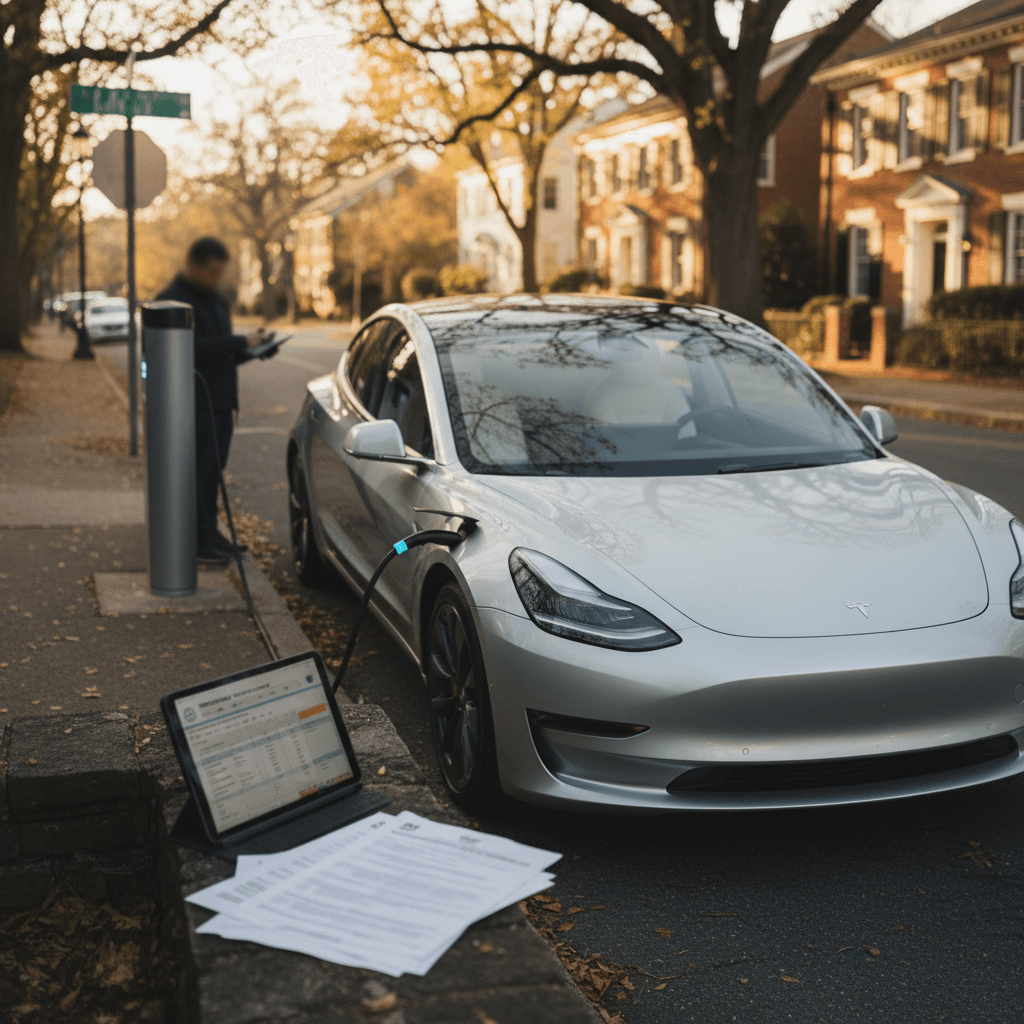
If you live in Fairfax County and you’re shopping for an electric vehicle, you’ve probably discovered that finding clear, local information on EV rebates in Fairfax is harder than it should be. National headlines talk about big tax credits, but the fine print in Virginia, and even inside Fairfax County, looks very different. This guide pulls it all together so you know exactly what help is available in 2026 and how to claim it.
Quick reality check for Fairfax EV shoppers
EV rebates in Fairfax: what’s available in 2026?
When people say “EV rebates,” they usually mean a cash rebate on the purchase price. In Fairfax County today, incentives are more fragmented. You’ll see rebates and grants for charging infrastructure, utility programs that spread out costs, and a few tax policies that help on the margins rather than one big check at the dealer.
Where Fairfax EV incentives actually show up
Think in terms of charging help and lower ownership costs, not big sticker-price discounts.
Local charger grants
Charge Up Fairfax offers reimbursement grants and technical help to HOAs, condos, and now some nonprofits and places of worship that install Level 2 chargers in Fairfax County.
Utility charging programs
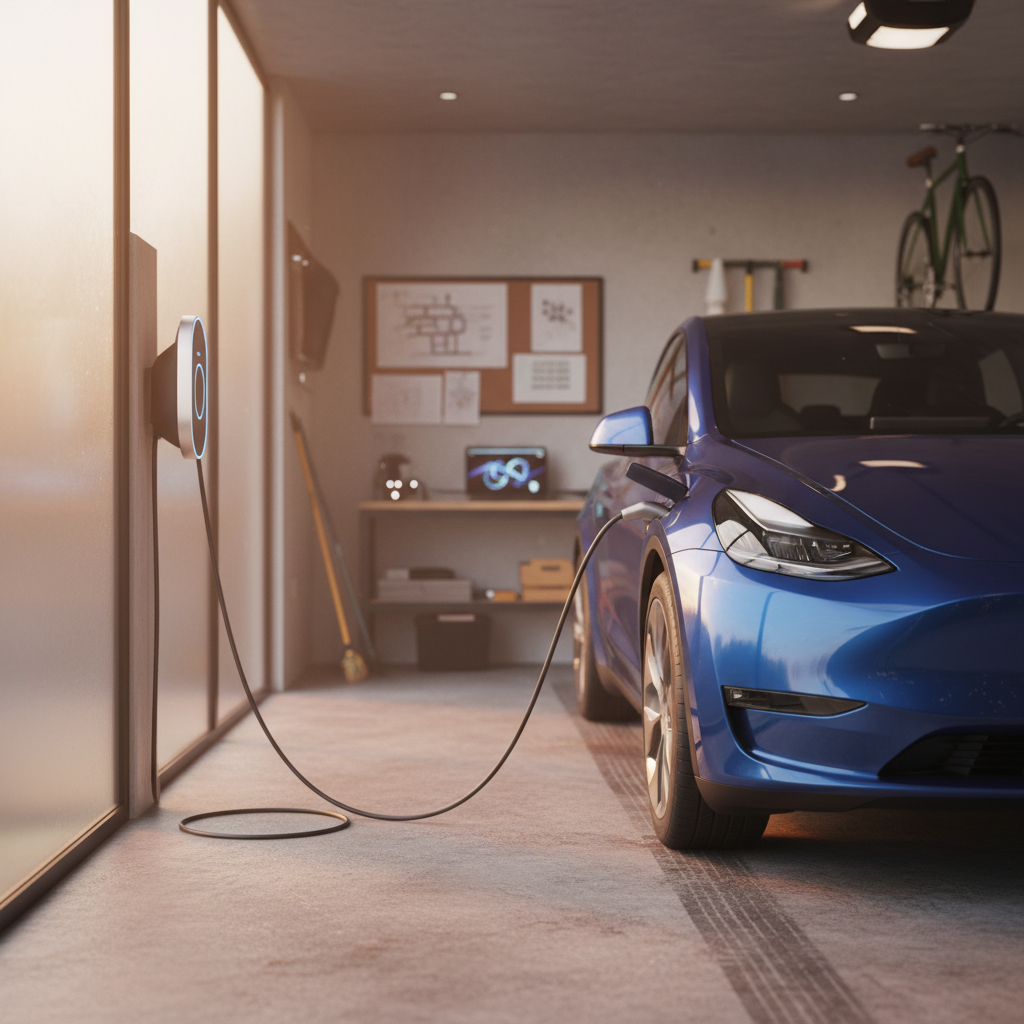
Dominion Energy Virginia offers programs that can reduce the upfront cost of a home charger and reward smart charging behavior, helping you save month after month.
Tax policy & financing
Virginia’s statewide EV rebate law is currently unfunded, but Fairfax drivers can still lower costs with smart financing, used EV pricing, and general state tax changes that leave more money in your budget.
Start with your charging situation
Federal and Virginia EV incentives for Fairfax drivers
Before we zoom into Fairfax programs, you need to know what’s happening at the federal and state level. A lot has changed in just a few years, and much of the national advice you’ll find online is out of date for Virginia buyers.
High-level view: federal vs. Virginia EV incentives in 2026
What Fairfax County drivers can realistically count on today.
| Program | Who it’s for | Status in 2026 for Fairfax drivers | What it can do |
|---|---|---|---|
| Federal EV tax credits | New and some used EV buyers | Limited – most mainstream new EVs and many used EVs no longer qualify under current rules | May reduce federal tax bill if your vehicle and income qualify |
| Virginia EV rebate law | New and used EV buyers statewide | Established in law but not funded as of early 2026 | No active rebates being paid; keep an eye on future budgets |
| Virginia 2025 tax rebate checks | Most Virginia taxpayers who owed 2024 state income tax | One‑time checks up to $200 (single) or $400 (joint); not EV‑specific | Extra cash in your pocket that you can put toward an EV or charger |
| HOV lane access for EVs | Solo EV drivers with special plates | Expired – solo EVs were removed from HOV perks in late 2025 | No longer a direct incentive for buying an EV in Fairfax |
Always confirm details with your tax professional before making purchase decisions.
Don’t plan your purchase around an unfunded rebate
The one state‑level policy that did put money directly in many Virginians’ hands recently was the 2025 tax rebate check, worth up to $200 for individuals and $400 for joint filers. It wasn’t EV‑specific, but if you received it, there’s nothing wrong with mentally earmarking that cash for a home charger or your first few months of EV payments.
Charge Up Fairfax: grants for community and nonprofit chargers
If you live in a condo, townhouse community, or are active in a Fairfax‑area nonprofit or place of worship, Charge Up Fairfax is the headline program you need to know. It doesn’t discount the car itself, but it can make daily life with an EV much easier by helping your community install shared Level 2 chargers.
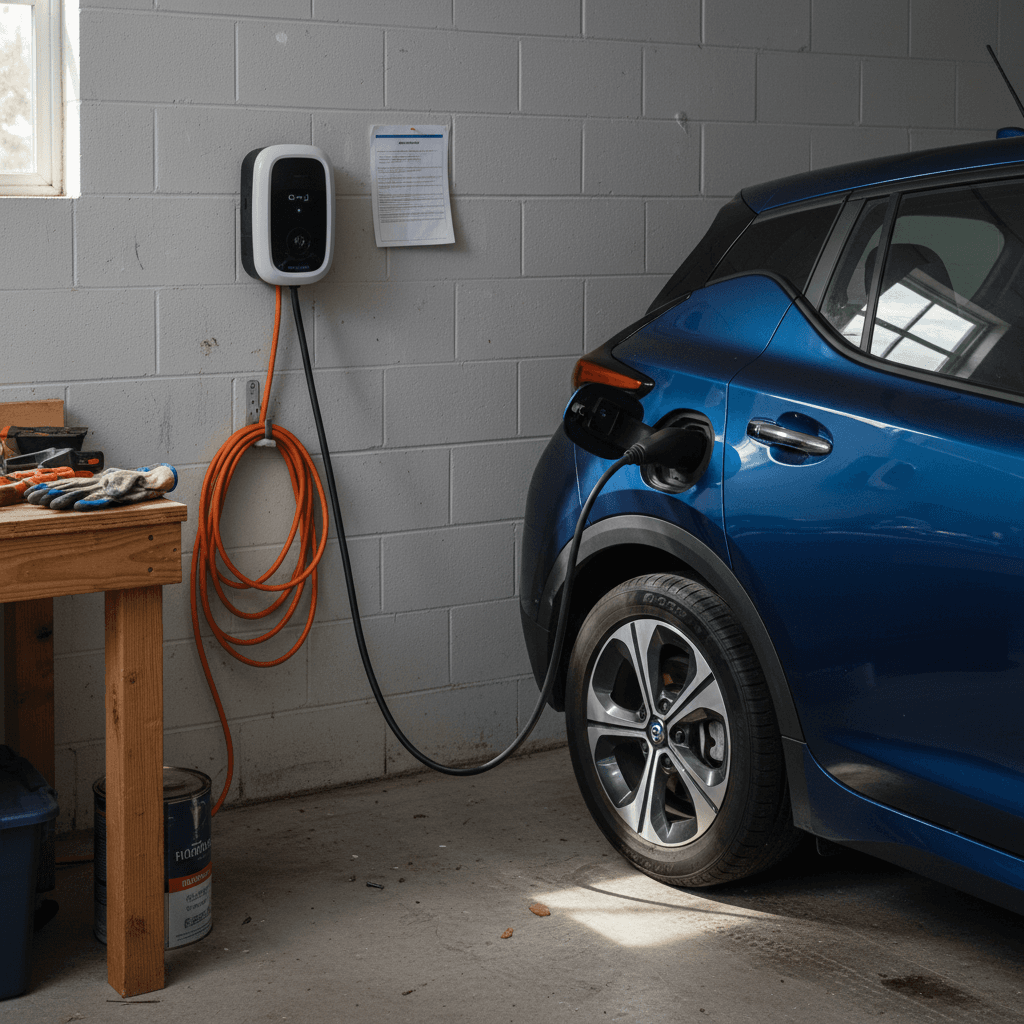
Charge Up Fairfax at a glance
- Technical assistance with site assessment and planning for Level 2 chargers.
- A choice between a grant‑only path (you manage the project, the county helps reimburse eligible costs) or a more full‑service path with county‑funded engineering support.
- Requirements that chargers be installed in unreserved parking spaces owned by the community or organization and powered by its own electric account.
How Charge Up Fairfax helps you personally
If your board or leadership hasn’t heard of Charge Up Fairfax, you can be the spark. Point them to the county’s Office of Environmental and Energy Coordination and ask about current reimbursement levels, eligibility, and application timing. The program accepts applications on a rolling basis, so you don’t have to wait for a once‑a‑year window.
Dominion Energy programs that can lower your charging costs
Most Fairfax residents get their electricity from Dominion Energy Virginia, and that’s where another cluster of EV “rebates” lives. These aren’t always labeled as rebates at the car lot, but they absolutely affect your total cost of ownership once you’re driving electric.
Key Dominion Energy offerings for Fairfax EV owners
Designed to lower the barrier to home charging and reward smart energy use.
Residential Charger Program
Dominion’s turnkey home charging program bundles a Level 2 charger and professional installation into one fixed monthly payment (around five years), added to your electric bill. Income‑qualifying customers may get the charger and installation at no upfront cost.
Off‑Peak & time‑based plans
Time‑of‑use and off‑peak plans reward you for charging when demand is low, often late at night. You still pay for electricity, but your cost per mile can drop dramatically if you shift your charging window.
Peak Time Rebates & bill credits
Programs like Peak Time Rebates offer bill credits if you cut usage during high‑demand events. EV charging is one of the easiest loads to flex, which can turn into recurring savings.
Check your exact Dominion eligibility
Think of these programs as an alternative to a classic purchase rebate. Instead of lowering the sticker price, they can spread out or shrink the cost of charging infrastructure, which is often the bigger pain point for Fairfax households.
How Fairfax drivers can stack EV savings
If you’re hoping for “$7,500 off at signing,” Virginia in 2026 will disappoint you. But if you zoom out and look at the full cost of owning an EV in Fairfax County, there are still multiple levers you can pull to save money, especially if you’re open to a used EV.
1. Go used and let depreciation work for you
Because there’s no active Virginia rebate, lightly used EVs in Fairfax now look especially attractive. The original owner already took the steepest depreciation hit and, in many cases, any federal or manufacturer incentive they could get. You step in later at a lower price.
On used‑EV focused marketplaces like Recharged, every car comes with transparent battery health diagnostics and fair‑market pricing, so you’re not guessing about range or value.
2. Make charging cheap and predictable
Use a mix of Charge Up Fairfax (if you’re in a community setting), Dominion’s Residential Charger Program, and off‑peak charging plans to keep your fuel costs low and stable. Even without a purchase rebate, many Fairfax drivers find their monthly fuel+electric bill is far lower than what they paid at the gas pump.
Add in routine maintenance savings, no oil changes, fewer moving parts, and the math starts to lean decisively in the EV’s favor.
Where Recharged fits into your savings plan
Ready to find your next EV?
Browse VehiclesDo any EV rebates apply to used cars in Fairfax?
Short answer: there’s no Fairfax‑specific or Virginia‑funded cash rebate at the moment that only applies to used EVs. But the way the market has evolved, used EVs often behave as if they have a built‑in “discount” that’s just as powerful as a formal rebate.
Why used EVs are a smart play in Fairfax right now
Especially when you pair them with strong battery health data.
Battery health transparency
With tools like the Recharged Score battery report, you can see how much usable capacity remains, not just guess based on the odometer. That makes it easier to choose a car that still fits your commute.
Lower upfront price
Even without a state rebate, a two‑ or three‑year‑old EV in Fairfax often sells for thousands less than its original MSRP. That price gap is effectively your rebate.
Financing that fits incentives
Because the big public rebates are limited, it’s crucial to pair your used EV with smart financing, whether that’s low‑APR offers, shorter terms, or pre‑qualification tools that show your real budget.
Watch out for “mystery” battery packs
Step‑by‑step checklist to claim EV rebates in Fairfax
Your 8‑step Fairfax EV incentives game plan
1. Map your daily driving and parking
Before you chase rebates, get clear on <strong>how far you drive</strong> and where your car sleeps. Fairfax commuters with reliable off‑street parking or access to a garage are in the best position to turn EV incentives into real savings.
2. Decide: new or used EV
Given Virginia’s unfunded rebate, many Fairfax shoppers find that <strong>used EVs</strong> offer the best mix of price and features. Compare options and consider a marketplace like Recharged, where you can see battery health and fair pricing up front.
3. Check federal and Virginia tax rules
Look at the latest IRS guidance and Virginia Department of Taxation information to see whether any <strong>federal EV credits</strong> or general state tax changes apply to you. If you’re unsure, talk with a tax professional rather than guessing.
4. Explore Charge Up Fairfax eligibility
If you live in an HOA, condo community, or are connected to a Fairfax nonprofit or place of worship, ask leadership to review <strong>Charge Up Fairfax</strong>. Determine whether a grant‑only or full‑service path makes more sense for your property.
5. Talk to Dominion Energy about home charging
Visit Dominion’s EV pages or call customer service to see if you qualify for the <strong>Residential Charger Program</strong>, off‑peak rates, or Peak Time Rebates. Ask what equipment is included, what the monthly cost looks like, and how long the commitment lasts.
6. Get pre‑qualified for EV financing
Use a soft‑pull, EV‑friendly pre‑qualification tool, Recharged offers this with <strong>no impact to your credit</strong>, to understand your real budget range. That way you can shop for vehicles that still leave room for charger costs and utility upgrades.
7. Collect paperwork as you go
Every rebate or program will expect documentation: purchase agreement, VIN, proof of Virginia and Fairfax residence, installation invoices for chargers, and sometimes photos of the installed equipment. Create a digital folder as you move through the process.
8. Recalculate your real monthly cost
Once you have your final car price, financing terms, and expected electricity plan, compare your new all‑in monthly EV cost to what you were spending on gas and maintenance. That’s where the value of these scattered incentives really shows up.
FAQ: EV rebates and incentives in Fairfax County
Common questions about EV rebates in Fairfax
The bottom line on EV rebates in Fairfax
The EV incentive landscape in Fairfax County doesn’t look like the glossy national ads, with giant purchase rebates and free money at signing, but that doesn’t mean you’re on your own. Today, most of the real help shows up in more practical forms: community charger grants through Charge Up Fairfax, Dominion Energy programs that make home charging easier and cheaper, and a used‑EV market where smart shoppers can capture thousands in quiet discounts instead of chasing a single big rebate.
If you build your plan around those realities, rather than wishful thinking about an unfunded statewide rebate, you can still wind up with an EV that fits your Fairfax life and your budget. And if you’re leaning toward a used EV, Recharged can help you compare vehicles with verified battery health, line up financing, and thread these local incentives into a purchase that makes long‑term sense.