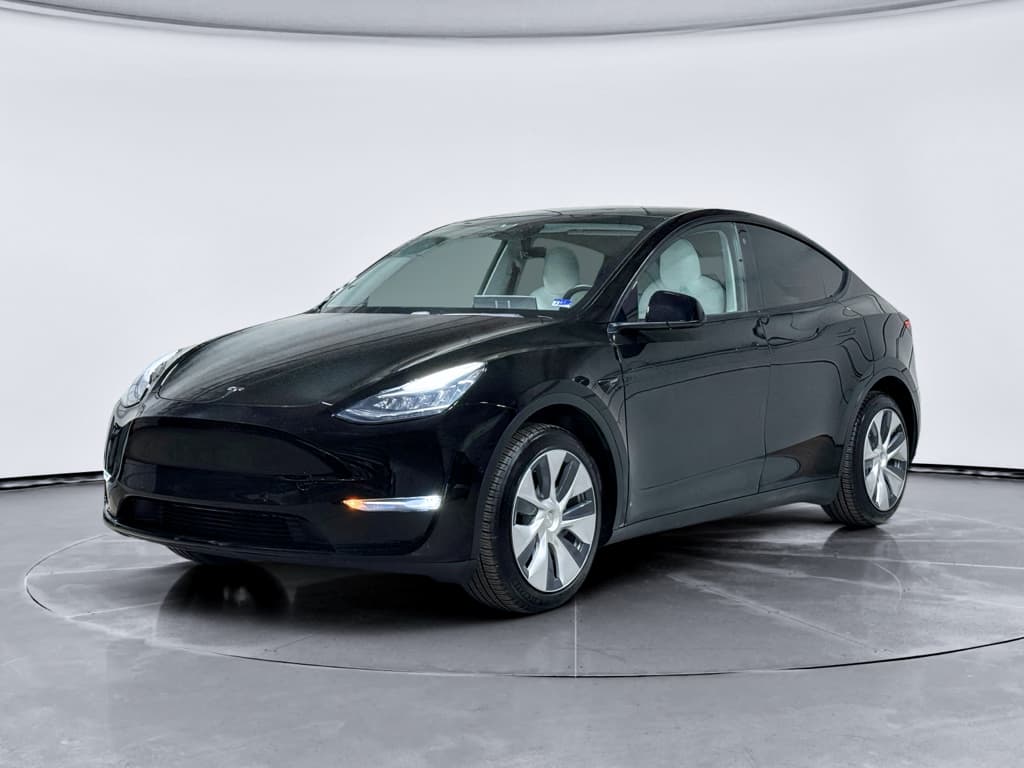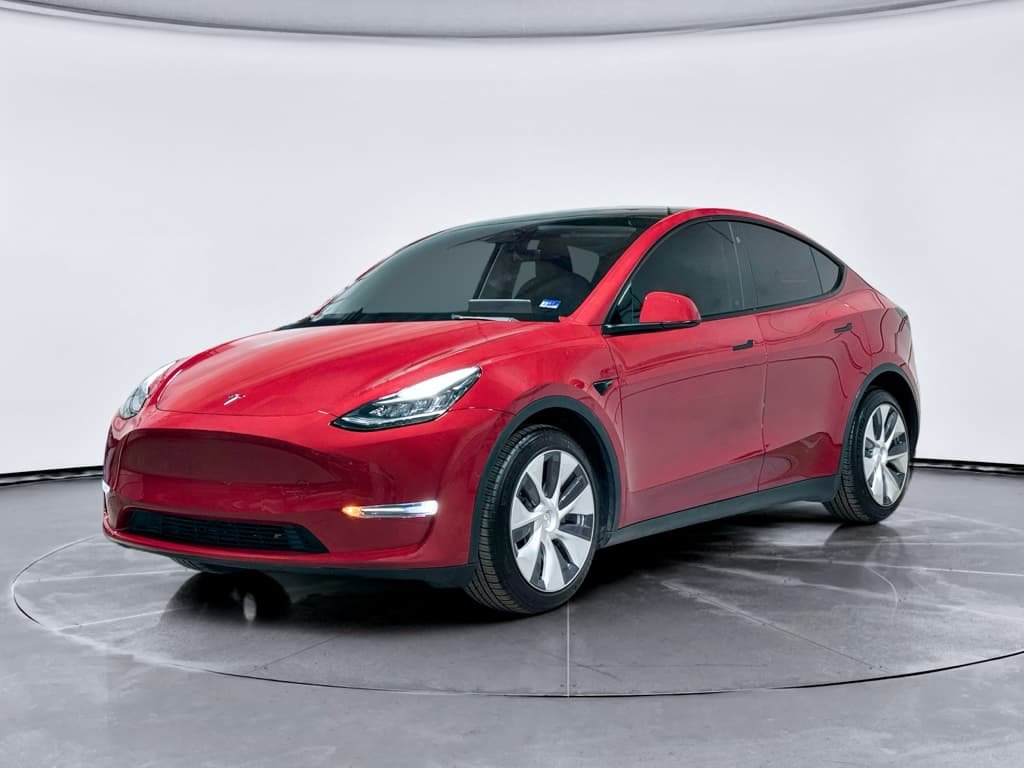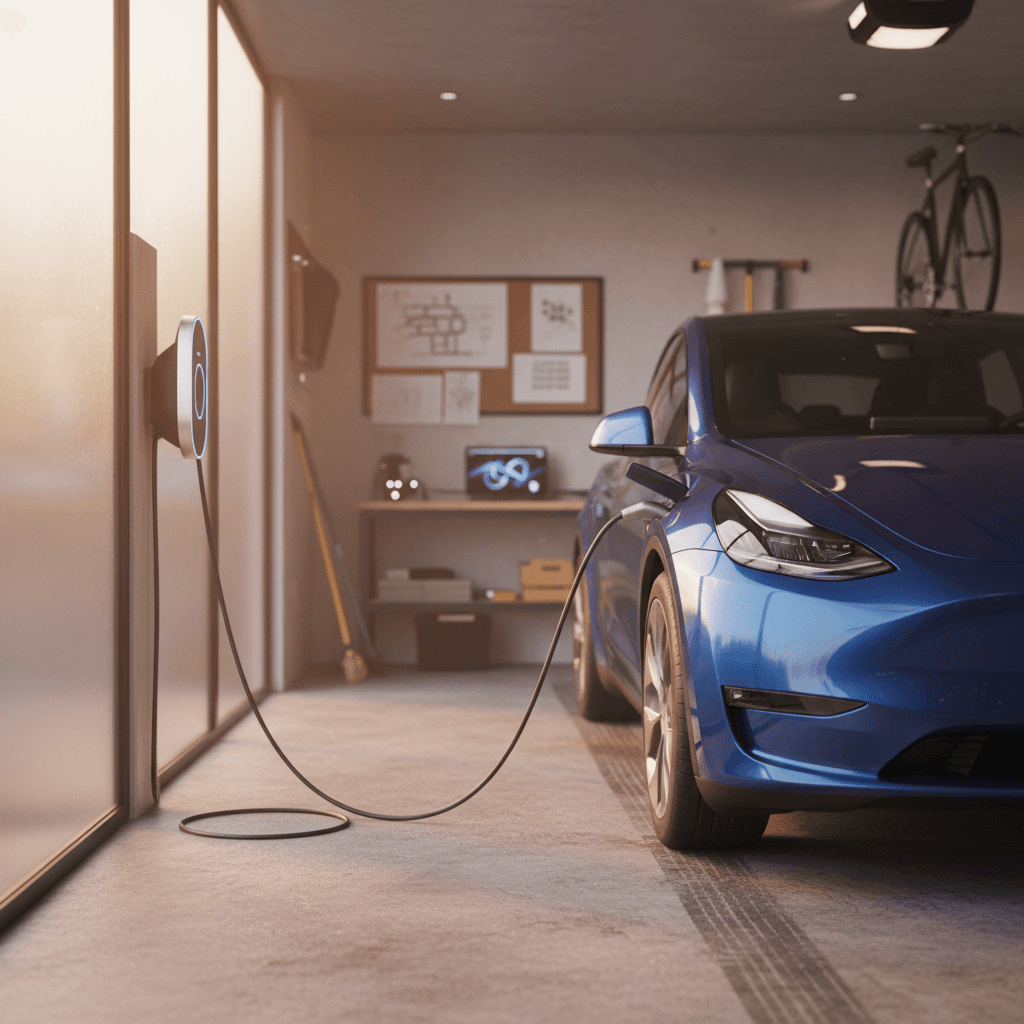
If you own a Tesla Model Y, the **best home charger** is the one that quietly erases “range” from your mental to‑do list. Park, plug in, sleep, repeat. The good news: every Model Y can take advantage of fast Level 2 home charging. The bad news: the market is a blizzard of 40–48 amp boxes, apps of varying quality, and marketing noise. Let’s cut through it and figure out what actually makes sense for *your* driveway, and your electrical panel.
Key takeaway upfront
Why home charging matters for your Model Y
Home charging and Tesla owners in 2025–2026
Public Superchargers and DC fast chargers are the flashy part of EV life, but they’re like highway rest stops: great for road trips, overkill for daily errands. A solid home setup turns your Model Y into an appliance, in the best way. You plug in at night, wake up with the battery right where you want it, and you get to ignore the whole charging‑station rat race most days.
Rule of thumb
How fast can a Tesla Model Y charge at home?
Before you shop for hardware, it helps to know what your Model Y can actually accept. The onboard AC charger inside most recent U.S. Model Y trims can draw up to **48 amps at 240V**, or about **11–11.5 kW** of power. That’s the ceiling for Level 2 home charging; anything bigger on the wall is just wasted potential.
- **Level 1 (120V outlet, 12A)** – ~3–5 miles of range per hour. Fine as a backup; painful as a lifestyle.
- **Level 2 (240V, 32A)** – ~25 miles of range per hour, enough for many commuters if you charge overnight.
- **Level 2 (240V, 40–48A)** – ~30–44 miles of range per hour, letting even heavy drivers recover a full day’s driving in a few hours.
Don’t overbuy on power alone
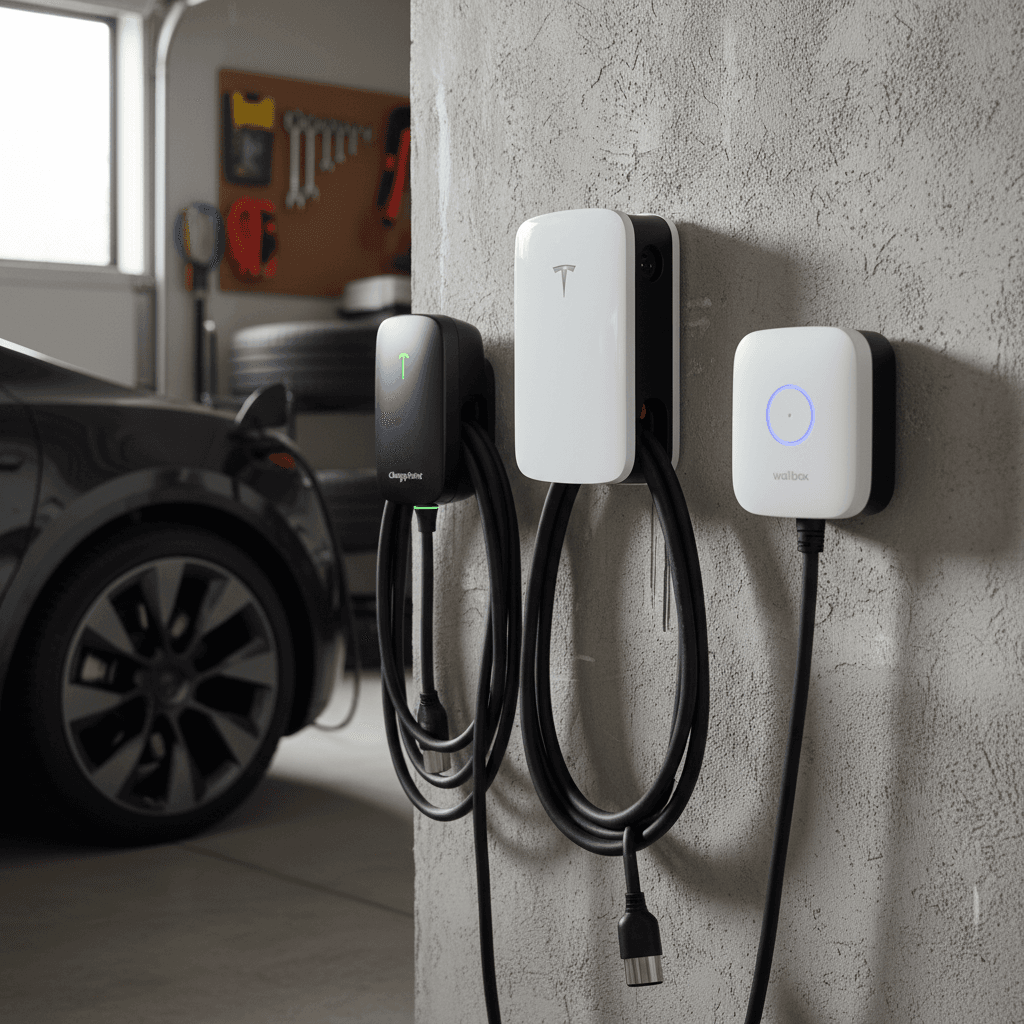
Tesla Model Y best home charger: quick shortlist
Best home chargers for Tesla Model Y (2026 picks)
Different budgets, different homes, all work well with a Model Y
Best overall for Model Y: Tesla Wall Connector (Gen 3 / Universal)
Why it wins: Native NACS connector, clean look, seamless Tesla app integration, full 48A support, and solid build quality, especially if you’re all‑in on Tesla.
Best for: Owners in single‑family homes who mainly drive Teslas and want the most integrated experience.
Best smart alternative: ChargePoint Home Flex
Why it wins: Flexible amperage up to 50A, polished app with good utility integrations, ENERGY STAR certified, works great with Tesla via NACS version or adapter.
Best for: Households that might add non‑Tesla EVs or want perks like utility rebates and data analytics.
Best value smart charger: Emporia Level 2
Why it wins: Lower price than most big‑name units, app with excellent energy‑monitoring, and configurable up to 48A.
Best for: Budget‑conscious owners who still want smart scheduling and visibility into home energy use.
Best no‑nonsense tank: Grizzl‑E Classic
Why it wins: Rugged, simple, and often cheaper than the fancy app‑driven boxes. Up to 40A, which is enough for most Model Y drivers.
Best for: Harsh climates, detached garages, and anyone who prefers durability over shiny apps.
Those four cover 90% of Model Y use cases. From here, the real question isn’t “What’s the single best home charger?” so much as **“Which one best fits my electrical panel, my budget, and my appetite for apps?”**
Deep dive: best home chargers for Tesla Model Y
1. Tesla Wall Connector / Universal Wall Connector
If you drive a Model Y, Tesla’s own **Wall Connector** is the default answer, and not a bad one. It’s purpose‑built for the car: native NACS plug, slim cable, and support for up to **48A on a 60A circuit**, which translates to roughly **44 miles of range per hour** under ideal conditions. It also talks to your Tesla app, so you can see charge status, schedule overnight sessions, and get alerts without juggling yet another log‑in.
- **Max output:** 48A (11.5 kW) when hard‑wired to a 60A breaker.
- **Connector:** NACS (Tesla plug); Universal version adds a built‑in J1772 adapter for non‑Teslas.
- **Smart features:** Wi‑Fi, Tesla app integration, limited load‑sharing for multiple Wall Connectors.
- **Typical price:** Often in the mid‑$400s, plus installation.
- **Best for:** Primarily Tesla households who want an OEM look and feel.
Future‑proofing with the Universal Wall Connector
2. ChargePoint Home Flex
Think of **ChargePoint Home Flex** as the overachieving honor student of home chargers. It supports up to **50A output** (on a 60A circuit), can be de‑rated in software to match whatever your panel can safely deliver, and has one of the more refined apps in the segment. Utilities love it, which is why it shows up on a lot of rebate shortlists.
- **Max output:** Up to 50A (11.5–12 kW class) depending on wiring and breaker.
- **Connector options:** J1772 (use your Tesla NACS adapter) or NACS‑native variants in newer production.
- **Smart features:** Mature app, good utility program support, usage history, notifications, remote control.
- **Typical price:** Often in the high‑$500s before rebates.
- **Best for:** Mixed‑brand EV households, and owners chasing rebates or detailed charging analytics.
3. Emporia Level 2
The **Emporia Level 2** charger plays in the value lane without feeling cheap. It can be hard‑wired or plug‑in, configurable up to **48A**, and its app punches above its weight with detailed energy‑use breakdowns, especially if you later add Emporia’s home energy monitor.
- **Max output:** Up to 48A when hard‑wired; lower limits available for smaller circuits.
- **Connector:** Typically J1772, used with your Tesla adapter; NACS variants are emerging in some markets.
- **Smart features:** Solid scheduling, solar‑aware options if paired with Emporia hardware, energy‑use charts.
- **Typical price:** Frequently undercutting the big names, especially during sales.
- **Best for:** Owners who want smart features and data without paying Tesla/ChargePoint money.
4. Grizzl‑E Classic
The **Grizzl‑E Classic** is the steel‑toe boot of home chargers. Boxy, heavy, and unapologetically simple, it trades sleek apps for raw durability. With output up to **40A (9.6 kW)** on an appropriate circuit, it’ll still refill a Model Y overnight with room to spare.
- **Max output:** 40A (9.6 kW) on a 50A circuit.
- **Connector:** Available in J1772 or NACS variants; either works fine with a Model Y.
- **Smart features:** None on the Classic; it’s a “plug in and walk away” unit.
- **Typical price:** Often among the cheapest name‑brand options.
- **Best for:** Harsh climates, outdoor installs, or owners who don’t care about apps and just want something that never complains.
Bottom line on brands
How to choose the right amp rating and outlet
Think in miles per hour, not kilowatts
Most Model Y owners drive **20–50 miles per day**. Even a 32A Level 2 charger adds ~25 miles per hour; a 40A unit adds ~30; a 48A wallbox can approach **40–44 miles per hour** under decent conditions.
If you’re home for 8+ hours most nights, 32–40A is already plenty. You buy 48A for margin, big miles, short home windows, or future‑proofing.
Understand breaker and wiring limits
EV charging is a **continuous load**, so the National Electrical Code generally limits you to **80% of a breaker’s rating**:
- 40A breaker → 32A max charge
- 50A breaker → 40A max charge
- 60A breaker → 48A max charge
That’s why Tesla and others call for a 60A circuit to unlock their advertised 48A speeds.
Never DIY beyond your comfort zone
Installation costs and what to tell your electrician
For a Tesla Model Y owner in the U.S., professional installation of a Level 2 home charger typically lands somewhere between **a few hundred dollars and the wrong side of a thousand**, depending on how far your panel is from your parking spot and how crowded that panel already is.
What drives home charger installation cost?
Four questions every electrician will ask you
Panel capacity
Distance & routing
Hard‑wired vs plug‑in
Permits & extras
How to get a realistic quote
Smart features, utilities and saving on electricity
The Model Y already lets you schedule charging from the car or Tesla app, but the charger itself can add another layer of intelligence. Whether that matters comes down to your electric rates and how nerdy you like your graphs.
- **Time‑of‑use (TOU) rates:** If your utility offers cheaper overnight power, a smart charger that automatically chases the lowest prices can literally pay for itself.
- **Demand response programs:** Some utilities pay you to let them briefly throttle home charging during grid peaks, and they often require specific smart‑charger models to qualify.
- **Solar integration:** Chargers like Emporia can prioritize excess solar production, turning your roof into your own miniature “Supercharger.”
- **Data and insights:** If you want to know exactly how many kWh and dollars your Model Y is consuming each month, charger‑side data is often more precise than the car’s trip computer.
Do you actually need another app?
Charging habits, battery health and daily use
The right home charger for your Tesla Model Y isn’t just about max kilowatts; it’s about how you *live* with the car. The nice thing about Tesla’s battery management system is that it makes it hard to hurt the pack if you follow a few simple rules.
Healthy home‑charging habits for your Model Y
Set a sensible daily limit
For daily driving, keep your charge limit around **70–85%**, raising it to 90–100% only before longer trips. This is easy to adjust in the Tesla app.
Plug in when you’re home
Tesla’s own guidance is simple: **leave it plugged in** when parked. The car will sip energy as needed to maintain your set level rather than cycling up and down.
Avoid living at the extremes
Don’t habitually arrive home at 0–5% or park for days at 100%. The occasional long‑trip exception is fine; daily extremes are what accelerate degradation.
Let the car and charger talk
Set your charger to the **max safe amps for the circuit**, then let the Model Y control the actual charging session. If you’re ever tripping breakers, back the car’s amp setting down a notch.
Use schedules, not anxiety
If your rates are cheaper overnight, schedule charging so the car finishes right before you leave. You want the pack warm and happy, not topped off and waiting all night.
Check your cable and plug occasionally
Every few weeks, feel the charger handle and plug after a while at full power. Warm is normal; uncomfortably hot is a sign to call an electrician.
Model Y home charger comparison table
Popular home chargers for Tesla Model Y, side‑by‑side
Key specs that matter when you’re pairing a home charger with a Tesla Model Y.
| Charger | Max Amps (kW) | Circuit needed | Connector | Smart features | Typical use case |
|---|---|---|---|---|---|
| Tesla Wall Connector | 48A (11.5 kW) | 60A hard‑wired | NACS | Tesla app, Wi‑Fi, load‑sharing | Best OEM experience for Tesla‑only homes |
| ChargePoint Home Flex | Up to 50A (~12 kW) | Up to 60A, hard‑wired or plug‑in | J1772 or NACS | Rich app, utility integrations | Rebate‑friendly, mixed‑brand garages |
| Emporia Level 2 | Up to 48A (11.5 kW) | Up to 60A, hard‑wired or plug‑in | Usually J1772 | Energy monitoring, solar‑aware | Value smart charger with strong data |
| Grizzl‑E Classic | 40A (9.6 kW) | 50A, typically plug‑in or hard‑wired | J1772 or NACS | None (set‑and‑forget) | Budget‑friendly, rugged installs |
| Basic 32A wallbox | 32A (7.7 kW) | 40A | Varies | Varies | Light‑mileage drivers, limited panels |
All of these units support Level 2 charging and can comfortably refill a Model Y overnight when installed correctly.
Step‑by‑step checklist before you buy
Your Model Y home‑charging game plan
1. Audit your daily driving
Look at a typical week: how many miles per day? If you’re under ~40–50 miles, a 32–40A charger is more than enough; >70 miles or irregular hours may justify a 48A unit.
2. Peek inside your electrical panel
Check how many spare breaker slots you have and whether you’re on 100A, 150A, or 200A service. Snap clear photos, they’ll save you time with electricians.
3. Decide on a target amp level
Pick a realistic goal: 32A (easy on panels), 40A (strong middle ground), or 48A (max performance). This single decision narrows your charger and wiring options dramatically.
4. Choose hard‑wired vs NEMA 14‑50
Hard‑wired is cleaner and supports higher amps; a NEMA 14‑50 outlet with a plug‑in unit gives you flexibility to swap chargers later. Decide which matters more to you.
5. Shortlist 2–3 chargers
Pick contenders that meet your amp and connector needs: Tesla Wall Connector, ChargePoint Home Flex, Emporia, Grizzl‑E, or a solid 32A wallbox if you’re budget‑minded.
6. Get at least two install quotes
Send the same photos and target specs to a couple of licensed electricians. Ask explicitly for a quote that includes permits and any panel upgrades, so there are no surprises.
7. Check rebates and incentives
Many utilities offer credits or rebates for specific **ENERGY STAR Level 2 chargers**. A slightly pricier charger can end up cheaper after incentives, and Recharged can help you spot these when you’re shopping for a used EV.
FAQ: Tesla Model Y home charging
Frequently asked questions
Where Recharged fits into your charging plan
A Tesla Model Y with a good home charger is one of the lowest‑stress ways to drive in America right now. Whether you hang a slick Tesla Wall Connector, a data‑obsessed Emporia, or a blue‑collar Grizzl‑E on your wall, the goal is the same: to make the act of “fueling” your life mostly invisible. You park, you plug, you wake up ready.
If you’re still in the **shopping phase**, maybe deciding between a used Model Y and another EV, Recharged was built exactly for this moment. Every car on our platform comes with a **Recharged Score battery and pricing report**, so you know what kind of range and value you’re actually getting. Our EV specialists can also walk you through home‑charging options, local incentives, and even help you think about panel capacity before you buy, not after. Pair the right used EV with the right home charger, and you don’t just get a car. You get a calmer commute, a quieter driveway, and a whole lot less time staring at public charging maps.