EV pricing in 2025 doesn’t look like a normal car market. New electric vehicles are still priced higher than comparable gas models, yet used EV prices have fallen hard and, in many cases, now undercut gasoline cars. If you’re trying to decide whether to buy, sell or trade an EV, understanding how EV pricing really works is the difference between overpaying and getting a quiet home‑run deal.
Big picture on EV pricing
Why EV pricing looks so strange in 2025
From a distance, the EV market looks contradictory: headlines talk about softening demand, yet you still see eye‑watering MSRPs on new EVs sitting under bright showroom lights. The key is that EV pricing is being pulled in opposite directions: new‑car sticker prices are anchored by battery and development costs, while the used market is digesting rapid technology change, price cuts on new models, and shifting incentives.
EV pricing snapshot, early 2025
Layer in policy changes and things get even more complicated. New‑EV buyers just lost federal tax credits of up to $7,500 on many models, and a separate $4,000 credit for used EVs expired at the same time. Meanwhile, some automakers and finance arms are using aggressive lease incentives to soften that blow, while others are quietly inching prices back up.
How new EV pricing works: MSRP, incentives and discounts
New EV pricing starts with MSRP, but that’s just the first layer. Automakers set higher sticker prices to recoup battery and software development costs, then lean on incentives to close the gap for shoppers. In 2025 you’ll typically see three layers affecting what you actually pay:
- Automaker pricing moves: Tesla’s high‑profile price cuts over 2023–2024 pulled used values down across the segment, and other brands followed with targeted discounts and low‑APR financing.
- Federal and state incentives: The U.S. federal credit for many new and used EVs expired September 30, 2025, but some captive finance companies are still effectively passing along savings on leases from remaining commercial‑use credits.
- Dealer and marketplace discounts: Local inventory, aging stock and sales targets still matter. A slow‑moving EV can carry thousands of dollars in dealer discounts even without factory cash on the hood.
Watch the fine print on incentives
Used EV pricing vs gas cars: what the data shows
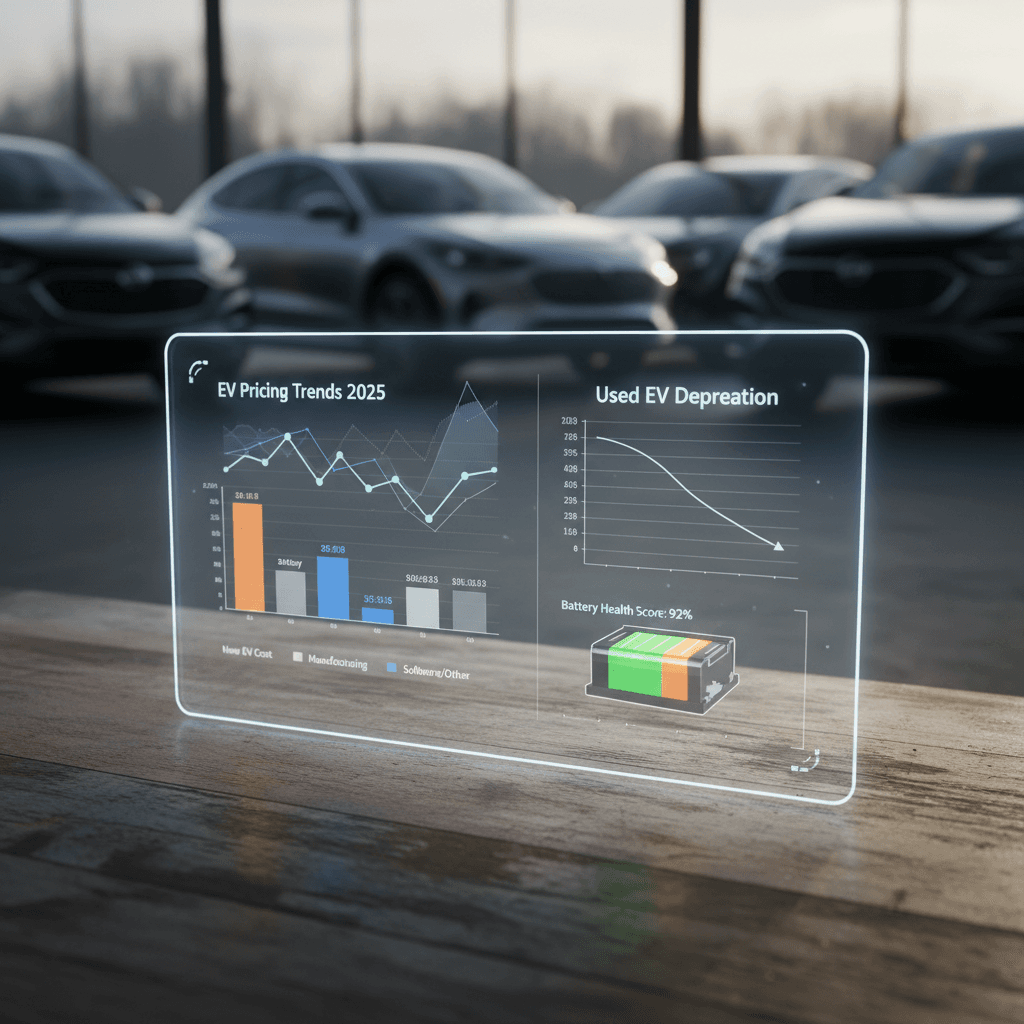
The used market is where EV pricing has changed most dramatically. Just a couple of years ago, late‑model EVs routinely sold for more than comparable gas cars. By mid‑2024, that flipped: several studies showed the average used EV selling for thousands less than the average gas vehicle, and the gap persisted into 2025 even as overall used‑car prices stabilized.
Typical used EV vs gas pricing (late‑model, U.S.)
High‑level comparison of recent average transaction prices for 1–5 year‑old vehicles.
| Vehicle type | Average price | 1‑year price change | Notes |
|---|---|---|---|
| Used EV (1–5 years old) | ~$32,000 | ▼ ~15% | Values hit hard by rapid tech change and new‑car price cuts. |
| Used gas car (1–5 years old) | ~$31,000 | ▼ ~1% | Market largely stable; small declines only. |
| Used hybrid (1–5 years old) | ~$30,000 | ▼ ~1% | Strong demand keeps prices firm. |
Actual prices for a specific vehicle will vary by trim, mileage, region and condition.
For shoppers, that means used EVs are often the best value in the market right now, particularly if you’re comfortable with at‑home charging and can verify battery health. For sellers, it means expectations need to be reset: the price you saw on a similar EV 18 months ago may no longer be realistic.
The 5 biggest factors that drive used EV prices
What really moves EV pricing
Beyond simple year, make and model, these factors do the heavy lifting.
1. Battery health
Battery state of health (SoH) is the single most important EV‑specific pricing lever. A pack that has 90–95% of its original capacity will command a premium over one that has dropped into the 70s.
2. Range and efficiency
Later‑generation EVs with longer EPA range and faster charging speeds tend to hold value better, because they reduce day‑to‑day friction for owners.
3. Charging speed
Cars that can take advantage of DC fast charging, especially at 150 kW and above, are more attractive to used buyers, particularly road‑trippers or apartment dwellers.
4. Age and software
Because EVs are software‑defined, shoppers care about over‑the‑air update support, driver‑assist features and app experience as much as physical age.
5. Region and climate
EVs in mild climates with modest mileage typically price higher than identical models that lived in extreme heat or cold, simply because their batteries tend to age more gently.
Bonus: Supply and sentiment
Lease returns, fleet sell‑offs and headlines about EV demand all filter into auction lanes. When supply spikes or sentiment sours, prices soften quickly.
Battery health: how much it moves EV pricing
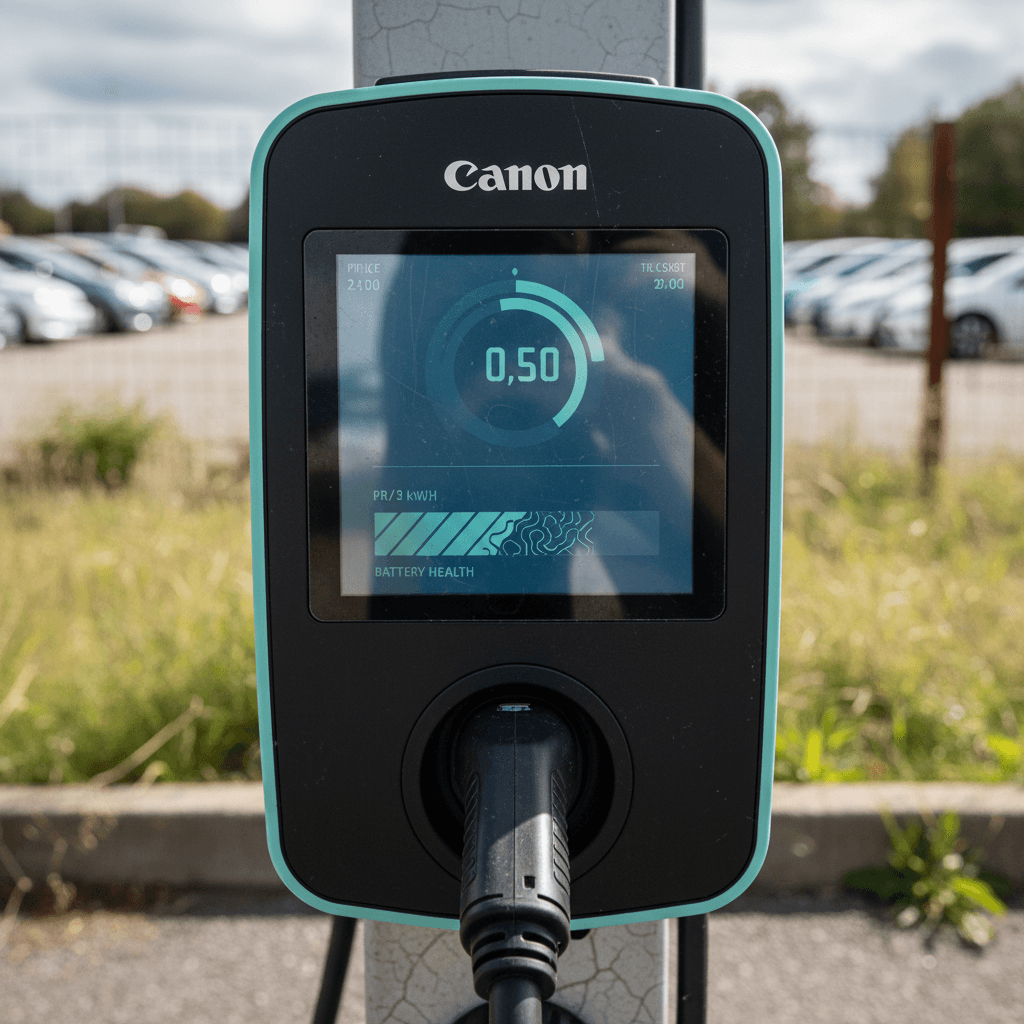
Battery health is where EV pricing diverges most sharply from traditional used‑car logic. Two otherwise identical crossovers, same year, trim and mileage, can be separated by thousands of dollars if one has a strong, well‑documented pack and the other shows accelerated degradation or a spotty fast‑charging history.
How Recharged handles battery health
- A pack that tests at or near original capacity justifies pricing closer to the top of the market for that model, even with slightly higher mileage.
- Noticeable degradation, say, usable range down 15–20% from new, should be reflected in a lower asking price unless the seller has already discounted heavily.
- Transparent reporting (scan reports, OEM battery certificates, Recharged Score, etc.) tends to support stronger resale values because buyers have fewer unknowns to price in.
EV depreciation curves and when the deals are best
Traditional gas vehicles typically follow a predictable depreciation curve: a big hit in the first three years, then a slower slide. EVs add a few twists. Rapid technology improvements, shifting incentives and big price moves from leaders like Tesla can cause step‑down moments where a specific model suddenly becomes a lot cheaper overnight.
Years 0–3: Tech and incentive shock
New‑car price cuts, refreshed models and changing tax rules can all hammer values for nearly‑new EVs. This is often when you’ll see a 1‑ to 2‑year‑old EV priced far below what the original buyer paid.
If you’re comfortable owning out of warranty sooner, this can be a sweet spot to buy.
Years 4–8: Battery curve matters most
By the mid‑life of an EV, most of the technology shock is priced in and values start to reflect battery health and real‑world reliability. Vehicles with strong packs and clean histories stabilize; those with issues trade at heavy discounts.
This is where tools like the Recharged Score become crucial inputs to pricing.
Where value‑hunters are shopping now
How to tell if a used EV price is fair
Because EV pricing is moving fast, “book values” alone rarely tell the full story. To decide if a used EV is fairly priced, you’ll want to combine traditional comparables with EV‑specific data and your own total‑cost‑of‑ownership math.
Quick checklist: sanity‑check any EV asking price
1. Start with real comps, not just guides
Look at actual listings and recent sale prices for the same model year, trim and similar mileage in your region. Pricing tools are a baseline, but live market data tells you what buyers are really paying.
2. Adjust for battery health and range
A car with a verified strong pack, clean charging history and longer range deserves to sit at the high end of the comp range. Weak or unknown battery health should push it down, sometimes substantially.
3. Factor in software and feature differences
Check for paid software options, driver‑assist packages and connectivity features. OTA‑updatable vehicles can hold value better than models stuck with older infotainment.
4. Add charging equipment into the equation
If the vehicle includes a home Level 2 charger or high‑value adapters, that can easily represent several hundred to a couple thousand dollars of real value you won’t need to spend later.
5. Run the math on fuel and maintenance
Even if a used EV is slightly more expensive than a gas equivalent today, lower fueling and maintenance costs over 5–10 years can make the EV the cheaper choice overall.
6. Check for remaining battery and drivetrain warranty
A car with meaningful battery warranty coverage left can justify a higher price, especially if you’re risk‑averse about pack replacement costs.
How trade‑ins and auctions shape EV pricing
Behind every retail price is a wholesale story. Most used EVs move through auctions, physical or digital, before you ever see them on a lot or marketplace. When large numbers of off‑lease EVs or rental‑fleet sell‑offs hit the lanes at once, wholesale values can fall quickly. That filters into the prices consumers see within weeks.
What dealers and marketplaces watch
- Lane results for specific trims and battery sizes
- Regional demand for EVs vs gas and hybrids
- Reconditioning and battery diagnostic costs
- Days‑to‑sell metrics for each model
What that means for your trade‑in
If wholesale values slide, trade offers follow. That’s why your EV might “book” higher on paper than what a dealer can realistically pay today.
At Recharged, we look at both auction data and verified battery health to make trade‑in valuations more transparent and tailored to EVs.
Selling options matter too
Financing, taxes and total cost: what you really pay
Sticker price is only the first line of the spreadsheet. Interest rates, sales tax, fees and your long‑term running costs all factor into what EV pricing means for your budget. With EVs in particular, the monthly payment can look similar to a gas car even when the purchase price is higher, once you account for fuel and maintenance savings.
EV total cost vs gas: where the savings show up
A higher purchase price doesn’t always mean higher lifetime cost.
Fuel costs
Charging at home on off‑peak rates can cut your “fuel” bill by thousands of dollars over a typical ownership period compared with gasoline.
Maintenance
EVs skip oil changes and have fewer moving parts. Brake wear is often lower thanks to regen. Over time, that simplifies your service budget.
Taxes & fees
Some states add EV registration fees, others still offer rebates or HOV perks. Run the numbers for your ZIP code rather than assuming either advantage or penalty.
Use pre‑qualification to set your price ceiling
FAQ: EV pricing questions buyers ask most
EV pricing, answered
Key takeaways: how to use EV pricing to your advantage
EV pricing in 2025 is volatile, but it isn’t random. Once you understand how battery health, incentives, technology changes and wholesale dynamics mesh together, the market starts to look less like noise and more like opportunity. For many shoppers, used EVs now represent some of the best values in the entire used‑car market, especially if you plan to keep the car long enough to enjoy lower fueling and maintenance costs.
If you’re ready to put this knowledge to work, start by deciding what matters most: monthly payment, battery longevity, range or future resale. Then look for vehicles whose pricing truly matches their story, clean history, verified battery health, and transparent valuation. That’s exactly what Recharged was built for: a simpler, more transparent way to buy, sell or trade a used EV with the numbers, diagnostics and support you need to feel confident at every step.