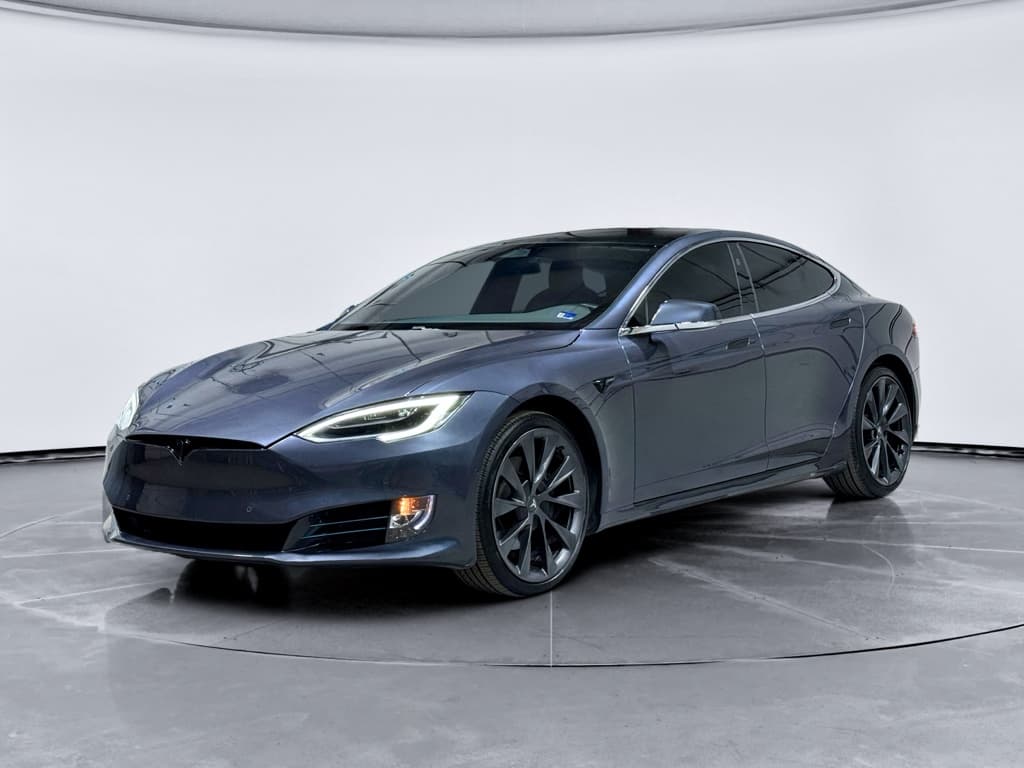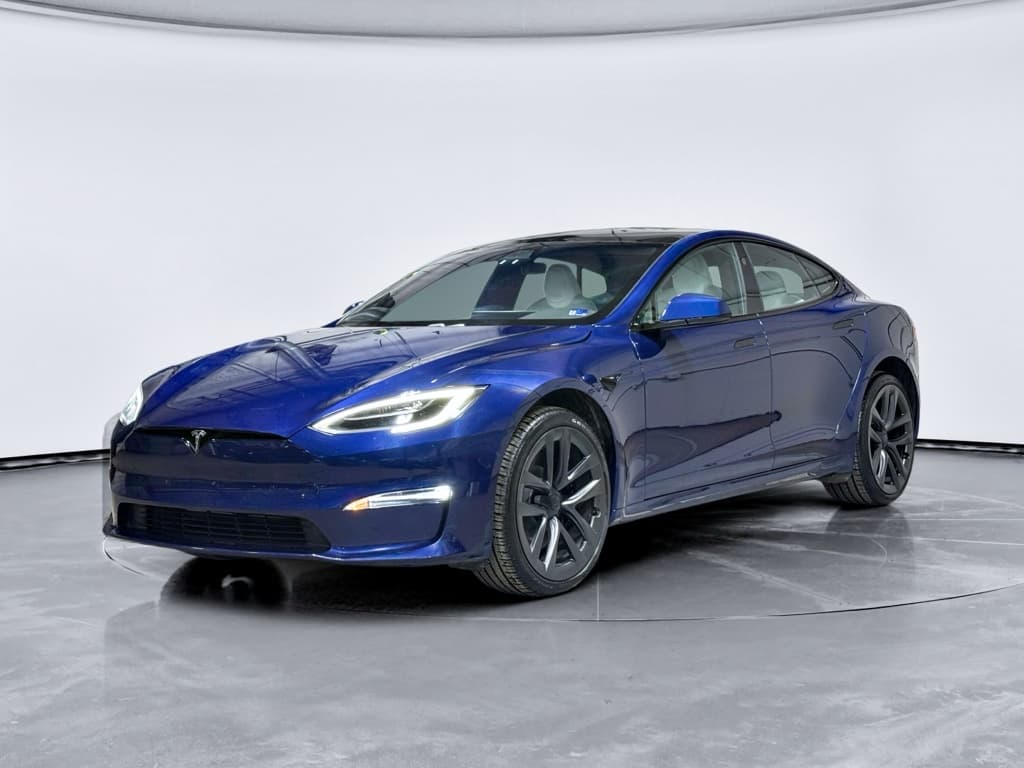
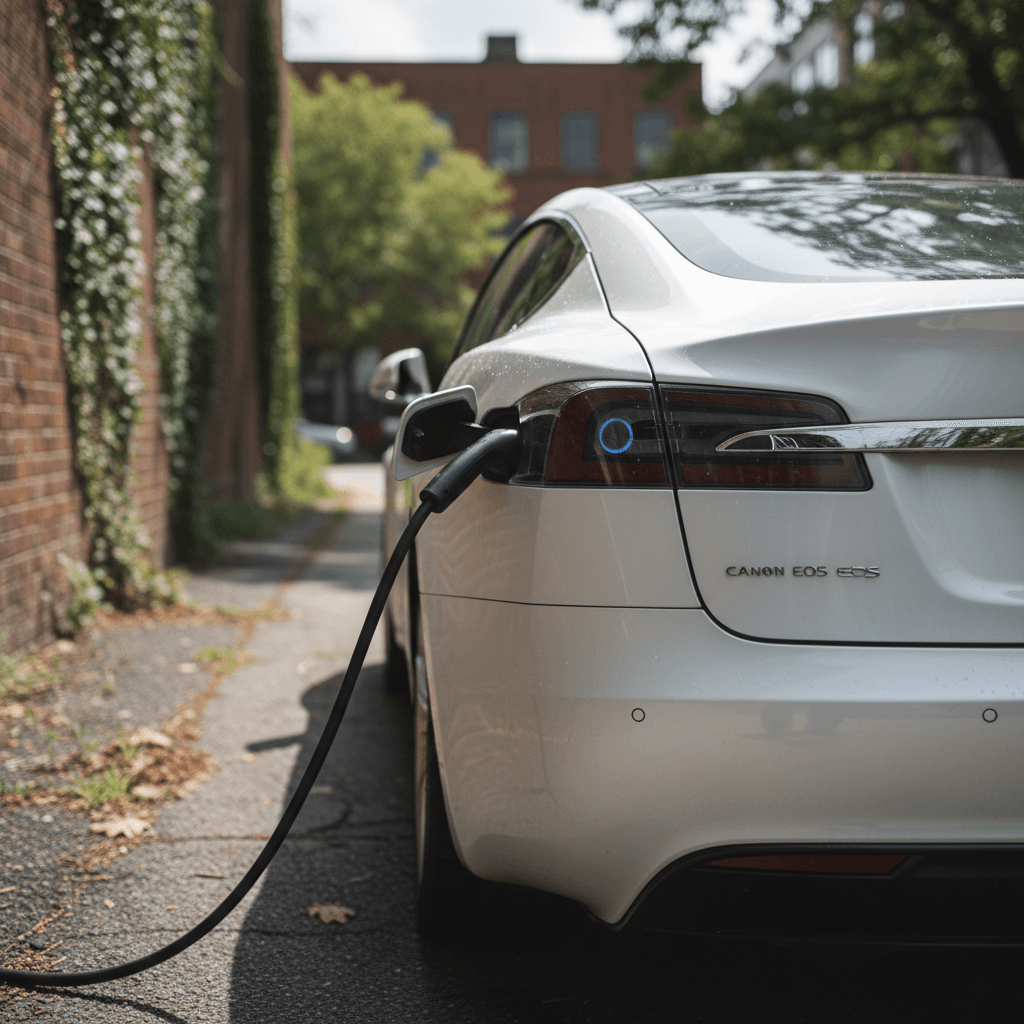
If you’re trying to figure out your 2020 Tesla Model S trade in value in 2025, you’ve probably discovered how wildly offers can swing from one site or dealer to the next. That’s normal. The 2020 Model S sits in a strange spot: still desirable, but caught between newer tech, price cuts on new Teslas, and growing scrutiny on battery health. This guide walks you through real-world value ranges and what you can do to land on the high end of the spectrum.
Quick context
Why 2020 Tesla Model S Trade-In Value Is Tricky in 2025
The 2020 Tesla Model S launched just before major industry shifts: Tesla price cuts, refreshed interior/exterior designs, and the arrival of the Model S Plaid in 2021. All of those changes ripple through used values. At the same time, used EV buyers are getting smarter about battery health, warranty coverage, and software features, so two 2020 Model S sedans with the same mileage can appraise thousands of dollars apart.
2020 Tesla Model S in Today’s Used Market
Watch out for automated pricing only
Typical 2020 Tesla Model S Trade-In Value Ranges
Exact numbers move week to week, but you can think in ballparks. For a clean-title, well-maintained U.S. 2020 Model S with normal mileage (40,000–70,000 miles), dealer trade-in offers in early–mid 2025 often fall into these broad ranges:
High-Level 2020 Model S Value Bands (U.S. Trade-In Offers)
These are directional ranges, not quotes. Your specific car can be above or below.
Strong Example
Approx. $40,000–$48,000
- Long Range, ~40k miles
- Excellent battery health
- Clean history, desirable color/wheels
Average Example
Approx. $33,000–$40,000
- Long Range or Performance, ~60k–75k miles
- Minor cosmetic wear
- Normal battery health for age
Challenged Example
Approx. $25,000–$33,000
- High mileage (90k+)
- Noticeable range loss or accident history
- Needing tires or brake work
Trade-in vs private-party
7 Factors That Move Your 2020 Model S Value Up or Down
When appraisers look at a 2020 Tesla Model S, they’re not just checking the odometer. They’re effectively pricing your car on seven key levers. Understanding these gives you a roadmap for pushing your trade-in offer higher.
Key Value Drivers for a 2020 Model S
1. Trim: Long Range vs Performance
Performance models originally sold for more and can still command a premium, especially with desirable wheels and brakes. But if efficiency and range matter in your market, a clean Long Range can be just as attractive.
2. Actual Battery Health
Appraisers increasingly look beyond mileage to the <strong>usable capacity</strong> of your pack. A battery that still charges close to its original rated range is worth more than one that’s down 10–15% or more.
3. Mileage and Usage Pattern
Lower mileage usually helps, but 5 years of mostly highway commuting can be easier on a pack than constant DC fast charging. Service history and charge habits both shape value.
4. Autopilot and FSD Capability
Basic Autopilot is standard on many 2020 cars, but transferable Full Self-Driving capability can nudge your value up with the right buyer, though some dealers discount software heavily or ignore it altogether.
5. Cosmetic and Wheel Condition
Curb rash, cracked glass, and worn interiors cut into what a dealer will offer, they have to recon the car. Clean paint, intact Aero or Turbine wheels, and a tidy interior support stronger bids.
6. Accident and Title History
Airbag deployments, structural repairs, or salvage branding can push your Tesla into an entirely different pricing bucket. Even minor accidents reported to insurance can trim a few percent from values.
7. Local Market and Timing
Demand for a 2020 Model S is not the same in Phoenix as it is in Boston. Seasonality, local EV incentives, and new-vehicle discounts on Model S all filter into used values.
Leverage multiple appraisals
How Battery Health and Mileage Change Trade-In Value
For a 2020 Tesla Model S, battery condition is the big wild card. Two cars with identical mileage can drive and price very differently if one has been fast-charged hard or routinely stored at 100% state of charge. Traditional appraisal books don’t capture this nuance well, which is why EV-specific diagnostics are becoming essential.
What appraisers increasingly care about
- Degradation vs peers: How your pack compares to typical loss for a 5‑year‑old Model S.
- Charge behavior: Heavy DC fast charging or constant 100% charges can signal a harder life.
- Range at 100%: The real-world full-charge estimate compared with original EPA ratings.
How that translates into dollars
- Healthy pack: Near-original range can keep you in the upper end of value bands.
- Moderate loss: 8–12% degradation may trim value but is often considered normal.
- Significant loss: Anything beyond that, or a failing module, can push your car into a steep discount category.
Where the Recharged Score fits in
Long Range vs Performance: What Your Trim and Options Are Worth
The 2020 Model S lineup centered on two main variants in the U.S.: Long Range and Performance. Performance models carry higher original MSRPs and appeal to enthusiasts, but their value edge depends on your specific market and how they’re optioned.
How 2020 Model S Trims and Options Influence Value
Approximate relative impact compared with a similar Long Range car in comparable condition.
| Feature | Typical Impact on Value | Notes |
|---|---|---|
| Performance trim | + $2,000–$4,000 | Stronger in enthusiast-heavy markets; smaller premium where range is prioritized. |
| Larger wheel packages | - $500 to + $1,000 | Look great, but shorter range and higher tire costs can scare some buyers. |
| Premium paint colors | + $500–$1,000 | White and black are easiest to sell; reds and blues can add appeal in some regions. |
| Full Self-Driving (FSD) capability | 0 to + $2,000 | Some buyers pay up, others don’t trust the long-term roadmap. Many dealers underprice it. |
| Free unlimited Supercharging (if transferable) | + $1,000–$2,000 | Rare for 2020; if your car has it and it’s truly transferable, it’s a selling point. |
| Well-documented service history | + $500–$1,000 | Clean Carfax + detailed records are reassuring and support stronger bids. |
These are directional adjustments, not guaranteed add-ons at every dealer.
Don’t assume software value is obvious
Dealer Trade-In vs Selling Online vs EV Marketplaces
Once you know roughly what your 2020 Tesla Model S is worth, the next question is where to sell it. Each channel balances convenience, price, and effort differently.
Three Main Ways to Sell Your 2020 Model S
All of them work; the right one depends on your priorities.
1. Traditional Dealer Trade-In
- Pros: Easiest; roll equity straight into your next vehicle.
- Cons: Often the lowest offer, especially from non-EV specialists.
- Best for: Buyers prioritizing speed and simplicity over top dollar.
2. Direct Online Car-Buying Sites
- Pros: Fast quotes, at-home pickup in many markets.
- Cons: Automated pricing tools may ignore battery health and software.
- Best for: Clean, mid-mileage cars in average condition.
3. EV-Focused Marketplaces (like Recharged)
- Pros: Pricing engines tuned for EVs, with tools like the Recharged Score.
- Cons: May take a bit longer than a same-day dealer trade.
- Best for: Well-kept cars where battery health and options deserve a premium.
Where Recharged fits in
Step-by-Step: How to Maximize Your 2020 Model S Trade-In Offer
You can’t control the market, but you can control how your 2020 Model S shows up in it. Here’s a practical, short checklist to swing offers toward the top of the range.
Pre-Trade-In Checklist for Your 2020 Model S
1. Gather your documentation
Have your registration, title (or payoff info), service records, and any battery or tire receipts ready. Organized paperwork signals a well-cared-for car.
2. Get a battery health snapshot
Use an EV diagnostic or a marketplace like Recharged that can produce an objective battery health report. This helps justify your price, and builds trust with buyers.
3. Address easy cosmetic fixes
Simple detailing, touch-up paint, and wheel repair can have an outsized impact. A few hundred dollars in cleanup can support an offer that’s $1,000+ higher.
4. Fix cheap warning lights
A tire-pressure sensor or basic 12V battery issue looks scary on a test drive but is inexpensive to fix. Clear simple codes before you ask for serious money.
5. Get multiple offers within a short window
Shop your car to 2–4 buyers in the same week so you’re comparing apples to apples. Use the strongest offer as leverage with the others.
6. Be transparent but firm
Disclose known issues, but also point to strengths: healthy battery, tires, recent service, and software features. Start negotiations at the high end of your researched range.
Sample Pricing: How Different 2020 Model S Scenarios Price Out
To put all of this in context, here’s a simplified look at how two hypothetical 2020 Model S sedans might appraise very differently even though they share the same model year.
Scenario-Based 2020 Tesla Model S Value Examples
Illustrative examples only, assuming U.S. market in 2025 and clean titles.
| Scenario | Key Details | Likely Trade-In Band |
|---|---|---|
| A: Strong Example | Long Range, 42k miles, excellent battery health, clean history, good tires, desirable color/wheels | Around $40,000–$48,000 |
| B: High-Mileage Example | Long Range, 95k miles, noticeable range loss, previous minor accident, worn tires | Around $27,000–$34,000 |
| C: Performance, Enthusiast Spec | Performance trim, 55k miles, healthy battery, performance wheels and brakes, no accidents | Around $38,000–$46,000 |
| D: Cosmetic/History Challenges | Performance trim, 60k miles, good battery, but visible body damage and an accident on record | Around $30,000–$38,000 |
Use these as guardrails, then fine-tune using real offers and a battery health report.
Use ranges, not single numbers
Common Mistakes That Can Cost You Thousands
Most 2020 Model S owners don’t lose money because the car is bad, they lose it because they walk into a negotiation unprepared. Avoid these common traps.
- Accepting the first offer from a non-EV dealer without comparison.
- Letting a dirty interior, pet hair, or curb-rashed wheels drag down perceived condition.
- Ignoring battery health entirely and assuming mileage tells the whole story.
- Overestimating the value of FSD or cosmetic mods to buyers who don’t care about them.
- Waiting until after you’ve agreed on the new-car price to talk about trade-in, instead of negotiating both pieces separately.
Biggest risk: invisible battery issues
How Recharged Helps You Price and Sell a 2020 Model S
Luxury EVs like the 2020 Tesla Model S live or die on transparency. That’s where an EV-specific retailer and marketplace like Recharged comes in. Instead of treating your Model S like any other 5‑year‑old sedan, Recharged leans into the details that actually matter to EV buyers.
What You Get When You Work With Recharged
Built specifically for buying and selling used EVs, not gas cars.
Verified Battery Health: Recharged Score
Every vehicle sold through Recharged includes a Recharged Score Report with verified battery diagnostics. That helps justify pricing on your 2020 Model S and reassures buyers that they aren’t rolling the dice on a 5‑year‑old pack.
Flexible Ways to Sell
You can pursue an instant offer, trade-in, or consignment-style listing through Recharged. Expert EV specialists help you choose the path that balances speed and price for your situation.
Nationwide Reach and Delivery
Because Recharged supports nationwide delivery, your 2020 Model S isn’t limited to buyers in your ZIP code. That broader audience can support stronger pricing for well-kept cars.
Human EV Specialists
From reading your battery report to setting a realistic price target, EV-specialist support helps you understand where your car sits in the market and how to position it to sell.
Ready to find your next EV?
Browse VehiclesYou’re not on your own
2020 Tesla Model S Trade-In FAQ
Frequently Asked Questions About 2020 Model S Trade-In Value
Bottom Line: What Your 2020 Model S Is Really Worth
Your 2020 Tesla Model S trade in value in 2025 isn’t a single magic number, it’s a range shaped by battery health, mileage, trim, cosmetic condition, and where you choose to sell. A clean, well-documented car with solid range can still command impressive money, especially with the right buyer. A high-mileage or rougher example will sit lower, but it doesn’t have to be a fire sale if you present it honestly and shop your offers.
Focus on what you can control: get a battery health snapshot, clean and prep the car, compile records, and compare multiple bids in a short window. If you want help translating all of that into a real-world price, an EV-focused partner like Recharged can provide battery diagnostics, expert pricing, trade-in or consignment options, and even nationwide delivery for the next owner. That combination of transparency and reach is how you turn a good 2020 Model S into a great outcome when it’s time to sell.