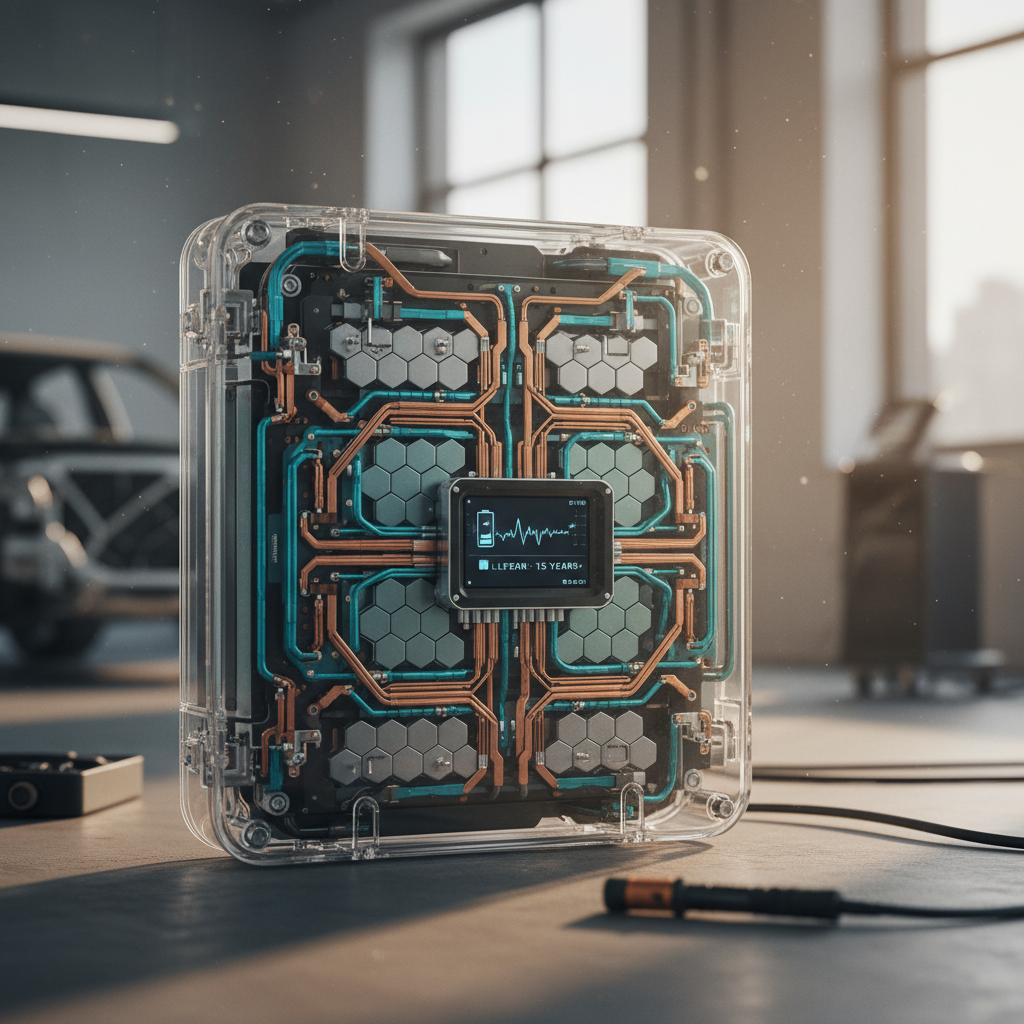
The Lexus RZ maintenance schedule looks very different from what Lexus owners are used to with gas models. No oil changes, no transmission services, and far fewer moving parts, but you still have a premium EV that needs smart, regular care if you want it to age well and keep its warranty intact.
Big picture
Lexus RZ maintenance basics
The RZ 450e uses the same basic maintenance cadence as other modern Lexus models, but the work list is much lighter because the powertrain is electric. Lexus and most dealers think in 5,000‑mile / 6‑month chunks, with more substantial items every 10,000–15,000 miles.
- Time-based: plan on a check-in about every 6 months, even if you don’t hit the mileage.
- Mileage-based: tire rotations at ~5,000–7,500 miles, broader inspections at 10,000–15,000 miles and beyond.
- Almost no engine-related work: there’s no engine oil, spark plugs, fuel system, or multi-speed transmission to service.
- Wear items still matter: tires, brake fluid, cabin filters and wiper blades remain regular maintenance items.
EV advantage
Lexus RZ maintenance schedule by mileage and time
Always confirm details in your owner’s manual or Lexus app, but this captures the typical Lexus RZ 450e service schedule U.S. owners will see at dealers:
Typical Lexus RZ maintenance schedule (U.S.)
Approximate service cadence for a Lexus RZ 450e under normal driving conditions. Time intervals apply even if you drive fewer miles.
| Mileage | Time (whichever comes first) | Key items |
|---|---|---|
| 5,000 miles | 6 months | Multi-point inspection, tire rotation, fluid level check |
| 10,000 miles | 12 months | Inspection, tire rotation, cabin air filter (as needed) |
| 15,000 miles | 18 months | Inspection, tire rotation, brake inspection, cabin filter |
| 20,000 miles | 24 months | Inspection, tire rotation; dealer may replace cabin filter again |
| 30,000 miles | 36 months | More comprehensive inspection, brake fluid replacement at many dealers, filters |
| Every 5,000–7,500 miles | , | Tire rotation and basic inspection |
| Every 2–3 years | , | Brake fluid flush (dealer-dependent) |
| 100,000+ miles | 8–10 years | Coolant inspections, detailed battery and high-voltage checks as needed |
Use this as a planning tool; follow your owner’s manual and dealer recommendations for exact requirements.
Normal vs. severe schedule
What actually happens at each Lexus RZ service
Key Lexus RZ 450e service visits explained
Here’s what the typical dealer visit includes at major milestones.
5,000 miles / 6 months
Focus: Baseline check and tire care.
- Tire rotation and pressure set
- Visual brake inspection
- Suspension, steering and underbody check
- Top off washer fluid
On some Lexus service menus, this first 5K visit is complimentary.
10,000–15,000 miles / year 1
Focus: Early wear-in.
- Tire rotation (if due)
- Detailed inspection of brakes, steering, suspension
- Check coolant, gearcase, and other fluids for leaks
- Replace cabin air filter if dirty
Expect this visit to be quick and mostly inspection-based.
30,000 miles / year 3
Focus: First deeper service.
- Comprehensive inspection front to back
- Brake fluid replacement at many Lexus dealers
- Cabin air filter replacement
- Software checks and updated TSBs
This is usually the first service that feels like more than just a checkup.
60,000–90,000 miles
By this point, most of the RZ’s maintenance still revolves around tires, brakes and fluids. Dealers will continue the 5K/10K cadence of inspections and rotations, with brake fluid and coolant checks spaced a few years apart. Many owners will be on their second or third set of tires by 90,000 miles, especially if they drive aggressively.
100,000+ miles
High-mileage RZs should receive more detailed high-voltage system inspections. That can include checking DC cables, connectors, the on‑board charger and cooling system. The traction battery itself is designed to last the life of the vehicle and is typically covered by an 8–10 year warranty, but a dealer can run diagnostics if range noticeably drops.

Lexus RZ vs gas Lexus: maintenance costs
If you’re coming out of an RX, NX or ES, the most pleasant surprise with an RZ is how little there is to service. There’s no engine oil, timing belt, fuel injectors, exhaust, or traditional transmission to maintain, items that drive a lot of the cost in Lexus cost‑to‑own charts for gas models.
How EV maintenance compares in the real world
Where the RZ really saves
High-value checks: battery, brakes, tires and fluids
Even with a light service schedule, there are a few areas where it pays to be proactive on a Lexus RZ, especially if you plan to own it past the factory warranty or buy one used.
Key systems to stay ahead of on an RZ 450e
These items have the biggest impact on long-term cost and safety.
Traction battery & thermal system
- Monitor range trends and charging behavior; sudden drops can signal an issue.
- Keep battery temps moderate, avoid frequent 0–100% DC fast charges in extreme heat.
- Make sure coolant services are done on time; the battery relies on that system for longevity.
12‑volt battery
- Like all modern cars, the RZ still has a low‑voltage battery to run accessories and computers.
- Expect replacement roughly every 4–6 years depending on climate and use.
- A weak 12‑volt can trigger confusing warning lights, so test it during routine service.
Brakes & brake fluid
- Regenerative braking dramatically reduces pad and rotor wear, many EVs reach 70K+ miles on original pads.
- Brake fluid still absorbs moisture over time; most Lexus dealers recommend replacing it every 2–3 years.
- Ask for a brake fluid test strip or water‑content reading rather than guessing.
EV-rated tires
- RZ’s weight and instant torque can wear tires faster than a similar gas SUV.
- Rotate at 5,000–7,500 miles and keep pressures at spec to avoid cupping and premature wear.
- Look for EV‑specific tires that balance low rolling resistance with strong load ratings.
Don’t ignore uneven tire wear
Warranty, free maintenance and required service records
New Lexus RZ 450e models in the U.S. typically come with a limited basic warranty around 4 years/50,000 miles plus a longer powertrain and battery warranty, and many dealers include at least the first scheduled maintenance visits at no charge.
- Basic warranty: covers most non‑wear components for roughly 4 years/50,000 miles (check your specific model year).
- Powertrain/high‑voltage warranty: longer coverage on the motor(s), inverter and other drive components.
- Battery warranty: 8–10 years or around 100,000 miles for the traction battery, with specific capacity guarantees in the fine print.
- Complimentary maintenance: some dealers list 5K and 10K services as $0 for the RZ on their service menus, worth using while you can.
Keep the paper trail
Maintenance checklist for buying a used Lexus RZ
The used EV market has become one of the best value plays in the industry, and the RZ is no exception. But with a relatively new model and fast‑moving depreciation, you want to be extra careful about how the car was maintained and how the battery has aged.
Used Lexus RZ maintenance & health checklist
1. Verify every 5K/10K service visit
Ask for digital or stamped records at 5,000‑mile intervals. Missing one visit isn’t the end of the world, but big gaps, especially in the first 3 years, are a red flag.
2. Review tire wear and replacement history
Uneven or very early tire wear can hint at alignment issues, aggressive driving, or a lot of curb strikes. Budget for a fresh set if tread is low or mismatched brands are installed.
3. Confirm brake fluid and coolant service
Look for at least one documented brake fluid change by year three and evidence the coolant system has been inspected. These are cheap services that often get skipped but are important for long‑term reliability.
4. Check for software and recall updates
Ask a Lexus dealer to run the VIN for open recalls and completed campaigns. OTA updates help, but some items still require a physical visit to a franchise dealer.
5. Get objective battery health data
A simple dash‑display range reading doesn’t tell the whole story. A dedicated EV battery health test, like the <strong>Recharged Score</strong> we run on every vehicle, gives you a quantified view of degradation and pack condition.
6. Inspect charging history and hardware
Look for signs of damaged charge ports, bent pins, or worn cables. If the seller mostly DC‑fast‑charged in extreme heat, factor that into your range expectations and offer.
How Recharged approaches used RZs
How to save money on Lexus RZ maintenance
Because the RZ’s schedule is light, most of your savings come from avoiding unnecessary upsells and being strategic about when, and where, you have service done.
Smart scheduling
- Combine visits when possible so tire rotations, brake fluid and recall work happen together.
- Stick close to Lexus’s time recommendations, not just mileage, especially for fluids.
- If your mileage is low, you may be visiting yearly for inspections rather than every 5,000 miles.
Smart shop choice
- Use the dealer for high‑voltage, software and warranty work.
- Consider a trusted independent for tires, wipers and basic inspections once out of warranty.
- Get written estimates and ask which items are required vs. recommended at each visit.
Owner-friendly RZ maintenance you can handle
Monitor tire pressure monthly
Use the built‑in TPMS and a gauge. Proper pressure improves safety, range and tread life.
Visually inspect tires and brakes
A quick look through the wheel spokes can reveal uneven tread or obviously thin pads, helpful between dealer visits.
Keep charging habits battery-friendly
For daily use, try to live in the 20–80% state‑of‑charge window and avoid repeated back‑to‑back DC fast charges when the pack is hot.
Wash the underbody in winter climates
If you drive in salted regions, an occasional underbody rinse reduces corrosion risk over the long haul.
Beware of gas-car service patterns
Lexus RZ maintenance FAQ
Frequently asked questions about Lexus RZ maintenance
The Lexus RZ maintenance schedule is one of the quiet perks of owning this EV. Instead of planning your life around oil changes and transmission services, you’re mostly checking in a couple of times a year for inspections, tire care and inexpensive fluids. If you’re shopping used, pairing those records with a solid battery health report, like the Recharged Score on every vehicle we list, turns maintenance from a guessing game into a data point you can actually trust.