If you’ve driven an EV through a real winter, you’ve seen it: your range estimate drops, charging slows down, and the cabin takes longer to warm up. EV preconditioning in winter is how modern cars fight back, by warming the battery, the cabin, or both before you unplug and drive. Understanding how it works (and how to use it) can easily be the difference between a relaxed cold‑weather commute and a white‑knuckle drive watching the battery gauge.
Quick definition
What is EV preconditioning in winter?
At its core, preconditioning is just getting the car into its ideal operating state before you need it. In cold weather, that usually means three things:
- Warming the high‑voltage battery pack into its efficient temperature window (roughly 65–80°F for most EVs).
- Preheating or precooling the cabin so you’re comfortable and windows are defogged/defrosted.
- Doing both of the above while the car is still plugged in, so you preserve as much driving range as possible.
Almost every modern EV offers some form of preconditioning today. Many do it automatically when you set a departure time, use the mobile app, or navigate to a DC fast charger. A few older models require more manual work, and some can only preheat the cabin, not the battery.
Why cold weather hurts EV range and charging
To understand why winter preconditioning matters, you need a quick mental model of what cold does to lithium‑ion batteries and to your energy use in general.
What winter does to your EV
Three overlapping problems that preconditioning helps solve
Slower battery chemistry
Less usable range
Higher energy use
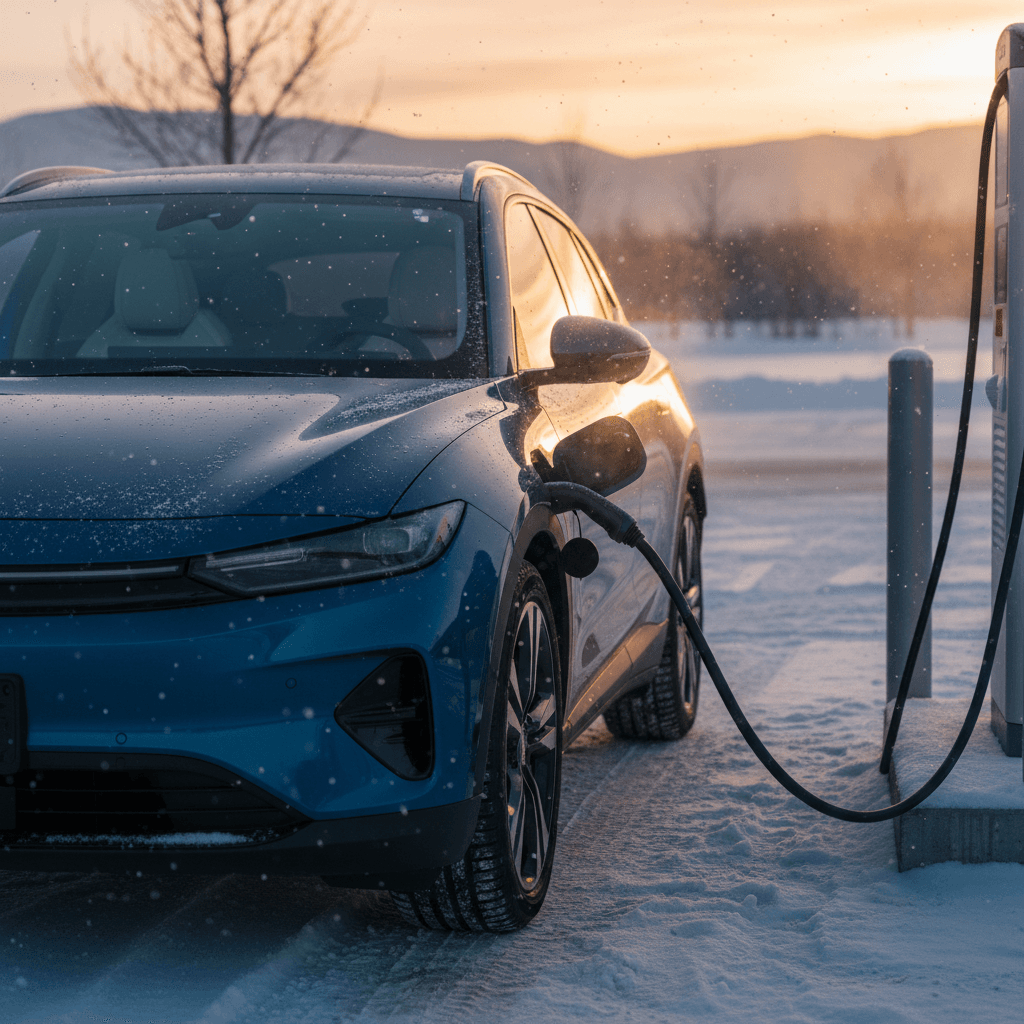
On top of that, a cold‑soaked pack arriving at a DC fast charger may initially pull only a fraction of its advertised power. That’s why you sometimes see a 150 kW charger delivering 30–40 kW when it’s 10°F outside, until the battery warms up.
Don’t trust the summer range number in deep winter
The two kinds of preconditioning: battery vs. cabin
1. Battery preconditioning
Battery preconditioning uses the car’s thermal management system to bring the pack into its happy temperature range before you demand high power, either for driving or for DC fast charging.
- Often triggered automatically when you navigate to a fast charger in the car’s built‑in navigation.
- Some EVs also warm the pack before a scheduled departure when it’s below a certain temperature.
- On heat‑pump cars, waste heat is moved around very efficiently; on older resistive‑heat systems, it costs more energy but still helps.
You know it’s working if you see a "battery warming" message, snowflake icons clearing, or hear extra coolant pump noise before a fast charge.
2. Cabin preconditioning
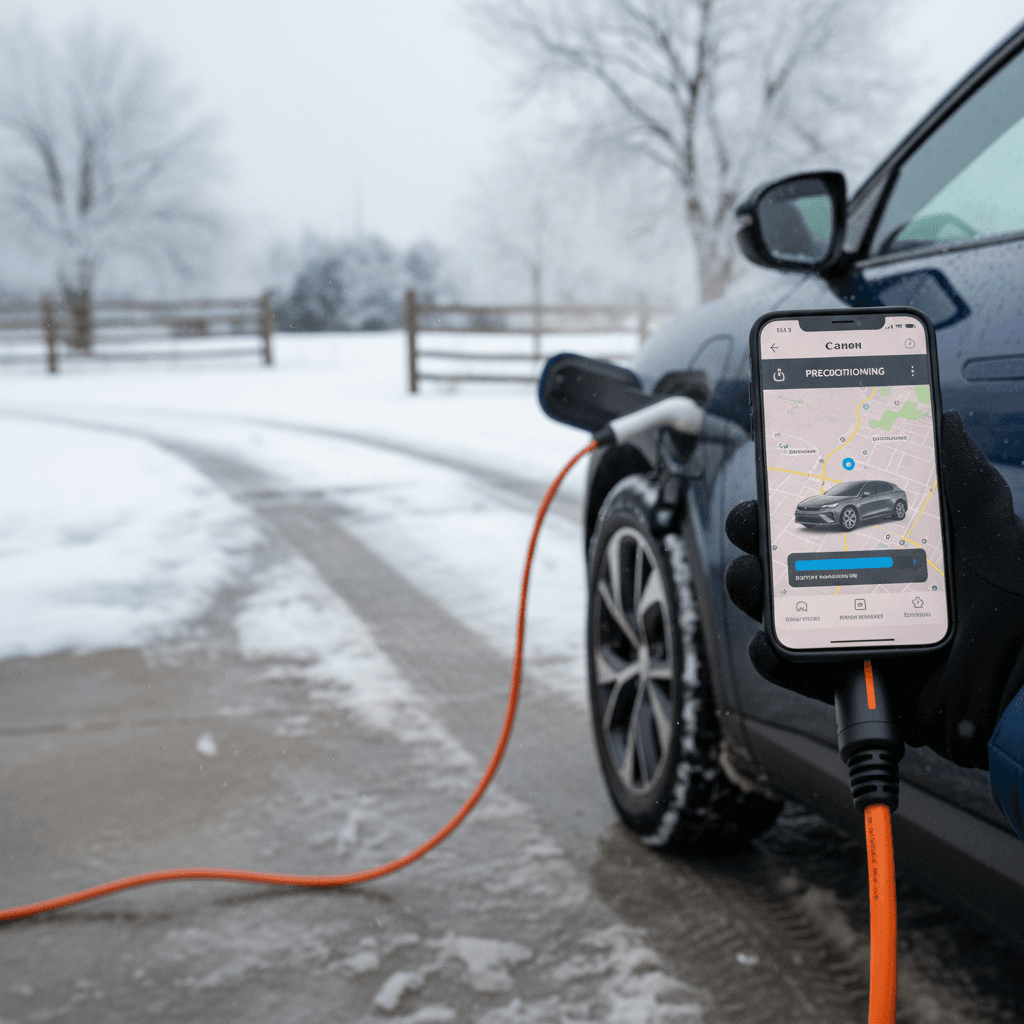
Cabin preconditioning is what most drivers notice first: using the app, key fob, or a schedule to heat the interior and clear the glass before you climb in.
- Makes winter commuting far more comfortable and safer (no driving with half‑fogged windows).
- If done while plugged in, most or all of the energy comes from the grid instead of your battery.
- Reduces the big initial "warm‑up" energy spike once you start driving, improving early‑trip efficiency.
In many EVs, cabin and battery preconditioning are linked: turning on a scheduled departure or app‑based preheat will also warm the pack if it’s cold enough.
How much does winter preconditioning actually help?
Preconditioning isn’t a magic on/off switch, its benefit depends on temperature, trip length, and how you drive. But we do have some useful real‑world data.
What drivers and tests are seeing in the cold
You’ll feel the benefit most if you either start with a fully warm car for a short commute or arrive at a DC fast charger with a warm pack. On a long highway slog in deep cold, you’ll still see range hit hard, but preconditioning keeps you from throwing away even more energy on the first 10–20 miles.
Rule of thumb
How to use preconditioning on popular EVs
Every brand does this a little differently, and software updates change details. Always check your owner’s manual or in‑car help, but here’s how winter preconditioning typically works on major platforms today.
Quick‑start: winter preconditioning on common EVs
High‑level patterns you can adapt to your specific model year
Tesla (Model 3, Y, S, X)
- Cabin: Use the Tesla app → Climate to preheat while plugged in, or set a Scheduled Departure.
- Battery for DC fast charging: Navigate to a Supercharger in the car’s navigation. The car automatically starts “Battery preconditioning” 30–45 minutes before arrival.
- In deep cold, start preheating earlier; the app shows when the pack is warming.
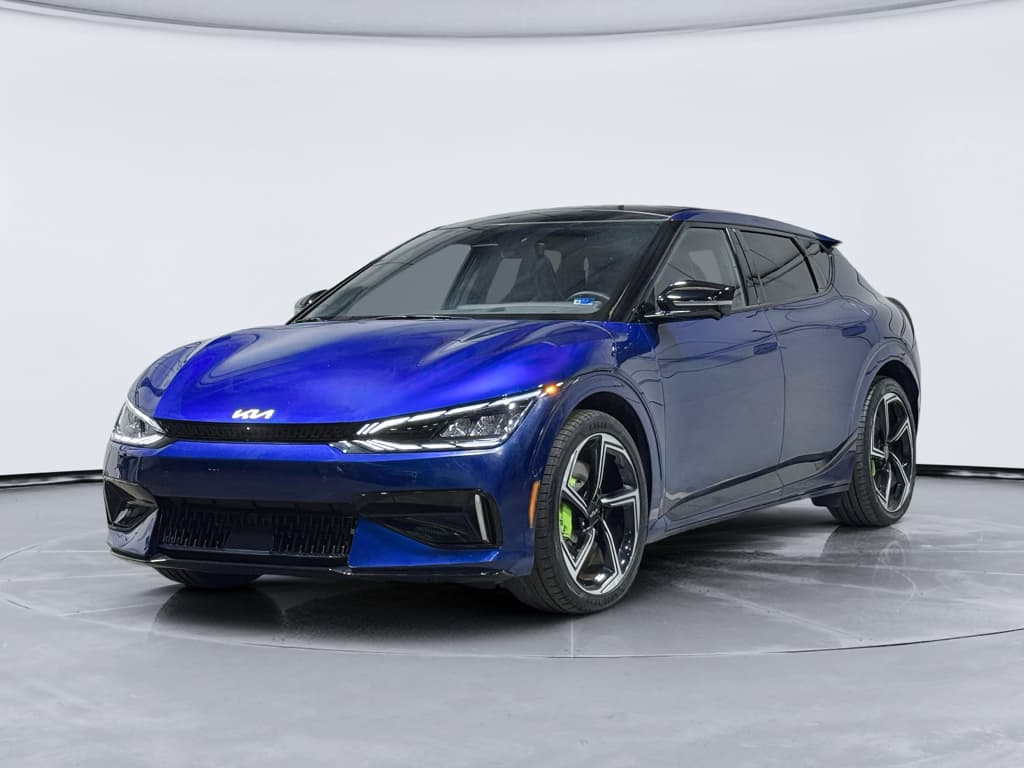
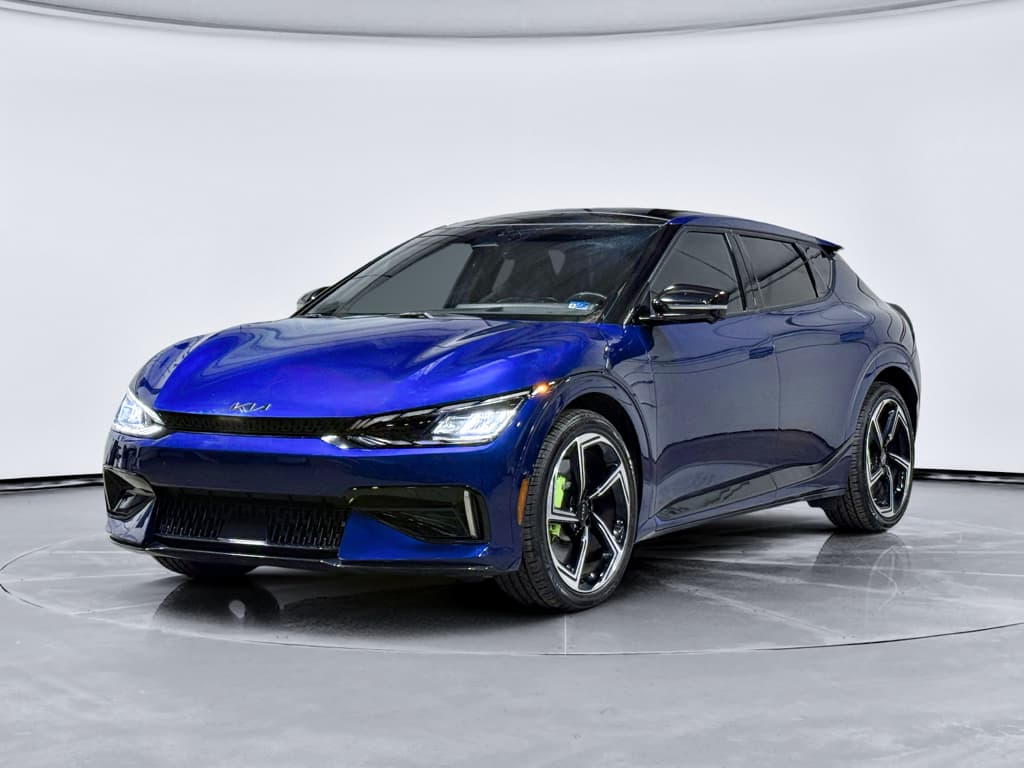
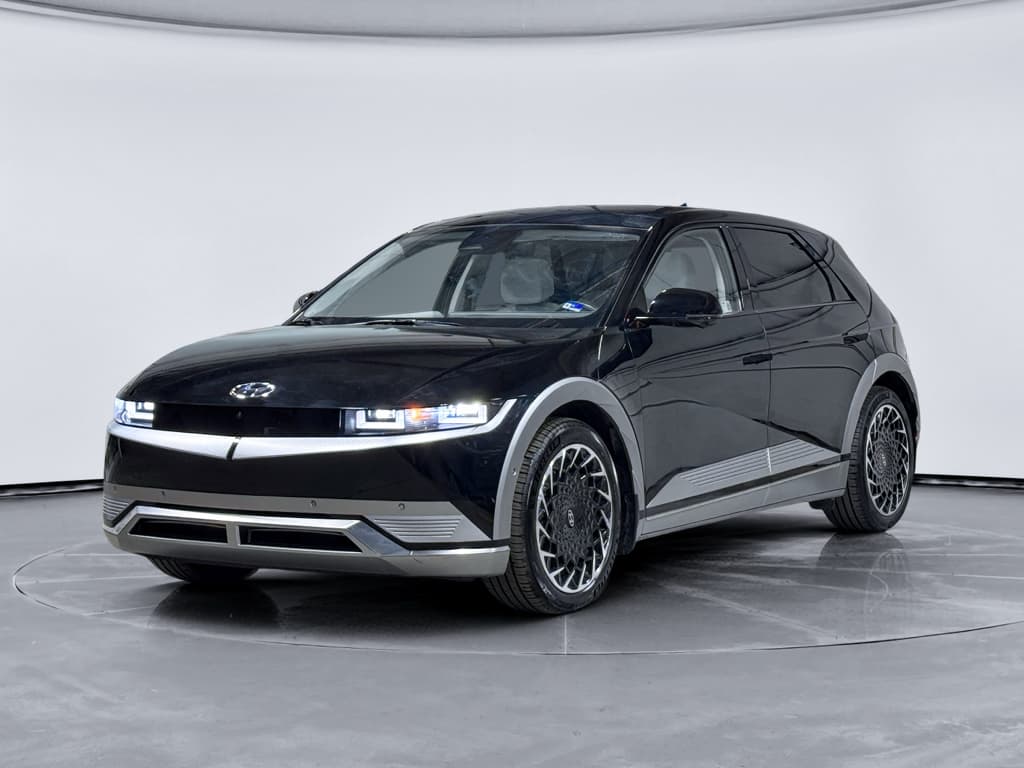
Hyundai IONIQ 5 / Kia EV6 / EV9
- Cabin: Use the Bluelink / Kia Connect app or set a departure schedule in the car.
- Battery: In most recent software, routing to a DC fast charger (or an “EV charging station” POI) will start pack warming 10–20 minutes before arrival.
- Older builds disabled or limited this feature; make sure your car is on current software.
Ford Mustang Mach‑E / F‑150 Lightning
- Cabin: FordPass app → Start, or schedule a departure time in Settings → Vehicle.
- Battery: Newer software can automatically warm the pack when you navigate to a DC fast charger. Names differ by model year ("Charge preconditioning," "Charge preheat").
- Without native pack preconditioning, arriving after 20–30 minutes of highway driving also warms the battery.
GM Ultium (Lyriq, Blazer EV, Equinox EV)
GM’s newer Ultium‑based EVs are increasingly adding automated preconditioning. In many trims, routing to a DC fast charger in the built‑in nav will start warming the pack before arrival. Cabin preconditioning is typically available through the app and scheduled departure menus.
If you’re cross‑shopping used Ultium models, verify that remote start and departure scheduling are enabled on the specific trim and subscription level you’re considering.
Older or simpler EVs
Some earlier‑generation EVs, like older Leafs, compliance‑car hatchbacks, or base‑trim city EVs, either can’t warm the pack directly or only do so weakly.
- Precondition the cabin while plugged in whenever possible.
- Plan a 10–20 minute drive before hitting a fast charger to let the battery warm up.
- Expect slower charging in Arctic‑level cold, and budget more time around stations.
Pro tip for apps and nav
Winter preconditioning best practices
Seven habits of a well‑prepared winter EV driver
1. Always precondition while plugged in
Whenever you can, start preheating the cabin, and the battery if your car supports it, while connected to home or workplace charging. That way, most of the energy comes from the grid, not your pack.
2. Use scheduled departure on workdays
Set a daily departure time in your EV’s settings. The car will automatically time cabin and battery heating so you unplug into a warm, comfortable car without thinking about it.
3. Precondition before DC fast charging
On road trips, add the fast charger as a navigation destination 20–45 minutes before arrival. That gives the thermal system time to bring the pack up to temperature for full charge power.
4. Favor seat and wheel heaters over cabin blast
Heated seats and steering wheels sip energy compared with blowing 80°F air into a -10°F cabin. Use them aggressively and keep the climate set a bit lower to stretch range.
5. Clear snow and ice manually first
Brush snow and scrape ice from glass and lights before you rely on defrosters. Otherwise you’re wasting precious energy melting inches of snow with electric heat.
6. Don’t chase 100% in deep cold
If your trip allows, charging to 80–90% and letting the car warm the pack is often healthier than hammering a cold battery at a fast charger right after a 100% top‑up.
7. Plan a bit more buffer
In winter, aim to arrive with 15–25% state of charge instead of running down to single digits. Preconditioning helps, but it can’t rewrite physics if roads close or traffic stalls.
Common mistakes to avoid in cold weather
Winter EV preconditioning mistakes (and better alternatives)
Avoid these traps to get the most from your EV when temperatures drop.
| Mistake | Why it hurts | Better approach |
|---|---|---|
| Only preheating after you unplug | All the high initial heating load comes out of your battery, slashing early‑trip range. | Start cabin preheat while plugged in 15–30 minutes before departure. |
| Arriving at a fast charger with a cold pack | Cold chemistry means slower charging; you may sit twice as long for the same energy. | Navigate to the charger in‑car so battery preconditioning starts before you arrive. |
| Relying only on defrosters for snow/ice | Electric heat is a terrible ice scraper; you burn energy just to melt what a plastic scraper can handle. | Clear windows, lights, and charge port manually, then use defrosters to finish the job. |
| Ignoring scheduled departure | You have to remember to open the app each time; most people forget on busy mornings. | Set recurring schedules on workdays so the car does the prep work for you. |
| Panicking about every winter range drop | Some loss in deep cold is normal and often over‑estimated by one bad trip. | Track a few weeks of cold‑weather use; adjust with realistic buffers rather than giving up on the car. |
Most winter headaches we see from EV owners boil down to a few predictable missteps, almost all of which preconditioning can help fix.
Safety note: don’t use ICE habits on EVs
Does winter preconditioning harm or help battery health?
From a battery‑health standpoint, most of what winter preconditioning does is actually protective rather than harmful.
- Charging a very cold lithium‑ion pack hard is stressful; warming it first reduces plating and long‑term degradation risk.
- Letting the pack sit at extremely low state of charge (<5%) in bitter cold for long periods is also rough on cells; preconditioning makes it easier to avoid those edge cases.
- Short bursts of heating to reach a moderate operating temperature are far less concerning than constant high‑temperature operation in summer.
Yes, preconditioning uses energy and cycles the battery more often if you do it unplugged. But in the real world, the trade is usually positive: a warmed pack charges more gently and efficiently, and you’re less likely to push the battery to extremes out of desperation.
Think of preconditioning as battery insurance
Used EV shopping? What to look for if you live with winters
If you’re shopping the used market from a place with real winters, Chicago, Denver, Minneapolis, upstate New York, the way an EV handles cold isn’t academic. It’s a quality‑of‑life issue.
Cold‑climate shopping checklist for used EVs
Features that make preconditioning more useful in winter
Heat pump HVAC
Robust app & scheduling
Battery preconditioning for DCFC
On Recharged, every vehicle includes a Recharged Score Report with verified battery health and real‑world range insight, so you’re not guessing how an older pack will behave when temperatures plunge. Our EV‑specialist team can also talk through which models handle winter best and how preconditioning features differ between trims and model years.
Leverage EV‑specific expertise
EV winter preconditioning FAQ
Frequently asked questions about EV preconditioning in winter
Winter doesn’t have to be the enemy of EV ownership. Once you understand how cold affects batteries, it becomes clear why EV preconditioning in winter is such a powerful tool: it shifts energy use to when you’re plugged in, keeps the pack in its comfort zone, and makes your daily drives less stressful. Whether you’re dialing in a car you already own or picking out a used EV through a service like Recharged, paying attention to preconditioning features, and learning to use them well, will pay off every time the temperature drops.