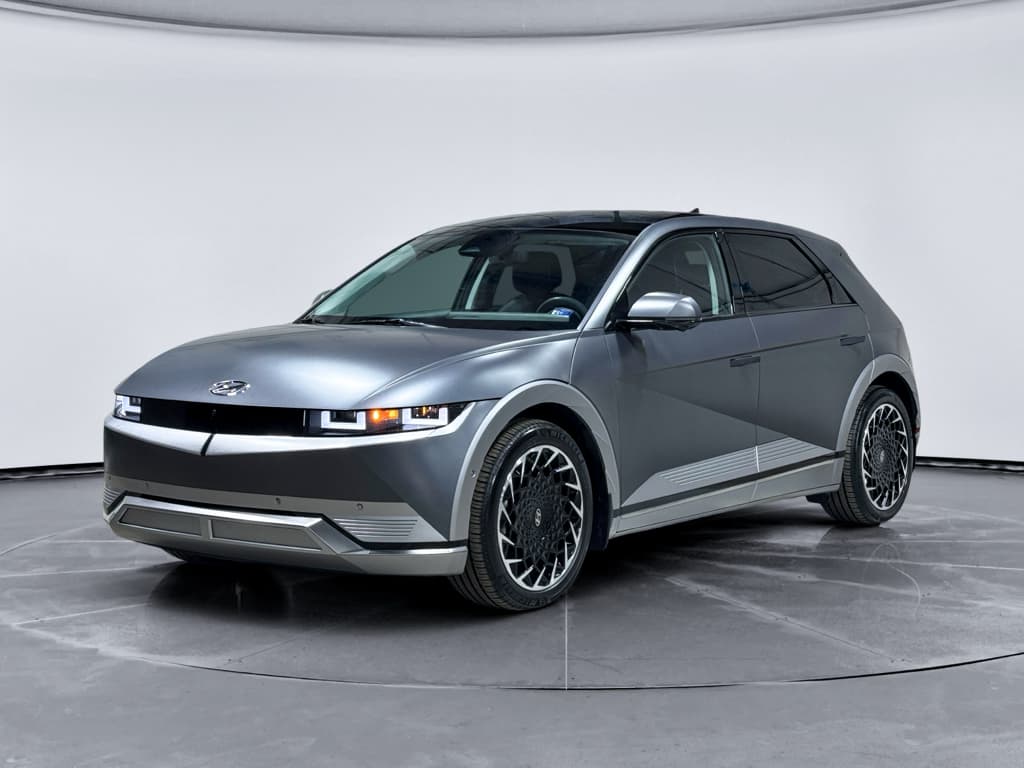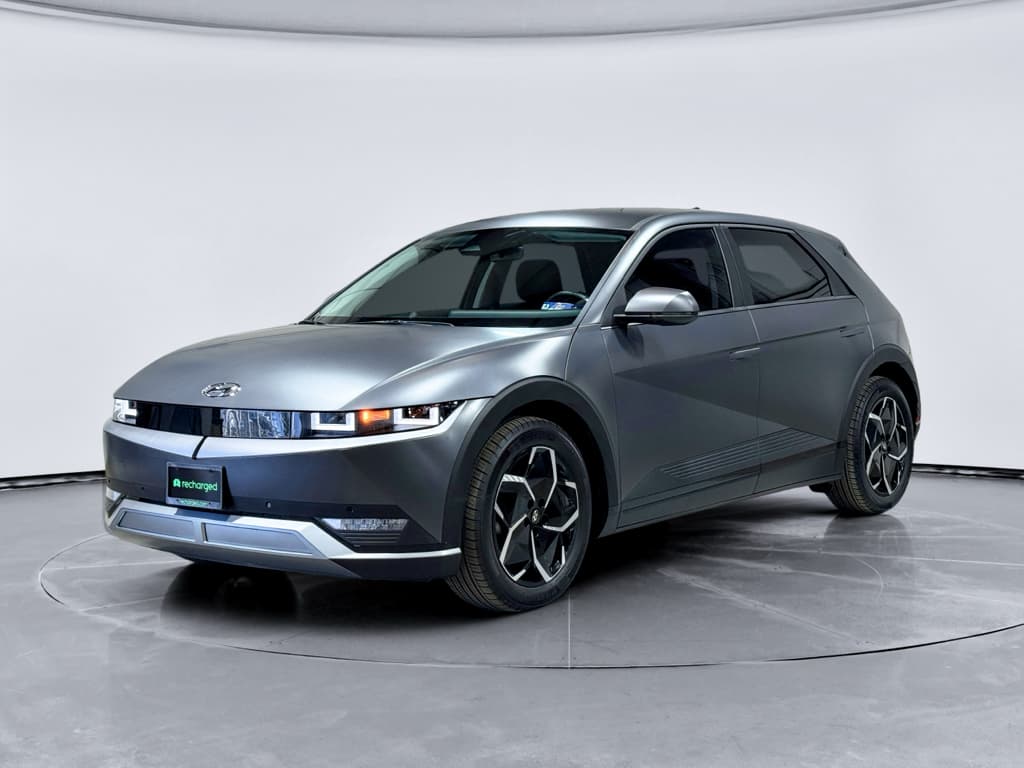
If you’re eyeing a Hyundai Ioniq 5 in 2026, whether as a new EV or a used bargain, price direction matters as much as specs. The Hyundai Ioniq 5 price forecast for 2026 sits at the intersection of cooling EV demand, aggressive incentives, and a flood of off-lease electric crossovers. Understanding where prices are headed can help you avoid overpaying now or leaving money on the table when you sell.
About this 2026 forecast
Why Hyundai Ioniq 5 prices matter in 2026
The Ioniq 5 has quietly become one of the most important mainstream EVs in the U.S. It combines strong range, 800-volt fast charging, and family-friendly packaging, and Hyundai is now building later model years in the U.S. With EV tax credits in flux and automakers cutting sticker prices to move metal, the Ioniq 5 sits right in the crosshairs of a shifting market. That makes 2026 a pivotal year for both new pricing and used resale values.
Hyundai Ioniq 5 and the 2026 EV market at a glance
Quick take: Hyundai Ioniq 5 price forecast for 2026
- New 2026 Ioniq 5: Hyundai has already nudged MSRP down on many trims and is layering on factory cash. In practice, most buyers should expect mid–$30,000s to around $40,000 out-the-door for mainstream SE/SEL/Limited trims, before taxes and fees, assuming typical discounts continue.
- Lightly used (2024–2025): As more leases roll off, clean 2–3-year-old Ioniq 5s are likely to sit in the mid–$20,000s to low–$30,000s depending on trim, mileage, and battery health.
- Early model years (2022–2023): Many of these already took the steepest part of the EV price correction. In 2026, solid examples are forecast to cluster in the low–$20,000s to upper–$20,000s, with high-mileage or base trims dipping below $20,000 in some markets.
- Depreciation trend: After the sharp reset of 2024–2025, Ioniq 5 depreciation in 2026 looks more like a "normal" curve, still steeper than many gas crossovers, but no longer falling off a cliff month by month.
Forecasts, not guarantees
Where Hyundai Ioniq 5 prices stand today
To understand where 2026 might go, you need a snapshot of where the Ioniq 5 is today. Through early 2026, Hyundai has continued to grow Ioniq 5 volume in the U.S., helped by domestic production at its Georgia plant and more aggressive pricing on newer model years. At the same time, used Ioniq 5 pricing has been softening alongside the broader EV market as the post-pandemic price bubble unwinds.
New Ioniq 5 pricing in early 2026
- Hyundai’s official MSRP on 2026 Ioniq 5 models still generally opens in the mid–$30,000s for base trims and climbs into the high–$40,000s for fully loaded versions.
- However, real-world transaction prices are usually lower once you factor in factory cash, dealer discounts, and occasional APR incentives.
- Some dealers are advertising notable discounts off MSRP, especially where EV inventory is high or demand is softer.
Used Ioniq 5 pricing in early 2026
- Third-party price indexes show recent used Ioniq 5s (mostly 2022–2023) averaging in the low–$30,000s, with prices drifting down slightly month over month.
- 2021–2022 build dates with higher miles and early software may transact in the low–$20,000s to mid–$20,000s depending on condition.
- Markets with stronger EV adoption and public charging (West Coast, Northeast) tend to support prices better than regions where EV demand has cooled.
Check real numbers on a specific Ioniq 5

Forces shaping Hyundai Ioniq 5 prices in 2026
Key 2026 price drivers for the Ioniq 5
Four big forces to watch as you plan your purchase or sale
U.S. production & costs
Hyundai’s shift to U.S. production for the Ioniq 5 helps reduce shipping costs and, in some trims, improves eligibility for certain incentives. That gives Hyundai room to cut MSRP or offer bigger rebates in 2026 while keeping margins alive.
Policy & tax credits
Federal EV policy has been a moving target. Some new and used tax credits are being phased out or reworked, which can temporarily push prices down as automakers and dealers lean on incentives to keep payment amounts attractive.
Used EV flood
The first big wave of off-lease EVs from 2022–2024 is hitting dealer lots in 2026. That means more gently used crossovers like the Ioniq 5 competing with brand-new models, pressuring new-car pricing and used resale values.
Charging & tech competitiveness
The Ioniq 5 still offers fast DC charging and competitive range, and later model years are gaining NACS (SAE J3400) ports and better software. That keeps demand resilient, especially for better-equipped trims, which supports prices compared with older or slower-charging EVs.
Risk to watch: sudden incentive changes
2026 price forecast: New Hyundai Ioniq 5
Forecasting new-vehicle pricing is about direction, not pennies. Automakers typically adjust MSRPs once or twice a year, then quietly move actual transaction prices up and down with rebates. For the Ioniq 5, 2026 looks like a year of continued discounting and modest sticker discipline, rather than big price hikes.
2026 new Hyundai Ioniq 5 price forecast (U.S.)
Estimated real-world transaction ranges for common trims, excluding taxes, title, and fees. Assumes continued moderate incentives and no extreme policy shock.
| Trim (2026 MY) | Powertrain | MSRP direction | Likely 2026 transaction band |
|---|---|---|---|
| SE Standard Range | RWD | Flat to slightly lower | $34,000–$37,000 |
| SE/SEL Long Range | RWD | Flat to slightly lower | $36,000–$40,000 |
| SEL/Limited | AWD | Slight downward pressure | $40,000–$45,000 |
| High-spec & packages | AWD | Slight downward pressure | $45,000–$50,000 |
| Performance / N-style variants | AWD | More volatile | $50,000+ (niche demand) |
These bands are directional ranges, not quotes. Always verify current offers with dealers and online marketplaces.
Good news for 2026 buyers
2026 price forecast: Used Hyundai Ioniq 5 by model year
Used Ioniq 5 values depend heavily on model year, mileage, battery health, and whether the car has key tech updates like NACS compatibility and the latest driver-assistance suite. The early pandemic-era price bubble already popped, so 2026 is more about steady, predictable depreciation than sudden drops, barring a big new-EV price war.
Directional 2026 used-price bands by model year
Assuming clean history and average mileage for the age of the vehicle
2025 model year (1-year-old)
These are essentially near-new. In 2026, expect most 2025 Ioniq 5s to list in the low–$30,000s to low–$40,000s depending on trim and miles. Deeply discounted new 2026 inventory will cap how high used 2025s can go.
2024 model year (2-year-old)
With more off-lease units arriving, 2024 Ioniq 5s should cluster in the upper–$20,000s to mid–$30,000s. High-spec AWD and tech packages will stay at the top of that band; basic RWD SE models will drift toward the bottom.
2023 model year (3-year-old)
Early 2023s lived through the EV price reset, so much of their big depreciation already happened. In 2026, many will live in the mid–$20,000s to low–$30,000s, with mileage and battery health as key swing factors.
2022 model year (4-year-old)
These are now firmly in "value" territory. Clean, average-mileage examples are likely to land in the low–$20,000s to upper–$20,000s, with some high-mileage or base cars slipping under $20,000 in softer markets.
Location matters, so does your marketplace
How fast will Ioniq 5s depreciate through 2028?
The ugly phase of EV depreciation, when values were falling double digits per year, was 2023–2025. By 2026, much of that shock has been absorbed. Ioniq 5s are settling into a pattern that still looks steeper than a comparable gas crossover but is far more predictable than it was a couple of years ago.
Projected Ioniq 5 depreciation curve (broad ranges)
1. First 3 years: steep but stabilizing
New Ioniq 5s bought in 2026 will likely lose roughly <strong>35–45% of their value</strong> over the first three years, assuming no major policy or tech shock. That’s still hefty, but calmer than the post-pandemic whiplash many early EV buyers endured.
2. Years 4–6: value buy zone
From model-year 4 to 6, the curve flattens. Expect something like <strong>8–12% depreciation per year</strong> for well-maintained Ioniq 5s with healthy batteries and no major accident history.
3. After year 7: condition over calendar
Beyond year 7, battery health, software support, and repair history drive value more than model year itself. Cars with strong range retention and clean reports can hold value surprisingly well; neglected examples can fall rapidly into budget-EV territory.
4. Battery health as a price lever
Because range is a core EV value metric, a documented high state-of-health battery can translate into <strong>thousands more in resale value</strong> versus a similar car with an unknown or weaker pack.
How Recharged measures battery health
What this means if you’re buying an Ioniq 5 in 2026
For buyers, 2026 is a much friendlier landscape than the 2021–2022 feeding frenzy. Inventory is healthier, discounts are real, and you’re no longer bidding against speculative demand. But you still need a strategy to pick the right trim, year, and price point.
Buyer playbook: Navigating Ioniq 5 prices in 2026
Three common scenarios and how to think about price
New shopper, long-term keeper
If you plan to keep the car 6–8 years, focus less on squeezing the last $500 out of the deal and more on:
- Securing modern charging hardware (including NACS where available).
- Choosing range and features you won’t outgrow.
- Locking in a competitive interest rate.
In this scenario, 2026 pricing will look reasonable over the life of the car, even if short‑term depreciation is still a bit steep.
Value hunter, lightly used
If your goal is maximum value per dollar, the 2–4-year-old sweet spot is where the Ioniq 5 really shines. Target:
- 2023–2024 model years, ideally one-owner lease returns.
- Verified battery health via a Recharged Score Report.
- Well-equipped trims where the original buyer ate the big depreciation.
Budget-focused, flexible on year
Shoppers with tighter budgets should seek out earlier 2022–2023 builds with clean histories. Expect:
- Pricing in the low– to mid–$20,000s for solid examples.
- Some trade-offs on cosmetic wear, options, or remaining warranty.
- Big savings compared with a brand-new 2026 build.
Use depreciation to your advantage
What this means if you’re selling or trading an Ioniq 5
If you already own an Ioniq 5, 2026 is a balancing act. You’re past the worst of the EV price reset, but you’re also competing with cheaper new cars and a growing pool of used inventory. Getting top dollar is less about waiting for the "perfect" month and more about how you present and where you sell the car.
Steps to protect (and boost) your Ioniq 5’s value
1. Document battery health
Buyers are increasingly skeptical of vague reassurances. A third-party battery health report, like the <strong>Recharged Score battery diagnostic</strong>, turns your pack from a question mark into a selling point.
2. Time around major incentives
If Hyundai launches a big new rebate program, it can instantly make used examples look relatively more expensive. When possible, list or trade your Ioniq 5 in the <strong>gaps between big incentive waves</strong> rather than the week after one hits.
3. Consider nationwide exposure
Local dealers may lowball EVs if their market is soft. Listing through a platform like Recharged, which supports <strong>nationwide buyers and delivery</strong>, can help your Ioniq 5 find the zip code where demand (and price) is stronger.
4. Mind mileage and reconditioning
Fresh tires, up-to-date maintenance, and minor cosmetic fixes can move a car from the middle to the top of the price band. In 2026’s competitive EV market, clean presentation and a thick folder of records are worth real money.
Watch your payoff vs. market value
Timing the market vs. buying the right car
Trying to perfectly time the bottom of any vehicle segment is like trying to catch a falling knife, you usually get cut. In 2026, the more practical play with the Ioniq 5 is to accept that prices may soften a bit more, then focus on getting the right car at a defensible price rather than chasing the absolute rock-bottom deal.
When it makes sense to wait
- You’re shopping new and just saw a competitor slash EV prices, Hyundai may respond.
- You’re not in a rush and you know a major policy or incentive change is scheduled within a few months.
- You’re holding an Ioniq 5 with lots of warranty remaining and would prefer to drive it another year while the market settles.
When you should move sooner
- Your current vehicle is costing you in repairs or fuel, eroding any benefit of waiting.
- You find an Ioniq 5 that fits your needs perfectly at a price near the lower end of its fair-market range.
- You can lock in attractive financing, or your budget depends on today’s interest rates.
"In 2026, the smarter play with an Ioniq 5 isn’t obsessing over whether prices might drop another 3%. It’s making sure the car you buy has the range, charging speed, and battery health to be the right fit for the next eight years."
FAQ: Hyundai Ioniq 5 price forecast 2026
Frequently asked questions
Bottom line: Hyundai Ioniq 5 prices in 2026
The Hyundai Ioniq 5 price forecast for 2026 points to a calmer, more rational market than the roller coaster of the last few years. New Ioniq 5s should remain competitive in the mid–$30,000s to low–$40,000s for mainstream trims after discounts, while used examples increasingly fill in the value ladder from the low–$20,000s up. Depreciation is still steeper than many gas crossovers, but it’s no longer a free fall.
For buyers, that means you can finally shop the Ioniq 5 based on fit and condition instead of fear of missing out. For current owners, it means focusing on battery health, documentation, and marketplace choice to protect your resale value. And for everyone, it means leaning on transparent data, not gut feel, when you decide whether a particular Ioniq 5 is priced right.
If you want help putting numbers to a specific car, Recharged can walk you through battery diagnostics, pricing, financing, and even nationwide delivery or sale. Whether you’re buying or selling a Hyundai Ioniq 5 in 2026, a clear view of where prices are headed will make your next move a lot more confident.