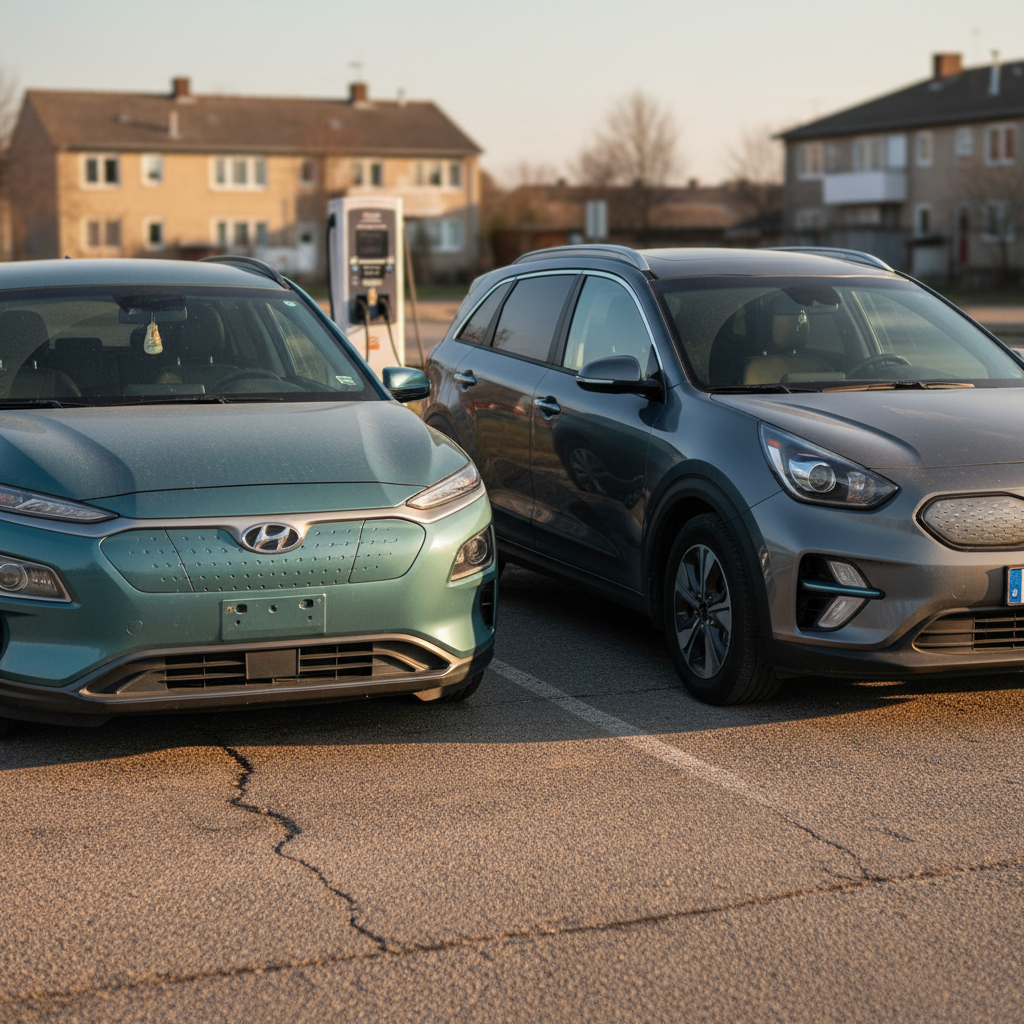
When people talk about EV models in 2025, they’re no longer talking about a niche. You can now pick from small hatchbacks, three-row family SUVs, work-ready pickups and six-figure luxury sedans, plus a fast-growing pool of used EVs. This guide walks you through the EV landscape by model type, price point and use case, with a special focus on what all of this means if you’re shopping the used market.
Quick snapshot
Why EV models matter so much right now
Model choice used to be the biggest knock against EVs: if you didn’t like Tesla’s styling or price, you had very few alternatives. That’s changed. Today’s EV models span nearly every segment, which means you’re more likely to find something that actually fits your budget, commute and family life. At the same time, incentives, tariffs and charging standards are shifting, so choosing the right model can save, or cost, you thousands over a few years of ownership.
EV adoption and model choice at a glance
Policy whiplash is real
How many EV models are on the market?
Depending on how you count trims, the U.S. now has dozens of distinct EV nameplates on sale, sedans, hatchbacks, crossovers, SUVs, vans and trucks. On top of that, each nameplate may have multiple battery sizes, performance packages and drivetrain options. The good news for you: instead of asking “is there an EV that fits me?”, the question is now “which of these EV models is the best fit, new or used?”
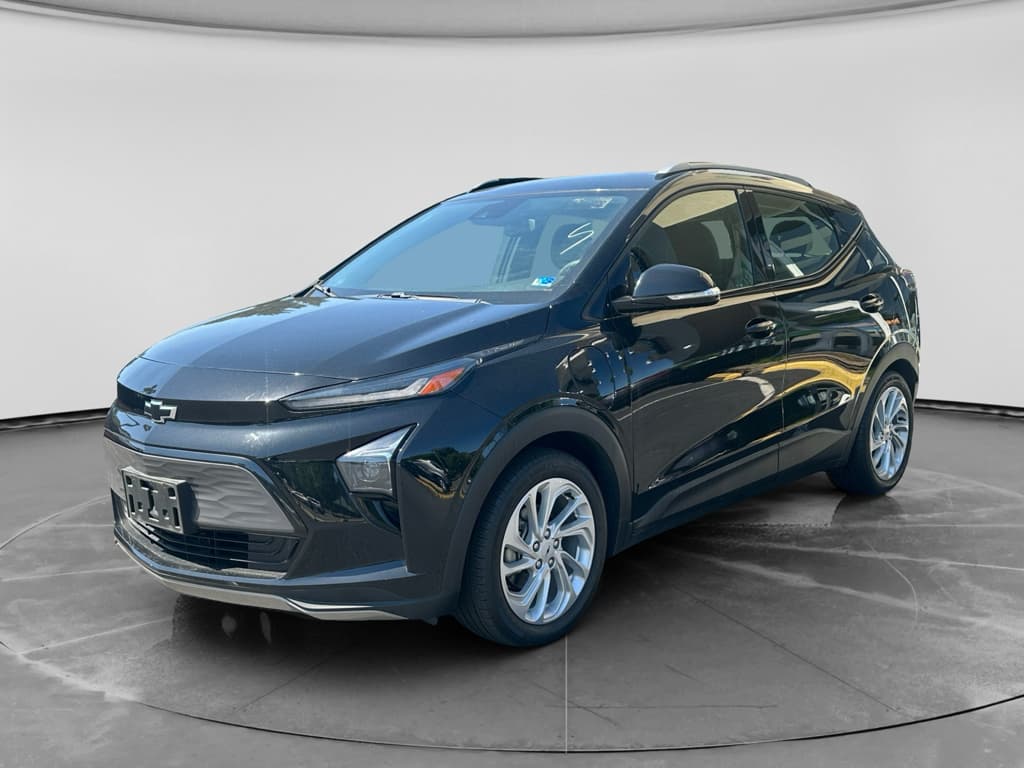
- Compact cars and hatchbacks (e.g., Chevrolet Bolt EUV, MINI Cooper SE, Nissan Leaf)
- Compact and midsize crossovers (e.g., Tesla Model Y, Hyundai Ioniq 5, Kia EV6)
- Family SUVs, including three-row models (e.g., Kia EV9, Volvo EX90, Tesla Model X)
- Pickup trucks (e.g., Ford F‑150 Lightning, Rivian R1T, Tesla Cybertruck)
- Luxury sedans and SUVs (e.g., Lucid Air, Porsche Taycan, BMW i4, Cadillac Lyriq)
Top-selling EV models in 2024–2025
Sales leaders change quarter by quarter, but the pattern is clear: Tesla still sets the pace, while a handful of newer crossovers and SUVs from GM, Hyundai, Ford, Kia and Honda are climbing fast. If you’re shopping used, the popular models below are exactly what you’ll see most often, at a wide range of price points and battery health levels.
Key EV models leading U.S. sales
These EV models rank near the top of U.S. sales charts across 2024 and into 2025, making them common sights in the used market as well.
| Model | Segment | Notable traits |
|---|---|---|
| Tesla Model Y | Compact SUV | The volume leader; strong range and charging network, huge presence in the used market. |
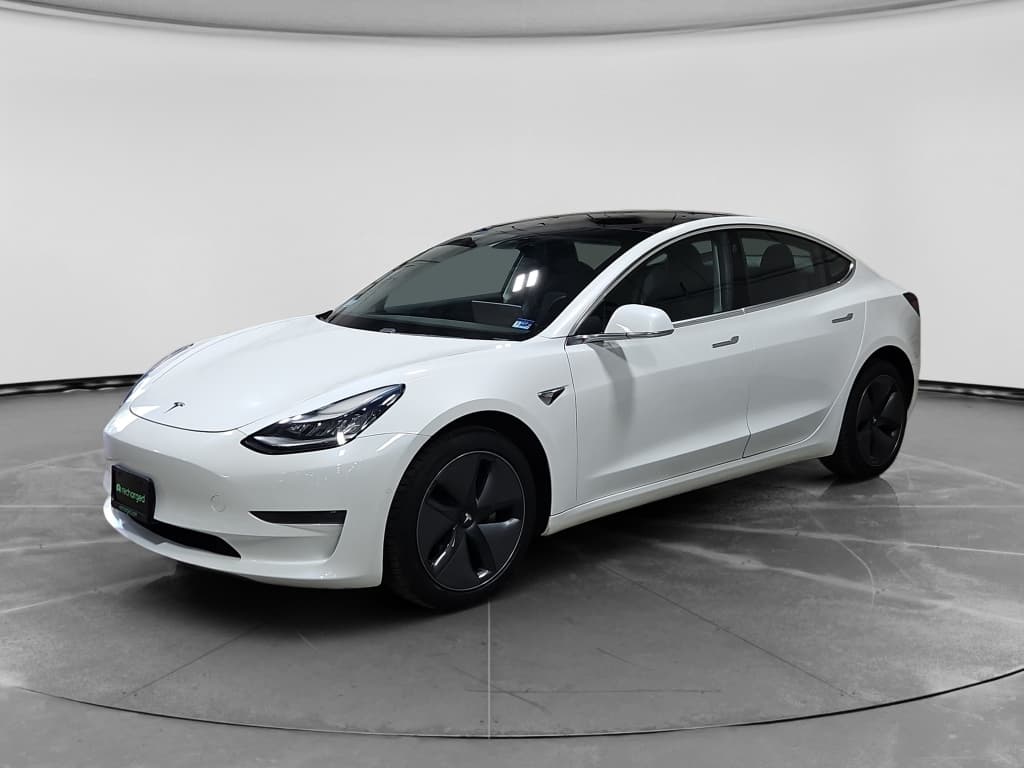
| Tesla Model 3 | Compact sedan | Affordability, efficiency and software updates keep it high on both new and used shopping lists. |
| Ford Mustang Mach‑E | Compact SUV | Sporty feel, multiple trims, improving charging speed and range. |
| Hyundai Ioniq 5 | Compact SUV | Standout design, fast DC charging and strong owner reviews. |
| Chevrolet Equinox EV | Compact SUV | More affordable mainstream entry from GM with practical range and space. |
| Honda Prologue | Midsize SUV | Honda’s big EV push; quickly climbed U.S. sales charts after its 2024 launch. |
| Kia EV6 | Compact SUV | Balanced performance, charging speed and cabin quality. |
| Kia EV9 | Three‑row SUV | One of the first truly family‑focused three‑row EV SUVs available at scale. |
| Ford F‑150 Lightning | Full‑size truck | Brings the F‑150 formula into the EV world; strong towing and home‑power features. |
| Tesla Cybertruck / Rivian R1T | Lifestyle trucks | Attention‑grabbing trucks focused on performance and tech-heavy features. |
Sales figures vary by quarter, but these models consistently show up near the top of the charts.
Why top sellers matter to used shoppers
EV models by vehicle type: cars, SUVs, trucks
How EV body styles compare
Think first about how you use your vehicle day to day, then match that to a body style and specific model.
Electric cars & hatchbacks
Best for solo drivers or couples who prioritize efficiency and low cost of entry.
- Examples: Tesla Model 3, Nissan Leaf, BMW i4, Hyundai Ioniq 6.
- Pros: Easy to park, efficient, often cheaper used.
- Cons: Less cargo and rear‑seat space.
Electric crossovers & SUVs
The heart of the EV market, balancing space, range and price.
- Examples: Tesla Model Y, Hyundai Ioniq 5, Kia EV6, Chevy Equinox EV, Honda Prologue.
- Pros: Family‑friendly, higher seating position, flexible cargo.
- Cons: Higher price and energy use than small cars.
Electric pickups & lifestyle rigs
For towing, hauling and outdoor gear, with some trade‑offs.
- Examples: Ford F‑150 Lightning, Rivian R1T, Tesla Cybertruck.
- Pros: Torque, bed utility, off‑grid power.
- Cons: Higher prices, range drops faster with loads.

Budget and entry-level EV models
If you’re cost‑sensitive, the good news is you don’t have to buy new. Used EV models like early Tesla Model 3s, Nissan Leafs, Chevy Bolts and Hyundai Kona Electrics are already trading well below comparable gas cars, especially in markets where incentives pulled forward a lot of demand a few years ago.
What to look for in a budget EV model
1. Battery health, not just mileage
Unlike a gas car, battery condition matters more than odometer miles. A 70,000‑mile EV with strong battery health can be a better bet than a low‑mileage car that fast‑charged heavily. Recharged provides a <strong>Recharged Score</strong> with verified battery diagnostics for every EV it lists.
2. Realistic range for your commute
Many early affordable EV models offer 120–180 miles of EPA range when new. Factor in degradation and cold‑weather losses, and decide whether that still covers your daily use with buffer.
3. Charging connector and speed
Check whether the model uses CCS, NACS (Tesla’s connector) or CHAdeMO, and understand where you’ll fast‑charge. Older Leafs with CHAdeMO, for example, face a shrinking fast‑charging network in many regions.
4. Safety and recalls
Some budget EVs had software or battery recall campaigns. Confirm they’ve been completed and that any revised warranty coverage transfers to you.
Watch for orphaned tech
Long-range EV models for road trips
If you’re planning frequent highway trips, focus on EV models with at least an honest 220–250 miles of real‑world range at 70 mph, plus fast DC charging. The EPA number is a starting point; what matters more is how the car charges from, say, 10% to 80% on a road‑trip charger.
Examples of long-range EV models
Exact specs vary by trim and year; always verify the specific configuration you’re considering.
Popular long-range options
- Tesla Model 3 & Model Y – Many trims exceed 300 miles EPA and tap into a dense Supercharger network.
- Hyundai Ioniq 5 / Kia EV6 – Around 260–300+ miles depending on battery and drivetrain, with very fast 800‑volt DC charging on newer models.
- Lucid Air – Luxury sedan with some of the longest ranges in the industry, often above 400 miles.
- BMW i4, Mercedes EQE – Premium options with solid range and strong highway manners.
Road-trip realities to keep in mind
- Expect 10–30% less range at highway speeds or in winter.
- Truck and large SUV EV models lose more range when towing or loaded.
- Look at charging curves, not just peak kW: a car that holds 150 kW for longer will spend less time plugged in than one that briefly spikes to 250 kW.
- Check real‑world owner reports, not just brochure numbers.
Used long-range EVs can be a sweet spot
Ready to find your next EV?
Browse VehiclesFamily-friendly EV SUV models
For many households, the first EV is a family hauler, not a toy. That’s why electric SUVs like the Tesla Model Y, Hyundai Ioniq 5, Kia EV6 and Kia EV9 are showing up in driveways across the country, and increasingly, in the used market. Sliding rear seats, flat floors and frunk storage make these EV SUV models surprisingly flexible.
Two-row EV SUVs
- Tesla Model Y – Dominates sales for a reason: strong range, software and cargo space.
- Hyundai Ioniq 5 – Lounge‑like interior, sliding second row, rapid charging.
- Kia EV6 – Lower, sportier option with hatchback practicality.
- Chevy Equinox EV / Honda Prologue – Mainstream two‑row crossovers with familiar controls.
Ideal if you have up to two kids, don’t need a third row and want something easy to park.
Three-row and larger EV SUVs
- Kia EV9 – One of the first mass‑market three‑row EVs; great for families that have outgrown compact crossovers.
- Tesla Model X – Older but still capable; used prices have fallen significantly compared with new.
- Volvo EX90 and others – Premium three‑row options that focus on safety and comfort.
Think carefully about how often you truly use the third row; in many EVs, using it cuts into cargo space and can reduce range.
Try the car‑seat test
Electric truck models and what they’re good at
Electric trucks are still a small slice of overall EV sales, but they punch above their weight in attention. Models like the Ford F‑150 Lightning, Rivian R1T and Tesla Cybertruck show three very different interpretations of what a modern truck can be.
How popular electric truck models differ
All of these trucks are quick; what separates them is how they handle work, play and everyday life.
Ford F‑150 Lightning
Best for: Contractors, suburban families and current F‑150 owners.
- Feels familiar if you’ve owned a gas F‑150.
- Strong towing and payload, plus Pro Power Onboard to run tools or a house in an outage.
- Range drops with heavy towing, plan accordingly.
Rivian R1T
Best for: Outdoorsy buyers and early adopters.
- Adventure‑oriented design with features like the Gear Tunnel.
- Off‑road capability and impressive performance.
- More of a lifestyle truck than a traditional workhorse.
Tesla Cybertruck
Best for: Drivers who want maximum attention and a tech‑heavy experience.
- Polarizing styling but strong performance.
- Integrates tightly with Tesla’s software and charging ecosystem.
- Still relatively new, so long‑term reliability and resale patterns are developing.
Truck range reality check
How to choose the right EV model for you
With so many EV models on the market, it’s tempting to chase specs. A better approach is to work backwards from your life: where you live, how far you drive, how you charge and how long you plan to keep the car. Then overlay price and incentives, new vs. used, and brand preferences.
Five questions to narrow down EV models
1. What’s your real daily and weekly mileage?
Look at a typical week, not the two road trips you take each year. Many drivers can live comfortably with 180–220 real‑world miles if they can charge at home or work.
2. Where will you charge most of the time?
Home Level 2 charging covers most use cases, while apartment dwellers may need to prioritize EV models with faster DC charging and good public‑network coverage.
3. Do you need a specific body style?
If you truly need a third row or a truck bed, that steers you toward specific EV SUVs and trucks. If not, a smaller crossover or sedan might save you money and energy.
4. How long will you keep the car?
If you tend to swap cars every 3–4 years, newer tech and incentives may matter more. If you plan to hold the vehicle 8–10 years, focus on durability, battery warranties and repair ecosystem.
5. What’s your total cost of ownership?
Include energy, maintenance, insurance and depreciation, not just the payment. Used EV models often shine here, especially when priced fairly against their remaining battery life.
How Recharged can help
Used EV models: what’s different from new
When you’re evaluating used EV models, most of the usual used‑car rules still apply, but batteries, charging and software updates move to the top of the list. The upside is that EV powertrains have fewer moving parts, so there’s no engine oil, timing belt or transmission fluid to worry about. The downside is that a neglected battery or confusing software history can be expensive to unwind.
How EVs age differently
- Battery degradation is gradual, not catastrophic in most mainstream EV models, but history matters: lots of DC fast charging in hot climates can accelerate wear.
- Software updates can add range, features or fixes, but may also change how features behave. Check update history and current software status.
- Brake and tire wear patterns differ because of regen braking and heavier curb weights.
What a good used EV report includes
- Measured battery health, not just an in‑dash guess.
- Charging behavior and error‑code history where available.
- Accident and title checks, as with any used car.
Recharged builds this into its Recharged Score, so you can compare two EV models side by side without needing an engineering degree.
Model-specific used EV quirks
EV models FAQ
Frequently asked questions about EV models
Wrap-up: matching EV models to real life
From compact commuters to three‑row family haulers and electric trucks, today’s EV models cover more ground than ever. The challenge is no longer finding an EV, it’s finding the right one for your routes, your charging situation and your budget, especially in the fast‑growing used market.
Start by deciding on body style and range needs, then narrow to a shortlist of models that fit your daily life. From there, compare individual vehicles on battery health, charging history, features and price. If you want help decoding it all, Recharged is built for exactly this moment: a used‑EV marketplace with transparent pricing, verified battery diagnostics and EV‑savvy specialists who can walk you through the trade‑offs between different EV models before you ever sign on the dotted line.