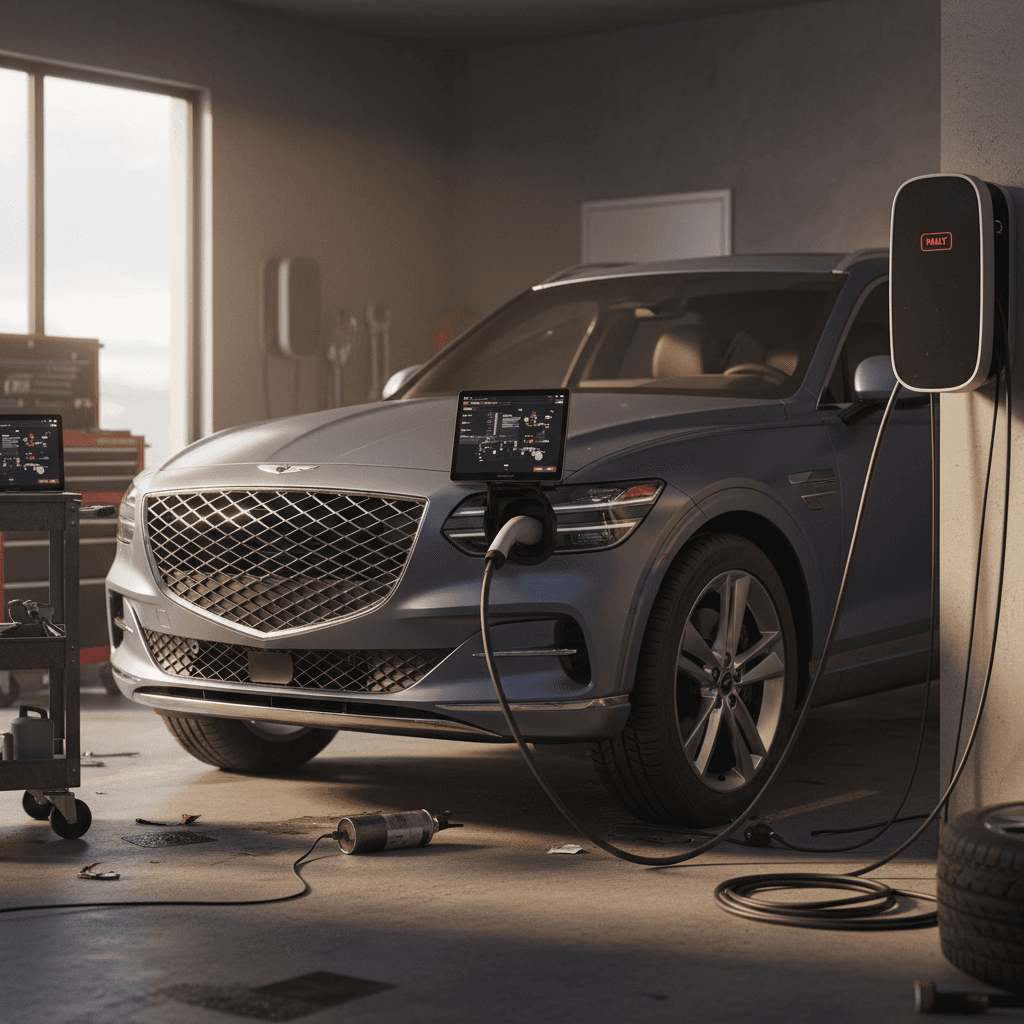
If you’re eyeing a **Genesis Electrified GV70**, or already own one, you’re probably wondering what the maintenance schedule actually looks like. The good news: as a battery-electric SUV, the Electrified GV70 skips oil changes and many traditional repairs, but you still need a clear plan for tires, brakes, fluids, and battery checks to keep it feeling like a luxury vehicle for the long haul.
Quick takeaway
Overview: How the Electrified GV70 Maintenance Schedule Works
Genesis structures the **Electrified GV70 maintenance schedule** around mileage and time, whichever comes first. You’ll typically see recommendations in the **7,500–10,000 mile / 12-month** range for basic checks, with deeper inspections at 30,000, 60,000, and 100,000 miles. Because there’s no engine, the focus shifts toward tires, brakes, steering and suspension, cabin air quality, and cooling systems for the battery and electronics.
- Service intervals are based on mileage *or* time, whichever comes first.
- Most routine visits are inspections plus tire rotation, not major parts replacements.
- Genesis recommends more frequent service if you drive in severe conditions (extreme heat/cold, heavy towing, poor roads).
- Software updates and diagnostics are part of regular service for EVs, including the Electrified GV70.
Tip for low‑milers
Genesis Electrified GV70 Maintenance Schedule at a Glance
Exact details can vary slightly by model year and region, but this table captures a **typical Electrified GV70 maintenance pattern** over the first 100,000 miles. Always confirm specifics in your owner’s manual or with a Genesis service advisor.
Electrified GV70 Maintenance Schedule Snapshot (Approximate)
High-level view of common service intervals for a Genesis Electrified GV70. Always confirm against your model-year owner’s manual.
| Mileage / Time | Key Maintenance Items | Notes |
|---|---|---|
| Every 7,500–10,000 miles or 12 months | Tire rotation; brake inspection; steering & suspension check; fluid level checks; cabin air filter check | Genesis dealers often bundle these as a basic inspection service. |
| 15,000–20,000 miles / 2 years | Repeat annual items; replace cabin air filter if needed | Frequency can vary by climate and air quality. |
| 30,000 miles / ~3 years | Annual items; more detailed brake/suspension check; possible brake fluid test | Good time to assess tire tread depth and alignment. |
| 60,000 miles / ~5–6 years | Annual items; brake fluid replacement (if recommended); cooling system inspection; detailed high-voltage system check | Dealer may recommend fresh tires if originals are worn. |
| 90,000 miles / ~8–9 years | Annual items; deeper inspection of suspension bushings, shocks, steering components | Expect at least one major tire set and possibly rear pads by now. |
| 100,000+ miles / ~10 years | High-voltage battery system checks; cooling system service if due; comprehensive inspection | Battery warranty typically runs to 8–10 years / ~100k miles for defects. |
This table focuses on routine, expected services, not unexpected repairs or warranty work.
Check your model-year guide
Maintenance Schedule by Mileage and Years
Let’s walk the **Genesis Electrified GV70 maintenance schedule** the way dealers and owners actually experience it, by mileage and time. This will help you budget and avoid surprises, especially if you’re buying used and jumping in at, say, 30,000 or 60,000 miles.
0–10,000 miles: Baseline checks and tire rotation
Your first visit usually lands around **7,500–10,000 miles** or the one-year mark. On a new Electrified GV70, this is mostly a health check:
- Tire rotation and pressure adjustment
- Brake inspection (pads, rotors, parking brake)
- Suspension and steering inspection
- Visual inspection of high-voltage cabling and underbody
- Fluid levels (brake fluid, washer fluid, coolant)
- Software version check and any outstanding updates
What you probably *won’t* see yet
10,000–30,000 miles: Keeping ride quality sharp
From **10,000 to 30,000 miles**, service is about staying ahead of wear items:
- Rotate tires roughly every 7,500–10,000 miles to even out wear.
- Inspect brake pads, EVs use regenerative braking, so pads often last much longer, but they can still seize or wear unevenly.
- Check alignment if you notice pulling, vibration, or uneven tire wear.
- Monitor cabin air filter; city or dusty driving can clog it faster.
Watch your tires
30,000–60,000 miles: Brakes, tires, and fluid planning
Between **30,000 and 60,000 miles**, a few bigger-ticket wear items move into focus:
- Many owners will be on their **first full set of replacement tires** by this window, especially if they do a lot of highway or spirited driving.
- A careful **brake inspection** becomes more important; pads may still have plenty of life in relaxed driving but can wear faster in hilly or aggressive use.
- Dealers may test **brake fluid** for moisture content and recommend replacement somewhere in this window, depending on climate and driving style.
- Suspension bushings, shocks, and steering joints get a closer look as the miles add up.
60,000–100,000 miles: Long-term EV care
From **60,000 miles onward**, the Electrified GV70 is in its long-term ownership phase, common territory for used buyers. Most of the work remains predictable:
- A **second set of tires** is likely by 80,000–90,000 miles.
- Brake pads and rotors may finally need replacement if they haven’t already, especially on the rear where regen is used slightly differently depending on drive mode.
- Shock absorbers and some suspension components may start to show wear, affecting ride quality more than outright safety at first.
- The **high-voltage battery and cooling system** should be inspected at major mileage milestones; dealers will also check for any software or recall campaigns.
What’s Different About Maintenance on the Electrified GV70 EV
If you’re coming from a gas GV70, or any gasoline SUV, the Electrified GV70 maintenance schedule will feel lighter in some places and more high-tech in others. Here’s what stands out for an all-electric Genesis.
Key Differences: Electrified GV70 vs. Gas GV70 Maintenance
Less engine work, more focus on software and battery systems.
No engine or oil system
No oil changes, spark plugs, timing chains, or exhaust components to service or replace.
High-voltage battery & cooling
Periodic checks of battery health, coolant circuits, and high-voltage connectors replace many traditional engine checks.
Software-driven diagnostics
Over-the-air and dealer-installed updates can improve efficiency, fix bugs, and extend feature sets without physical parts.
The components that still need consistent attention look familiar: **tires, brakes, suspension, steering, cabin filters**, and **12‑volt systems**. But the Electrified GV70’s regenerative braking and smooth single-speed drivetrain help many of these parts last longer compared with an equivalent gas-powered SUV.
High-voltage safety reminder
How Much Does Genesis Electrified GV70 Maintenance Cost?
Actual pricing will vary by dealer and region, but Electrified GV70 owners can expect **lower routine maintenance costs** than a gas luxury SUV over the same mileage. That said, it’s smart to budget for a few categories.
Typical Cost Buckets Over 5–8 Years
Where gasoline luxury SUVs rack up costs on oil changes, transmission services, spark plugs, and engine repairs, the Electrified GV70 concentrates spending on **tires, suspension, and the occasional brake job**. That’s still real money, but the pattern is more predictable and usually spread farther apart.
Budgeting tip for owners and shoppers
Maintenance Checklist for Used Electrified GV70 Shoppers
If you’re shopping the **used Genesis Electrified GV70** market, maintenance history matters just as much as the monthly payment. You want proof that the previous owner treated the SUV like the high-end EV it is.
Used Electrified GV70 Maintenance Checklist
1. Confirm tire condition and age
Check tread depth, look for uneven wear, and ask for records of rotations and alignments. EVs are heavy; neglected tires can indicate broader maintenance issues.
2. Review brake and suspension records
Ask for invoices showing brake inspections or replacements and any suspension work. Listen for clunks or vibrations on the test drive.
3. Verify annual service visits
Look for at least **one service record per year**, even for low-mileage vehicles. Gaps may mean skipped inspections or missed software updates.
4. Ask about software and recall updates
Genesis, like other EV makers, can release updates or campaigns over time. Confirm that recommended updates and recalls have been completed.
5. Check cabin air filter and HVAC performance
Make sure the climate control system heats and cools quickly and quietly. A neglected cabin air filter can point to broader neglect.
6. Get a battery and charging health report
Whenever possible, review data on **battery state of health, DC fast‑charging usage, and charging behavior**. This is where a dedicated EV health report really pays off.
How Recharged can help
Ready to find your next EV?
Browse VehiclesBattery Health, Warranty, and Long-Term Care
The high-voltage battery is the Electrified GV70’s most expensive component, so it’s natural to worry about it. The upside: modern EV packs are engineered to last many years, and Genesis backs them with a **multi‑year, high‑mileage warranty** against defects (check your specific model year for the exact coverage).
Protecting battery health day to day
- Avoid sitting at 100% charge for long stretches, especially in hot weather.
- Use DC fast charging when you need it, but lean on Level 2 at home or work for everyday use.
- Park in the shade or a garage when possible in extreme temperatures.
- Keep software up to date, manufacturers sometimes refine battery management systems over time.
What to watch as the vehicle ages
- Gradual loss of range is normal; sudden big drops are a flag to investigate.
- Any warning lights related to high-voltage systems should be checked promptly.
- Ask a dealer or EV specialist for a state-of-health (SoH) report if you’re buying used or planning to keep the SUV past its warranty window.
Range vs. degradation
DIY vs Dealer Service for an Electrified GV70
You don’t have to visit a Genesis dealer for every nut and bolt on an Electrified GV70, but you do need to be smart about what you take on yourself and what you leave to professionals.
Who Should Do What on an Electrified GV70?
Save money where it’s safe; use experts where it counts.
DIY‑friendly items
- Washer fluid top‑offs
- Cabin air filter replacement (if you’re comfortable with basic trim removal)
- Wiper blades
- Visual tire checks and pressure monitoring
Always follow the owner’s manual and safety instructions.
Leave these to pros
- High‑voltage battery or cabling work
- Brake fluid replacement and bleeding
- Complex suspension or steering repairs
- Warranty or recall work and software campaigns
Dealer records here can help resale value, especially on a luxury EV.
Warranty and documentation matter
Genesis Electrified GV70 Maintenance Schedule FAQ
Frequently Asked Questions
Bottom Line: Planning Maintenance for an Electrified GV70
The **Genesis Electrified GV70 maintenance schedule** is refreshingly straightforward for a luxury SUV. You’ll spend far less time and money on engine-related work and more on staying ahead of tires, brakes, and suspension while treating the battery and software like the high-tech systems they are. Whether you’re buying new or used, a simple cadence of annual service plus smart driving and charging habits will go a long way toward keeping your GV70 feeling tight, quiet, and confident for years.
If you’re considering a **used Electrified GV70**, pairing Genesis’ official maintenance schedule with a transparent battery and wear-item report is the best way to avoid surprises. That’s exactly what Recharged was built for: verified **battery health diagnostics, fair market pricing, and EV‑specialist support** from your first search to delivery. That way, when you drive your Electrified GV70 home, you know exactly how it’s been cared for, and how to keep it that way.