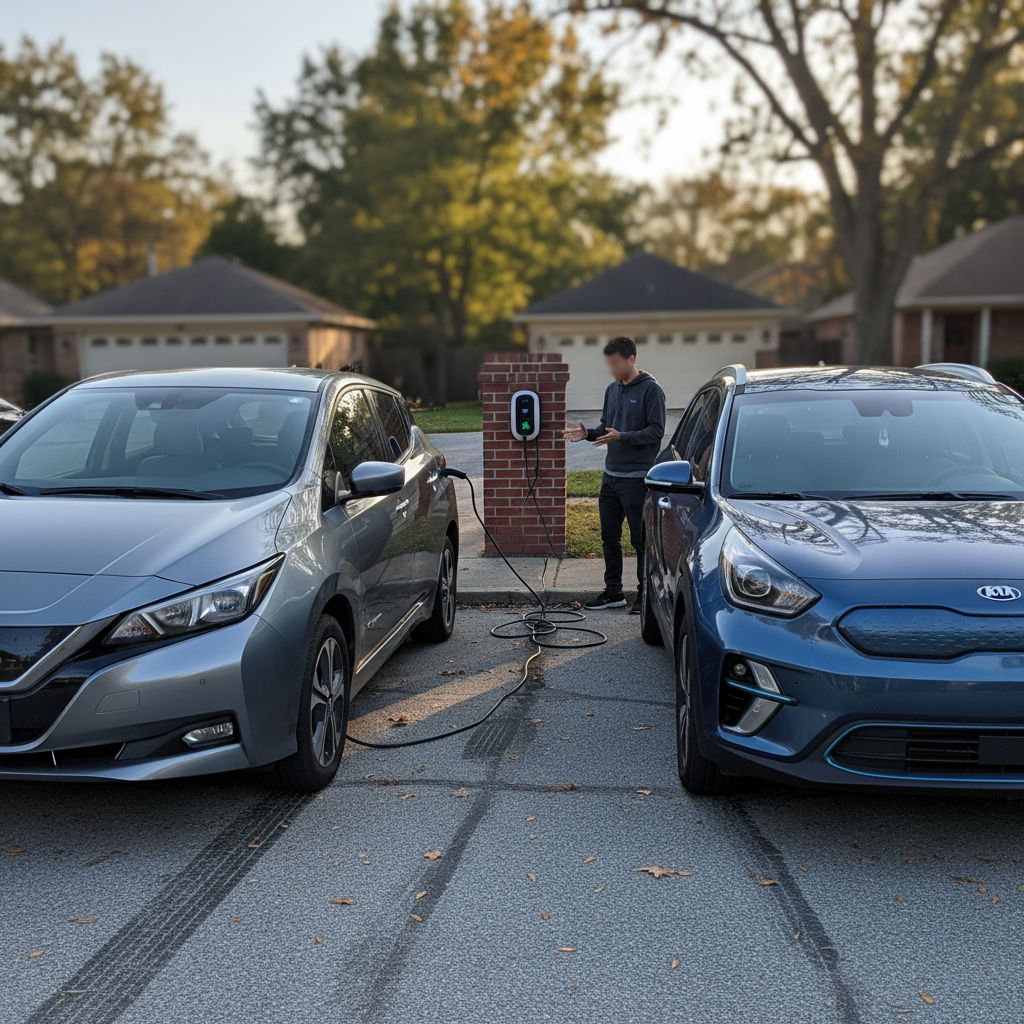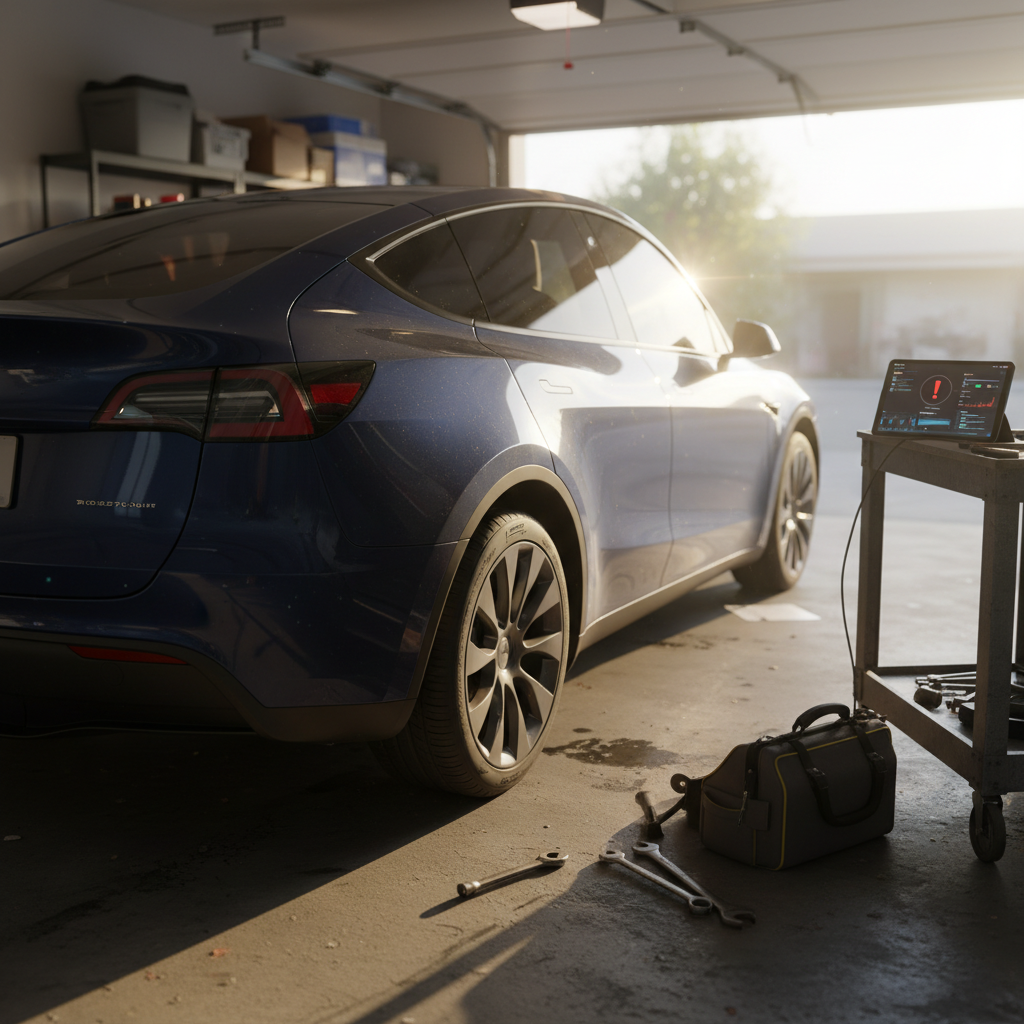
If you’ve spent any time scrolling listings for electric cars, you’ve noticed the new reality: there’s no single “used EV lot” anymore. There’s the EV marketplace, a sprawling digital bazaar where off-lease Teslas, one-owner Bolts, and mystery Leafs all jostle for your attention. It can be a gold mine, or a maze. This guide is about turning it into home turf.
Short version
What is an EV marketplace, really?
A modern EV marketplace is more than a search box and some photos. Think of it as a combined showroom, inspection lane, finance office, and logistics hub, built specifically around electric vehicles. Instead of walking a lot, you filter, compare, and complete the entire deal online, often without setting foot in a dealership.
- A curated inventory of used EVs and plug-in hybrids, often sourced from leases, fleet vehicles, and trade‑ins.
- Digital tools to filter by range, battery size, charging standard, price, mileage, and features.
- Built-in valuation and pricing tools that reference EV-specific market data, not generic gas-car book values.
- Financing and protection products that understand EV depreciation and battery behavior.
- Logistics support, from remote paperwork to at-home or hub delivery.
Recharged, for example, is an EV-only marketplace and retailer. Every car on the platform comes with a Recharged Score Report, a battery health diagnostic and fair pricing analysis, plus options for financing, trade-in, consignment, and nationwide delivery supported by EV specialists.
Why EV marketplaces are exploding right now
EV and used EV market momentum
Those numbers translate into something simple at street level: more EVs hitting the second‑hand market, faster. Three- and four‑year lease returns, first‑generation buyers upgrading to longer-range models, fleets rotating inventory, all of that inventory has to go somewhere. Traditional dealers weren’t designed around battery health reports and charging standards. Digital EV marketplaces were.
Why this matters to you
How an EV marketplace works from your side of the screen
Under the hood, different platforms vary wildly. But the basic choreography is familiar: browse, narrow, inspect, transact, receive. The trick is knowing what’s happening behind the curtain at each step, and where you need EV-specific transparency, not just pretty photos.
The typical EV marketplace journey
What’s happening at each step, and what to look for
1. Browse & filter
You start with make, model, price, and range. A good EV marketplace lets you filter for:
- Battery size and chemistry
- Charging port (CCS, NACS, CHAdeMO)
- DC fast‑charging capability
- Home-charging friendliness
2. Inspect the details
This is where generic sites fall down. With EVs, you want:
- Battery health metrics, not just mileage
- Charging history and usage patterns
- Service and recall status
- Clear photos of charge port, tires, interior, screens
3. Deal, docs & delivery
Once you’ve chosen a car, the marketplace should streamline:
- Financing and payment options
- Trade‑in or instant offer for your current car
- Digital paperwork and e‑signing
- Pickup, test drive scheduling, or doorstep delivery
How Recharged handles this
Ready to find your next EV?
Browse VehiclesEV marketplace vs. traditional used car lot
The old dance at a used‑car lot, wandering rows, discovering mystery inventory, negotiating under fluorescent lights, isn’t built for EV complexity. Voltage, chemistry, degradation, charging curves: these rarely make it into the conversation on a busy Saturday afternoon. A well‑designed EV marketplace bakes those details into the interface.
EV marketplace vs. traditional used lot
How the experience and information differ when you’re shopping for an electric car.
| Aspect | EV Marketplace | Traditional Used Lot |
|---|---|---|
| Inventory | Nationwide, filterable, EV‑focused | Local, mixed EV and ICE, limited selection |
| Battery health | Digital reports and metrics on good platforms | "Seems fine" and a test drive |
| Pricing | Data‑driven, often fixed or no‑haggle | Sticker price + negotiation, often ICE-based assumptions |
| Transparency | Online history, photos, documents, inspection details | Whatever you can ask and see in a short visit |
| Convenience | Shop, finance, and sign from home; delivery options | In‑person visits, paper contracts, limited hours |
| Expertise | EV‑specialist support via chat, phone, or showroom | Generalist sales staff with varying EV knowledge |
You’re not just changing where you shop, you’re changing the information you get.
Watch for “EV‑washed” marketplaces
Battery health: the heart of any used EV purchase
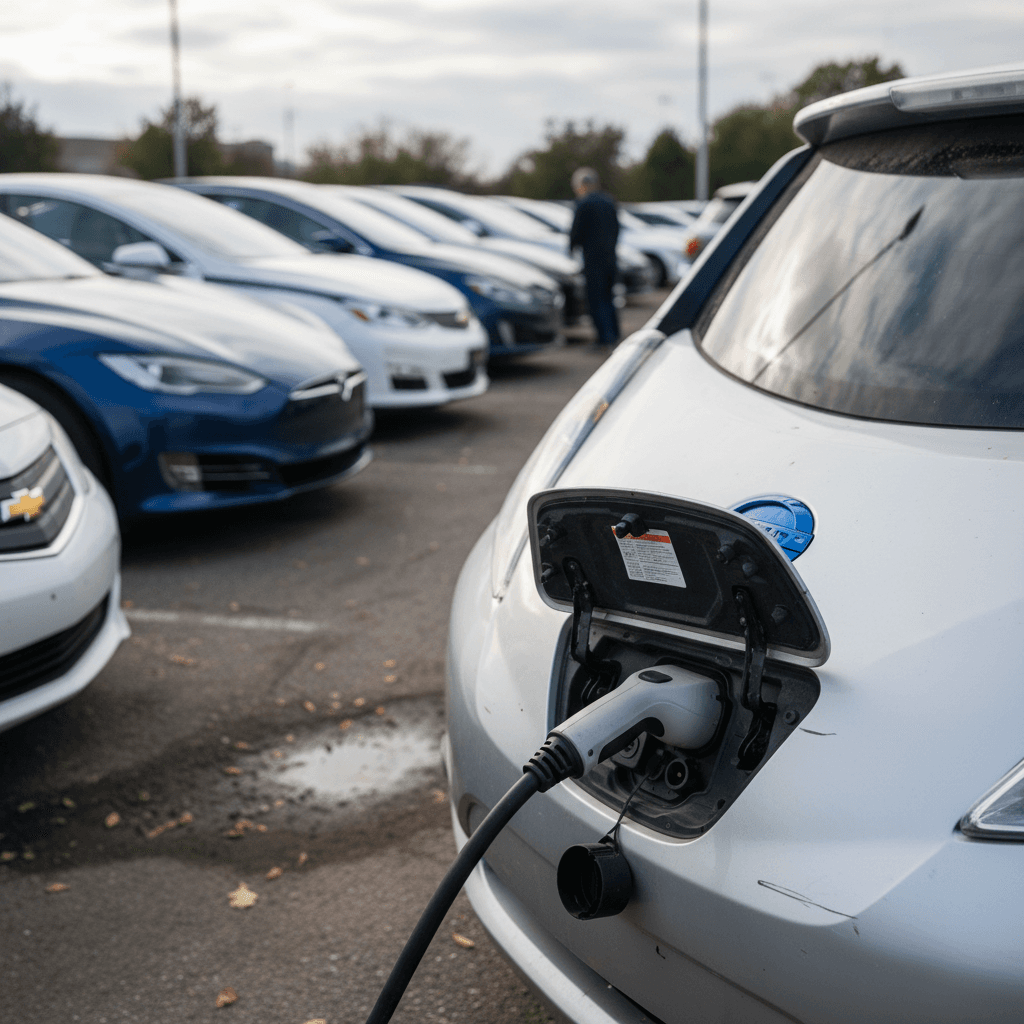
With a gas car, the engine is the beating heart of the vehicle. With an EV, it’s the battery pack, often the single most expensive component. Range, performance, fast‑charging speed, resale value: they’re all married to battery health. Any EV marketplace that treats the pack like a black box is asking you to buy blind.
What you want to see
- State of Health (SoH) estimate compared to the original battery capacity.
- Measured or modeled remaining range at typical highway speeds.
- Data on fast‑charging vs. home charging usage.
- Temperature exposure indicators (very hot or very cold climates).
Red flags in listings
- Vague language like “battery is fine” with no data.
- Unusually low price for year/mileage with no explanation.
- Heavy DC fast‑charging history on early‑generation packs.
- Missing service history or open battery‑related recalls.
What the Recharged Score adds
Pricing, financing, and the real cost of a used EV
EV pricing can look strange if you’re used to gas cars. You’ll see a 3‑year‑old EV listed cheaper than expected because shoppers are anxious about the battery, or a relatively basic hatchback priced like a luxury sedan because it has a large, healthy pack. A good EV marketplace doesn’t fight this, it explains it.
Four forces that shape used EV pricing
Why two similar‑looking cars can be thousands of dollars apart
Battery health
Better SoH and longer real‑world range usually command a premium. You’re buying future usability, not just a number on the odometer.
Charging capability
DC fast‑charging, NACS compatibility, and strong home‑charging behavior add value, especially if you road trip or lack a private driveway.
Model year & software
Newer EVs often have better thermal management and software. Over‑the‑air update support can make a car feel newer for longer.
Incentives & demand
Shifts in tax credits, gas prices, and new‑car discounts ripple into the used market. Prices can move quickly when new incentives appear or disappear.
Marketplaces like Recharged layer battery health, EV demand, and fair‑market pricing into their listings so you can see how a given car stacks up against similar vehicles, not just in today’s market, but over its likely remaining life.
Financing a used EV
Selling or trading in your EV on a marketplace
If you already own an EV, an EV marketplace isn’t just a place to shop; it’s where your next buyer is lurking. The questions they’re asking, about range, degradation, and charging, are the same ones you should be prepared to answer or outsource to the platform.
How to sell or trade your EV without the headaches
Get a real battery health report
Before you list, get an objective view of your pack. Platforms like Recharged bake this into the process via the Recharged Score, which can justify your price and build buyer trust.
Let the marketplace handle pricing
Instead of guesswork, use the platform’s suggested pricing that factors in battery health, options, and regional demand for your model.
Decide: instant offer or consignment
If speed matters, take an instant offer or trade‑in. If you want top dollar and can wait, consignment on a curated marketplace can be worth it.
Lean on EV‑savvy support
Use the platform’s experts to answer techy buyer questions about charging standards, adapters, and range, so you don’t have to become a full‑time sales rep.
Where Recharged fits in when you’re selling
How Recharged is different from generic car marketplaces
Most big marketplaces treat EVs like quirky sub‑species of the gas‑car world: same listing template, maybe an extra range line, and a hope that the buyer will sort it out. Recharged flips that script. The whole experience, inventory, scoring, pricing, financing, logistics, is built around electric vehicles from the ground up.
Built for EV buyers
- EV‑only inventory, so you’re not wading through endless gas cars.
- Recharged Score Reports with verified battery health and range insights.
- EV‑specialist support to walk you through charging at home, on the road, and on trips.
- Nationwide delivery plus an in‑person Experience Center in Richmond, VA.
Built for EV sellers
- Trade‑in, instant‑offer, or consignment, whichever fits your timeline and price goals.
- Transparent, data‑backed pricing that reflects your car’s battery health.
- Digital paperwork and remote closing support.
- An audience already shopping specifically for used EVs.
Online first, human when you want it
Checklist: what to do before you click “Buy”
A good EV marketplace will put a lot of information on the screen. Your job is to turn that data into a decision that will actually work with your life, your commute, your charging reality, your money.
Pre‑purchase checklist for any EV marketplace
Confirm real‑world range for your routine
Map your daily and weekly driving, then compare it to the car’s realistic range at highway speeds and in cold weather, not just the original EPA number.
Study the battery health report
Look at State of Health, fast‑charging history, and any notes on thermal management. If you can’t find a report, ask the platform, or reconsider the listing.
Plan your charging setup
Figure out where you’ll charge: a 120V outlet, a 240V Level 2 at home, or public fast‑charging. If you need home installation, budget time and cost up front.
Check total cost of ownership
Compare financing, insurance, energy costs, and likely resale value. A slightly pricier EV with a healthier battery can be cheaper over five years.
Test the support
Ping the marketplace’s support team with a real question about charging, adapters, or road trips. If the answer is vague, so is the backing behind your purchase.
FAQ: EV marketplaces and used electric cars
Frequently asked questions about EV marketplaces
Final thoughts: Use the marketplace, don’t be used by it
The EV marketplace isn’t a monolith. It’s a spectrum, from noisy classifieds that happen to include a few plug‑ins, to EV‑first platforms that treat battery health and charging like the main story rather than the footnotes. Your job is to pick the side of that spectrum that respects your time, money, and curiosity.
If you want the convenience of shopping online without gambling on the most expensive component in the car, favor marketplaces that put verified battery diagnostics, fair EV pricing, financing, and specialist support front and center. That’s the niche Recharged was built to occupy: a used EV experience that’s digital‑first, data‑driven, and still human when you need it. In a market moving this fast, that combination is the difference between owning an EV you’re proud of, and inheriting someone else’s experiment.