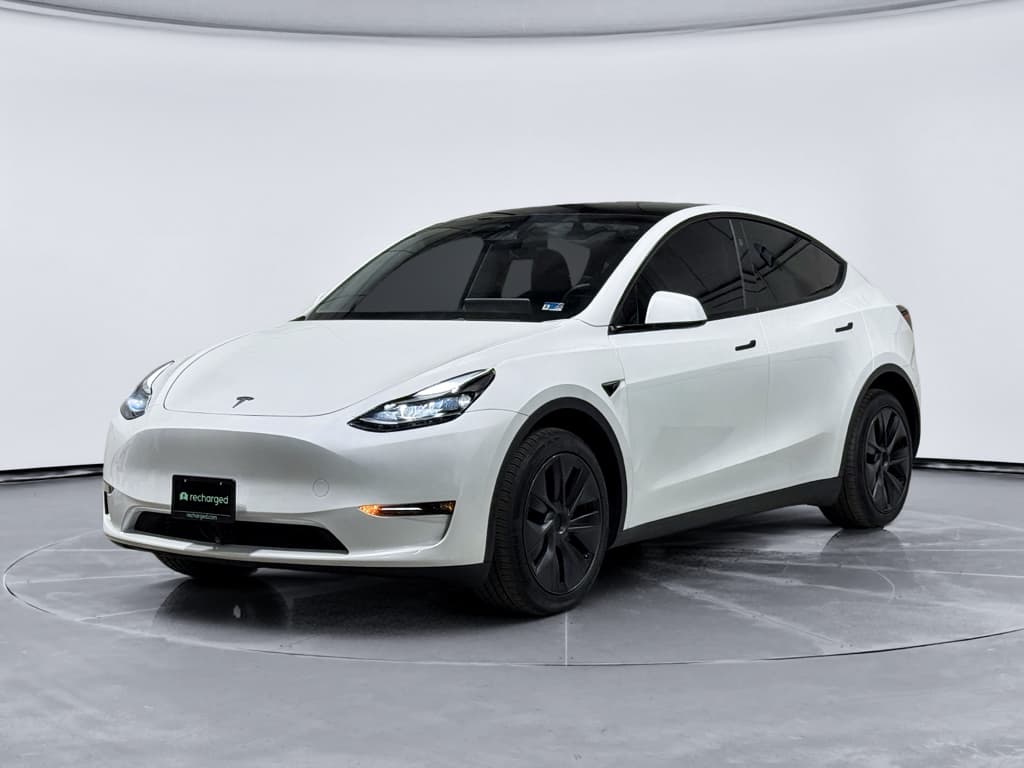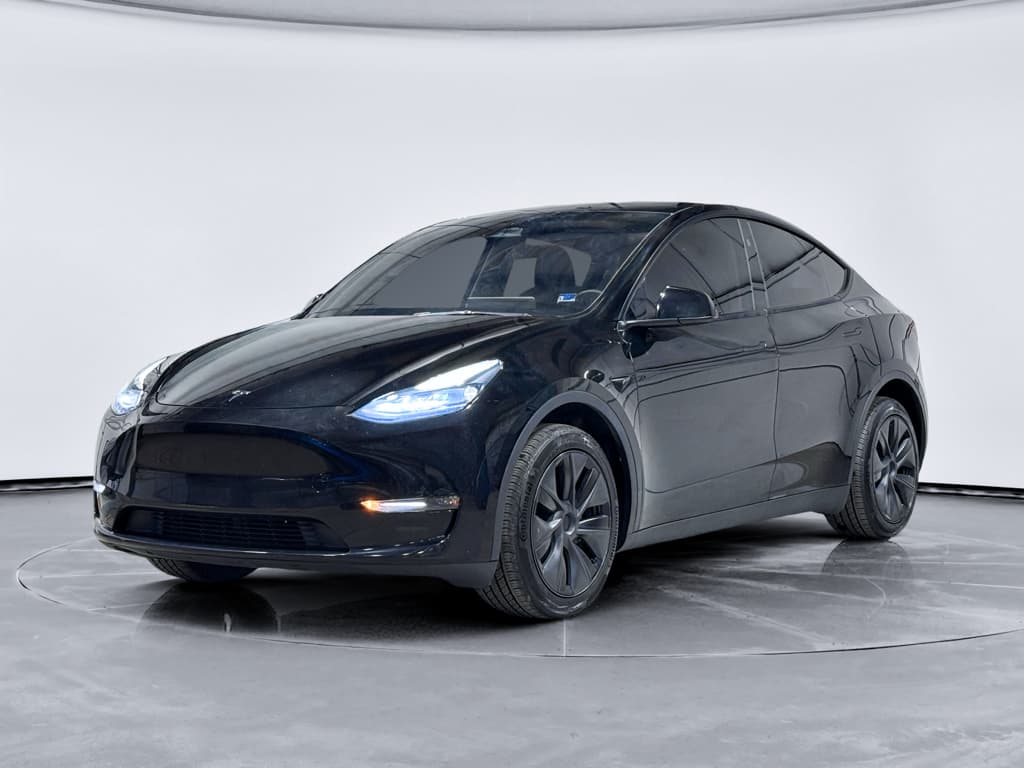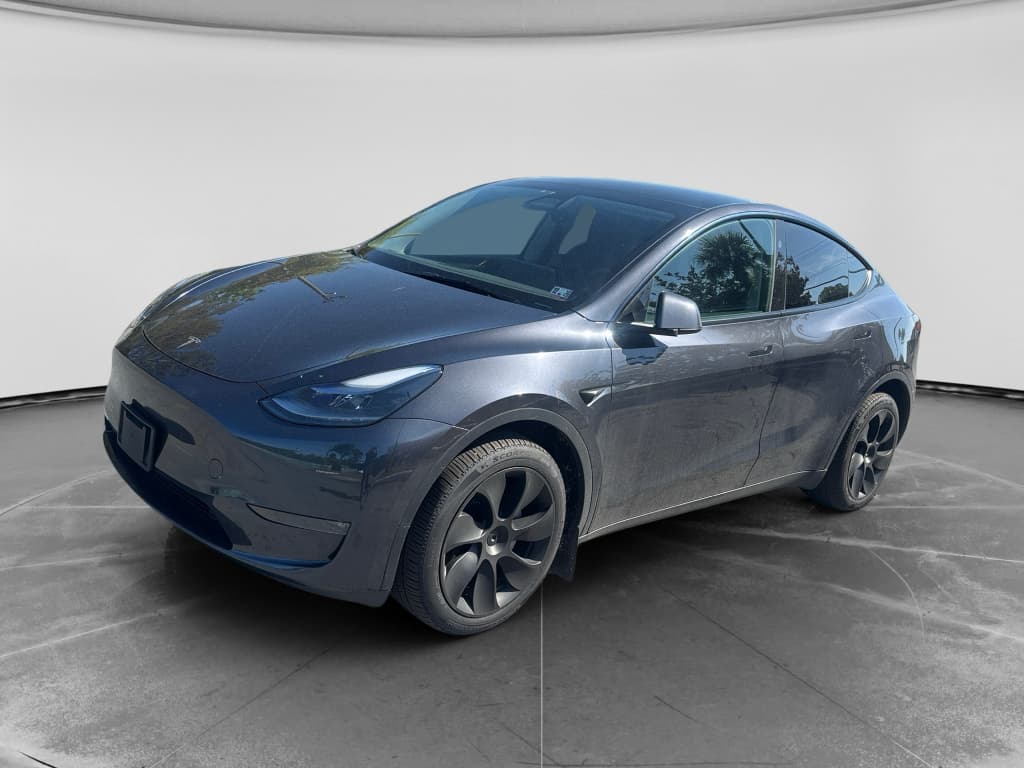
If you’re eyeing a 2024 Tesla Model Y, whether new or used, you’ve probably heard two competing stories. On one hand, it’s the best‑selling EV in the world, quick and efficient with cheap fuel costs. On the other, owners talk about suspension noises, cabin rattles, software bugs, and a steady stream of recalls. This guide breaks down the real‑world 2024 Tesla Model Y problems and fixes so you know what’s normal, what’s a red flag, and how to protect yourself, especially if you’re shopping used.
Quick take
2024 Tesla Model Y Problems at a Glance
2024 Model Y: Problem Snapshot
Zooming out, the 2024 Model Y looks like a mid‑cycle Tesla: the powertrain and battery are largely proven, while the body hardware, trim and software continue to be the Achilles’ heel. Owners are far more likely to complain about noises, fit‑and‑finish, and glitchy behavior than about motors or packs failing outright.
How Reliable Is the 2024 Model Y?
Independent ratings still peg Tesla’s compact crossover as average to below‑average for predicted reliability versus the broader new‑car market, pulled down by the track record of 2020–2023 Model Y vehicles. The 2024 model year does appear to show modest improvement: fewer complaints, fewer early major repairs, and a relatively clean record for catastrophic failures. But that doesn’t mean it’s trouble‑free, far from it.
- Drivetrain and high‑voltage battery: generally robust with very few outright failures reported so far for 2024 builds.
- Body hardware: door seals, latches, trim and interior squeaks continue to draw owner complaints.
- Electronics and software: the car is heavily software‑defined, so bugs show up as random warnings, strange driver‑assistance behavior, or one‑off glitches after updates.
- Ride and refinement: many owners report more noise and harshness than in rival compact luxury crossovers.
For used‑car shoppers
Suspension Creaks and Rattles
By far the most common quality‑of‑life complaint on 2024 Model Y forums is suspension and underbody noise. Owners describe creaks over driveways, rattles at low speeds, and a soft clunk from the front or rear when going over broken pavement, even on cars with just a few thousand miles.
Typical 2024 Model Y Suspension Noise Symptoms
Most are annoying, not catastrophic, but you shouldn’t ignore them.
Low‑speed creaks
Creaking from the front driver or passenger side when turning into driveways, speed bumps, or parking garages at 5–15 mph.
Rattle or flutter
A fluttery rattle over rough city streets, often between 10–40 mph, sometimes sounding like it’s under the driver’s feet.
Single clunk
A one‑time clunk over a specific bump or transition that repeats at the same spot, suggesting bushing, link, or strut play.
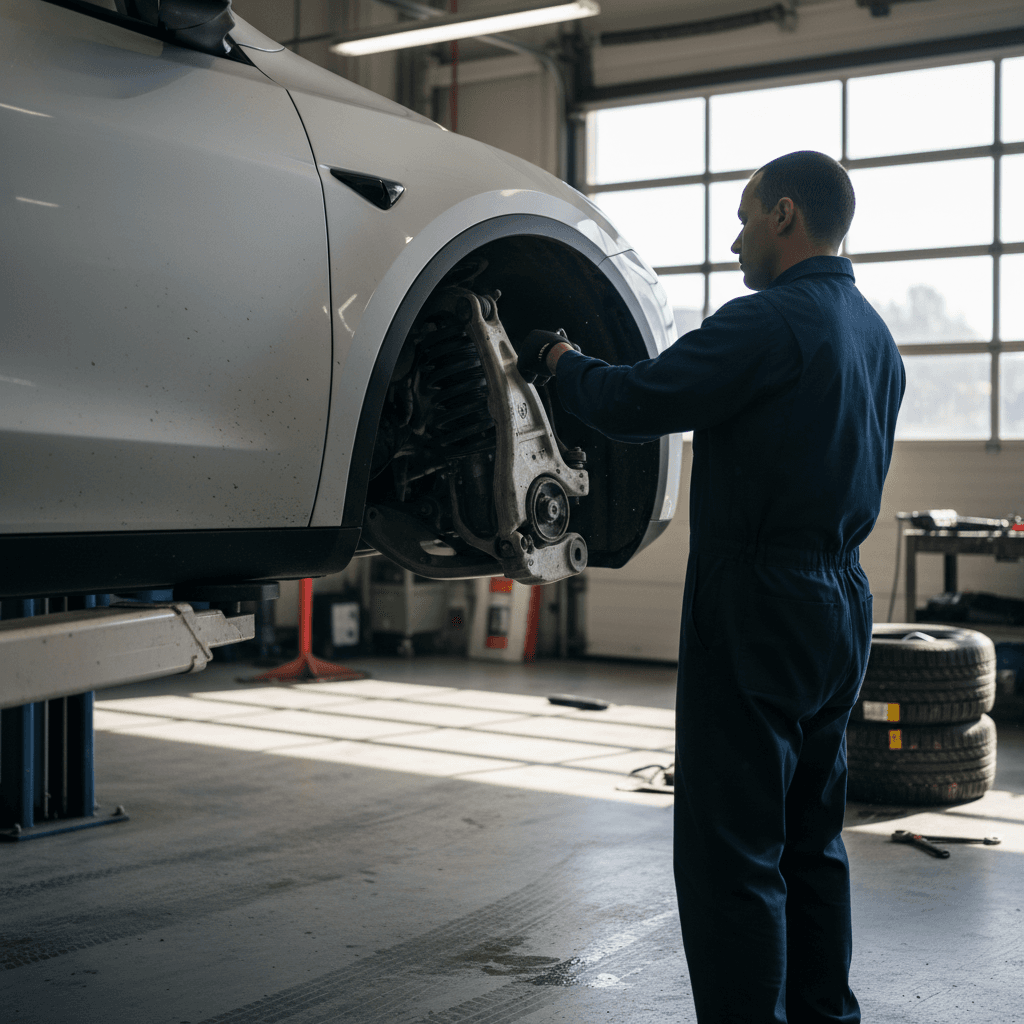
On 2020–2023 Model Y vehicles, similar noises were often traced to front upper control arms, sway‑bar bushings, or loose fasteners. With 2024 builds, owners are seeing many of the same patterns: service centers frequently replace control arms or re‑torque suspension hardware under warranty, and the noises usually improve, at least for a while.
How to Diagnose and Fix Suspension Noise
1. Reproduce the noise on demand
Find a specific, repeatable spot, like a ramp or driveway, where the noise happens every time. Service centers take you more seriously when they can hear it on a test drive.
2. Use the Tesla app with a clear description
Open a service request and describe <strong>exactly</strong> when the noise happens: speed, direction, weather, and whether you’re braking or turning. Attach a short phone video with audio if you can.
3. Request a suspension hardware inspection
Ask the service center to check front and rear control arms, sway‑bar links and bushings, and torque on major fasteners. Creaks often come from rubber bushings or ball joints that are binding or dry.
4. Don’t DIY with random spray lube
Spraying silicone or WD‑40 on suspension parts can temporarily quiet a noise but may wash away proper grease and hide issues that should be fixed under warranty.
5. Check wheel and tire setup
Aftermarket wheels, spacers, or aggressive tire setups can amplify noise. Make sure lug nuts are properly torqued and the car isn’t riding on a damaged tire or bent wheel.
6. Escalate if service says “normal”
If you’re told it’s normal but the car sounds like a 20‑year‑old beater, politely escalate through another Tesla service center or document the issue in writing for potential lemon‑law or warranty leverage later.
When suspension noise is serious
Cabin Rattles, Wind and Road Noise
The Model Y’s minimalist cabin and big glass areas look great on Instagram, but in the real world they can make the car feel noisier and less refined than similarly priced EVs and crossovers from legacy brands. Owners of 2024 cars still report:
- Buzzes from the dashboard or center console on sharp bumps.
- Rattles from the cargo area or rear hatch over rough pavement.
- Wind rush from the front doors or mirror area at freeway speeds.
- General road roar from the stock tires on coarse asphalt.
Simple DIY fixes
- Hunt loose items first. Sunglasses in the console, charging cables, coins and cargo accessories account for a surprising number of “mystery rattles.”
- Adjust and pad trim. Thin felt or foam tape behind easily removable panels (such as the hatch trim or console side pieces) can quiet buzzing contact points.
- Seal conditioning. Rubber‑care products around door and hatch seals can reduce squeaks and improve wind noise if the seals are dry.
When to involve Tesla service
- Persistent rattles that can’t be silenced by removing your own cargo.
- Wind noise that changes dramatically with crosswinds or rain, often a sign of misaligned doors, mirrors, or glass.
- Water leaks, fogging or whistling from the roof glass or hatch area.
If you’re still within the 4‑year / 50,000‑mile warranty, these are typically handled as build‑quality issues, not wear‑and‑tear.
Pro tip: record the rattle
Heat Pump and HVAC Quirks
Earlier Model Y years were infamous in cold‑climate markets for heat‑pump failures and sudden loss of cabin heat in sub‑freezing weather. For 2023–2024 builds, Tesla quietly refined parts and control logic, and the failure rate appears to be lower, but you still see 2024 owners posting about odd HVAC behavior, especially in winter.
- Momentary grinding or buzzing when the heat pump kicks on after the car has sat in the cold.
- Intermittent loss of heat that comes back after a power cycle or software update.
- Inconsistent defrost performance on very cold, damp days.
Heat Pump & HVAC: What to Watch and How to Respond
1. Learn what “normal” sounds like
The Tesla heat pump can make brief groans or whooshing sounds at startup, especially in cold weather. Short, infrequent noises without loss of heat are typically normal.
2. Watch for repeated loss of cabin heat
If your Model Y blows cold air when it should be heating, especially below freezing, take it seriously. Document temperatures, drive time, and any warning messages.
3. Check for HVAC alerts
If you see climate‑system warnings on the screen, grab screenshots. These are valuable evidence for a service visit and can indicate failing valves, sensors or the compressor.
4. Avoid DIY refrigerant work
The heat pump circuit is high‑pressure and complex. Recharging or tampering with it outside a certified shop can void coverage or make the problem worse.
5. Use warranty coverage early
A 2024 Model Y is still well within basic and drive‑unit warranties. If you live in a cold area and notice any HVAC weirdness, schedule a visit before your next winter.
Red‑flag HVAC symptoms
Software Bugs, Screens and Driver Assistance
Every modern Tesla is, for better and worse, a rolling software project. The 2024 Model Y is no exception. Over‑the‑air updates can introduce new features, but they can also deliver unwanted side effects, weird UI behavior, false warnings, or changes in Autopilot and Full Self‑Driving (FSD) behavior.
- Occasional center‑screen freezes or reboots while driving.
- Random error messages that clear after a restart and never return.
- Autopilot or FSD behavior that feels inconsistent after a big update, phantom slowdowns, odd lane choices, or abrupt braking.
Quick software troubleshooting
- Soft reboot. Hold both scroll wheels on the steering wheel until the screen goes black, then wait for it to restart.
- Power cycle. Use the Service menu to power the car off for a few minutes, then wake it back up.
- Check for pending updates. Make sure you’re not stuck on a buggy interim build when a newer update is already available.
Driver‑assistance sanity checks
- Treat Autopilot and FSD as driver‑assist, not self‑driving. Hands on wheel, eyes on road, always.
- If your car behaves dangerously, running reds, wandering out of lanes, disable the feature and report it to Tesla.
- Be aware that federal regulators have active investigations and recall remedies around Tesla’s driver‑assistance systems. Keep your car up to date and review any new warnings after updates.
About that giant screen
2024 Tesla Model Y Recalls to Know About
By early 2026, the 2024 Tesla Model Y has been swept into multiple software‑driven federal recalls that affect millions of Teslas built over the past decade. Most of these are fixed with over‑the‑air updates, but some may involve physical checks or part replacements.
Major Recall Themes Affecting 2024 Model Y
Exact recall IDs and wording change over time, but these are the problem categories you’re most likely to see attached to a 2024 VIN.
| Area | Typical Fix Type | Why It Matters |
|---|---|---|
| Autopilot / driver monitoring | Software update | Improves how the car checks that you’re paying attention and reduces misuse of driver‑assist features. |
| Warning indicators & UI | Software update | Corrects missing or hard‑to‑read warnings and telltales in the instrument cluster or screen. |
| Tire‑pressure monitoring | Software update | Ensures the car properly warns you of low tire pressure so you don’t run under‑inflated, which affects safety and range. |
| Hood/door/latched components | Software + inspection | Prevents the hood or other closures from being open while driving without proper warnings. |
| Lighting behavior | Software update | Ensures exterior lights meet federal visibility and glare rules and signal correctly to other drivers. |
Always check your specific VIN on NHTSA’s website or in the Tesla app for the latest recall status.
Don’t ignore software recalls
Battery, Range and Charging Issues
If there’s good news, it’s this: catastrophic battery failures on 2024 Model Y vehicles are rare so far. The bigger story is owner expectations versus reality, how much range you actually see and how the car behaves on fast chargers.
Common Battery & Charging Complaints (and What’s Normal)
Not every drop in range is a disaster.
Range loss vs. EPA
Real‑world range is often 20–30% lower than the EPA number, especially at 75+ mph, in cold weather, or with a roof box.
DC fast‑charge taper
Charging speeds drop quickly above ~50–60% state of charge. This is normal lithium‑ion behavior to protect the pack.
Home charging surprises
New owners underestimate how long Level 1 (120V) charging takes and think something is wrong when it’s just physics.
Simple Habits to Avoid Real Battery Problems
1. Don’t live at 100%
Use the charge limit slider and keep daily charging around 70–80% unless you’re about to take a road trip. Topping to 100% every night isn’t healthy long‑term.
2. Avoid deep discharges
Occasional low‑state‑of‑charge events are fine, but running to near‑zero every day stresses the pack. Aim to stay above 10% whenever possible.
3. Warm up before fast charging in winter
Use the built‑in battery preconditioning (“Navigate to Supercharger”) before DC fast charging in cold weather to preserve speed and reduce wear.
4. Document any major range drop
If you lose a large chunk of indicated range in a short time, grab screen photos and contact Tesla. Significant degradation while the battery is under warranty should be investigated.
Where Recharged fits in
Ready to find your next EV?
Browse VehiclesFixing Problems Under Warranty vs. Out of Pocket
Because the 2024 Model Y is still new, most major systems are under factory warranty. Knowing what’s covered can save you real money, and help you decide whether to walk away from a sketchy used example.
2024 Tesla Model Y Warranty Cheat Sheet (U.S.)
Always confirm details for your specific car, but these are the typical terms for a 2024 Model Y.
| Component | Typical Coverage | What Falls Here |
|---|---|---|
| Basic vehicle | 4 years / 50,000 miles | Suspension, interior, body hardware, most electronics |
| Battery & drive units | 8 years / 120,000–160,000 miles (variant‑dependent) | High‑voltage battery, motors, gearboxes, DC‑DC converter |
| Corrosion | 12 years (no mileage limit) | Rust‑through of body panels from the inside out |
| Software recalls | No time limit | Safety‑related software fixes delivered over‑the‑air or by service |
If you’re buying used, focus on how much time and mileage remain on each line.
Lean on the warranty for:
- Suspension creaks, clunks or rattles that appear within the first few years.
- Heat pump or HVAC failures, especially in cold weather.
- Screen, camera or sensor problems that persist after software updates.
- Build‑quality issues: misaligned panels, water leaks, non‑functional door handles.
Budget out of pocket for:
- Tires, Model Y is heavy and torquey; it eats cheap rubber for breakfast.
- Wheel damage from potholes or curbs.
- Wear‑and‑tear items like wiper blades, cabin filters and brake service (even if brakes last a long time).
- Cosmetic fixes: paint correction, glass tint, extra sound deadening.
Used buyer move
Used 2024 Model Y: What to Check Before You Buy
If you’re shopping a used 2024 Tesla Model Y, you’re trying to thread a needle: you want the efficiency and Supercharger access, without inheriting someone else’s rattles, suspension gremlins or software headaches. Here’s how to tilt the odds in your favor.
Pre‑Purchase Checklist for a 2024 Model Y
1. Listen on a bad road
On the test drive, deliberately find <strong>rough pavement, speed bumps and tight turns</strong>. Any creaks, clunks or rattles should show up quickly if they’re there.
2. Highway noise test
Take it to 65–75 mph. Listen for wind howl from doors or roof, and pay attention to whether you have to raise your voice to talk. Compare more than one car if you can.
3. Climate‑system shakedown
Test the HVAC thoroughly: max heat, max cool, defrost, and automatic modes. On a cold day, make sure the car warms quickly and defogs without drama.
4. Screen and cameras
Check that the center screen responds quickly, all cameras display clean images, and there are no persistent error messages after a reboot.
5. Battery and charging
Look at displayed range at 80–90% charge, review lifetime efficiency if available, and fast‑charge the car once if possible to confirm normal speeds and taper.
6. Recall and warranty status
Run the VIN through NHTSA’s site, and check the Tesla app (or ask the seller for screenshots) to confirm all recalls are done and how much warranty remains.
7. Independent inspection
If you’re not buying through a specialist, pay a shop with EV experience to inspect the suspension, brakes and underbody for evidence of damage or leaks.
Buying through Recharged
FAQ: 2024 Tesla Model Y Problems and Fixes
Frequently Asked Questions
Bottom Line: Is the 2024 Model Y a Good Bet?
The 2024 Tesla Model Y is a study in contrasts. As an EV, it’s brilliant: quick, efficient, with access to the best fast‑charging network in North America. As a piece of physical craftsmanship, it’s still rougher around the edges than many comparably priced crossovers, especially when it comes to suspension refinement, cabin quietness, and software polish.
If you go in with clear eyes, use the factory warranty aggressively for real defects, and insist on a proper inspection and battery‑health report for any used purchase, a 2024 Model Y can be a very satisfying daily companion. If you’re the sort of driver who’s driven mad by the faintest rattle or who wants set‑and‑forget driver‑assistance, you may prefer a more conservative EV from a legacy brand.
Either way, the key is information. Tools like the Recharged Score Report, independent inspections, and a basic working knowledge of common 2024 Tesla Model Y problems and fixes can turn an anxious EV leap into a confident, well‑informed upgrade.