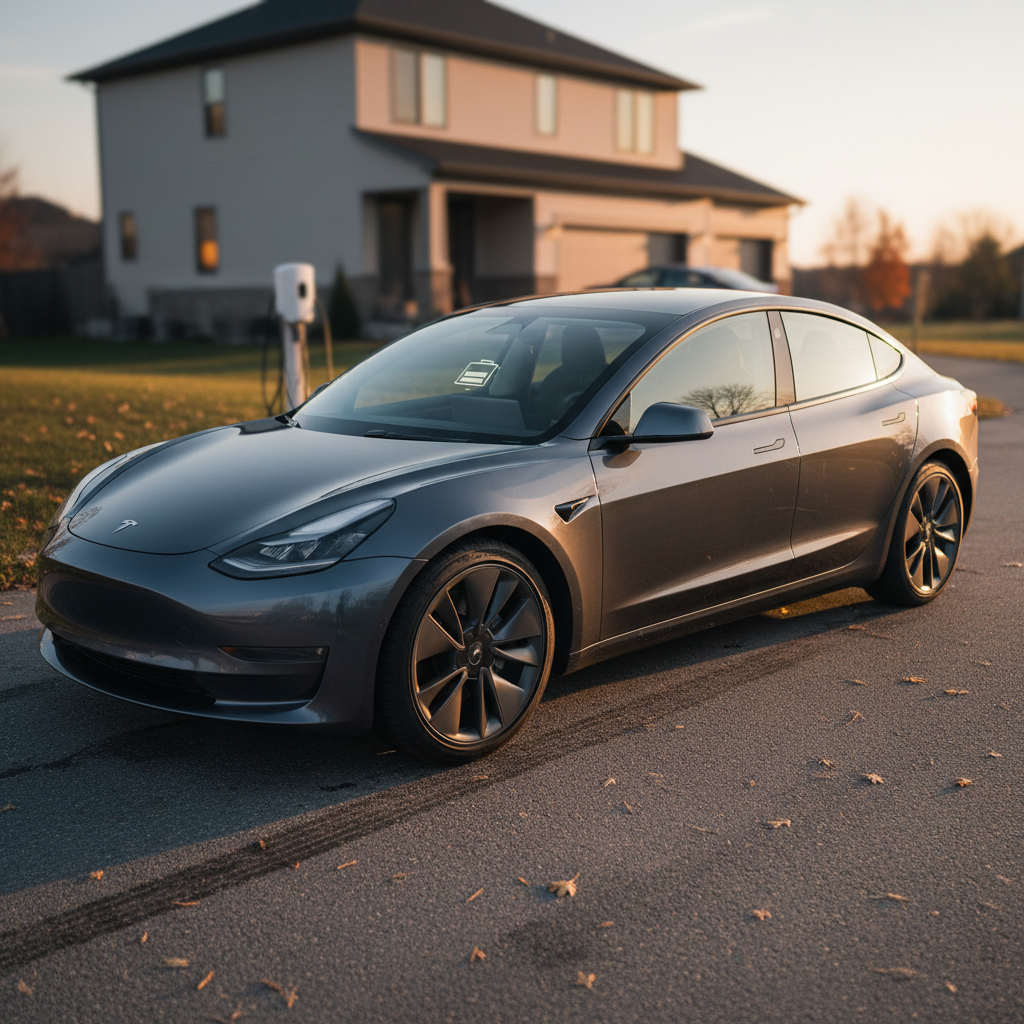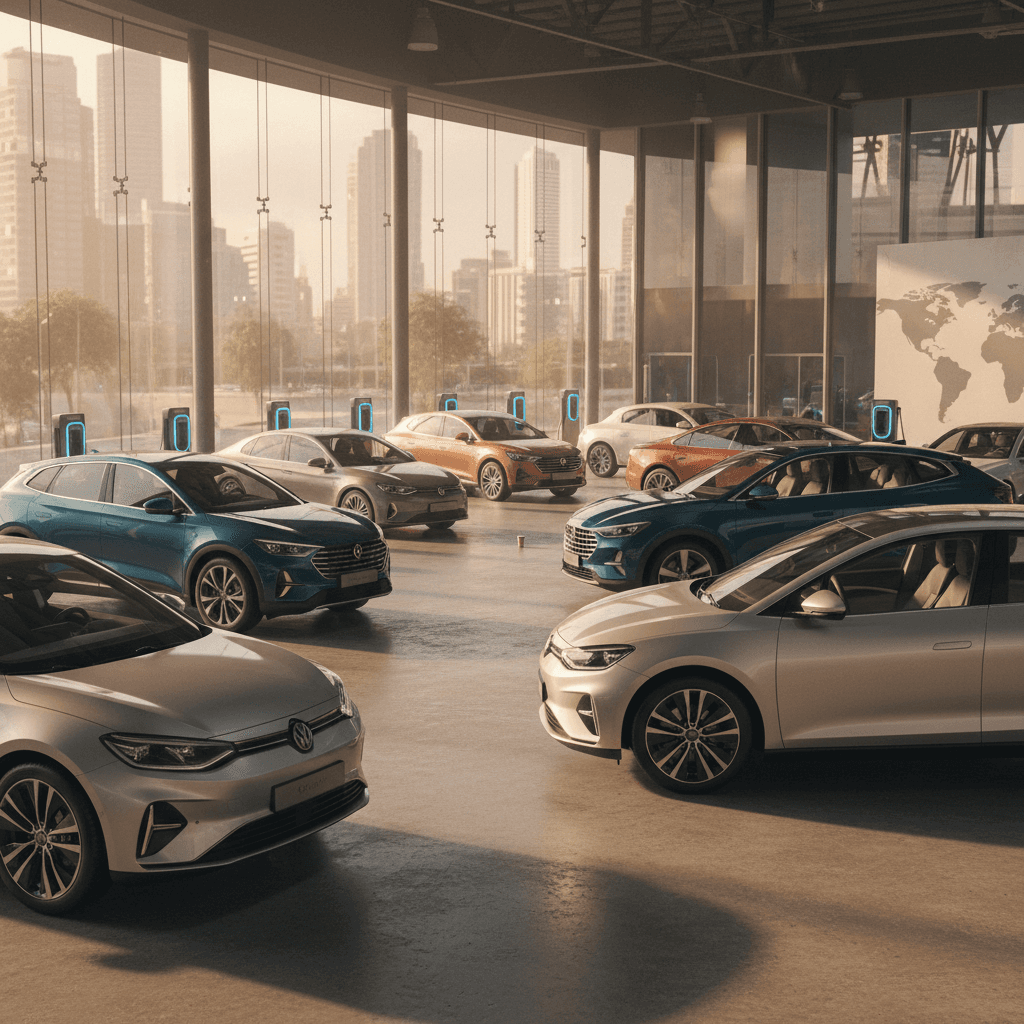
If you’re researching EV manufacturers before buying a used electric car, you’re not alone. The market has shifted fast: Tesla is no longer the only name in town, Chinese brands dominate global volume, and traditional automakers now field full electric lineups. Understanding who builds what, and how that impacts battery health, reliability, and resale value, is one of the smartest things you can do before you sign anything.
Quick context
Why EV manufacturers matter when you’re shopping used
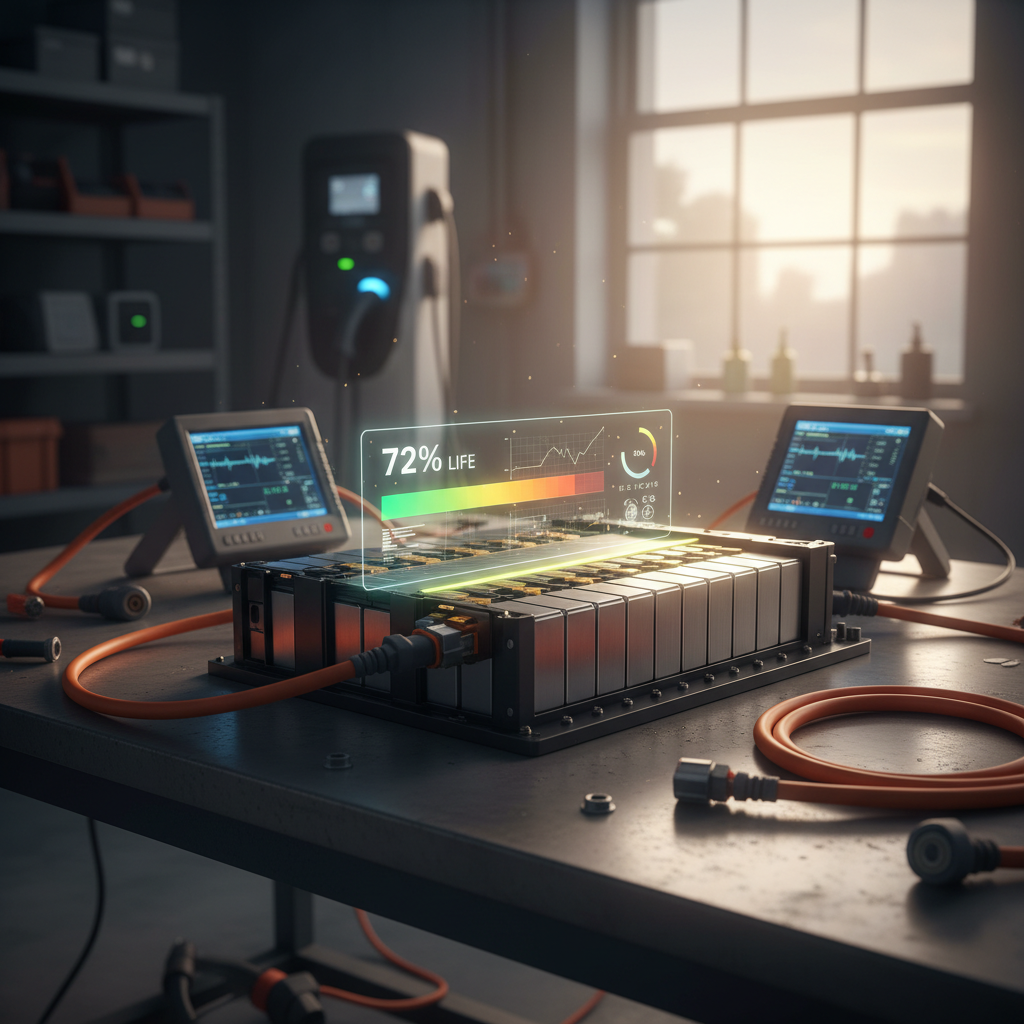
When you buy a gas car, you probably care about brand reputation and reliability. With a used EV, the stakes are higher because the battery pack and charging system are brand-specific. Different EV manufacturers use different chemistries, thermal management strategies, and software policies that all affect degradation, range, and long‑term value.
- Battery design and chemistry affect how much range the car retains after 5–10 years.
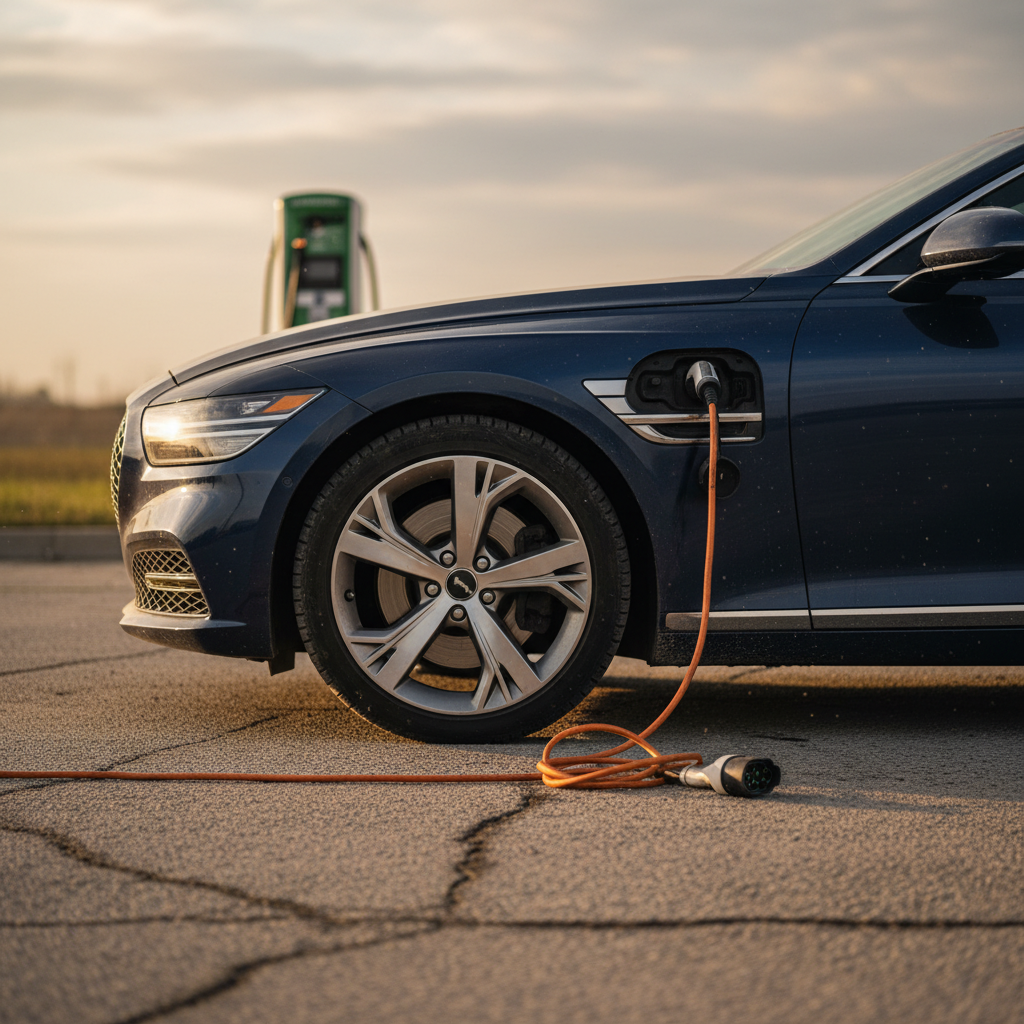
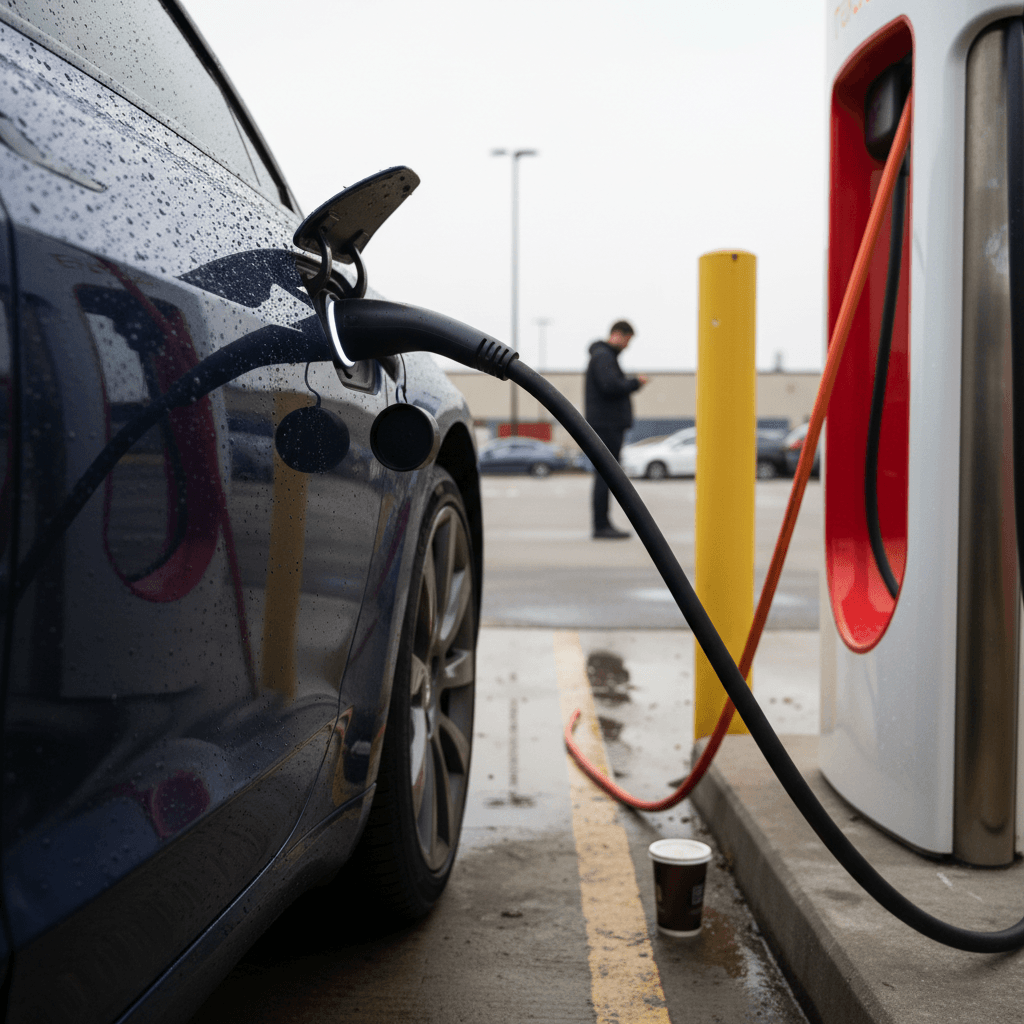
- Charging interfaces (NACS, CCS, CHAdeMO) determine where and how quickly you can charge.
- Over‑the‑air software support varies widely by manufacturer, impacting features and efficiency.
- Warranty terms and service networks differ, especially for newer or imported brands.
- Brand perception and demand drive used EV pricing and depreciation.
Used‑buyer tip
Global EV manufacturers at a glance in 2025
The EV manufacturing landscape in 2025
Look at the global league tables and a few themes jump out. Chinese manufacturers now account for a large share of worldwide EV sales, Tesla is still a major force in fully electric models, and European and Korean groups have used their engineering depth to roll out competitive crossovers and SUVs. For a U.S. shopper, you won’t see every one of these badges on a local lot, but they still shape technology, pricing, and expectations.
Leading EV manufacturers and what they’re known for
Major EV manufacturers and their calling cards
What different EV makers tend to prioritize
Tesla (U.S.)
Strengths: Dense fast‑charging network, strong software, efficient drivetrains.
Typical buyer: Wants long range, tech‑forward experience, and easy road‑trip charging.
BYD (China)
Strengths: Vertical integration, competitive pricing, LFP "Blade" batteries with a focus on safety.
Presence: Huge in China and expanding in Europe and Latin America; limited in the U.S. so far.
Volkswagen Group (Europe)
Strengths: Broad model spread under VW, Audi, Škoda, Cupra; solid ride and refinement.
Focus: European buyers and compliance with EU emissions rules.
Hyundai–Kia (Korea)
Strengths: 800‑volt platforms with very fast DC charging, modern designs, strong warranties.
Popular models: Hyundai Ioniq 5/6, Kia EV6, EV9.
GM, Ford, Stellantis (U.S./EU)
Strengths: Truck and SUV expertise, dealer networks, brand familiarity.
Key EVs: Chevy Equinox EV and Blazer EV, Ford Mustang Mach‑E and F‑150 Lightning, Jeep and Peugeot/Fiat EVs under Stellantis.
BMW, Mercedes, Volvo/Polestar
Strengths: Premium interiors, safety tech, sophisticated driver assistance.
Appeal: Buyers moving from luxury ICE vehicles who want an electric equivalent.
Don’t over‑generalize
Chinese EV manufacturers: Big globally, limited in the U.S.
One of the biggest disconnects in today’s market is that Chinese EV manufacturers are huge globally but still have a small footprint in the United States. Groups like BYD, Geely, SAIC, Changan, and Chery sell millions of EVs and plug‑in hybrids worldwide, especially in China and increasingly in Europe, the Middle East, and Latin America.
Global heavyweights
- BYD: Massive scale, strong in both BEVs and plug‑in hybrids, known for its Blade battery and aggressive pricing.
- Geely: Owns or partners with brands like Volvo, Polestar, and Zeekr, giving it a global footprint.
- SAIC: Behind the reborn MG brand in Europe and other regions, active in small and mid‑size EVs.
- Changan, GAC, Chery: Fast‑growing players expanding exports and entering new markets with compact EVs and crossovers.
Why you see few of them used in the U.S.
- High U.S. tariffs on Chinese‑built EVs and political scrutiny.
- Focus on other regions where distribution and regulations are more favorable.
- Many Chinese‑designed EVs still reach the West indirectly, through joint ventures or re‑badged models with European or American partners.
For a U.S. used‑EV shopper, these brands matter less on today’s dealer lots but have shaped battery costs and innovation across the industry.
Why this still matters to you
U.S. EV manufacturers: Tesla and the legacy giants
In the United States, most used‑EV shoppers will encounter a familiar cast of characters: Tesla, General Motors, Ford, Stellantis, and a smattering of startups like Rivian and Lucid. Each is taking a different path on volume, pricing, and charging tech.
Key U.S. EV manufacturers for used buyers
How the main U.S. players stack up from a used‑market perspective.
| Manufacturer | Typical used EVs you’ll see | Stand‑out traits | Things to watch |
|---|---|---|---|
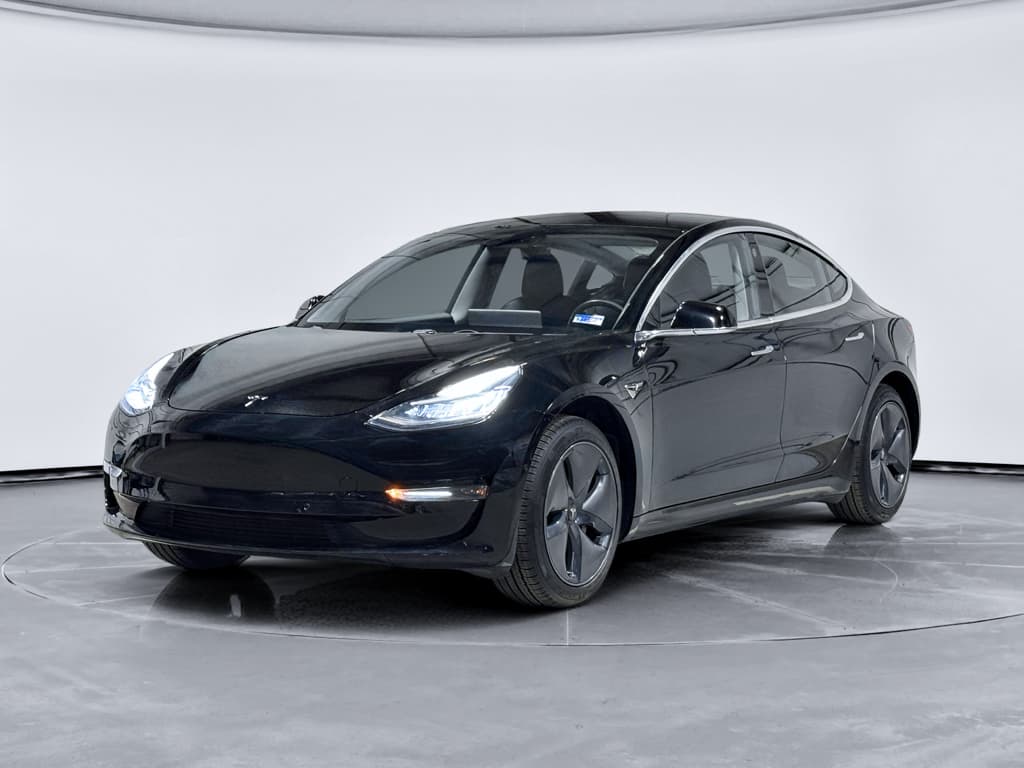
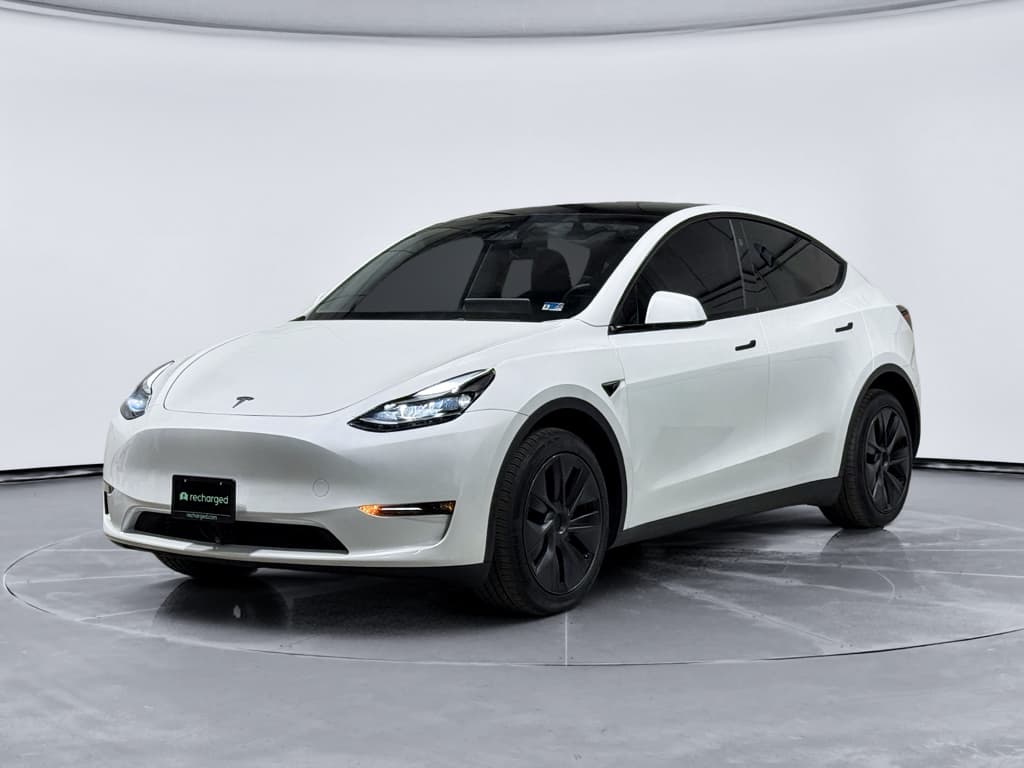
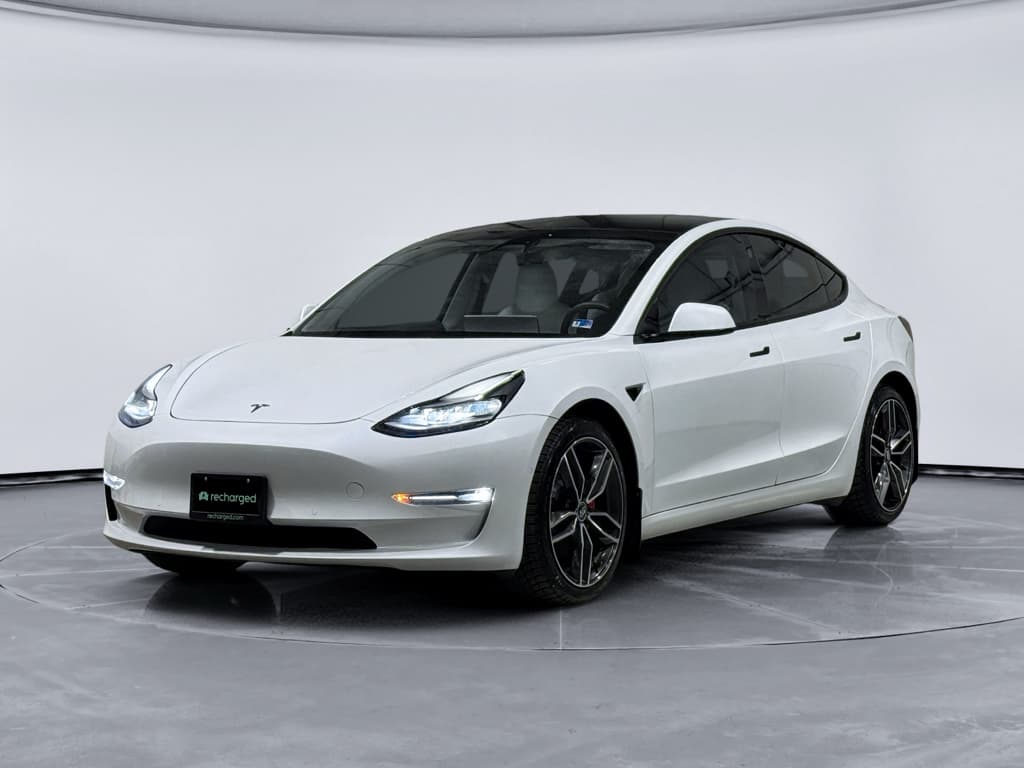
| Tesla | Model 3, Model Y, some Model S/X | Long range, Supercharger access, strong software support | Build quality variability on some model years; feature changes mid‑cycle |
| General Motors (Chevy, Cadillac, GMC) | Bolt EV/EUV, Equinox EV, Blazer EV, Lyriq, Hummer EV | Increasingly competitive pricing, expanding Ultium lineup | Rapid model changes; check charging speeds and software updates by year |
| Ford | Mustang Mach‑E, F‑150 Lightning, E‑Transit | Strong brand recognition, especially in trucks and vans | Evolving fast‑charging performance and towing‑range trade‑offs on trucks |
| Stellantis (Chrysler, Jeep, Dodge, Ram, Fiat, Peugeot) | Fiat 500e (older), new Jeep and compact EVs by region | European‑influenced small EVs plus emerging U.S. models | Patchwork availability; specs can vary by market and trim |
| Rivian | R1T, R1S | Adventure‑oriented design, strong performance | Younger company, watch service network coverage and software maturity |
| Lucid | Air | High efficiency and long range in a luxury package | Low volumes and higher repair costs; limited service footprint |
Brand position and what you’re likely to find on the used market.
Check connector type and charging access
European and Korean EV manufacturers: Refinement and range
European brands, Volkswagen Group, Mercedes‑Benz, BMW, Renault–Nissan–Mitsubishi, Stellantis, and Korean makers Hyundai and Kia collectively account for a large slice of global EV volume. On U.S. roads, Hyundai‑Kia in particular have become fixtures in EV‑friendly markets, while European EVs are more common in coastal cities and major metro areas.
- Volkswagen Group: VW ID.4, Audi Q4 e‑tron and other MEB‑based vehicles focus on practicality and European driving dynamics.
- Hyundai–Kia: Ioniq 5/6 and Kia EV6 use 800‑volt architectures for very fast DC charging and efficient road‑trip performance.
- BMW and Mercedes: i4, iX, EQE and others aim at buyers cross‑shopping gas luxury sedans and SUVs.
- Renault–Nissan–Mitsubishi: Pioneers with the Nissan Leaf; newer models improve thermal management and highway range.
- Volvo and Polestar: Scandinavian‑flavored design, strong safety story, and increasing range with newer platforms.
Good news for used shoppers
How EV manufacturers differ on batteries and charging
Under the skin, EV manufacturers make very different choices about battery chemistry, cooling, and charging strategy. Those choices don’t show up on a window sticker, but they’re critical when you’re evaluating a used EV’s long‑term value.
Key technical differences between EV manufacturers
What matters when you’re comparing used EVs
Battery chemistry
Some EV makers (especially Tesla and BYD) use both NMC and LFP chemistries, often in different trims.
- NMC: Higher energy density, more range per pound.
- LFP: Typically longer cycle life and more tolerant of 100% charges.
Thermal management
Active liquid cooling (common on Tesla, Hyundai–Kia, most newer GM and VW products) generally leads to more consistent battery temperatures, which helps range and longevity compared with older air‑cooled designs.
Charging speeds & networks
Hyundai–Kia and some luxury brands use 800‑volt platforms to enable very fast DC charging. Tesla relies on efficient vehicles plus ubiquitous Superchargers. Others may have slower peak rates but improving networks via CCS and now NACS access.
Battery health can’t be judged by brand alone
How to choose between EV manufacturers when buying used
Brand is only one piece of the puzzle. When you’re cross‑shopping different EV manufacturers on the used market, you’re really balancing range, charging convenience, ownership costs, and how long you plan to keep the car. A structured checklist can keep you focused on what matters most.
Checklist: Comparing EV manufacturers for a used purchase
1. Start with your charging reality
If you rely on road‑trip fast charging, Tesla and Hyundai–Kia stand out for network access and speed. If you mostly charge at home, a broader range of brands may work just fine.
2. Look at real‑world battery track records
Search owner forums and reliability data for your short list. Some early models from otherwise strong brands had undersized battery packs or weaker cooling systems.
3. Compare warranties and service access
Check whether the original battery and drivetrain warranty is still active and how close you are to the nearest service center or dealer authorized to work on that brand’s EVs.
4. Evaluate software support
Manufacturers differ in how long they push over‑the‑air updates and how quickly they address bugs. Vehicles that still receive updates often age better than those stuck on old software.
5. Factor in depreciation and incentives
Some brands and models have dropped further in price, which can be great for buyers as long as there’s no underlying reliability or parts‑availability issue driving the discount.
6. Get an independent battery health report
Regardless of manufacturer, nothing replaces a proper battery diagnostic. It’s the EV equivalent of a compression test on a gas engine.
Where Recharged fits in: Making brand differences transparent
Sorting through EV manufacturers, model years, and battery options is hard to do from a spec sheet alone. That’s why every vehicle listed with Recharged includes a Recharged Score Report, our battery‑health and fair‑value snapshot built specifically for used EVs.
What the Recharged Score shows
- Verified battery health: We measure usable capacity versus original spec, so you know how much range you’re really getting.
- Charging capability: Connector type, supported fast‑charging speeds, and practical guidance on where you can charge.
- Market‑aware pricing: We benchmark against nationwide data for that manufacturer, model, and trim.
Services built for EV brands
- Financing tailored to EVs: We work with lenders comfortable with EV residual values across manufacturers.
- Trade‑in and instant offers: Whether your current vehicle is gas or electric, you can apply its value toward an EV from any major manufacturer.
- Nationwide delivery & Richmond, VA Experience Center: Browse and buy fully online, or see select vehicles in person with EV‑specialist support.
Why this matters across manufacturers
Ready to find your next EV?
Browse VehiclesEV manufacturers: Frequently asked questions
Frequently asked questions about EV manufacturers
Bottom line and next steps
The list of EV manufacturers shaping the market in 2025 is longer and more global than ever. Chinese giants drive scale and affordability, Tesla still sets expectations for charging and software, and U.S., European, and Korean legacy brands are quickly filling every segment from compact hatchbacks to three‑row SUVs. For you as a used‑EV shopper, the important question isn’t “Who’s winning the sales race?”, it’s “Which manufacturer’s technology, support, and real‑world battery performance best fit my life?”
Focus on your charging reality, range needs, and time horizon, then compare specific models across manufacturers with an eye on battery health and warranty coverage. If you want help cutting through the noise, explore used EVs at Recharged, where every car comes with a Recharged Score Report, EV‑savvy financing options, and expert support from first click to final delivery.