If you’re looking at a **used 2023 Genesis Electrified G80**, you’re probably drawn to the old‑money design and quiet performance, but wondering what kinds of problems this low‑volume luxury EV actually has. Because it shares a lot of tech with Hyundai–Kia’s E‑GMP platform (Ioniq 5, EV6, etc.), there’s good news on fundamentals, but also a handful of quirks you should understand before you buy.
Quick take
Overview: How Reliable Is the 2023 Electrified G80?
The **Electrified G80** launched in the U.S. for the 2023 model year as a low‑volume, halo luxury EV sedan built off the gas G80. It uses an 87.2‑kWh battery, dual‑motor all‑wheel drive, and an 800‑volt electrical architecture shared with vehicles like the Hyundai Ioniq 5 and Kia EV6, both of which have generally solid reliability records so far.
2023 Genesis Electrified G80 Key Specs
Unlike some early EVs, there’s **no pattern of high‑voltage battery failures, motor failures, or chronic software bricking** in the 2023 Electrified G80. The platform was not rushed; it’s an electrified variant of an existing sedan, underpinned by a now‑proven EV architecture from Hyundai Motor Group.
Important context: discontinued in the U.S.
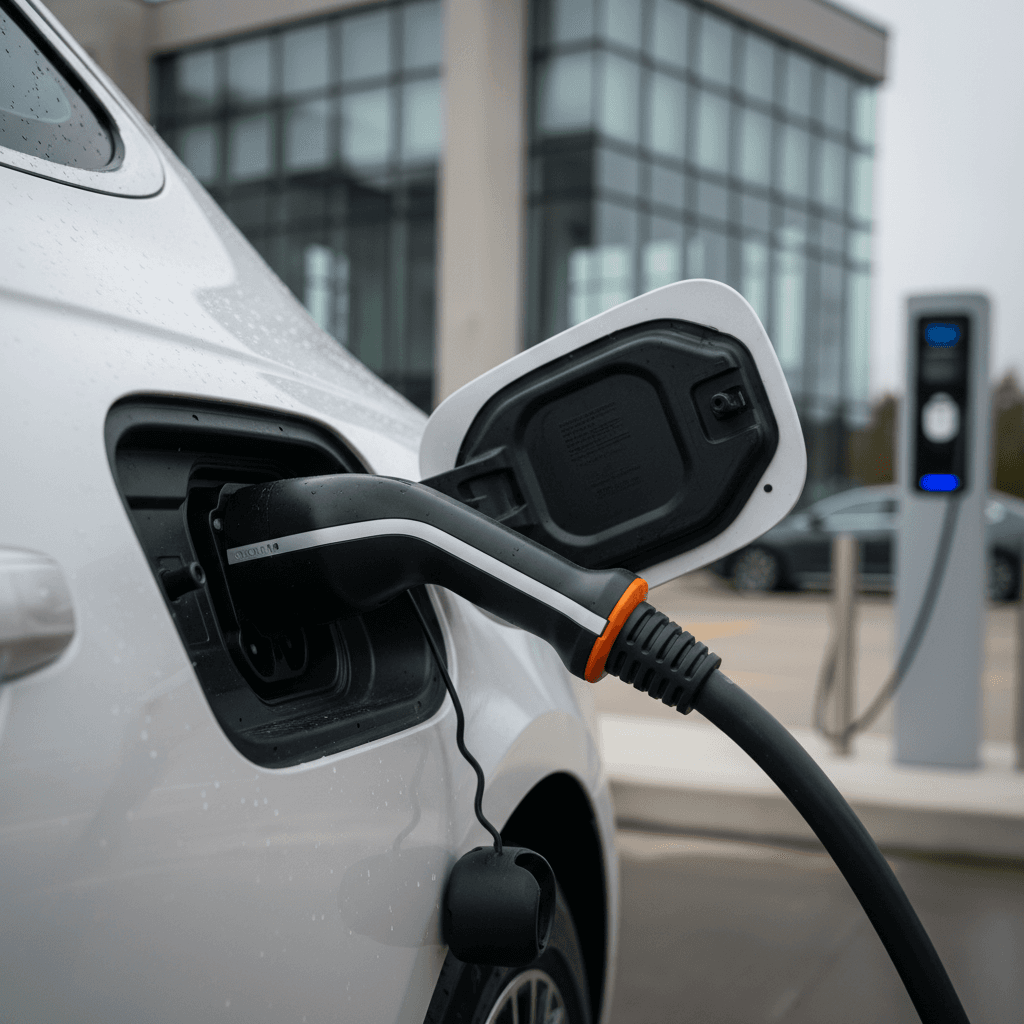
Known 2023 Genesis Electrified G80 Problems So Far
Because the **Electrified G80 sold in small numbers**, traditional complaint databases and owner forums don’t show the kind of long problem lists you might see with a high‑volume mainstream EV. Instead, what we see are recurring themes drawn from road tests, early owners, and the closely related Hyundai and Kia EVs:
Most Common Electrified G80 Owner Complaints (So Far)
Not catastrophic failures, more refinement and expectation gaps
Real‑world range short of EPA
Fast‑charge speed depends on charger
Infotainment & UX quirks
Beyond those themes, the Electrified G80 has **not yet developed a clear pattern of hard failures**, no widespread inverter failures, no recurring motor bearing issues, and no serious safety‑related defects unique to the EV version as of early 2026. That’s good news if you’re considering one used, but you still need to understand where owners are running into friction day to day.
Battery, Range, and Charging Issues To Watch For
In any used EV, the **battery pack and fast‑charging behavior** are the big-ticket items. For the 2023 Electrified G80, the story is mostly positive, but there are a few nuances.
- The 87.2‑kWh pack has not shown a pattern of rapid degradation in its platform siblings, but real‑world range is highly sensitive to temperature, wheel choice, and driving style.
- Owners in colder climates report winter range dropping 20–30% from the EPA figure, especially on short trips where the pack never fully warms up.
- The 800‑V system enables excellent **10–80% DC fast‑charge times** in ideal conditions, but you only see those headline numbers on a healthy battery and a strong charger.
Cold‑weather range reality
Fast‑Charging Behavior
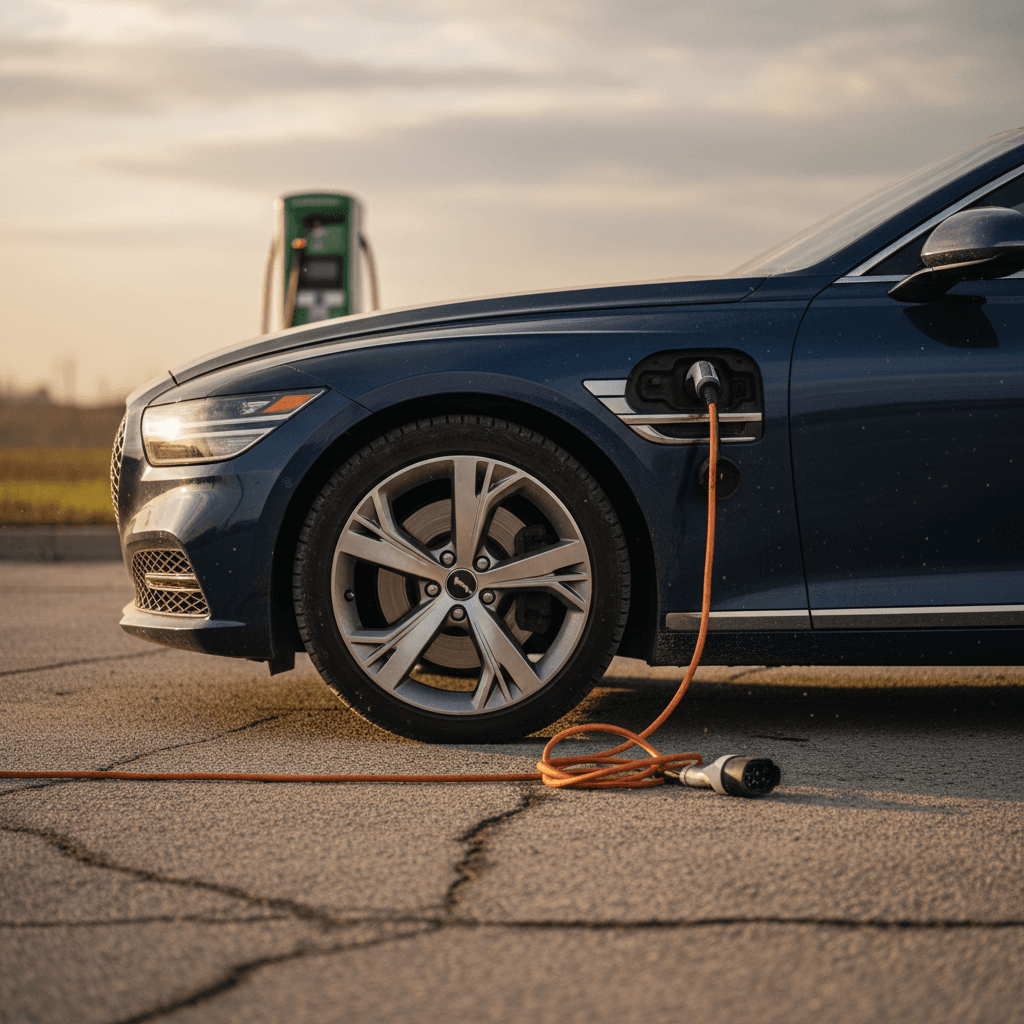
On a 350‑kW DC fast charger, the Electrified G80 can add roughly **180–190 miles of range in about 20–22 minutes** in ideal conditions. In practice, owners and testers see peak rates in the 160–180‑kW range, holding strong to around 70–80% state of charge before tapering. On weaker or overloaded public chargers, power can drop much sooner, leading some new owners to think the car is at fault when the real culprit is the charger.
What’s normal charging behavior?
- Very fast from ~10–60% SOC, then gradually tapering.
- Pack and ambient temperature influence speed significantly.
- Using HVAC while fast‑charging can add a few minutes to the session.
When to be concerned
- Repeatedly seeing <70 kW on a known‑good DC fast charger.
- Severe charge tapering before 50% SOC in mild weather.
- Charge sessions that fail or time out frequently across multiple stations.
Public charger vs. vehicle: don’t confuse the two
Battery Health and Degradation
We don’t yet have 8–10 years of real‑world data on the Electrified G80, but the shared hardware with other E‑GMP products is reassuring. So far, **most owners report modest degradation** consistent with other modern EVs, single‑digit percentage losses over the first few years when driven and charged normally.
How to Quickly Assess Battery Health on a Used Electrified G80
1. Compare range estimate to EPA value
With the battery around 90–100%, note the indicated range and compare it to the original ~282‑mile EPA rating. A healthy pack in mild weather should still display well into the 260s or higher unless it’s been heavily fast‑charged or driven aggressively.
2. Ask for charging history
Frequent DC fast‑charging isn’t automatically bad, but a car that lived exclusively on road‑trip chargers may show more wear. A good seller will at least know how the car was typically charged.
3. Look for software updates
Genesis periodically refines battery and charging management via software. Make sure the car has had dealer updates applied, especially if the prior owner didn’t use over‑the‑air updates regularly.
4. Get an independent battery assessment
If you’re serious about a particular car, a third‑party **battery health diagnostic**, like the Recharged Score report, gives a data‑driven view of degradation rather than guessing from the dashboard.
Interior Tech, Infotainment, and Driver-Assist Quirks
Inside, the Electrified G80 looks and feels like a traditional luxury sedan, wood, leather, and a broad digital dash, but there are a few tech‑related pain points that come up in reviews and owner feedback.
Common Interior & Tech Complaints
Not deal‑breakers, but worth knowing about
Layered menu structure
Digital cluster information overload
Driver‑assist sensitivity
2025–2026 screen recall (mostly later cars)
Ride, Handling, and Day‑to‑Day Ownership Niggles
Mechanically, there are few complaints: the Electrified G80 is quick, quiet, and very refined. The “problems” here are more about **tradeoffs** and expectations than defects.
- At around 5,000 pounds, it’s substantially heavier than the gas G80. You feel that mass in tight corners and when braking hard.
- Road tests note that the ride can skew **firm on poor pavement**, especially on the larger wheels, even though it’s still quieter and more settled than many German rivals.
- The trunk is smaller than in the gas G80 because batteries and packaging eat into space, which can annoy frequent airport‑run drivers expecting full‑size‑sedan practicality.
- The car’s low stance and long overhangs mean **driveway scrapes** are possible if you’re not careful with steep approaches. That’s more of a traditional luxury‑sedan issue than an EV‑specific one.
Test it on your real commute
Recalls, Warranties, and Genesis Support
As of early 2026, the 2023 Electrified G80 hasn’t been the subject of a wave of safety recalls beyond the usual software clean‑up campaigns that nearly every modern EV sees. From a used‑buyer standpoint, the bigger question is **warranty coverage and long‑term support** now that the model has been discontinued in the U.S.
Genesis Electrified G80 Warranty Coverage When New
Most 2023 cars will still have substantial coverage remaining.
| Coverage | Term | What It Covers |
|---|---|---|
| Basic bumper‑to‑bumper | 5 years / 60,000 miles | Most components other than wear items |
| Powertrain | 10 years / 100,000 miles | Motors, drivetrain hardware (varies by state/owner) |
| EV battery & components | 10 years / 100,000 miles | High‑voltage battery pack and key EV systems |
| Corrosion | 7 years / unlimited miles (typical) | Perforation rust on body panels |
Always verify exact in‑service date and whether coverage transfers to subsequent owners.
Why warranty still matters on a discontinued EV
Buying a Used 2023 Electrified G80: Inspection Checklist
Because the Electrified G80 was expensive new and sold in low numbers, most used examples will have relatively low miles and good cosmetic condition. The real work is confirming **battery health, software status, and charging behavior**.
Essential Checks Before You Buy a Used Electrified G80
1. Pull a full history report
Confirm accident history, title status, mileage consistency, and where the car lived. Hot‑climate, fast‑charged highway commuters will have different battery wear than mild‑climate garage queens.
2. Inspect wheels, tires, and underbody
The car’s weight and torque can be hard on tires. Uneven wear could indicate alignment issues or curb‑strikes. Check for scrapes on the front undertray and rocker panels.
3. Test Level 2 charging at home
If possible, plug into a 240‑V Level 2 charger and confirm the car pulls expected power (around 10–11 kW) and accurately reports completion time. Any odd noises or frequent charge interruptions deserve investigation.
4. Test DC fast‑charging on a known‑good station
On a healthy battery at a high‑power charger, you should see triple‑digit kW numbers early in the session and a smooth taper. Bring the car from ~20% to 70–80% and watch the curve.
5. Run every infotainment and driver‑assist feature
Verify the big screen boots quickly, navigation works, phone pairing is stable, and all cameras and parking sensors function. Take a highway run to test adaptive cruise and lane‑centering behavior.
6. Confirm all recalls and software updates
Ask for a dealer printout or service records showing that **campaigns and software updates** are current. This is especially important for any infotainment or charging‑related updates.
7. Get a professional EV inspection
A specialized used‑EV retailer like <strong>Recharged</strong> can provide a **Recharged Score battery health report**, on‑lift inspection, and pricing analysis so you know exactly what you’re buying.
Costs, Depreciation, and Market Outlook
Because Genesis has pulled the Electrified G80 from the U.S. lineup and it never sold in large numbers, used prices are driven more by **niche demand** than by a big, liquid market. That has a few implications:
How Discontinuation Affects Used Electrified G80 Ownership
Three key dynamics to keep in mind
Steep early depreciation
Limited but stable demand
Service network via Hyundai/Genesis
Financing and trade‑in options
FAQ: 2023 Genesis Electrified G80 Problems & Ownership
Frequently Asked Questions
Is the 2023 Electrified G80 a Good Used Buy?
If you want a **luxury EV sedan that feels more old‑world than spaceship**, the 2023 Genesis Electrified G80 is one of the most interesting, and now, most overlooked, options on the market. Its main “problems” are less about reliability disasters and more about realistic range, charger infrastructure, and learning a slightly fussy infotainment system.
For the right buyer, someone who values comfort, quiet, and understated design over maximum range bragging rights, the Electrified G80 can be a smart used purchase, especially with solid battery health and plenty of warranty remaining. Just go in with clear eyes about public charging, winter range, and the realities of owning a discontinued niche model.
If you’d like help finding a well‑vetted Electrified G80 or comparing it against other used EVs, Recharged can provide **battery‑health diagnostics, fair‑market pricing, financing, trade‑in options, and nationwide delivery**. That way you enjoy the best of Genesis’ quiet luxury without gambling on the unknowns.